
Your first Maryland crab feast can feel like arriving at a dinner where everyone else already knows the rules. A pile of whole crabs lands on the table, someone reaches for a wooden mallet, and you wonder how much of dinner is actually inside those shells.
You do not need special skills to enjoy it. Choose a place that suits your trip, understand what you are buying, and ask someone to demonstrate the first crab. Leave enough time to eat slowly: picking crabs is part of the evening, not a task to finish before the meal begins.
For a first visit, a crab house that sells steamed crabs by the half-dozen or dozen is a manageable starting point. You can share a small order, add sides, and find out whether everyone wants more before committing to a large feast.
On this page11
First, know what a Maryland crab feast means
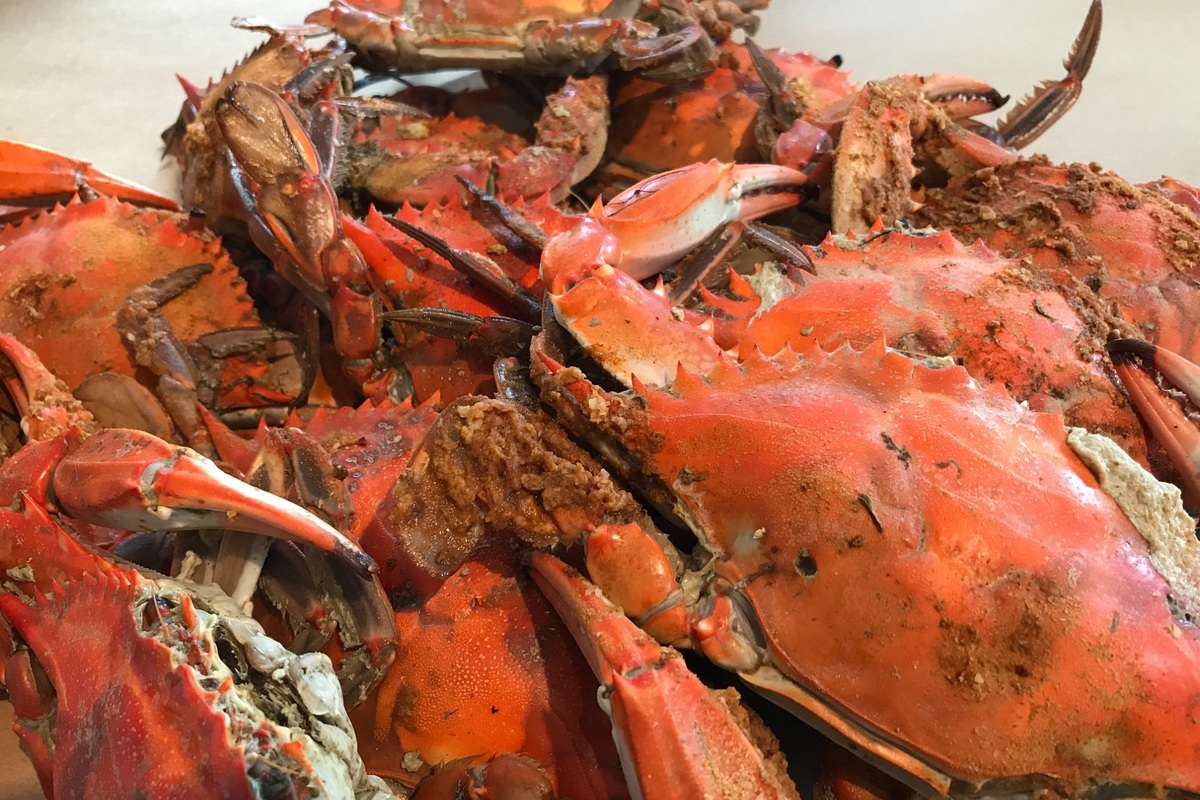
Expect whole, hard-shell blue crabs, usually steamed and generously seasoned. The shells turn orange-red when cooked; “blue” describes the crab, not the color of your dinner. Tables are often covered with paper, and the meal involves opening the shells and picking out the meat by hand.
This is a different experience from ordering long snow-crab legs, a ready-to-eat crab cake, or a soft-shell crab sandwich. Much of the meat comes from small chambers in the body, with more in the claws. A generous-looking pile of shells does not translate into the same volume of edible meat.
The Baltimore visitor bureau’s crab guide is a useful introduction to this local dining tradition. The word “feast,” however, does not promise unlimited crabs. A restaurant meal, a ticketed fundraiser, and a catered backyard party can all use it.
Choose the right format before choosing a date
| Format | Best fit | What to confirm |
|---|---|---|
| Crab house, ordered by quantity | A couple or small group learning to pick crabs | Available sizes, current price, minimum order and whether you can add more |
| All-you-can-eat restaurant special | Enthusiastic crab eaters with time to linger | Serving days, crab size, time limit, sides and rules for everyone at the table |
| Ticketed crab feast or fundraiser | A social afternoon with a set start time | Exactly what the ticket buys, seating, drinks, children’s prices and refund policy |
| Steamed carryout at your accommodation | A group with a suitable table and permission to eat there | Pickup time, steaming charge, tools, cleanup and safe food storage |
For an organized event, start with Maryland’s seafood festival guide, then check the organizer’s own page for the correct year. Some festivals charge admission and sell food separately. Others include a timed crab meal. “Seafood festival” and “all-you-can-eat crab feast” are not interchangeable descriptions.
A fixed-price event can simplify planning, but it may be poor value for someone who wants two crabs and a salad. Ask whether a non-crab-eater ticket is available and whether every seat needs the same package. Do this before buying tickets for the whole group.
Plan around the season—and ask where the crabs came from
Summer and early fall are natural times to build a Chesapeake trip around crabs. You can combine a long meal with waterfront sightseeing, and the season is central to the local food culture. That does not mean every restaurant closes when the weather cools: several established crab houses serve year-round.
“Maryland-style” describes preparation; it does not necessarily mean Maryland-caught. Cantler’s, for example, explains that it uses Louisiana and Texas crabs in winter. If local sourcing matters to you, ask, “Where were today’s whole crabs harvested?” rather than relying on the restaurant’s address.
The state’s True Blue restaurant program is another useful starting point for finding businesses committed to Maryland crab. Still confirm the particular dish or batch you intend to order. A crab-cake menu and a whole-crab menu can involve different supplies.
Three places to consider for your first crab-house meal
Choose the area that fits the rest of your trip. Baltimore, Annapolis and Kent Narrows are alternatives for a relaxed meal, not three compulsory stops in one afternoon. If this is part of a longer vacation, our USA food road-trip guide can help you build a route around a few substantial meals rather than an exhausting checklist.
LP Steamers: a Baltimore neighborhood stop
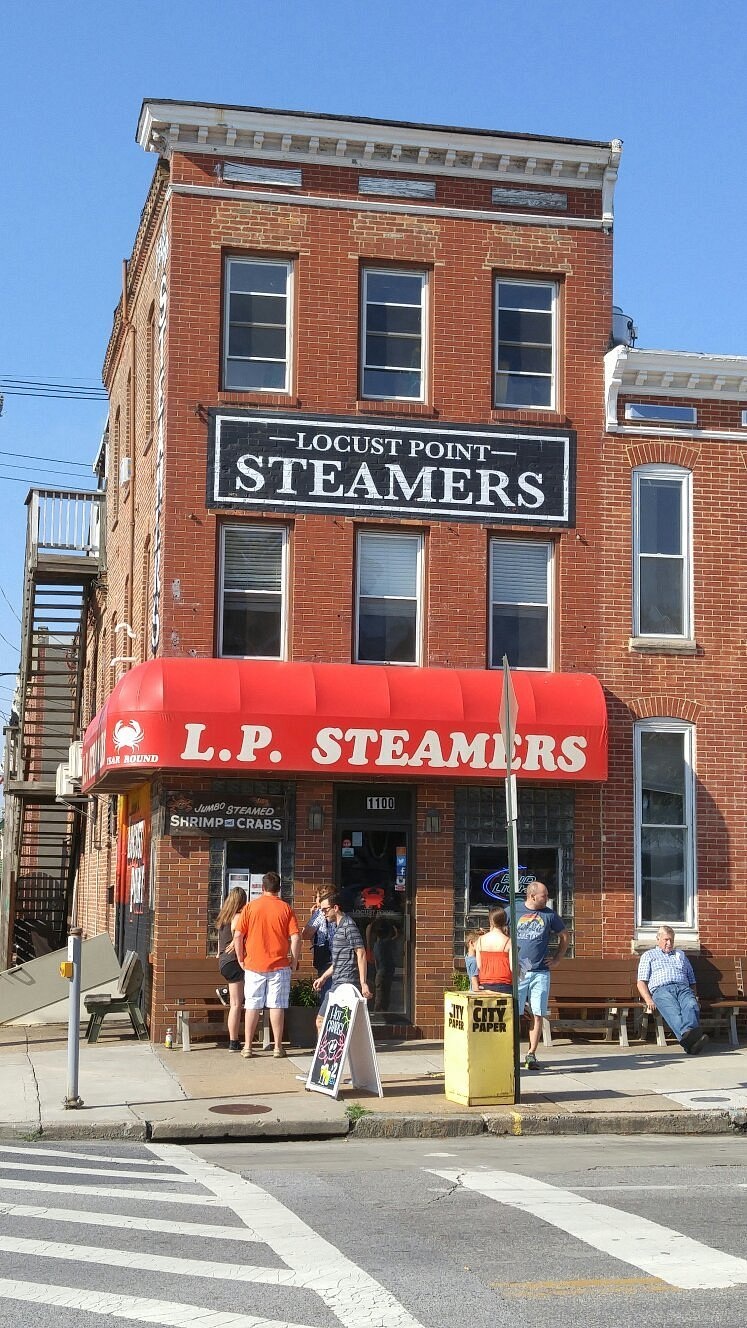
LP Steamers, at 1100 East Fort Avenue in Locust Point, makes sense when you are already staying in Baltimore. It is a dedicated steamed-crab stop in a city neighborhood, so you do not need to build your day around a separate drive to the Eastern Shore.
Call 410-576-9294 to ask which crab sizes are available and how seating works for your group. If stairs are a concern, discuss the exact seating arrangement before you go. For a first meal, tell the server you are learning and ask for an ordering recommendation based on the number of people who will actually pick crabs.
Cantler’s Riverside Inn: an Annapolis-area waterfront meal
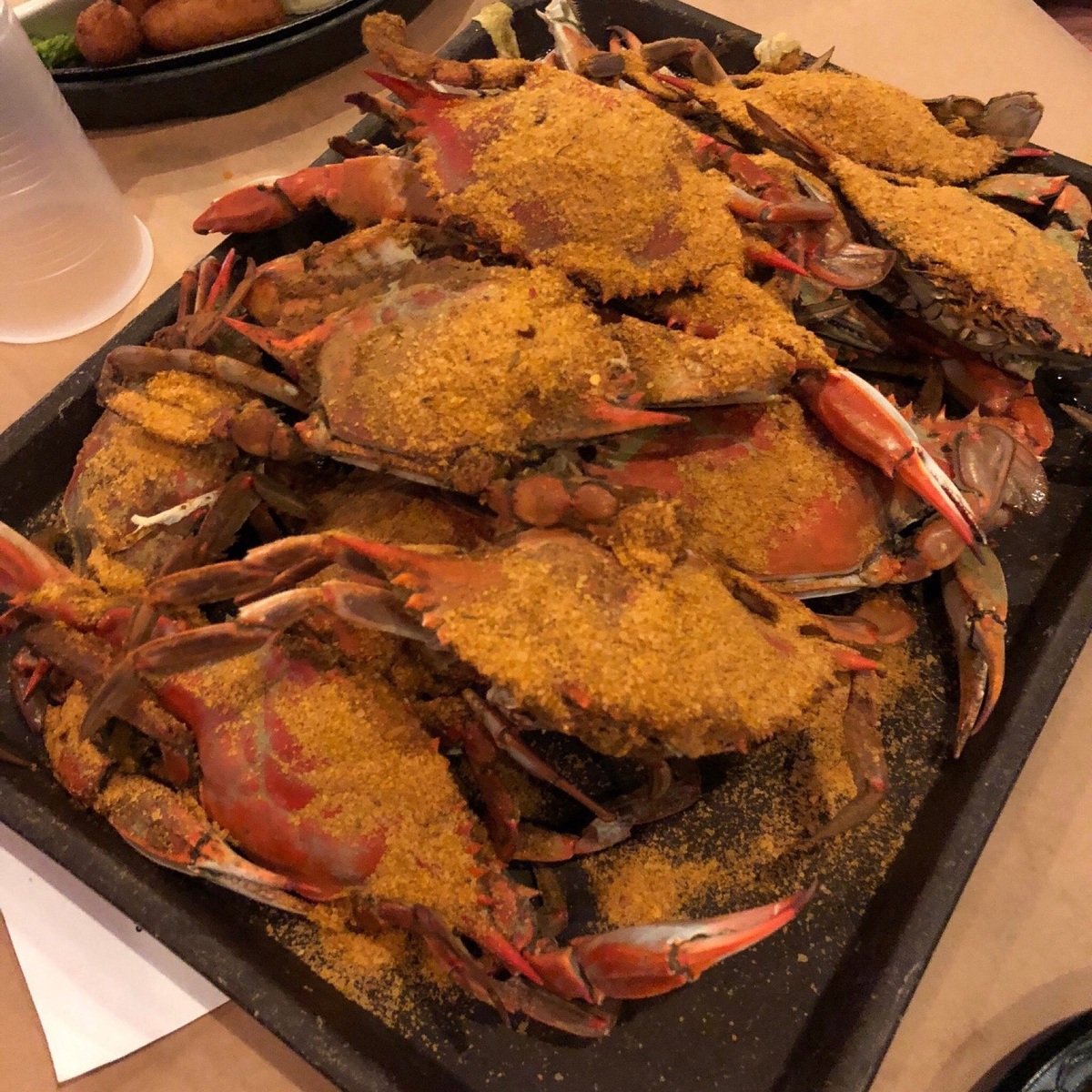
Cantler’s Riverside Inn is at 458 Forest Beach Road, outside downtown Annapolis. Its waterfront setting suits travelers who want the meal itself to be the afternoon’s main outing.
The restaurant currently accepts reservations only for groups of 25 or more, Monday through Thursday. Smaller parties are first come, first served. Parking is limited, so carpool if possible; its published policy also rules out parking for RVs and trailers. Call 410-757-1311 when planning a larger gathering.
Its whole-crab ordering information lists singles, half-dozens and dozens, with daily prices on the chalkboard. That flexibility is helpful for beginners. Cantler’s also says crabs cannot be reserved, so a table plan should not be treated as a guarantee of your preferred size.
Harris Crab House: a Kent Narrows option
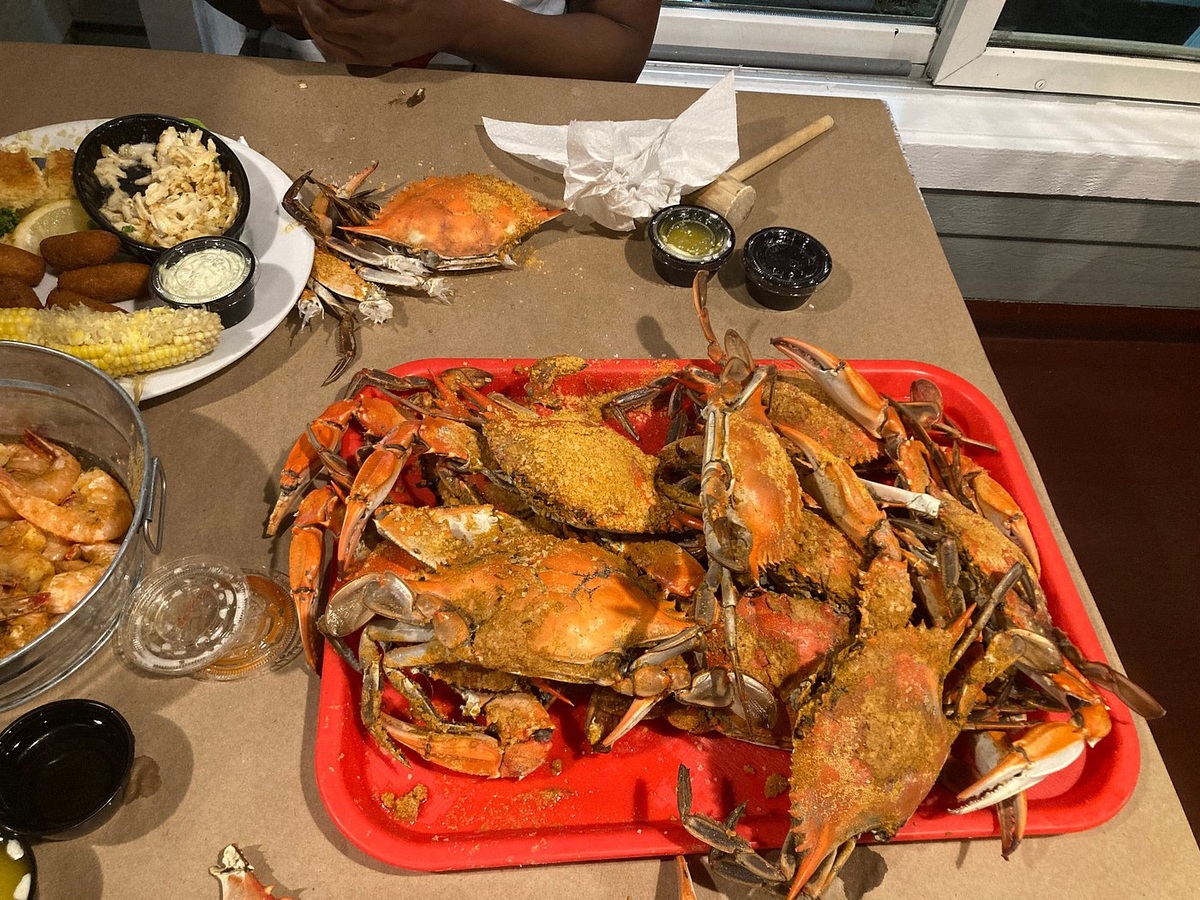
Harris Crab House, at 433 Kent Narrows Way North in Grasonville, is a waterfront choice for an Eastern Shore itinerary. It is open year-round and advertises a weekday all-you-can-eat crab offer.
Check that offer directly before making a special trip: at the time of research, different parts of its website gave different weekday schedules. Call 410-827-9500 for the current days, serving times, price and inclusions. Ask what someone at your table may order if they do not want the special.
If you are approaching from the Annapolis side, allow room in your schedule for the Bay Bridge crossing. A rigid sightseeing appointment immediately after lunch defeats the point of settling in for a leisurely crab meal.
How many crabs should you order?
The answer depends on crab size, appetite, side dishes and how much time everyone wants to spend picking. As a starting guideline, Cameron’s Seafood suggests about six crabs per adult when other food is served, or six to ten when crabs are the main focus. Treat that as a planning range, not a promise about what every guest will eat.
For four crab-eating adults with substantial sides, two dozen is therefore a useful quantity to discuss with the seller. Two tentative beginners might prefer to share a half-dozen first, if the restaurant permits it, and order more after trying them. Ask whether another batch is likely to be available; starting small works less well when the kitchen is nearly sold out.
Do not buy a bushel simply because the name sounds festive. Ask approximately how many crabs of the chosen size it contains and how many diners the seller expects it to feed. Also ask what “large,” “extra-large” or “jumbo” means on that particular menu, instead of comparing labels alone between restaurants.
Budget for the whole table. If the quoted price per dozen is D and your group orders two dozen, the crab subtotal is 2 × D. Add sides, drinks, tax, any mandatory service charge and your intended tip before dividing the bill. Check whether steaming, seasoning or extra sides are already included in a carryout or feast package.
For all-you-can-eat, find out whether refills use the same size crabs, whether there is a dining time limit, and whether unfinished food may leave the restaurant. A lower headline price is not automatically a better choice for a slow beginner.
What to wear, what to use and how to pick the first crab
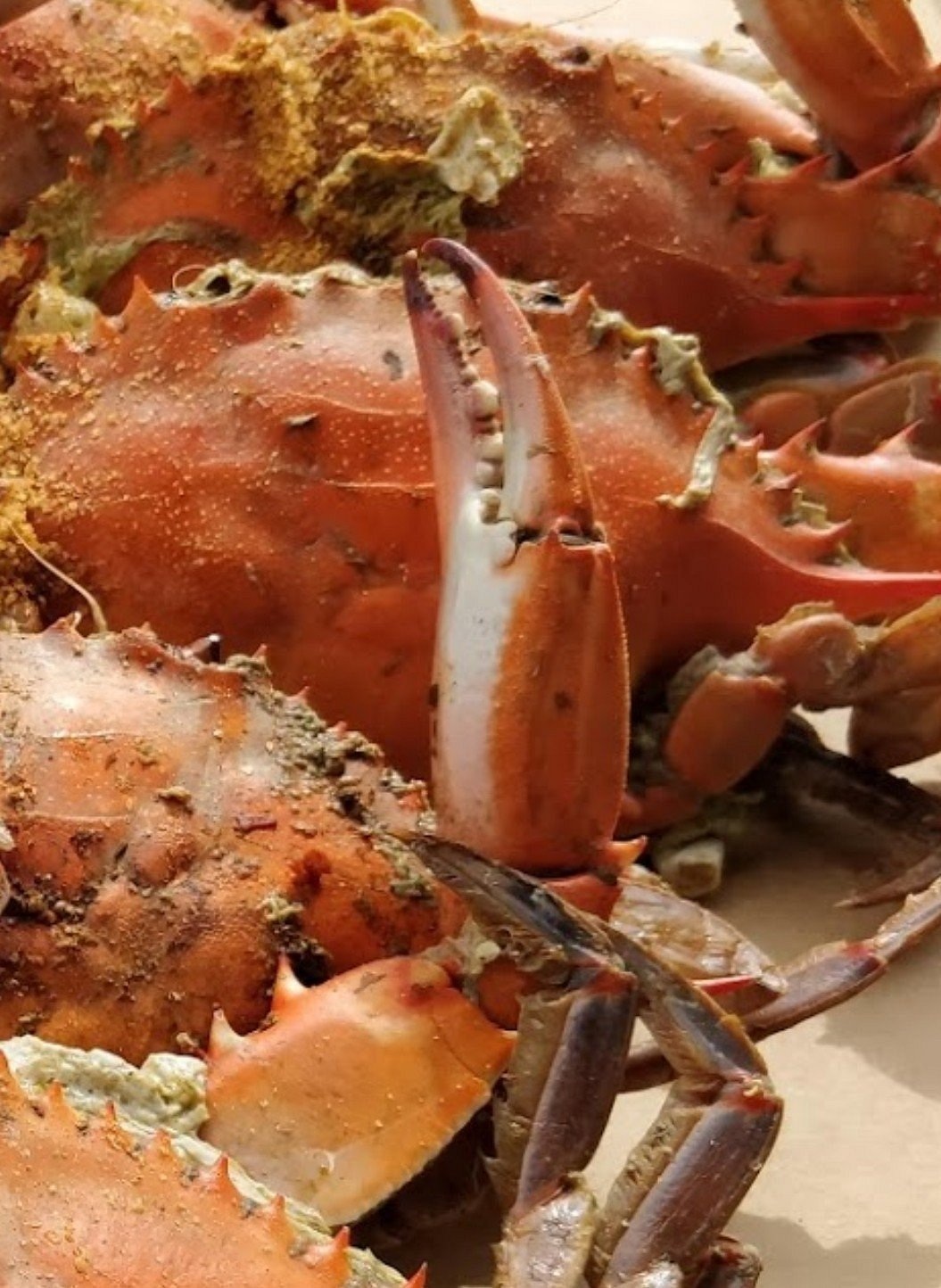
Wear something washable, roll up loose sleeves, and put your phone somewhere it will not become covered in seasoning. Wash your hands before eating and find the handwashing facilities early. At a restaurant, ask whether mallets, crackers or picks are provided; for carryout, request them or bring suitable tools.
Ask your server or an experienced companion for a quick demonstration. Watching one crab being opened is usually more useful than trying to memorize every movement before you sit down.
- Separate the claws and legs. Set the claws aside so they do not disappear into the shell pile.
- Turn the crab over and lift the apron. This is the small flap on the underside. Pull it back and use the opening to help separate the top shell from the body.
- Remove the gills and internal material. Discard the feathery gills and the yellow-green “mustard,” leaving the white body meat to pick.
- Break the body into halves. Open the small shell chambers carefully and work out the meat. Check each bite for fragments.
- Crack the claws gently. Use a cracker or a light tap from the mallet, then pull the shell apart and remove the meat from the cartilage inside.
- Keep the shell pile separate from dinner. Clear space as you go so unopened claws and edible meat do not get thrown away.
The mallet is for helping with stubborn shells, not smashing the entire crab into crumbs. Gentle opening makes it easier to keep shell fragments out of your food. Slow progress on the first few crabs is normal; there is no need to match the quickest person at the table.
Some older eating guides encourage visitors to eat the mustard. Maryland publishes catch-area-specific crab consumption advice, including advice about mustard. Skipping it keeps a beginner’s approach simple; the white body and claw meat are the focus of this walkthrough.
Keep the sides simple and include the non-crab eaters
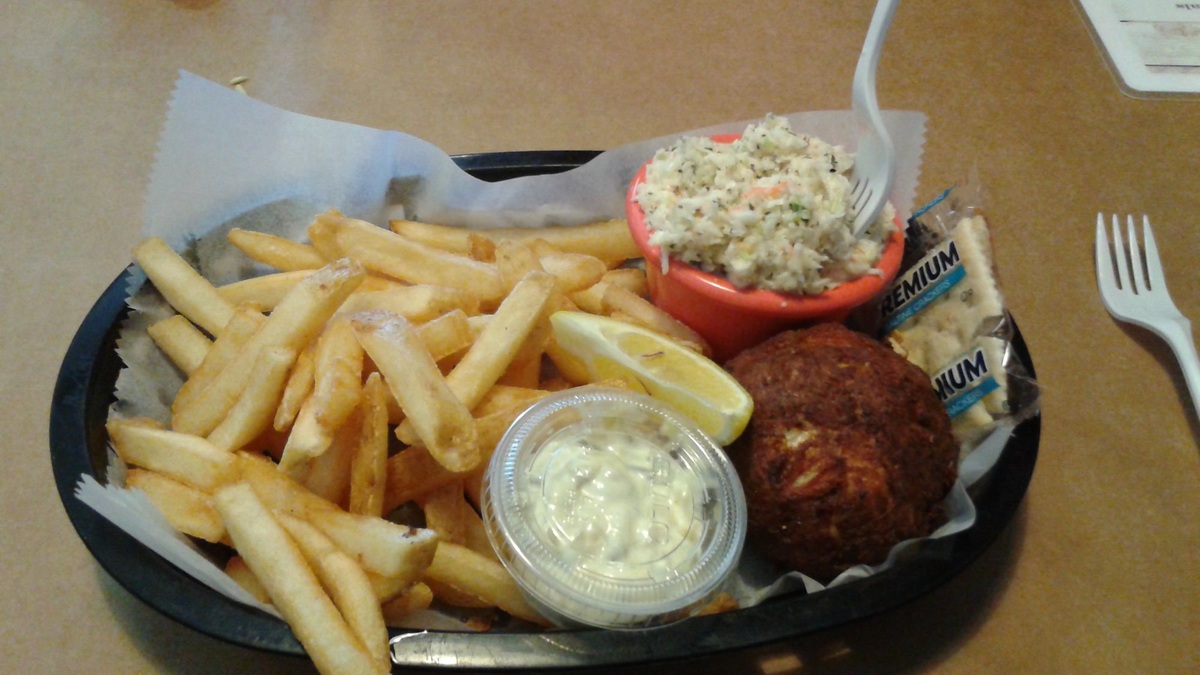
Corn on the cob, coleslaw and a starch such as potatoes, fries or hush puppies can turn a crab session into a satisfying meal without requiring everyone to pick at the same speed. Choose a few things the group will finish rather than ordering another full seafood spread before the crabs arrive.
A crab cake is a useful option for someone who likes crab but does not want to work through whole shells. The pictured LP Steamers meal shows one way to pair it with fries and coleslaw; check the current menu for available combinations. For someone who avoids seafood altogether, confirm an actual non-seafood main before choosing the venue.
Shellfish allergy needs a separate conversation with the restaurant. Ask about ingredients, shared preparation and what can realistically be accommodated. Do not assume a plain-looking side is suitable. For children, arrange a meal they already enjoy and let crab picking be optional; an adult should handle the sharp shells.
Butter and vinegar may be offered alongside the seasoning. Try a little meat on its own first, then decide what you like. Keep drinking water handy, and choose drinks to suit the group rather than assuming a crab feast has to involve beer.
An optional Baltimore food walk if you prefer prepared crab dishes
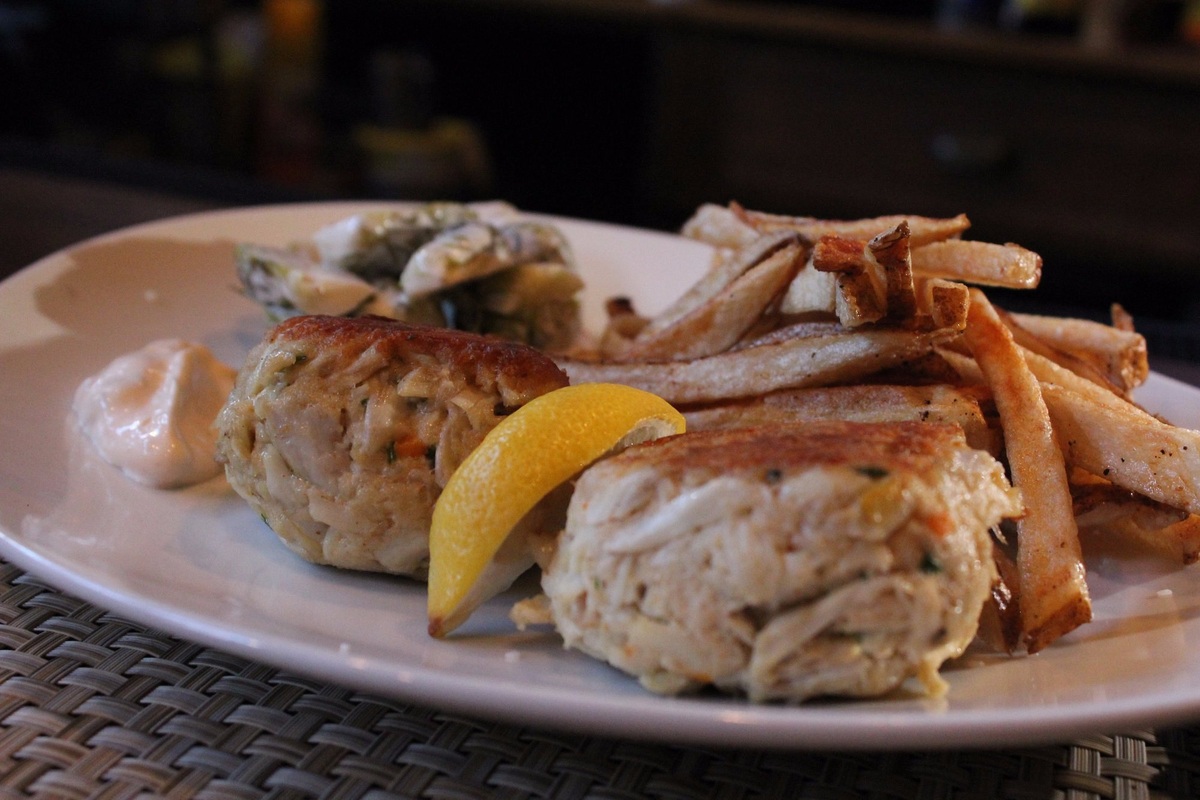
If you want local food with a guide and less shell cracking, Bite of Baltimore’s Fells Point Culinary Food Tour is a different way to spend an afternoon. The current Expedia listing describes a three-and-a-half-hour walk with four food stops, including Maryland crab cakes among its advertised tastings.
This is a neighborhood food tour, not an all-you-can-eat crab feast or a crab-picking class. Specific dishes and stops can change. Put it on a different day from a substantial crab-house meal, or choose it as your alternative if the group prefers a range of prepared foods.
Read the eligibility details before booking: the listing currently says it is unsuitable for people under 21 and people with mobility impairments, while another section discusses nonalcoholic arrangements for younger guests. Confirm that inconsistency with the operator before booking a family, and discuss walking requirements and dietary needs directly.
This article contains an affiliate link. If you book through it, we may earn a commission at no extra cost to you.
Check Fells Point Food Tour Availability
Hosting your first feast? Start with freshly steamed carryout
Buying crabs already steamed removes the equipment and live-crab cooking decisions from your first attempt. Preorder through a crab house or seafood seller, agree on the quantity and size, and arrange a pickup time close to the meal. Confirm what happens if that size is unavailable and whether seasoning can be adjusted.
Before pickup, cover a sturdy table, put out plates for sides, provide shell containers and paper towels, and have drinks ready. Check that your rental or accommodation permits the setup you have in mind. A tiny hotel desk is not a good substitute for a table with room for shells, food and elbows.
Keep food safety in the timing plan. The FDA’s seafood guidance says to refrigerate perishable food within two hours, or within one hour when temperatures are above 90°F. Count transport and table time together unless food is being safely held hot or cold. Do not leave the feast in a warm car while you finish sightseeing.
Set out manageable batches and refrigerate leftovers promptly. If you are away from home, check that you actually have refrigeration before buying more than the group can eat. Bring the supplies for cleanup as well as the supplies for dinner.
The five-minute call that prevents most surprises
Use this short script once you have chosen a venue: “We are first-time crab eaters visiting on [date], with [number] adults and [number] children. Which whole-crab sizes and ordering options do you expect to offer, what would you suggest for our group, and what is the current price?” Then check the details that apply to your party:
- Seating: reservations or walk-in only, likely waiting arrangements, accessible seating, and indoor backup if you hoped to sit outside.
- What is included: sides, drinks, tools, service charges, refill limits and different prices for children or non-crab eaters.
- Food needs: a suitable alternative meal, allergies, seasoning preferences and whether changes are actually possible.
- For ticketed events: the correct year, arrival and serving times, reserved versus shared seating, and what happens if weather disrupts the event.
Ask when to reconfirm supply. A useful answer today is not a guarantee that a particular crab size will be available next weekend.
Give the meal room in your day
As a planning allowance, leave roughly two hours for a seated first crab meal, plus any wait for a table. This is a suggested pace, not a restaurant’s guaranteed service time. Keep the first few minutes for choosing sides and asking for a demonstration, then settle into the crabs without watching the clock.
Choose one nearby outing before or afterward and leave the rest flexible. A good first Maryland crab feast is one where everyone understands the order, has something they want to eat, and can stay long enough to enjoy learning.