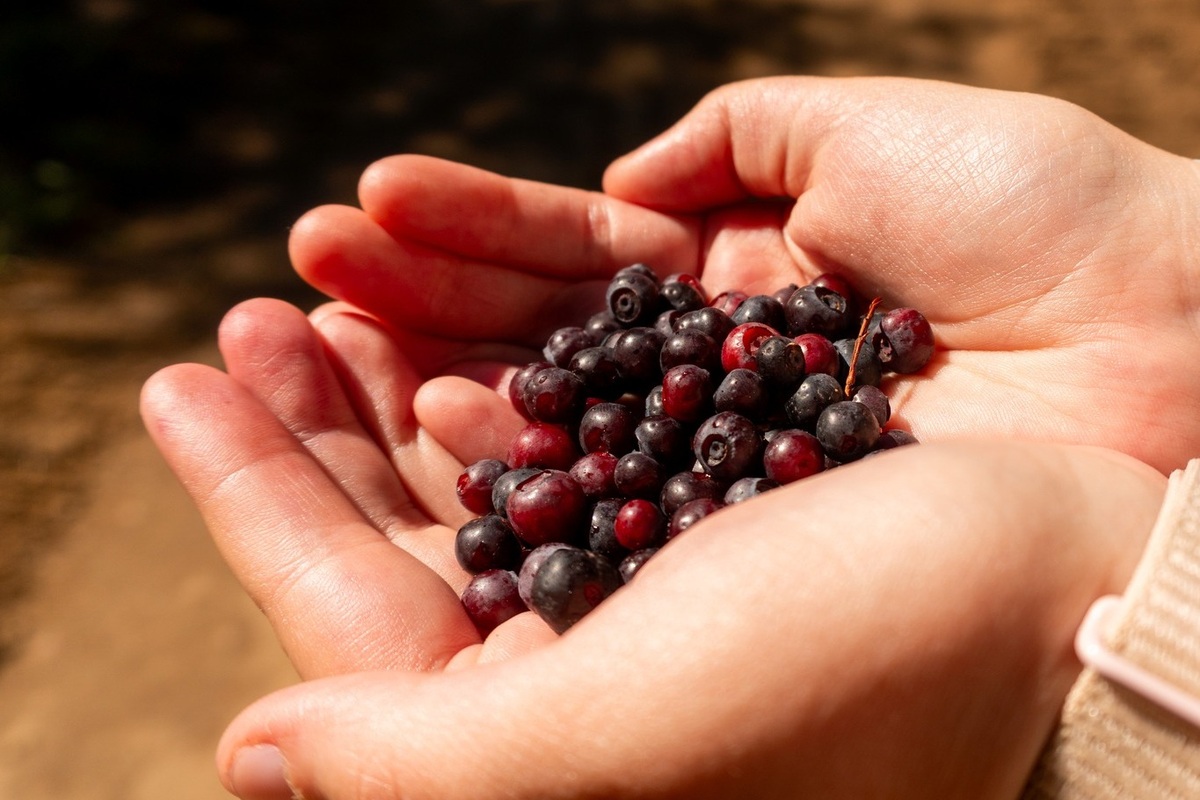
Sweet, tart huckleberries make a memorable summer souvenir, especially when you have picked a small batch yourself. A good Idaho huckleberry picking trip starts with a flexible plan, a small container and a better question than “Where is the secret patch?” Ask where berries are ripe now, where gathering is allowed, and whether you can comfortably reach that ground.
For the mountain outings covered here, think forest foraging rather than a farm with tidy pick-your-own rows. You might bring home enough berries for breakfast, or spend an enjoyable afternoon outdoors without a harvest. Build a trip you would still like either way.
The easiest starting plan: choose one base—Sandpoint, Priest Lake or McCall—investigate a late-July or August visit, then confirm conditions locally before committing to a picking day. Those months are a planning window, not a promise. Beginners also need reliable help identifying the plants before eating anything.
On this page10
When is huckleberry season in Idaho?
There is no single statewide opening day. Visit Idaho’s foraging guide describes a broad summer season that varies with elevation. Lower ground generally ripens before higher mountain slopes. That makes a report from another town—or even another elevation on the same mountain—a poor guarantee for your destination.
Late July and August are sensible months to investigate for the mountain bases below. If your vacation dates are fixed, choose the destination for its other attractions too. If picking is the main reason for traveling, wait for a local ripeness report before making nonrefundable arrangements.
Ask “Are people finding ripe berries on the route we can actually reach?” A general announcement that huckleberry season has begun may describe terrain that requires a different vehicle, a longer hike or more experience than your group has.
Older trip reports are useful for understanding the landscape. They are much less useful for deciding whether this weekend will produce fruit. Keep one spare day in your itinerary if you can, and treat a recommendation to wait as useful information rather than an invitation to search farther into the forest.
Choose one base for your picking trip
| Base | Why consider it? | What to confirm first |
|---|---|---|
| Sandpoint / Schweitzer | A resort activity desk and a seasonal picking shuttle offer a more structured starting point. | Whether a shuttle is operating, current berry conditions and the walking involved. |
| Priest Lake | A lake trip can include a carefully planned outing on nearby forest land. | The exact land manager, access roads, gathering rules and current closures. |
| McCall | A useful choice if your existing itinerary is in west-central Idaho. | Local ripeness, the rules for your chosen site and a route suited to your group. |
These are starting areas, not guaranteed patches. Do not turn them into a three-stop picking circuit. Choosing one gives you time to get local advice, change your plan and enjoy the rest of the destination.
Sandpoint and Schweitzer: start with the activity desk
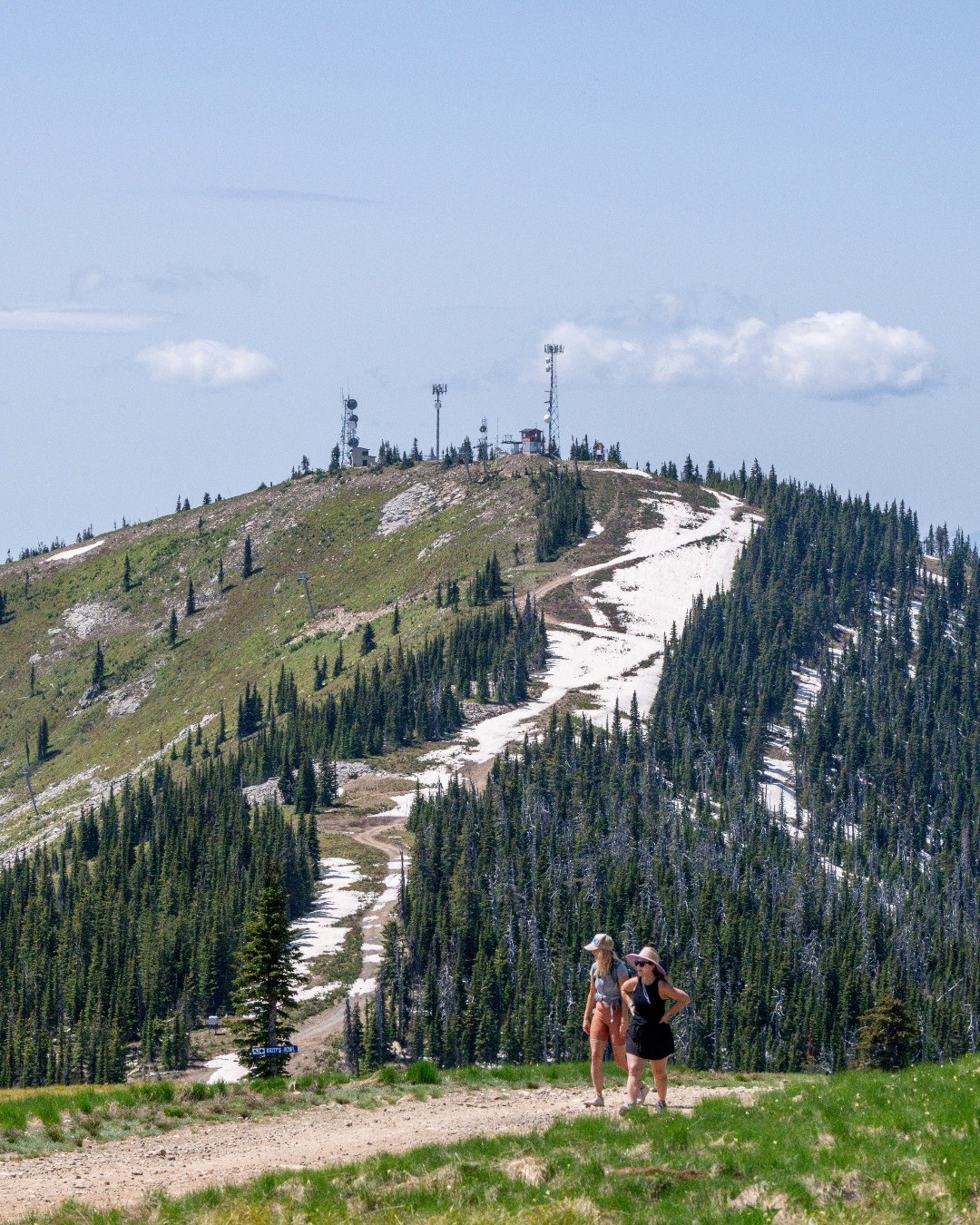
Schweitzer is worth investigating if arranging a remote forest outing feels like too much for a first trip. Its Summer Activity Center provides trail advice, and the resort advertises a seasonal huckleberry shuttle lasting about 1½–2 hours, with relatively little hiking.
The resort describes its typical picking season as late July through August. Its 2026 schedule also records a July 11 cancellation because the berries were not ripe. That is a particularly useful reminder that even an organized outing depends on the crop.
Planning the next season: when checked on October 25, 2026, the page still showed the completed 2026 dates. Do not treat those dates as next summer’s calendar. Contact the Activity Center at 208-255-3081 for the next schedule, current price, availability and cancellation terms.
Before reserving, ask whether staff provide plant-identification instruction, how far participants walk and whether the vehicle and terrain meet your mobility needs. “Little hiking” does not establish wheelchair access or a stroller-friendly surface.
Check Schweitzer Huckleberry Shuttle Updates
Priest Lake: plan a forest outing around your lake stay
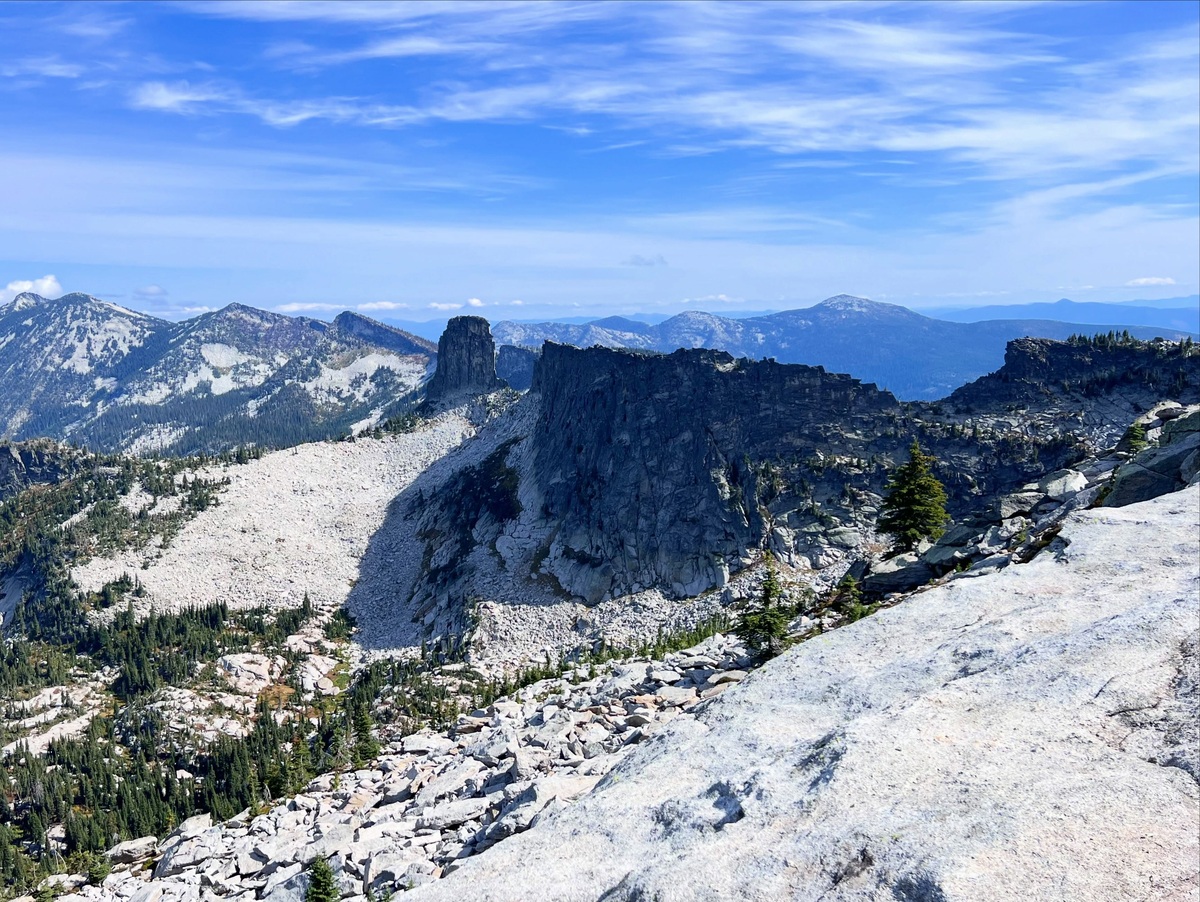
Priest Lake suits travelers who want picking to be one part of a northern Idaho getaway. Start by identifying the land responsible for the route you are considering. Being near a lake, campground or public road does not establish that the adjacent berry bushes are open for gathering.
A ranger can help with access and current restrictions; do not expect an exact location that guarantees a full bucket. Ask about a manageable route, road conditions and recent berry reports instead. If the available advice points toward terrain beyond your experience, keep the lake day and leave the picking for another visit.
Leave breathing room between a forest outing and any timed commitment later in the day. Searching, sorting your bearings and turning back can take longer than the walking distance suggests. Keep a lake afternoon flexible instead of booking it immediately after an ambitious picking plan.
McCall: keep the outing close to the trip you already want
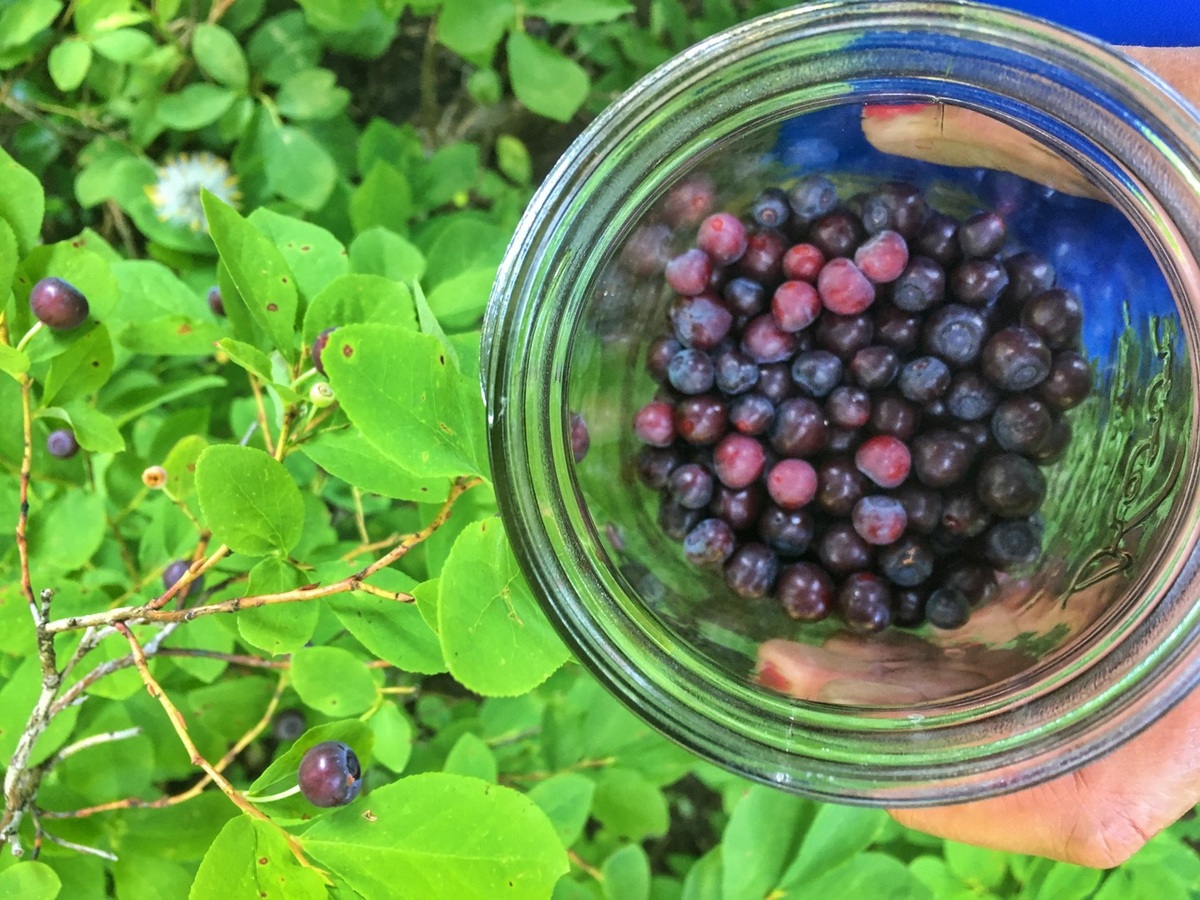
For a McCall-based vacation, investigate the surrounding mountains before adding a long drive to northern Idaho. Valley County’s foraging information places local huckleberry ripening in late July and August. Use that as a starting window and confirm the current situation for your intended location.
It is especially important to separate berry information from mushroom advice on pages covering both. A permit exemption or quantity allowance written for mushrooms is not automatically a huckleberry rule. Ask the manager of your chosen site about berries specifically.
Keep your first attempt modest: one accessible outing, one clearly agreed return time and another activity you will enjoy if the crop is sparse. A few berries for breakfast can be a satisfying result; a freezer full should not be the standard by which you judge a vacation.
Do you need a permit to pick huckleberries?
The answer depends on the land. Avoid applying one forest’s rules to all of Idaho, or assuming that permission to hike includes permission to harvest.
On the Idaho Panhandle National Forests, the Forest Service allows personal-use huckleberry gathering unless an area specifically prohibits it. Commercial gathering is not permitted there; picking with the intention of selling counts as commercial use. Damaging or removing the bushes is illegal. Check for local restrictions before going.
Schweitzer’s own rules allow personal-use picking, not resale, and require hand picking without rakes or other tools. That resort policy should not be rewritten as a statewide rule.
For other national forests, state land, parks or privately managed properties, ask the relevant office about permits, quantity limits, permitted methods and any area-specific exclusions. Get the landowner’s permission for private land. On Tribal lands, consult the Tribe’s visitor and gathering rules; public access nearby is not permission to enter or collect.
A useful phone question is: “We want to handpick a small amount of huckleberries for our own meals at this location. Is that allowed, and are there any permits, limits or closures we need to know about?” Having a specific place in mind makes the answer more useful.
Budget for access, not a promised quantity of berries
For a self-planned outing, separate gathering permission from the costs of getting there: fuel, any parking or recreation fee that applies, food, suitable equipment and keeping the harvest cool. A statement that personal-use picking is allowed does not tell you whether every part of the day is free.
For an organized option, ask what the quoted price covers, where it starts, whether another access ticket is needed and what happens if the crop or weather cancels the outing. Compare the convenience and support with what you could responsibly arrange yourself. Neither approach should be treated as a way to obtain a guaranteed number of pounds at a bargain price.
Identify the plant before tasting a berry
Do not use taste as the identification test. A dark berry, a familiar-looking leaf or a phone app’s suggestion is not enough to establish that an unknown plant is edible.
Idaho Fish and Game’s foraging guidance stresses certain identification and learning from an expert. It also warns that poisonous fruits can resemble edible berries. For a first trip, learn in person from someone genuinely knowledgeable about the local plants, including their poisonous look-alikes.
This article and its photographs are trip-planning material, not an identification key. If nobody in your group can confidently establish what you have found, leave it uneaten. A tasting stop back in town is a better outcome than guessing in the woods.
With children, make the rule clear before leaving the car: no eating wild plants without the responsible adult’s approval. Keep children close enough to supervise, and avoid combining unknown fruit with a container of identified berries.
Plan for bear country, not just berry picking
Berry patches are food sources for wildlife. Read Idaho Fish and Game’s bear-country advice before setting out. The agency recommends carrying bear spray and knowing how to use it, traveling in groups of three or more, making noise and avoiding hiking at dawn, dusk or after dark.
Stay alert around dense vegetation and places where rushing water or wind masks your approach. Keep spray readily accessible rather than buried beneath the picnic. Give bears space; the agency says not to approach within 100 yards. If bear activity makes the area unsuitable, abandon that picking plan.
Keep food and scented items out of tents, secure unattended attractants and follow the food-storage requirements for the particular area. A normal picnic cooler is not automatically a certified bear-resistant container. Keep dogs leashed where they are allowed, and consider whether bringing one makes this outing more difficult to manage.
Check the road, then pack for a real outing
Before relying on an old trail report, review the land manager’s current notices. The Idaho Panhandle alerts page includes road and trail closures as well as other restrictions. Check the corresponding source for any other forest you visit. A road shown on a navigation app can still be closed or unsuitable for your vehicle.
Use official forest maps and visitor guides to plan access, and save what you need before losing reception. Ask specifically about passenger-car access, parking, walking distance, toilets and turnaround space. Tell someone your route and return time.
- For walking: sturdy footwear, weather-appropriate layers, sun protection and a small first-aid kit.
- For the outing: water, food, offline navigation, a charged phone and the bear-safety equipment you know how to use.
- For gathering: small, clean, food-safe containers with secure lids. Lightweight containers are easier to carry without adding the breakage risk of glass.
- For the drive back: a cooler with cold packs and room to keep fruit from being squashed beneath bags.
Do not pack for a ten-minute roadside stop and then let promising bushes turn it into several hours. Decide on a return time before starting. Reserve enough time and energy to walk back and drive out in daylight.
Handpick gently and keep expectations realistic
Once the plants have been safely identified and you know gathering is permitted, pick ripe berries individually without stripping branches. Leave unripe fruit and some ripe berries behind for wildlife and other gatherers. The Idaho Panhandle guidance recommends hand picking and discourages mechanical methods that may damage plants.
Keep your group together rather than spreading out to compete over who fills a container first. Resist the temptation to trample through dense growth toward every visible berry. Move carefully and give other pickers space.
For a first independent outing, a short planned picking session is more sensible than an open-ended search. The amount you collect will depend on the crop, your identification skills, the terrain and how much time you spend looking. Do not budget a recipe’s ingredients around an assumed hourly harvest.
Keep your berries in good condition on the way home
Protect the fruit from heat promptly. Oregon State University Extension’s berry guidance recommends shade or refrigeration after picking, and washing just before use. A long afternoon in a hot parked car is a poor follow-up to careful harvesting.
Use modestly filled containers rather than compressing the fruit into one deep load. Keep them cool during the drive and refrigerate them when you return. Before eating or preserving, sort the harvest and remove debris and damaged fruit.
If you want to freeze berries, follow the Extension service’s fruit-freezing instructions: wash carefully in cool running water, drain and dry, then freeze in a single layer before transferring to suitable freezer packaging. That lets you take out a small portion later instead of thawing a solid block.
A small harvest can top yogurt or pancakes. A larger one gives you options for baking or freezing. If you intend to make shelf-stable jam, use a tested preservation recipe with the correct processing instructions rather than improvising from a dessert sauce.
A relaxed two-day plan
Day one: arrive at your chosen base, check conditions with the relevant office and buy any missing supplies. Keep the afternoon for the town, lake or another activity that does not depend on finding ripe fruit. If considering a shuttle, confirm the actual date and booking arrangements before building the next day around it.
Make the decision the day before: proceed only when you have a suitable open route, permission to gather, a credible report of ripe fruit and the knowledge to identify it safely. If one piece is missing, switch to a non-foraging outing. You can ask a local shop about huckleberry preserves or a bakery about its current fruit offerings without assuming fresh-picked berries will be available year-round.
Day two: take one suitable outing in daylight, with a definite turnaround time. Return to cool the harvest, then enjoy the rest of your day. If berries are unripe, access is closed or your group lacks identification experience, change the plan.
For a wider vacation built around regional ingredients, our USA food road trip ideas offer other ways to make local food part of the journey. With huckleberries, the most useful souvenir may be a better understanding of the landscape—even when the container comes home nearly empty.