A good maple trip starts with a small decision: do you want to watch sap become syrup, sit down to pancakes, or taste your way through a farm shop? Those can happen in the same place, but they do not always happen on the same day. A sugarhouse may welcome shoppers while its evaporator is quiet, and a popular breakfast can fill an entire morning.
These 13 New England maple syrup farm experiences cover all six states, from Vermont tasting rooms to a Rhode Island living-history farm. Choose a regional pair or a small cluster. You will have more time to ask questions, compare syrups, and enjoy lunch if you leave the rest for another trip.
Planning for spring 2027: checked October 24, 2026. Many farms still display their 2026 or older event calendars. Merrifield Farm has announced March 27–28, 2027 (Easter weekend); other special-event dates below need confirmation. Year-round shopping does not mean year-round sap boiling.
This article contains affiliate links. If you book through them, we may earn a commission at no extra cost to you.
On this page19
When to visit New England maple syrup farms
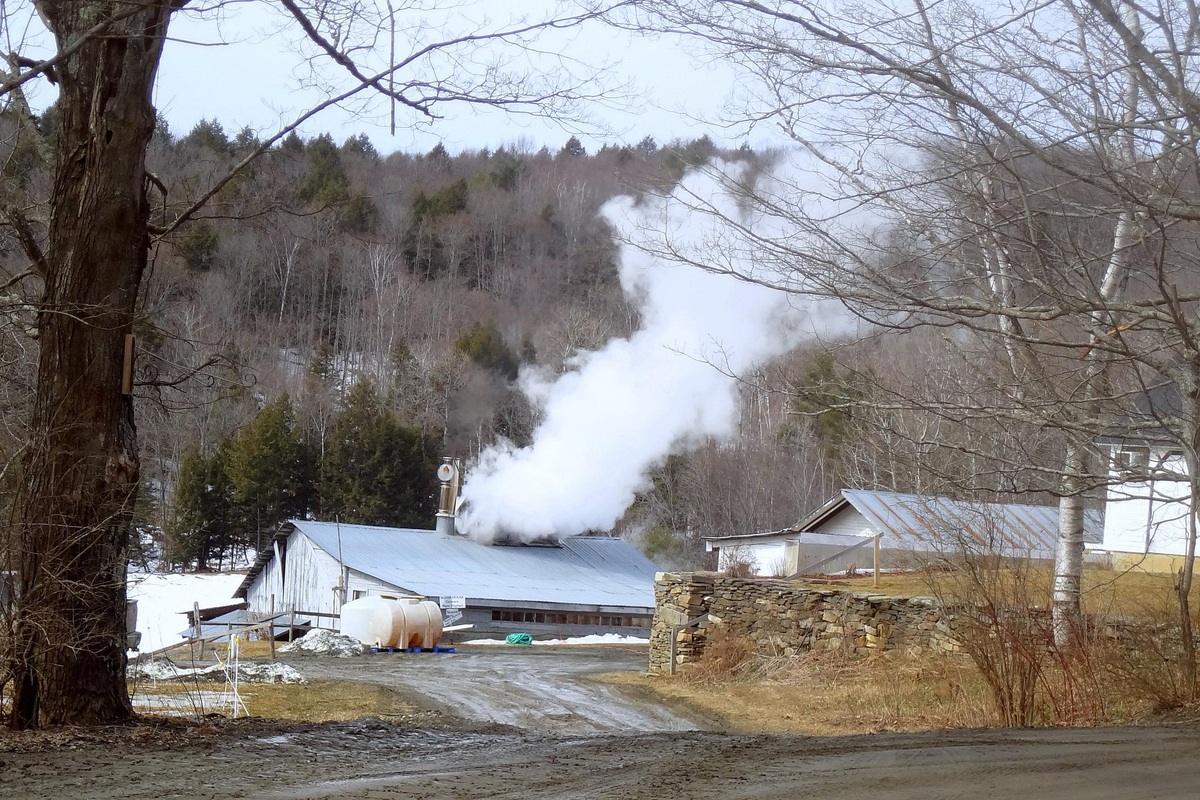
Late winter through early spring is the usual window for seeing production, with March a sensible starting point for planning. The season moves with the weather: freezing nights followed by warmer days help sap flow. In Massachusetts, lower and eastern locations may start in mid-to-late February, while higher western areas often begin later. An individual season can be only a few weeks long, so a calendar date is a guide, not a promise.
The Massachusetts Maple Producers Association’s guidance explains why calling ahead matters. Ask whether the farm expects to boil during your actual visiting hours. A chilly morning, a warm spell, and a sugarhouse with stored sap can produce very different answers.
Special weekends add food and demonstrations but also crowds. Maine Maple Sunday traditionally falls on the fourth Sunday in March; individual farms decide whether to open on Saturday too. Do not assume a statewide celebration guarantees the same hours, menu, admission arrangements, or activities everywhere.
Choose the kind of maple visit you want
| Your priority | Start with | Key planning detail |
|---|---|---|
| A tasting with a flexible schedule | Sugarbush, Silloway, Morse | Year-round options; seasonal treats and boiling vary |
| An explained, guided visit | Baird Farm or The Rocks | Reserve Baird’s public tour; check The Rocks’ dated program |
| Pancakes as the main event | Parker’s, Ioka, Williams | Restaurant hours and the sugaring calendar are separate |
| A Maine maple-weekend outing | Harris and Merrifield | Check each farm’s program and food service |
| A shorter southern New England escape | Lamothe’s or Coggeshall | Confirm tour or event dates before driving |
1. Sugarbush Farm — Woodstock, Vermont
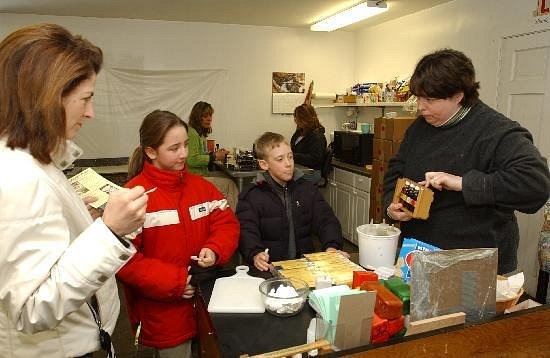
Best for: a low-pressure first maple visit with cheese tasting alongside it.
Sugarbush works particularly well when your group includes both maple enthusiasts and people who simply want a pleasant farm stop. Admission and samples are free, and the visit is self-guided. Outside the boiling season, a short video and sugarhouse displays still explain the process; the farm is more than a shop that becomes interesting only when steam is rising.
Compare the syrups before buying, then leave time for the cheese counter and, if conditions allow, a walk. This is also an easy thematic addition to a Vermont cheese trail getaway. Think of the two tastings as one satisfying stop instead of scheduling a second farm immediately afterward.
Before you go: the approach to 591 Sugarbush Farm Road includes hilly gravel roads. During snow and mud season, check driving conditions as well as opening hours. The farm’s visitor information recommends checking ahead about boiling; free admission is not a guarantee of a live demonstration.
2. Baird Farm — North Chittenden, Vermont
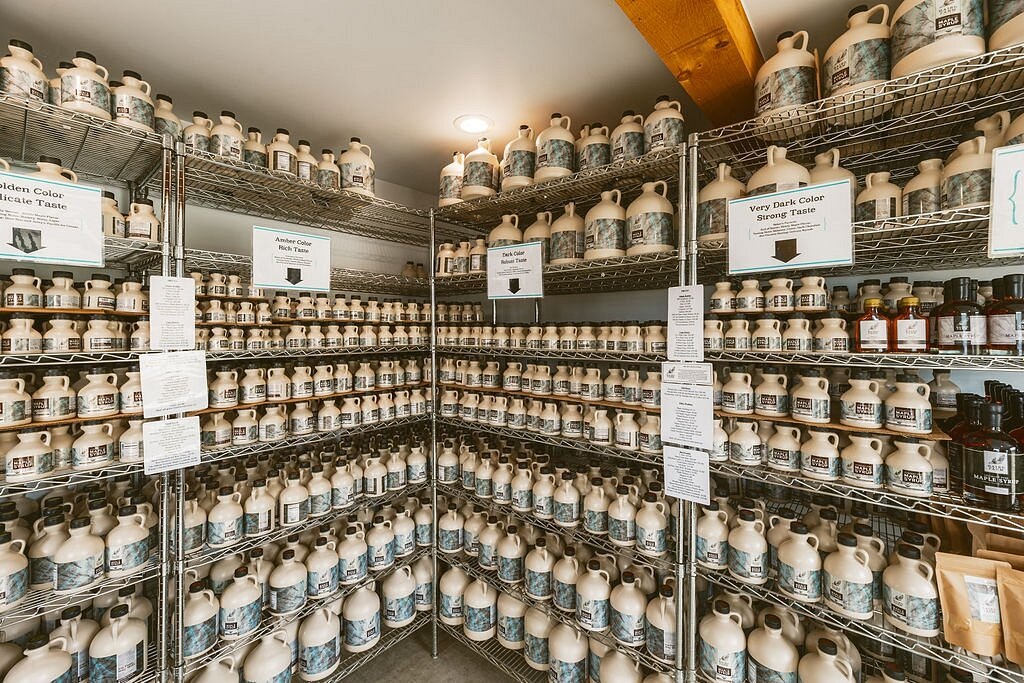
Best for: understanding the work behind the bottle on a small guided tour.
Baird’s public maple tour is a particularly useful choice if you want explanations rather than a quick look through a doorway. The farm lists a free, approximately one-hour tour, with reservations made at least 24 hours ahead. Visits cover the sugarhouse, tasting, and—when weather permits—the sugarbush, the woodland where the maple trees grow.
Use the tasting to work out what you actually like. Someone who prefers a subtle syrup over yogurt may choose differently from someone buying syrup for baking. Seeing several grades together makes that decision easier than relying on a bottle’s color alone.
Before you go: use the official tour reservation page, even though the public tour is free. Large or private groups have separate arrangements. Wear footwear for snow or mud and ask about your mobility needs before reserving. The farm’s 2027 Maple Open House dates were still marked to be determined when checked.
3. Silloway Maple — Randolph Center, Vermont
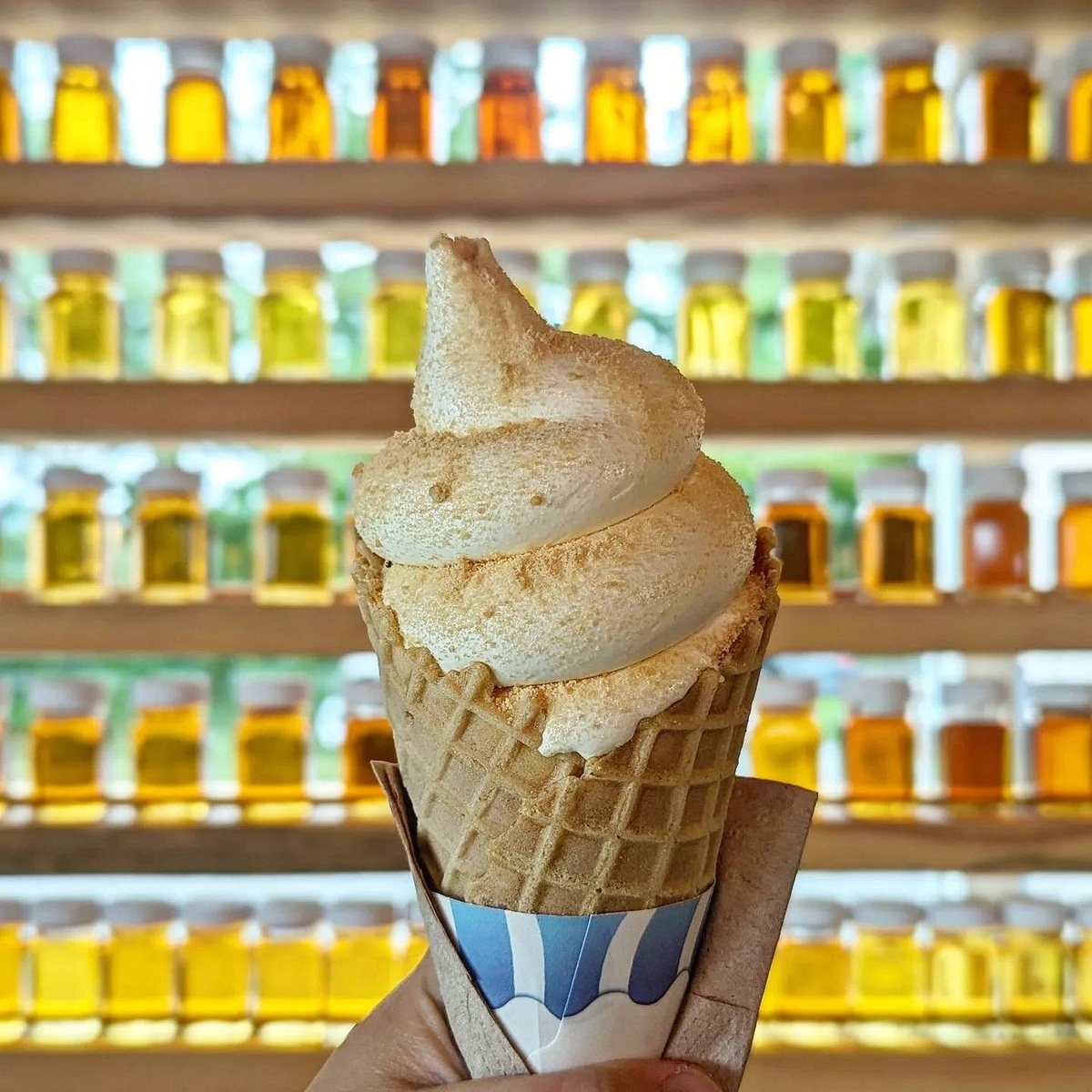
Best for: a working sugarhouse visit with an informal tasting.
Silloway offers free tours throughout the year, with larger groups asked to call ahead. During production, its wood-fired evaporator gives visitors something tangible to connect to the finished syrup. The operation also uses reverse osmosis, which removes some water before boiling. It is a helpful place to ask how modern equipment and traditional heat work together.
The four syrup grades are available for comparison, and the shop carries other maple products. If maple creemees are being served, the soft-serve ice cream makes a different finish from another plate of pancakes. They are seasonal here, so make that a pleasant possibility rather than the sole reason for your drive.
Before you go: check Silloway’s tour details for the farm at 1303 Boudro Road. The usual early-March-to-mid-April boiling window is weather-dependent. A year-round tour remains worthwhile even when the evaporator is not running.
4. Morse Farm Maple Sugarworks — Montpelier, Vermont
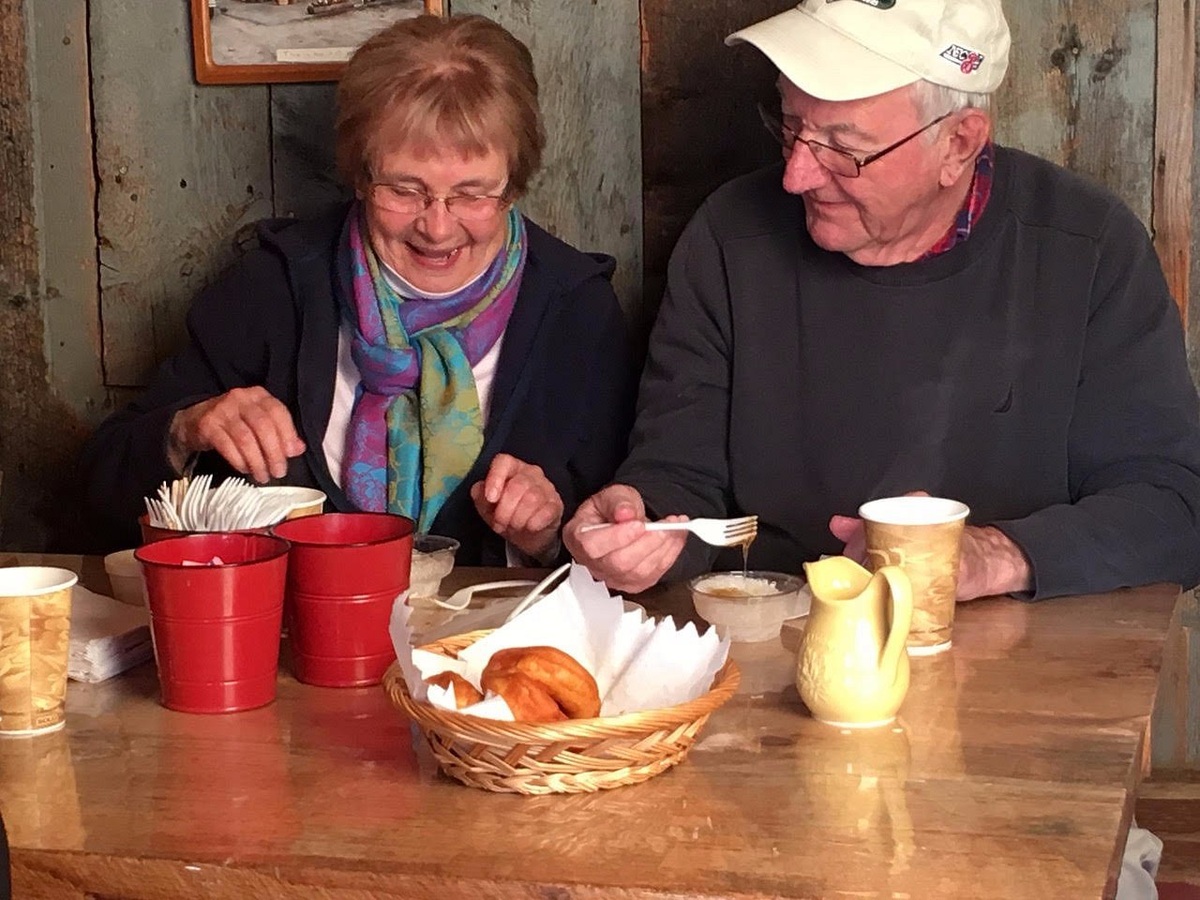
Best for: combining maple tasting with a Montpelier day out.
Morse Farm has enough variety to suit a mixed-age group: a sugarhouse, a woodshed theater, a maple trail, folk art, and a shop. Maple creemees are offered year-round, making this a useful fallback when your dates do not line up with sugaring. Its location at 1168 County Road also makes it practical to combine with time in Vermont’s capital.
In March, ask about sugar on snow. Hot syrup poured onto shaved ice becomes a chewy maple treat, traditionally accompanied here by a doughnut and pickle. The contrasting salty, sour bite is part of the fun, but check that the seasonal offering is available that day.
Before you go: consult Morse Farm’s current visitor page. Older guides may mention skiing; its former ski trails are permanently closed. For a maple visit, focus on the farm’s present attractions.
A guided option that actually visits Morse Farm
The Montpelier and Mad River Valley day tour sold through Expedia and Viator includes a roughly 45-minute Morse Farm stop for maple tasting. The broader excursion starts from Stowe and takes about seven hours, with other sightseeing stops; lunch is an additional purchase. This fits travelers who want a guided Vermont day, rather than those seeking a dedicated sugaring workshop.
Check the itinerary and available dates before booking. The listing does not promise live boiling, and Viator lists the tour as not wheelchair accessible. Its sightseeing schedule also changes seasonally.
5. Parker’s Maple Barn — Mason, New Hampshire
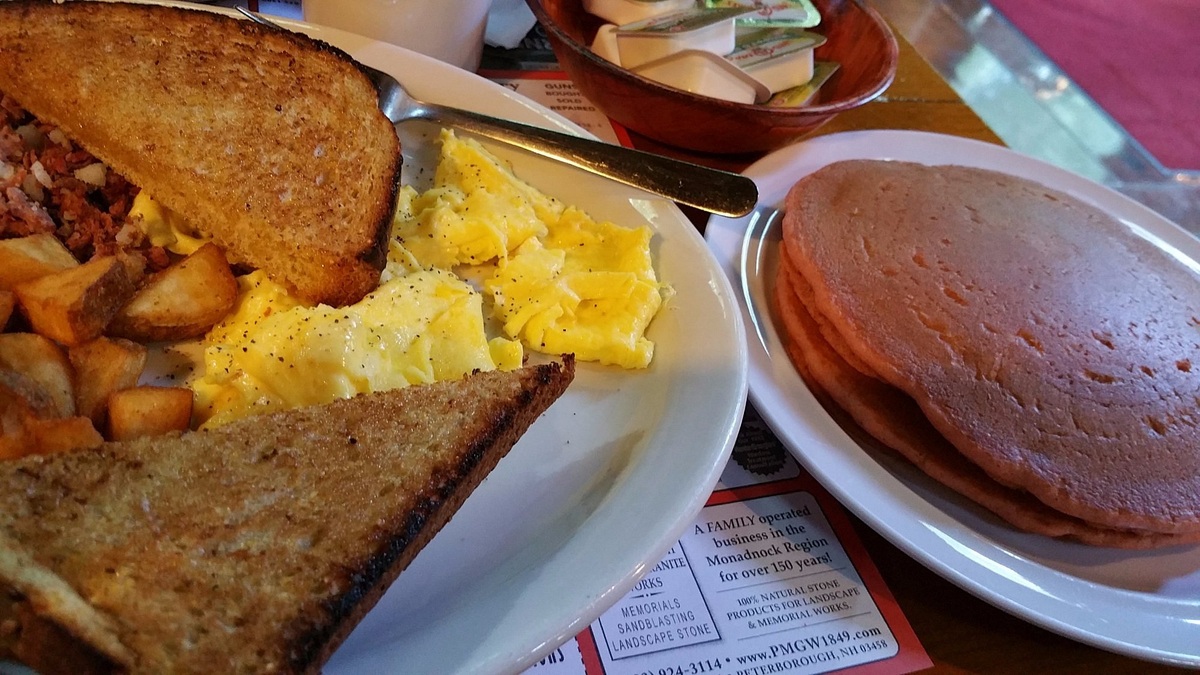
Best for: making breakfast the centerpiece of the trip.
Parker’s is a restaurant outing with a maple connection, so arrive hungry and allow the meal to set the pace. Pancakes are the obvious order, but the practical attraction is having a proper sit-down breakfast before looking into the sugaring side of the property. It suits people who want maple on the plate as much as maple-making explanations.
The sugarhouse normally offers tours in March, with boiling subject to conditions. That is a separate question from whether the restaurant is open. A breakfast reservation is not a solution to the queue: the restaurant operates first come, first served and does not accept reservations or call-ahead seating.
Before you go: check Parker’s current restaurant information and have your whole party present for seating. Avoid placing a timed activity immediately after breakfast on a busy maple-season weekend. For a group sugarhouse visit, arrange details directly rather than assuming the regular visitor format will accommodate everyone.
6. Fadden’s General Store and Maple Sugarhouse — North Woodstock, New Hampshire
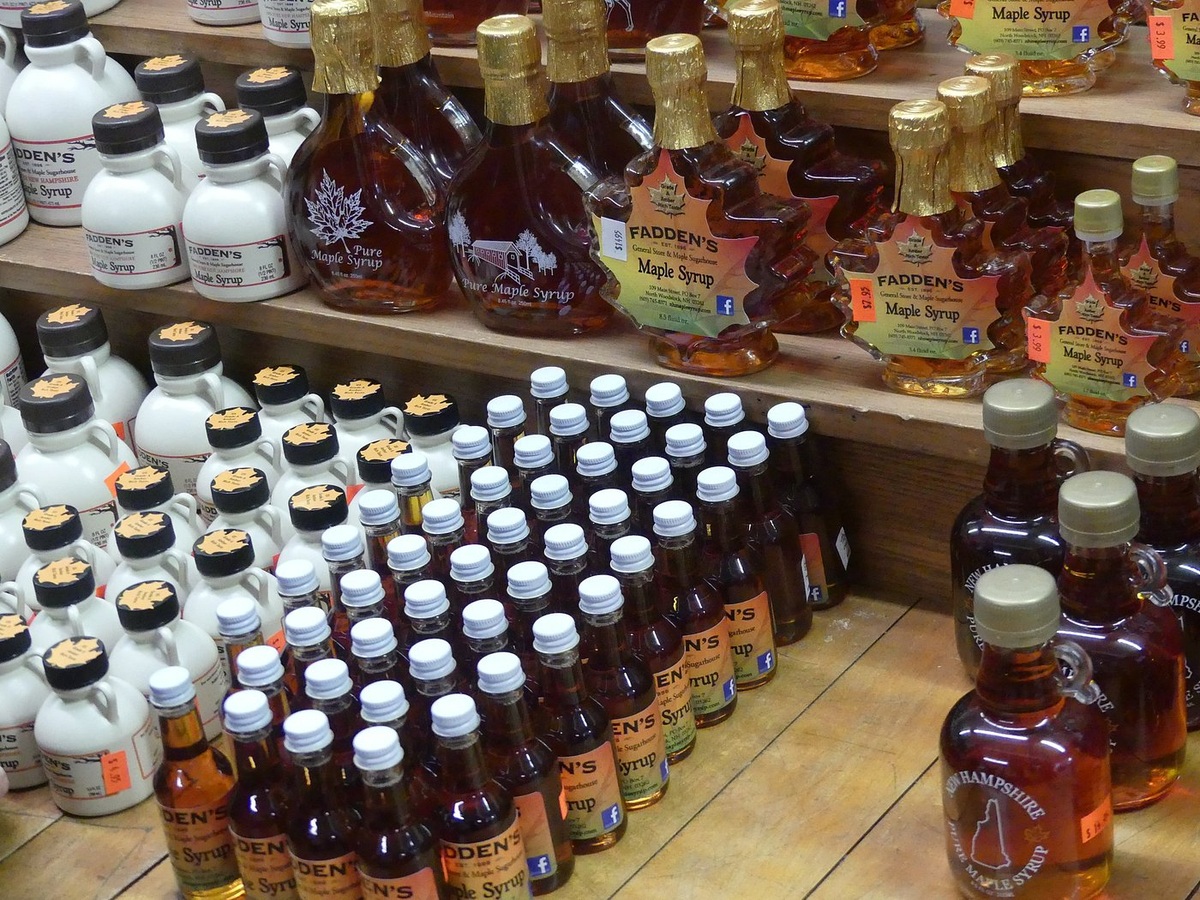
Best for: a compact maple stop during a White Mountains getaway.
Fadden’s combines a general store with a sugarhouse next door, so it offers a different rhythm from a rural farm tour. You can browse maple products at 109 Main Street without committing your whole afternoon. When the sugarhouse is boiling, watching production adds another layer to what would otherwise be a shopping stop.
The important distinction is access: the sugarhouse opens when boiling is underway, and groups can arrange visits. Do not translate the store’s opening hours into a standing promise of demonstrations. If seeing the evaporator is the point of your visit, call before leaving your accommodation.
Before you go: check Fadden’s official information for current arrangements and Maple Weekend announcements. It pairs well with a White Mountains stay, but keep the schedule flexible enough to return when the sugarhouse is active. Allow extra time only after you know a demonstration is happening.
7. The Rocks and the New Hampshire Maple Experience — Bethlehem, New Hampshire
Best for: families and curious adults who want a structured lesson.
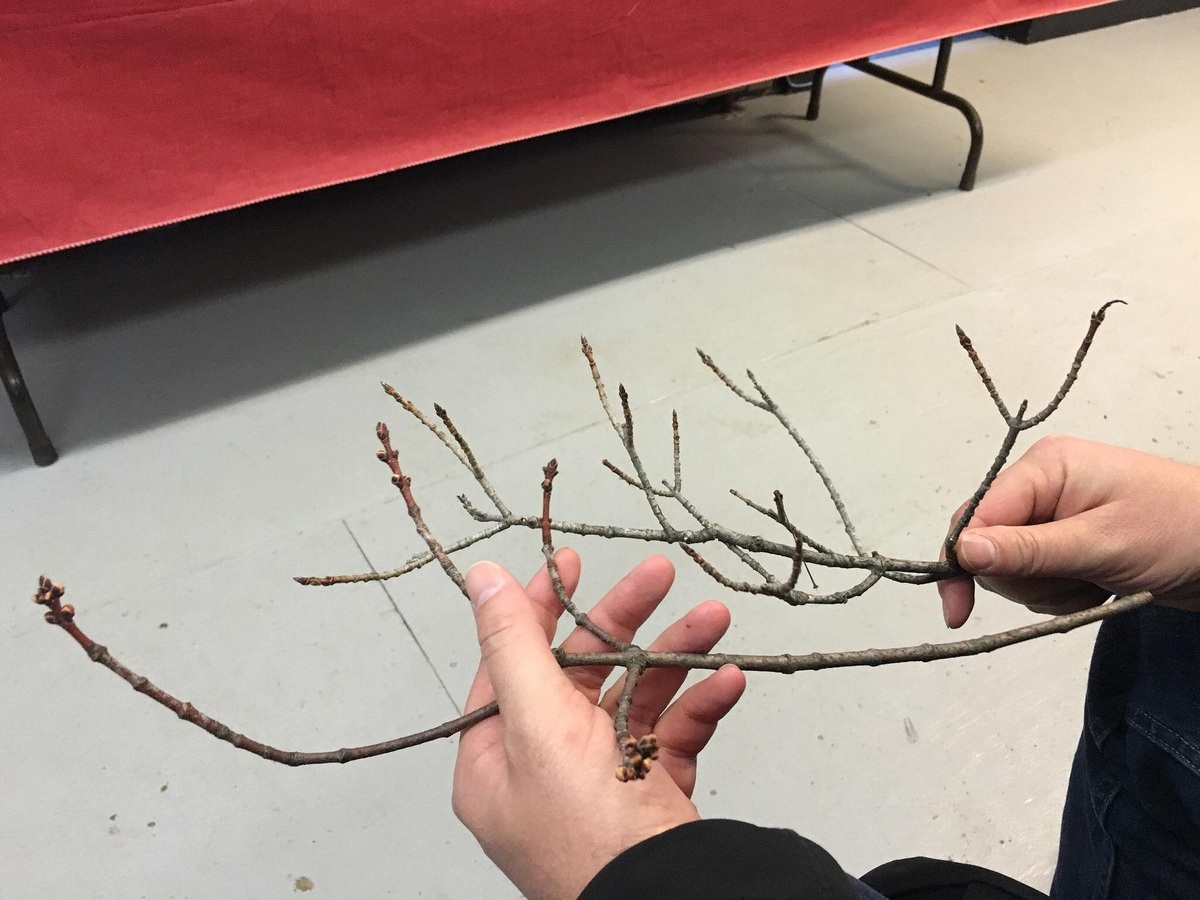
The Rocks is a Forest Society property where maple is part of a larger story about trees, land, and working forests. Its New Hampshire Maple Experience brings visitors into that story through guided interpretation and the maple museum and sugarhouse. This is the option to consider when identifying a maple tree sounds as interesting as tasting the syrup.
The 2026 spring program used scheduled, approximately two-hour visits with limited group sizes. Those details help explain the format, but they are not a confirmed 2027 timetable. Check the next season’s listing for duration, included activities, and whether any rides are part of your particular ticket.
Before you go: start at the New Hampshire Maple Experience website. Book a dated program when available rather than treating it as an anytime drop-in sugarhouse. If you are visiting outside the event season, ask about separately arranged educational tours.
8. Ioka Valley Farm — Hancock, Massachusetts
Best for: a Berkshires weekend built around farm breakfast and syrup.
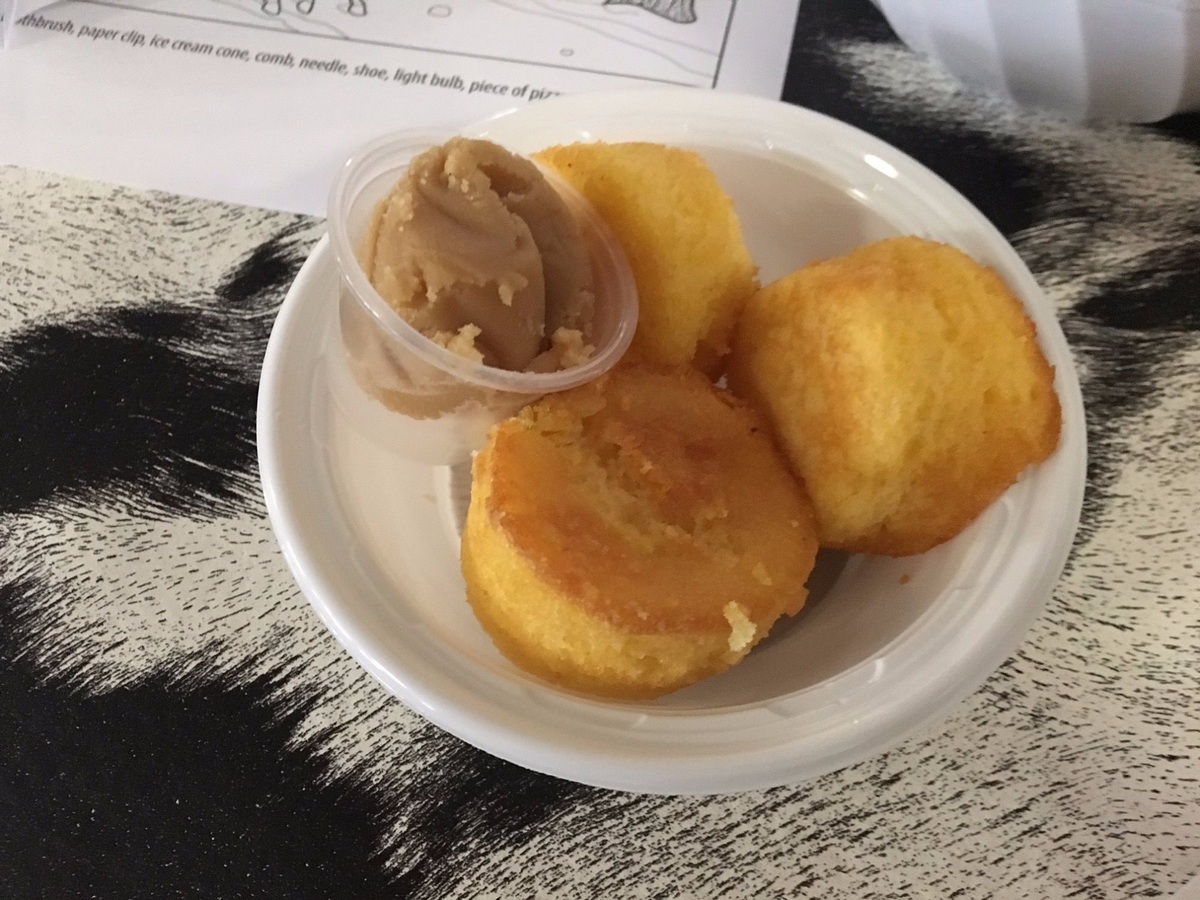
Ioka’s seasonal Calf-A breakfast gives a maple trip a comfortable, unhurried center: a farm meal first, followed by time learning about syrup production when tours are running. The farm’s maple operation is one part of a diversified working property, which makes it feel different from a standalone tasting shop.
The temptation is to fold the visit into an already busy Berkshires itinerary. Instead, leave a generous morning for breakfast and the sugarhouse, then choose one other outing. Meal service, tours, and the availability of particular treats can each follow different schedules.
Before you go: check Ioka Valley Farm’s announcements for the next Calf-A season and maple activities at 3475 Hancock Road. Its spring 2027 dates were not confirmed in the information reviewed. Syrup purchases outside event hours may need advance arrangements. The farm does not allow pets, so plan accordingly if traveling with a dog.
9. Williams Farm Sugarhouse — Deerfield, Massachusetts
Best for: a seasonal sugarhouse breakfast with a communal feel.
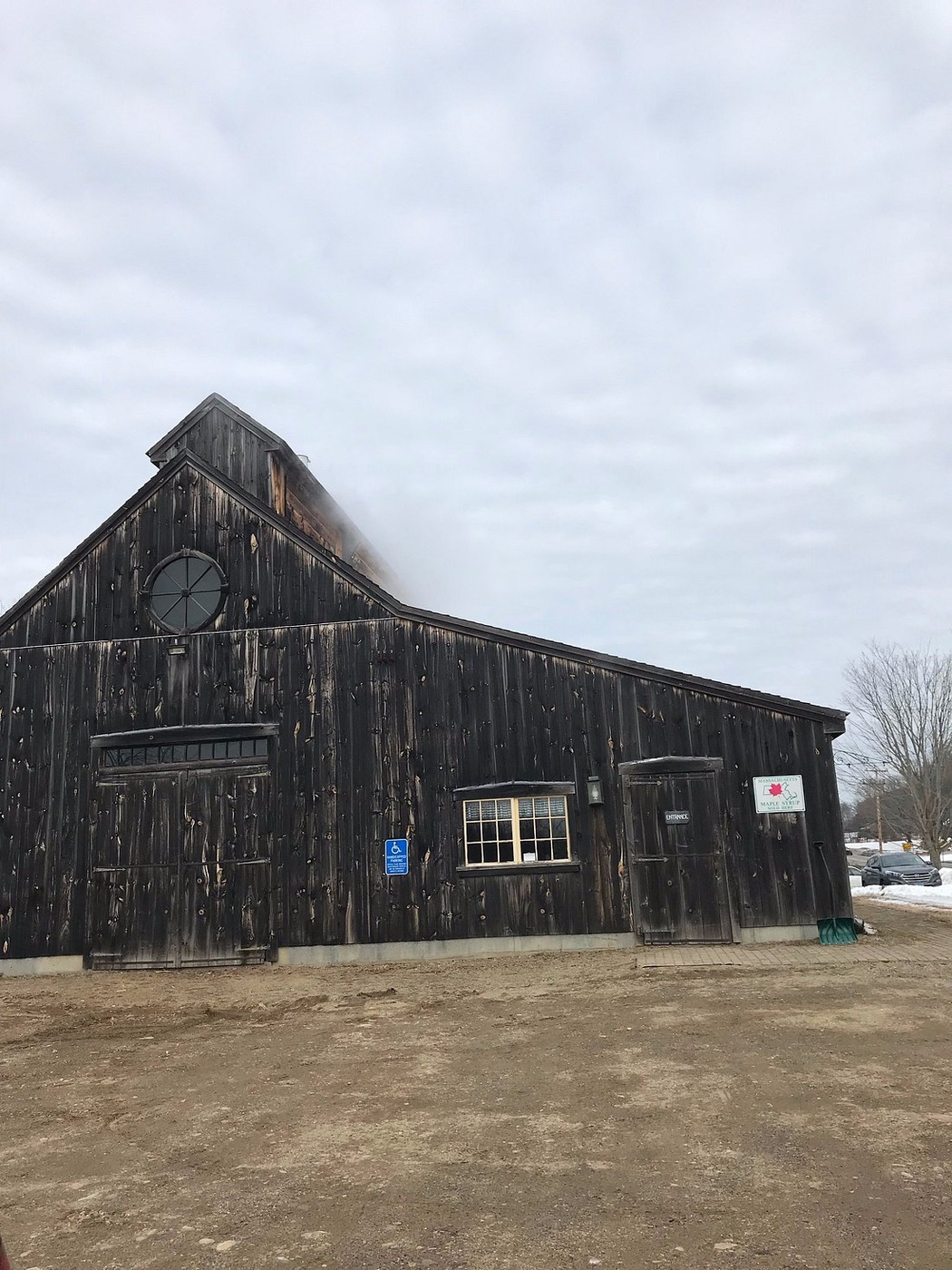
Williams makes the meal itself part of the outing. You order at the counter, receive a party number, and wait to be seated at picnic tables. The dining room is small, with nine tables and wood heat; sharing a table can be part of the experience. This is a place to settle into the pace rather than expect a quick restaurant turnaround.
The menu includes pancakes, waffles, French toast, and maple treats. Maple cream on an English muffin is worth considering if you want something different from syrup over pancakes. Order to suit your appetite instead of assuming every stop needs a full breakfast.
Before you go: check the restaurant’s seasonal schedule for 491 Greenfield Road. The posted 2026 season has ended; do not reuse those dates for 2027. No reservations are taken. The official site describes the restaurant as wheelchair accessible, but ask about any specific seating or assistance needs.
10. Harris Farm — Dayton, Maine

Best for: combining maple with a working dairy-farm stop.
Harris Farm sells its own maple syrup alongside farm products including milk. That makes it a sensible choice for travelers who enjoy seeing how several kinds of food come from one property. The store at 280 Buzzell Road provides a shopping option beyond the short sugaring season, while maple-weekend activities need their own schedule check.
Past maple celebrations have included sugarhouse demonstrations and maple treats. The doughnut pictured was photographed during the 2023 season; it shows the sort of food visitors have enjoyed, not a guaranteed menu for your travel date. Ask which food stands and farm activities will actually be operating.
Before you go: check Harris Farm’s current announcements before committing to a maple-weekend visit. If buying milk or other chilled products, bring a cooler and make this a later stop rather than leaving perishables in the car through a full day of sightseeing.
11. Merrifield Farm — Gorham, Maine
Best for: a maple celebration with more to do than a quick tasting.
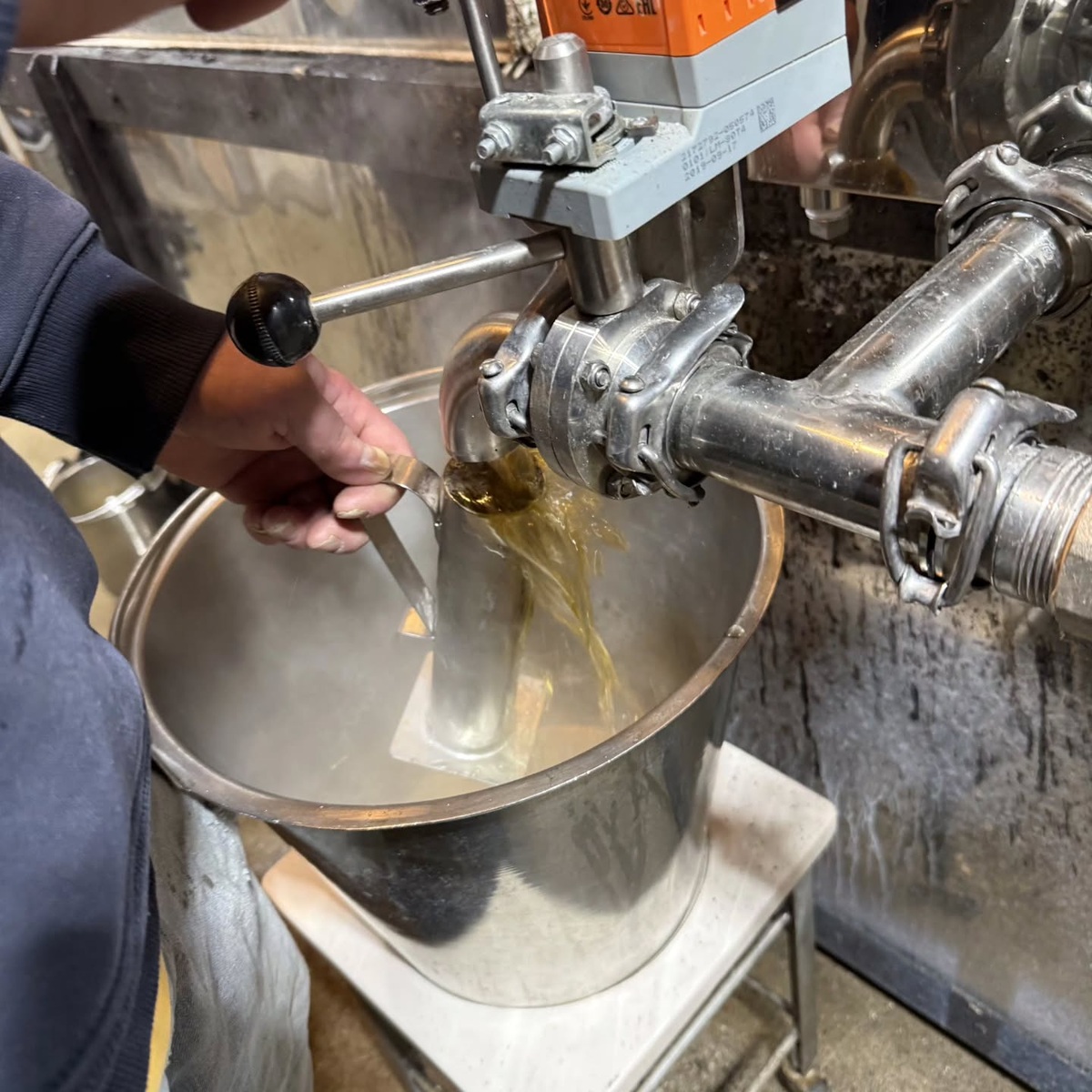
Merrifield’s maple weekends have combined syrup production with food, demonstrations, and family activities. Its 2026 program included an outdoor pancake breakfast, maple baked beans, a coffee shed, and a farm museum with a separate ticket. Those details show why this stop can fill a substantial part of the day; the next year’s menu and activities still need checking.
There is already a useful date to save: the farm’s own announcement names March 27–28, 2027. Treat that as the weekend to investigate, then confirm opening times, food service, and any ticketed extras when the full program appears.
Before you go: use 195 North Gorham Road in Gorham. The Real Maine farm listing notes that ordinary sales do not follow fixed visiting hours and school tours are arranged by appointment. A festival-style weekend and a quiet weekday purchase require different planning.
12. Lamothe’s Sugar House — Burlington, Connecticut
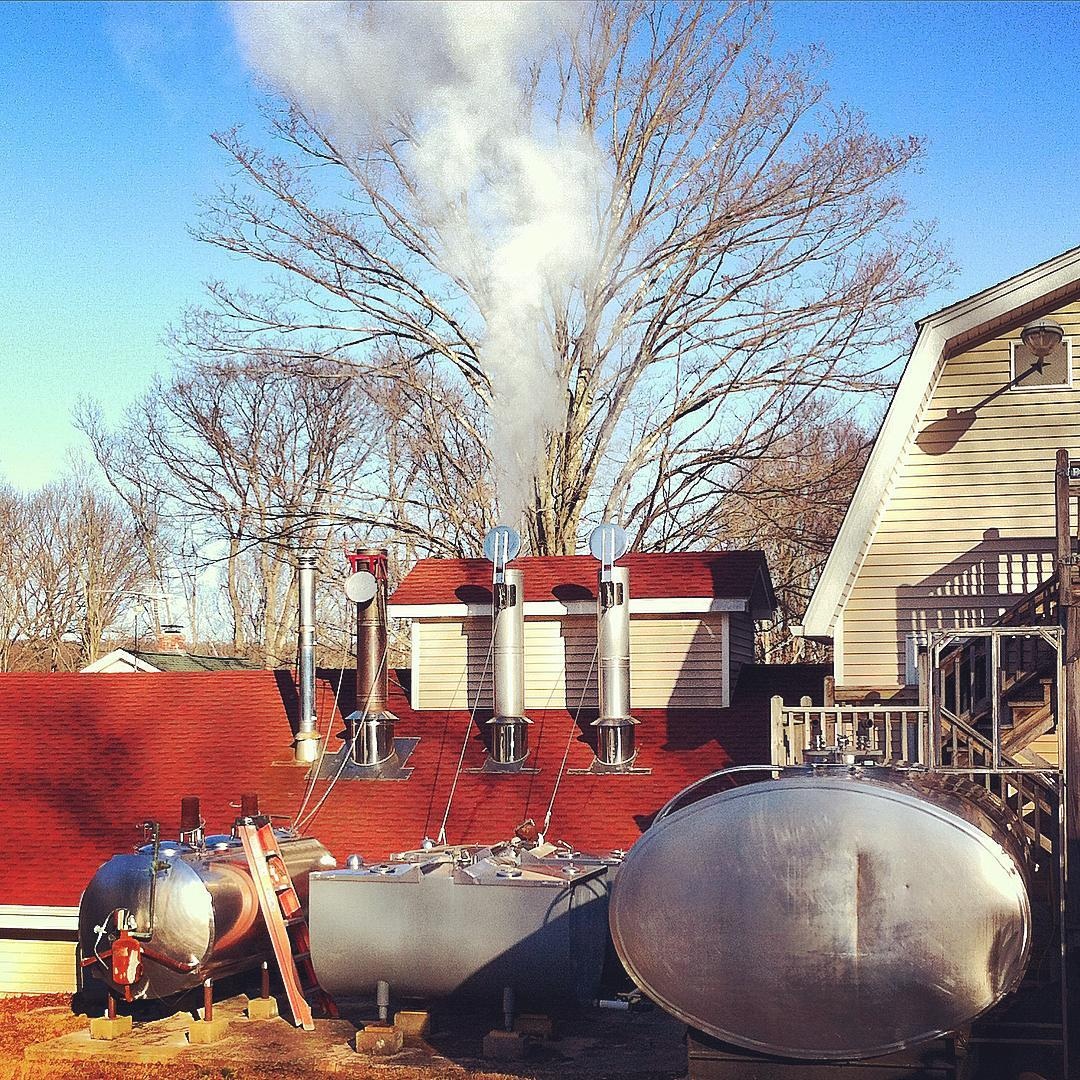
Best for: a shorter introduction to maple production in Connecticut.
Lamothe’s offers the kind of compact sugarhouse experience that can fit into a day out without dominating it. Connecticut’s tourism listing describes an approximately 30-minute tour with an explanation of syrup-making and tasting. The shop also gives you a chance to compare maple products and browse other locally made foods.
The key is choosing a day when tours are actually operating. The farm’s tour page still showed a 2025 timetable when reviewed, so its old weekend times should not become the basis of a spring 2027 itinerary. Ask about both the tour and expected boiling; one does not automatically guarantee the other.
Before you go: use the Connecticut tourism listing for Lamothe’s and confirm details directly for the property at 89 Stone Road. A short visit works well for first-time maple travelers, provided you have verified the current seasonal arrangements.
13. Coggeshall Farm Museum — Bristol, Rhode Island
Best for: understanding sugaring as part of farm history.
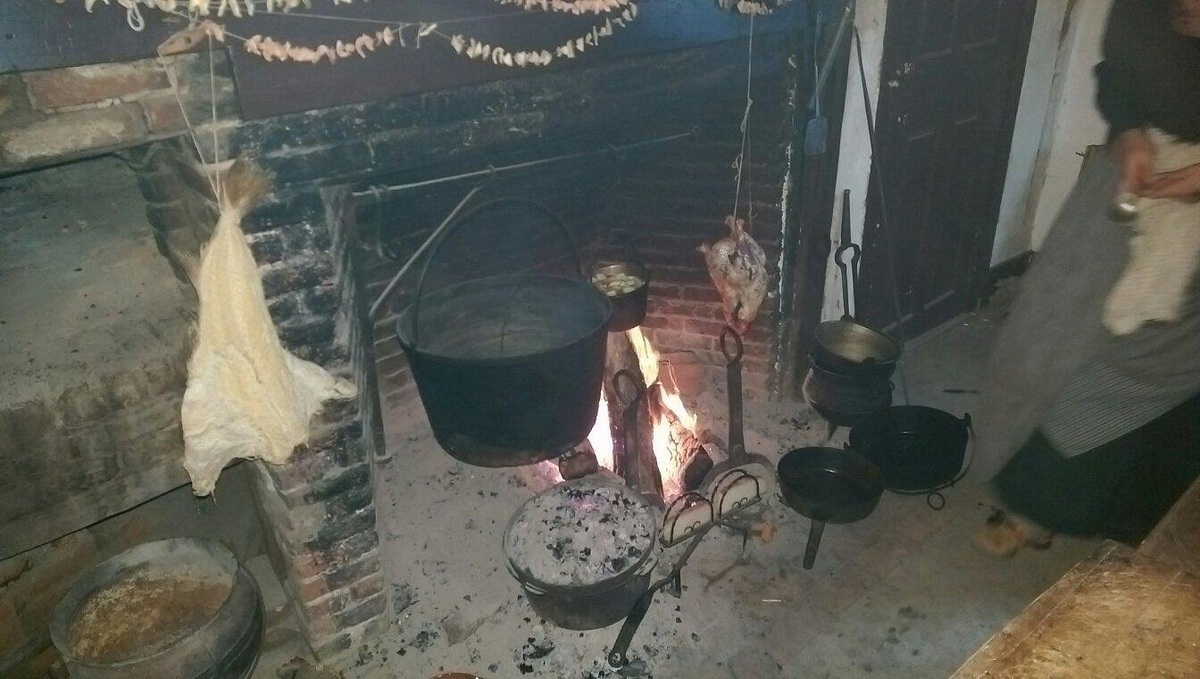
Coggeshall is a living-history farm museum, so come for interpretation rather than a conventional syrup factory tour. Its maple-sugaring program has demonstrated tasks such as making wooden spiles, tapping trees, collecting sap, and boiling it down, connecting maple to the work and trade of an earlier farming community.
That historical emphasis makes a useful contrast to modern sugarhouses with tubing and reverse-osmosis equipment. The hearth-cooking photograph above illustrates the museum’s broader historical food setting; it is not a photograph of a maple demonstration.
Before you go: check the museum’s maple-sugaring event page for the next announced dates, admission, and activities. The page reviewed described a March 2026 event, not a standing daily program or confirmed 2027 dates. Wear boots suited to wet farm ground, and leave room in the day to explore Bristol afterward.
What a maple visit costs—and what “free” includes
Sugarbush, Baird’s public tour, and Silloway offer free visitor experiences, but that does not make breakfast, sweets, or take-home syrup free. The Rocks’ seasonal program and Coggeshall’s special event require checking current admission arrangements. At Merrifield, past programs have charged separately for the museum. Compare the complete outing—admission, food, and any optional activities—rather than treating every farm as the same kind of attraction.
For a relaxed half-day, choose one main experience and one optional shop stop. If the evaporator will be quiet, decide whether the available tasting, video, or guided explanation still meets your expectations. A phone call can save a long drive made solely to watch boiling.
Build a weekend around one region
Central Vermont: choose Woodstock and Sugarbush for one day, then a reserved Baird tour for another, or concentrate farther north on Silloway and Morse. All four deserve time; adding them to a single short day would turn tastings into deadlines.
The White Mountains: make a booked program at The Rocks the fixed point, with Fadden’s as the flexible store or boiling stop. Parker’s is in southern New Hampshire and belongs on a different outing, not as an assumed nearby breakfast.
Western Massachusetts: Ioka suits a Berkshires base; Williams fits a Deerfield-area visit. Pick one as your main breakfast, or spread them over two days. There is little reason to queue for two large pancake meals in the same morning.
Southern Maine: use the Portland area as a base for Harris in Dayton and Merrifield in Gorham. Confirm each farm’s event days before deciding the order, and allow time for food queues and parking. A festival morning at one and a shorter visit to the other is more realistic than expecting two identical schedules.
Connecticut or coastal Rhode Island: Lamothe’s and Coggeshall are separate day-trip choices. Select the one whose confirmed program fits your dates rather than forcing both into a cross-state drive.
What to taste and what to take home
Modern maple labels distinguish four color-and-flavor classes: Golden/Delicate, Amber/Rich, Dark/Robust, and Very Dark/Strong. Darker syrup is not automatically better or worse. Taste lighter syrup first, then move toward stronger flavors so you can compare them more easily.
Tell the producer how you will use your purchase. A subtle syrup may suit a breakfast you do not want to overwhelm; a stronger one may be the flavor you want to carry through baking. Buy the one you enjoy rather than the one that sounds most prestigious.
Plain maple cream is a spread made from maple syrup, despite its name. Flavored products and sweets can contain other ingredients, so read labels and ask about allergens. Refrigerate syrup after opening, and choose a bottle size you will realistically use. If you are taking cheese, milk, or ice cream along the route, plan proper cold storage separately.
A few details that make the day easier
- Call with a specific question: “Will you be boiling while we are there?” is more useful than “Are you open?” Also ask whether the shop, tour, and breakfast share the same hours.
- Book the activity that needs a reservation: Baird’s free public tour still requires advance booking; The Rocks uses a scheduled program. A free experience can have limited capacity.
- Dress for the ground: waterproof boots, layers, and spare footwear for the car are more useful than spring shoes. A mild afternoon does not mean a dry sugarbush.
- Ask about access precisely: check parking surfaces, slopes, doorways, toilets, seating, and how much of the tour goes outdoors. “Farm shop accessible” does not establish that a woodland walk is suitable.
- Leave breathing room: a short tasting may turn into a conversation with the producer. Keep one scheduled experience and one flexible stop as the core of the day.