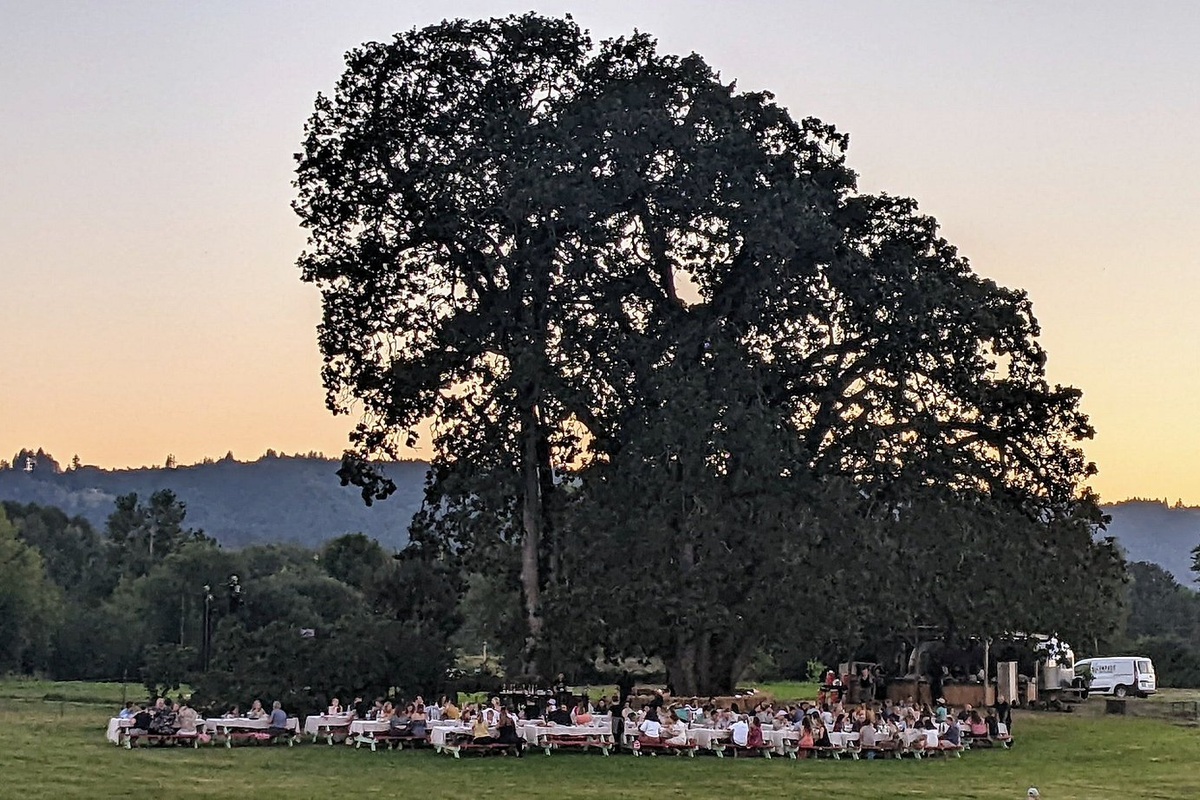
Image credit: Dexter M / Tripadvisor
This article contains affiliate links. We may earn a commission if you book through them, at no extra cost to you.
A farm dinner can set the pace for an Oregon trip: a long table, a menu decided by the harvest, and an evening with nowhere else you need to be. But getting a seat takes a little more planning than finding a restaurant on a map.
Some Oregon farm-to-table experiences happen only on ticketed dates. Others are cooking classes, olive-oil tastings, or seasonal lunches beside a working vegetable farm. A farm shop may welcome visitors when its dinner calendar is empty; a winery may serve food without operating a full restaurant.
These 13 experiences cover Portland and its surrounding farms, the Willamette Valley, Hood River, and Central Oregon. Choose a region first, then build your plans around one meal or class you particularly want to book. You do not need to string all 13 into one road trip.
Planning note: Details were checked in October 2026. Prices below are published examples, not quotes for every future date. Recheck the operator’s calendar, inclusions, and dietary policy before paying.
Choose the experience that fits your trip
| Experience | Area | Best reason to go | Planning priority |
|---|---|---|---|
| Topaz Farm | Sauvie Island | Communal farm dinner | Adults only; preset menu |
| The Kitchen at Middleground Farms | Wilsonville | Cooking class followed by a meal | Choose the class and age group |
| Our Table Cooperative | Sherwood | Seasonal pizza night on a cooperative farm | Monthly dates; reserve ahead |
| Side Yard Farm & Kitchen | Northeast Portland | Seed-to-plate urban farm event | Event calendar, not walk-in service |
| Field & Vine | Rotating Oregon venues | Several courses with local wine | Check the actual host address |
| Durant at Red Ridge Farms | Dayton | Olive-oil tasting and mill visit | Free tasting bar versus booked tour |
| TMK Creamery | Canby | Dairy-farm visit with cheese and ice cream | Public opening versus group tour |
| JORY | Newberg | Restaurant dinner connected to a chef’s garden | Reserve your preferred dining format |
| Gathering Together Farm | Philomath | Lunch at a working vegetable farm | Seasonal lunch hours; no dinner |
| The Ground Market | Carlton | Casual farm-sourced café meal | Use the Carlton address and pizza hours |
| King Estate | Near Eugene | Wine and food in an estate setting | Tasting room, not the former restaurant |
| Rainshadow Organics | Near Sisters and Terrebonne | Ticketed dinner or brunch on the farm | Book a specific event |
| Hood River Fruit Loop | Hood River Valley | Orchards, farm stands, and picnic provisions | Match stops to the harvest |
1. Topaz Farm: make the dinner your evening’s main event
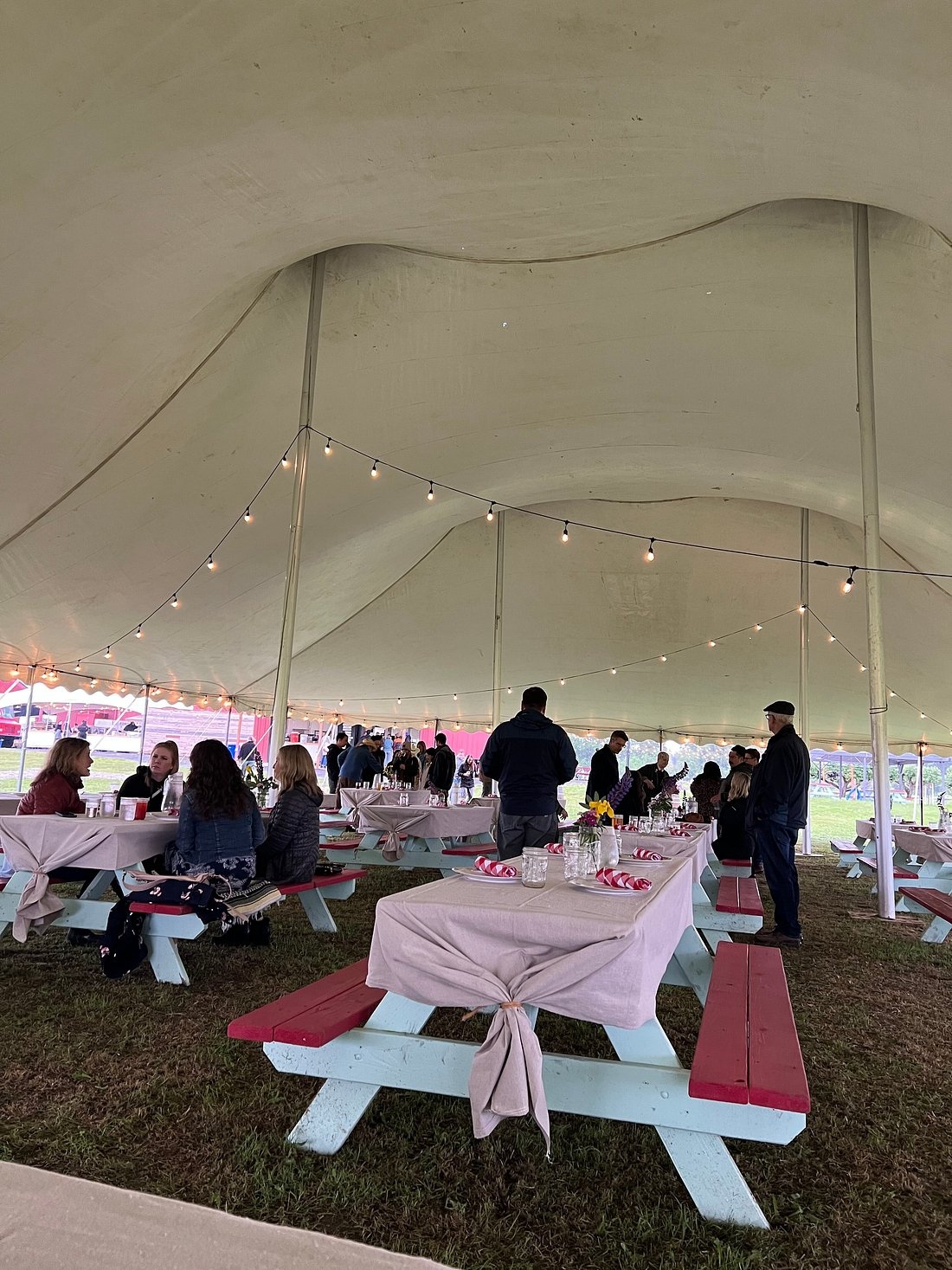
Where: Sauvie Island, northwest of Portland. Choose it for: a social evening at a shared farm table.
Topaz’s Farm to Plate dinners bring guests together over seasonal food prepared by farm chefs Christian and Janelle Ephrem. Courses arrive family style, and the menu follows what is ready to harvest. That makes the experience particularly appealing if you enjoy letting someone else decide dinner.
The trade-off is limited menu flexibility. Topaz’s current dinner policy is adults only and does not accommodate dietary restrictions or vegetarian and vegan substitutions. Read the Farm to Plate ticket terms before choosing a date. A vegetable-growing farm does not automatically mean a vegetarian dinner.
Order seats for your party together if you want to sit together. Allow roughly two hours for dinner, plus arrival time, and wear shoes suitable for farm ground. The dinners can use weather cover, so pack a warm layer instead of assuming a summer-style outdoor setup. If the calendar shows only pickup meals or past dinners, wait for a new seated-dinner release rather than treating those listings as reservations.
2. The Kitchen at Middleground Farms: cook before you sit down
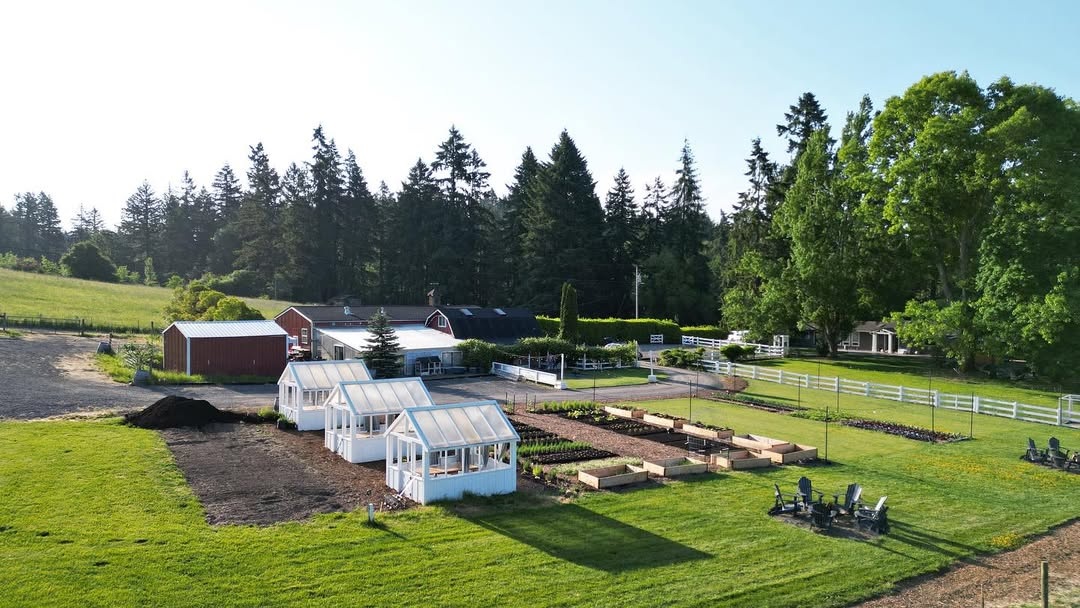
Where: Wilsonville. Choose it for: an activity that includes a meal and something useful to take home.
At Middleground Farms, a former cattle barn has become a teaching kitchen surrounded by a kitchen garden and farm life. The farm grows ingredients and also works with nearby producers; the appeal is the connection between growing and cooking, rather than a claim that every ingredient comes from one property.
Most cooking classes last two to three hours and finish with a family-style meal. Recipes and a welcome beverage are included, with additional drinks available to purchase. You can participate actively or take a lighter role, which helps when traveling with someone who enjoys food more than knife work.
Choose by subject as well as date: a skills class, seasonal menu, and plant-based class offer different evenings. Families should book a designated family or children’s session rather than assume an adult class admits young children. The program lists separate options for ages 8–12 and 13–17. Ask about ingredient restrictions before booking, even when the class title sounds suitable.
3. Our Table Cooperative: save a seasonal pizza night
Where: Sherwood. Choose it for: a more casual farm meal with children or friends.
Our Table is a cooperative of farmers, producers, and consumers with a farm store and scheduled food events. Its pizza nights are a useful alternative to a formal tasting menu: an all-you-can-eat spread of pizza, salads, sides, and dessert gives a group more room to find something it likes.
The 2026 pizza-night page lists monthly Friday events, not weekly service. Published pricing is $35 for adults and $15 for children ages 2–10, with children under 2 free. Seats require advance payment; limited walk-in space is not a dependable dinner plan. The final advertised 2026 pizza night was October 9, so later travelers need the next season’s dates or another scheduled event.
There is also an important distinction between gluten-free pizza and an allergy-safe kitchen: Our Table says pizza shares preparation space and an oven and is unsuitable for guests with celiac disease or wheat allergies. Confirm other requirements directly. If dinner dates miss your trip, the farm store offers a separate way to support the cooperative; check its opening times before driving out.
4. Side Yard Farm & Kitchen: find an urban farm gathering
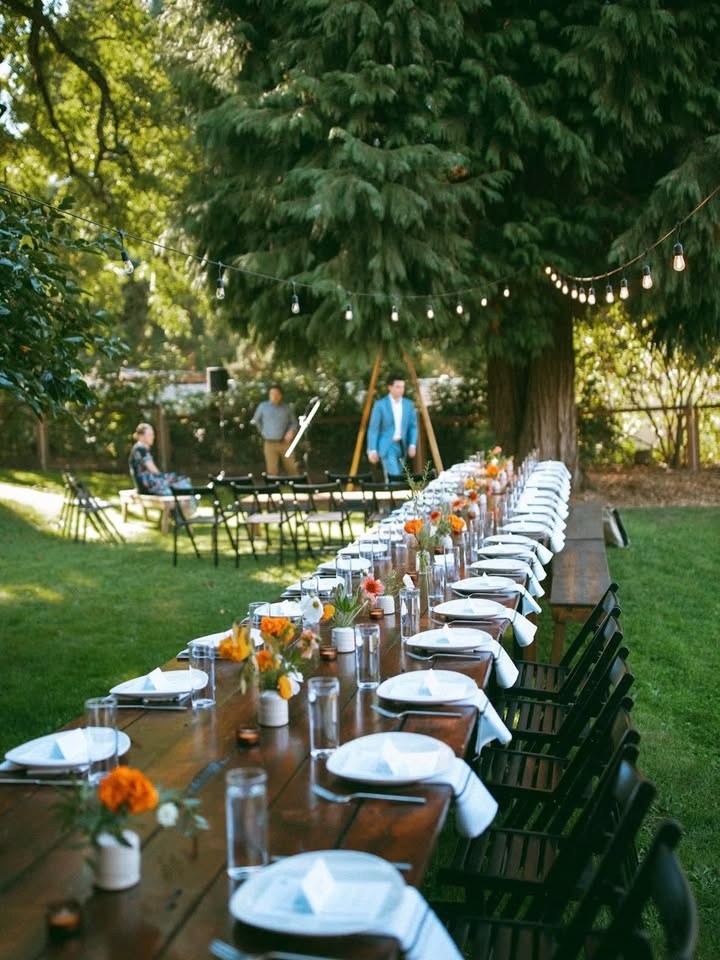
Where: Portland’s Cully neighborhood. Choose it for: a farm experience without leaving the city for wine country.
Farmer and chef Stacey Givens founded Side Yard in 2009. Its seed-to-plate approach connects an urban growing space with meals, workshops, and community events. Whole-plant cooking is part of that approach, giving the kitchen a reason to use more than the most familiar parts of a vegetable.
Start with Side Yard’s current event information and choose a dated brunch, dinner, or workshop that fits your visit. This is not a restaurant where you should arrive expecting daily lunch service. The format matters: a workshop may involve participation, while a communal dinner is built around eating and conversation.
Check the venue on the individual listing, too. Side Yard also has a Rogue Valley presence, so an appealing photograph or event name alone does not confirm a Portland address. Ask about seating, dietary needs, and the weather plan for your specific gathering. It is a strong choice when you want the story behind the ingredients to be part of the evening.
5. Field & Vine: follow the dinner to an Oregon farm or vineyard
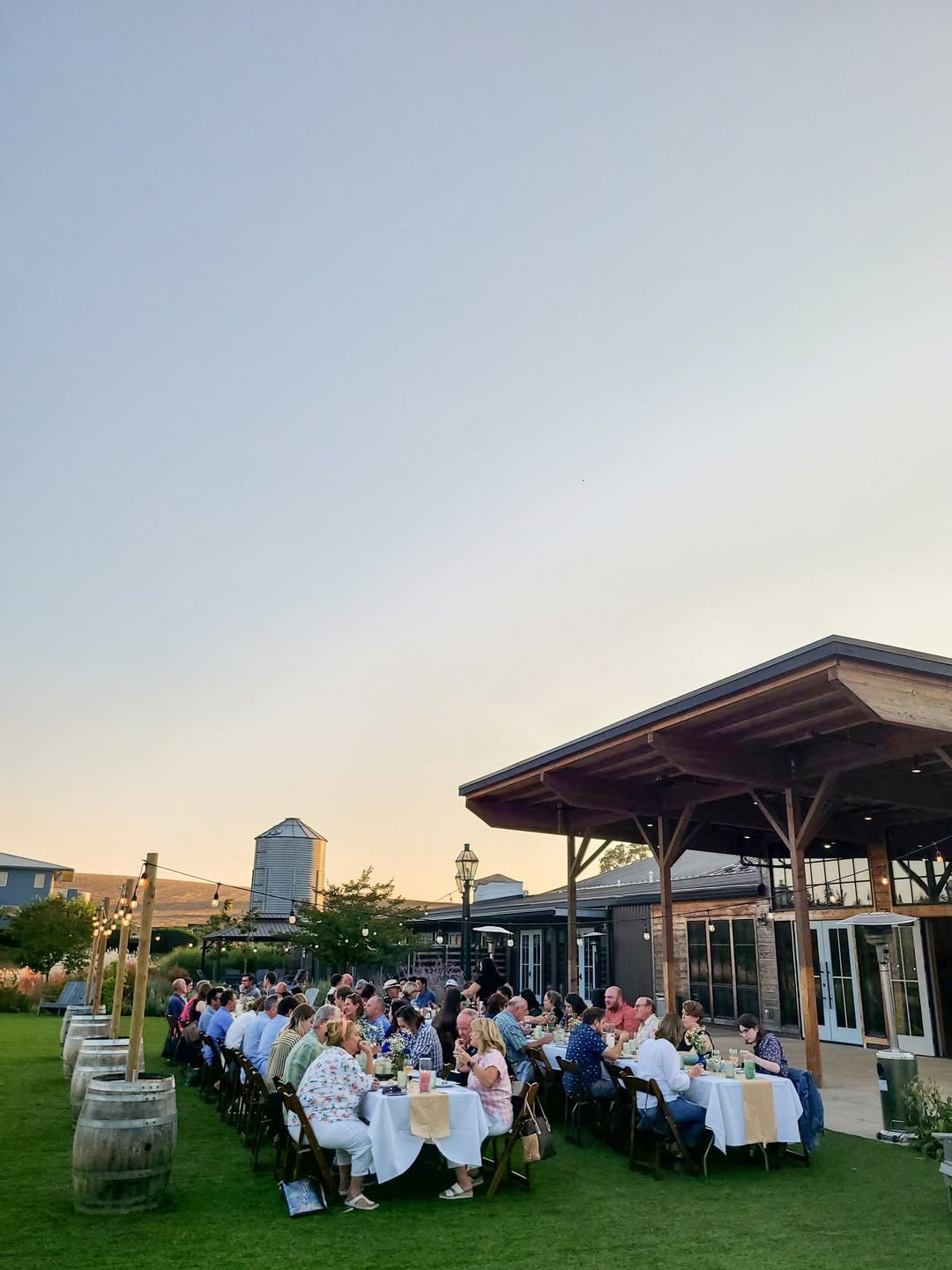
Where: rotating host venues. Choose it for: a wine-country evening built around a complete meal.
Field & Vine’s Dinners in the Field pair several family-style courses with wine at farms and vineyards. The ingredients draw from the host and surrounding farms, so changing the venue changes more than the backdrop.
The dinner calendar is the starting point, but read the individual event before buying. For example, the Abbey Road Farm dinner on October 24, 2026 lists seven courses for $150 per person, including food, beverages, gratuity, and fees. That is a useful cost comparison with a restaurant where drinks and service may be additional.
Menus are preset, and the Abbey Road listing limits guaranteed accommodations to a vegetarian main course and nut allergies; clarify the exact handling of any allergy before payment. Tickets have restrictive refund and transfer terms. Winter and early-spring events may move into a barn, tent, or covered area. Finally, check the state: the wider series also includes Washington venues, which should not be mistaken for an Oregon stop.
6. Durant at Red Ridge Farms: taste olive oil where it is milled
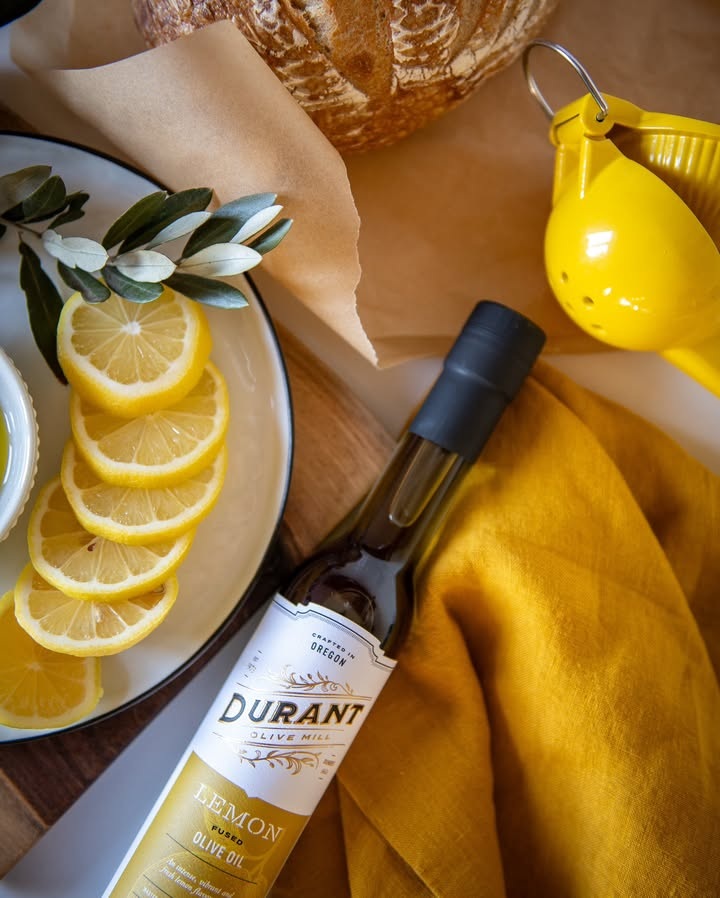
Where: Dayton, in the Dundee Hills. Choose it for: a food-focused wine-country stop that can work without a wine flight.
Durant offers several distinct ways to understand olive oil. The Farm Shop’s self-serve oil and vinegar tasting bar is complimentary, requires no reservation, and is currently advertised daily from 10 a.m. to 5 p.m. It is the simplest option if you want a flexible stop and a bottle to bring home.
For more explanation, the booked Official Blue Glass Tasting includes a guided tasting plus a visit to the olive mill and adjoining grove. The Estate Educational Experience combines wine, olive oil, and savory and sweet small plates. These are separate offerings on the Durant experiences page; choose the one that matches your appetite and interests.
A tasting bar is not a full lunch, and the Farm Shop and wine tasting room have different hours. Budget for a meal elsewhere unless your reservation explicitly includes enough food. If you want to see active milling, ask about harvest timing rather than assume machines operate on every tour. Durant describes its oils as estate-milled; that does not mean every olive in every bottle was grown on the property.
7. TMK Creamery: connect the cows with the cheese
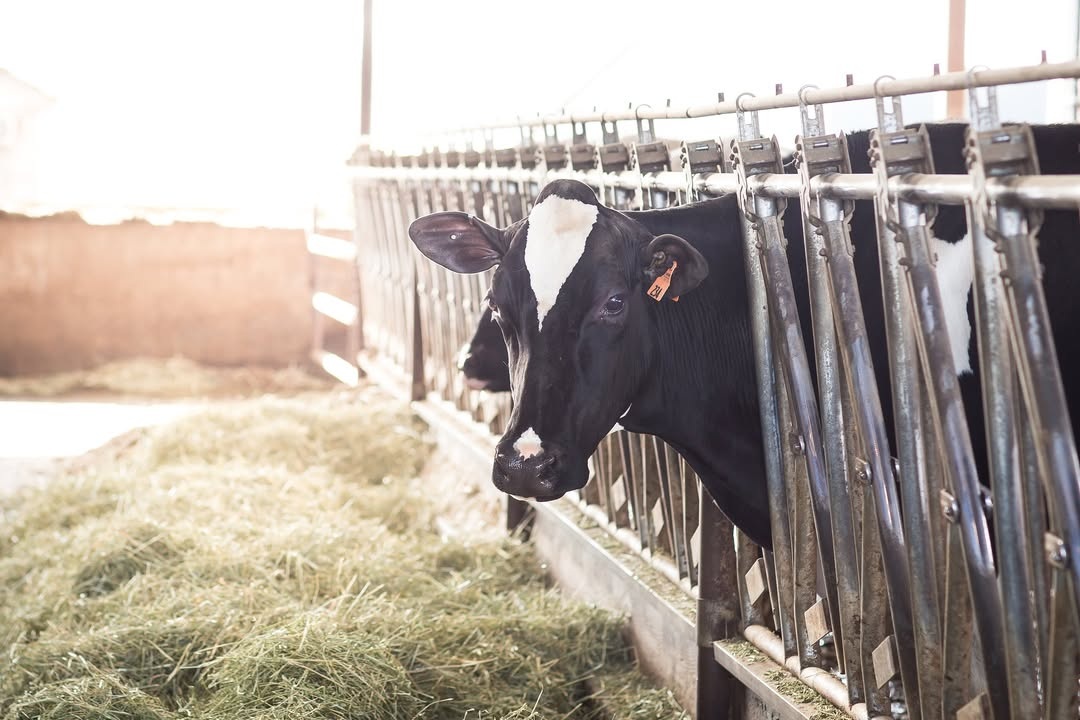
Where: Canby. Choose it for: a dairy-farm visit with food that is easy to enjoy casually.
TMK brings dairy farming, cheese, ice cream, and a distillery together in one place. Its food truck menu includes fried cheddar curds, grilled cheese, and burgers, while soft serve and milkshakes make an easy finishing stop. Check public opening dates before setting off; a working farm is not necessarily open to visitors every day.
If milking a cow is the main reason you want to visit, book a dated Milking with Marc experience. Do not assume buying a snack includes a behind-the-scenes tour. The Premium Cowlebrity Tour is a separate group offering that includes meeting cows, cheese samples, the distillery, and milking. Its advertised $35-per-guest price comes with a $350 minimum and is aimed at groups of 10–40.
That minimum changes the calculation for a couple or small family: look for a public activity rather than dividing the per-person headline price by your party size. Wear washable shoes for animal areas, and leave room in a cooler if you plan to buy dairy products for the road.
8. JORY: pair dinner with a chef’s-garden visit
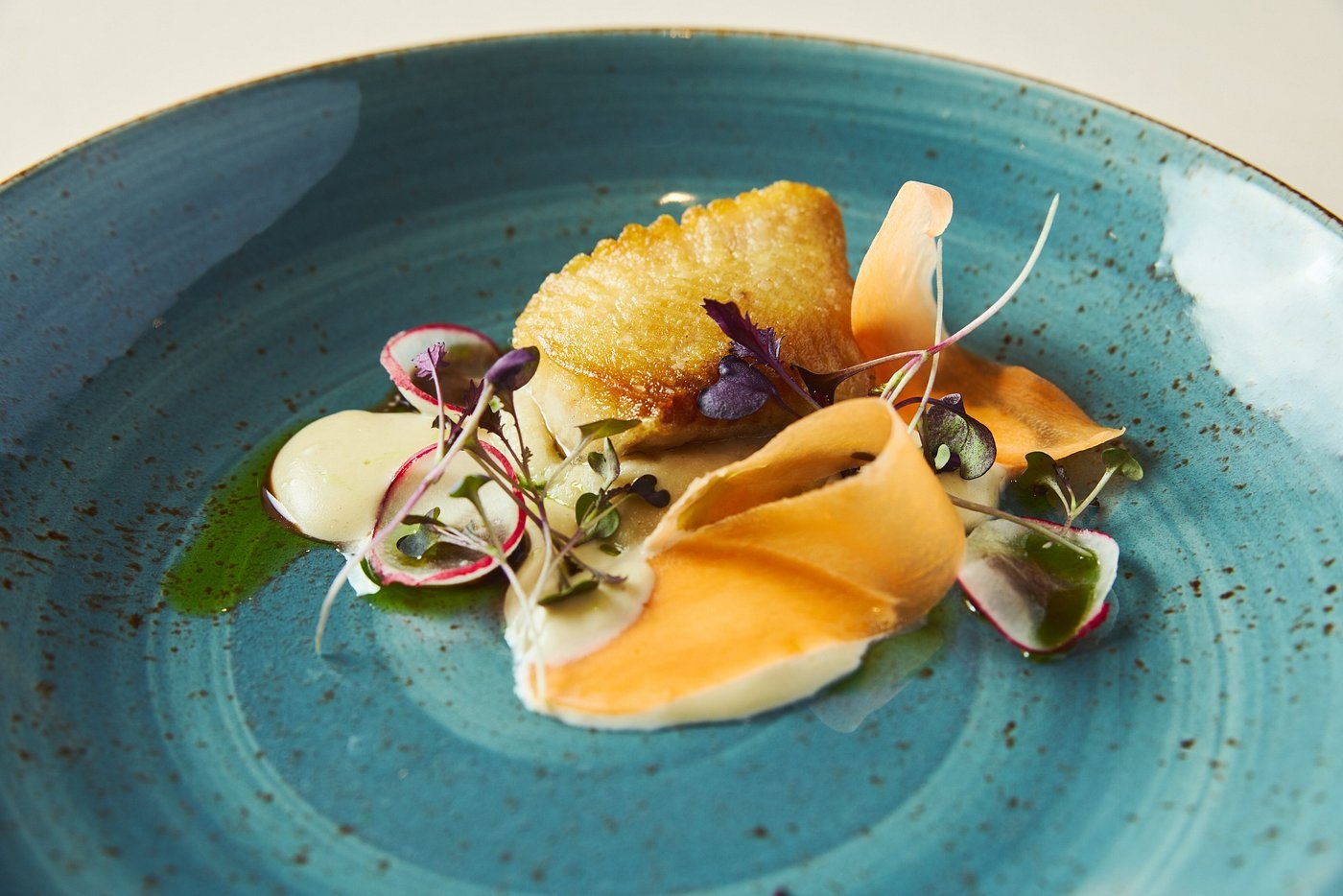
Where: The Allison Inn & Spa, Newberg. Choose it for: a comfortable restaurant meal with a visible growing connection.
JORY is useful when you want farm-driven dining with the predictability of an established restaurant reservation. Its on-site chef’s garden covers 1.5 acres and supplies vegetables, herbs, and flowers, with a greenhouse extending what the kitchen can grow.
The chef’s-garden information welcomes guests to stroll. Leave a little daylight before dinner for that visit, while checking access if you have mobility requirements or want a guided explanation. A garden stroll and an organized farm tour are different experiences.
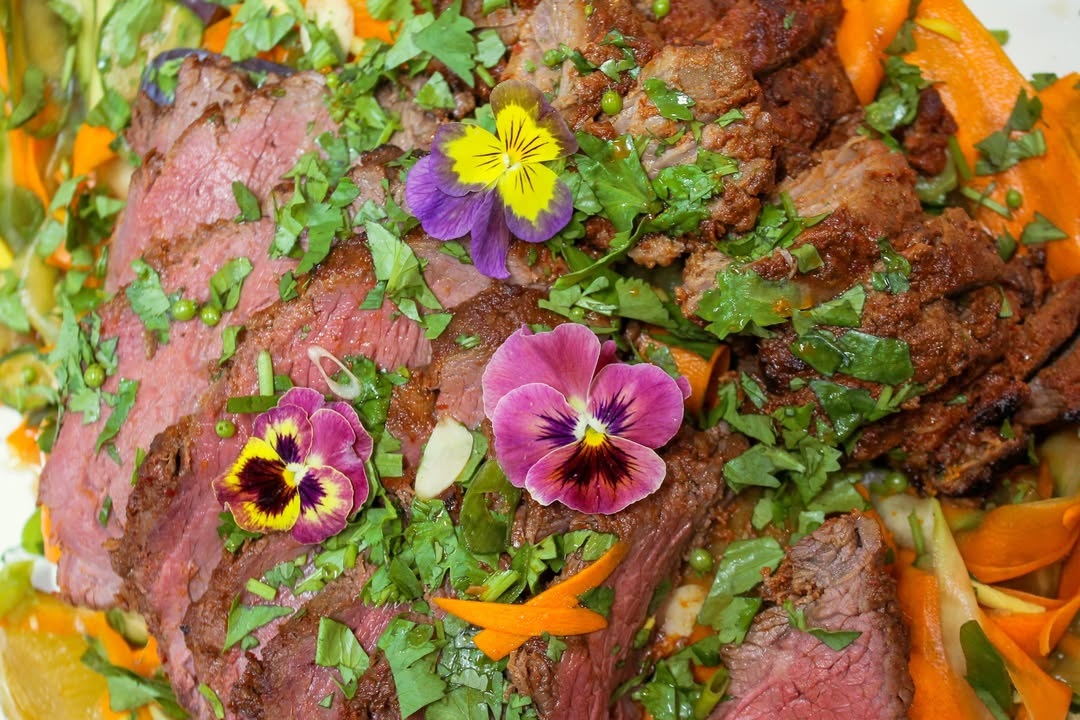
JORY’s dining options include à la carte dinner and five- or seven-course tasting menus, with optional wine pairings. Choose à la carte if your group wants different amounts of food or a shorter commitment. A tasting menu suits an evening when dinner itself is the plan. Confirm current menus and dietary arrangements in advance; the pictured dish illustrates the kitchen’s style rather than a promise that it will be served on your date.
9. Gathering Together Farm: plan around a seasonal lunch
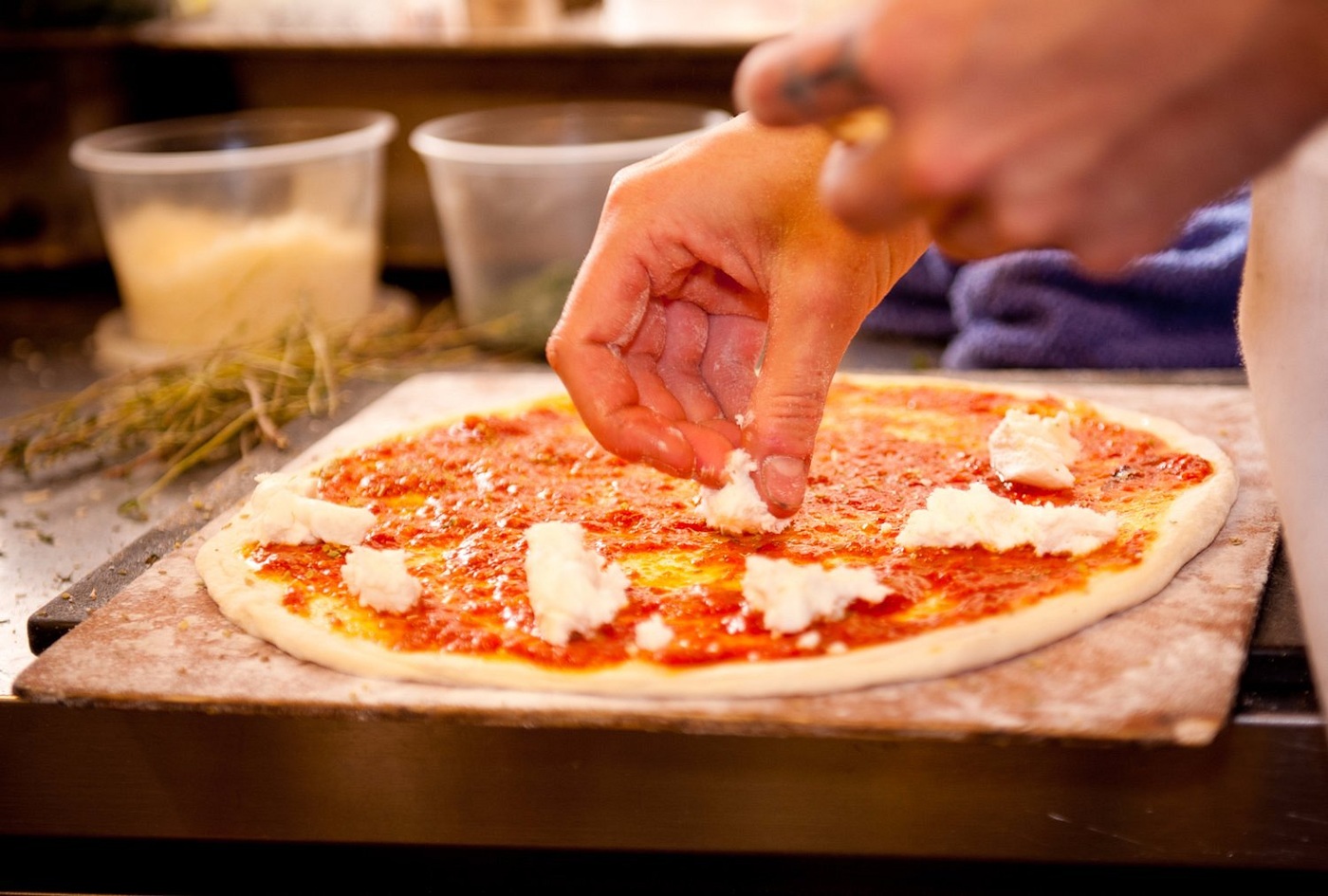
Where: Philomath, near Corvallis. Choose it for: a meal close to a working organic vegetable farm.
Gathering Together Farm gives you a particularly direct connection between fields, farm stand, and kitchen. The small restaurant makes bread and pasta and serves a changing menu that includes wood-fired pizza. Go with room for lunch and time to browse produce afterward.
Use the farm’s restaurant page rather than older reviews when planning. Current service is Wednesday–Saturday, 11 a.m.–3 p.m., with no dinner. The restaurant does not take ordinary reservations; parties of eight or more should call ahead. The farm stand has its own hours, so an open shop does not mean the kitchen is still serving.
The advertised final restaurant day for 2026 is November 21, subject to an earlier weather-related closure. Outside the operating season, do not detour here expecting lunch. During the season, arrive well before the last serving time and keep the rest of your afternoon flexible: this is a small dining room, not a guaranteed quick stop between appointments.
10. The Ground Market in Carlton: keep one meal casual
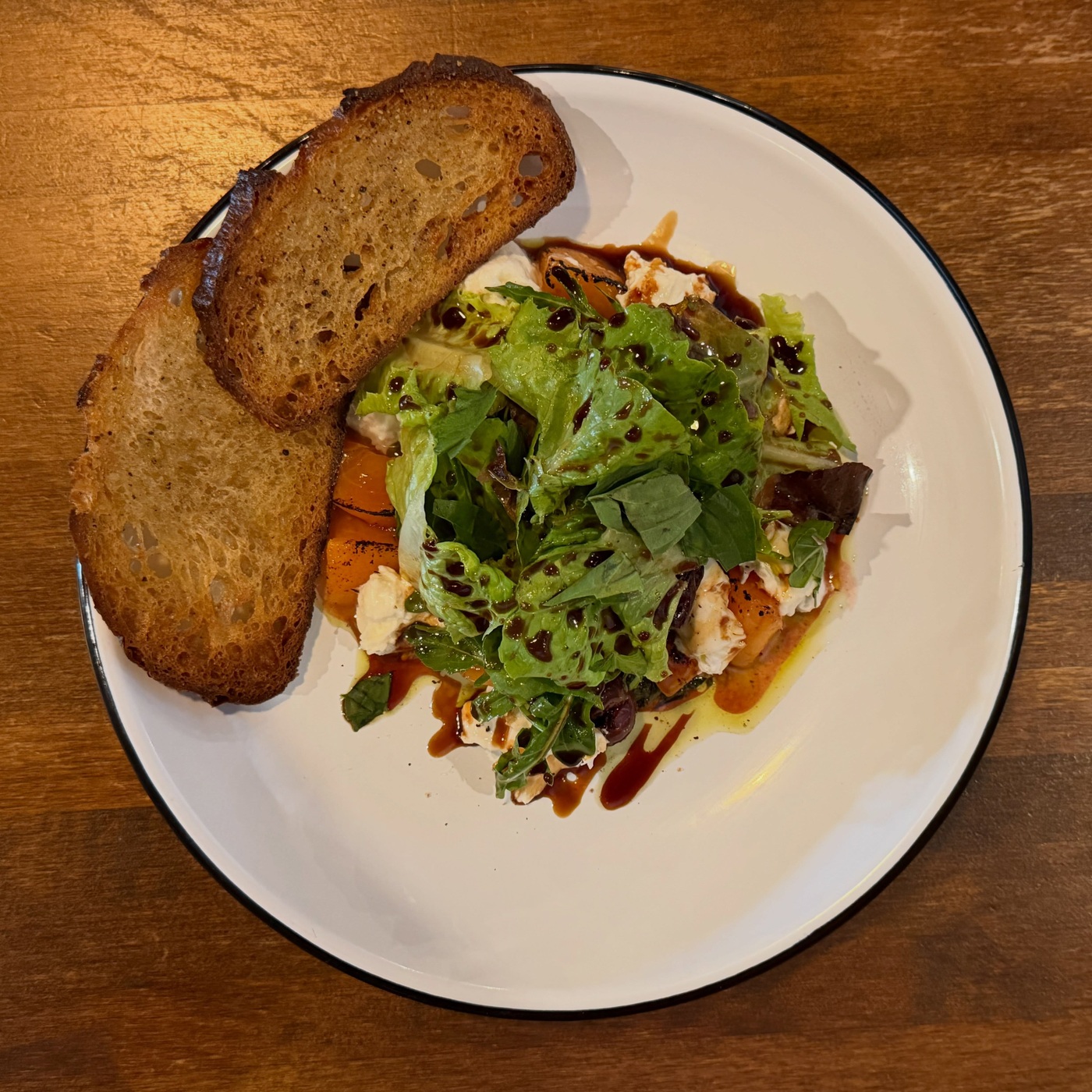
Where: 211 W. Main Street, Carlton. Choose it for: farm-sourced food without a multi-course dinner commitment.
The Carlton café previously called Park & Main is now The Ground Market. Its official site connects many of its ingredients directly to Tabula Rasa Farms and describes a menu of seasonal pizzas, sandwiches, salads, and ice cream. It is a practical place to put a relaxed meal between more structured wine-country appointments.
Use the address carefully: The Ground also has a market listing outside Yamhill, which is a different location. The Carlton café’s current menu and hours separate market-and-café service from pizza service. Tuesday is listed as closed, and Wednesday café hours do not include pizza. Check the day’s offering if a particular pizza is the reason for your visit.
This is a town meal connected to a farm, rather than dining out in its fields. That distinction makes it useful when weather, children’s appetites, or a changing schedule favor a simpler stop. Treat any seasonal salad photograph as an example; summer stone fruit will not necessarily appear on an autumn menu.
11. King Estate: book the current wine-and-food experience
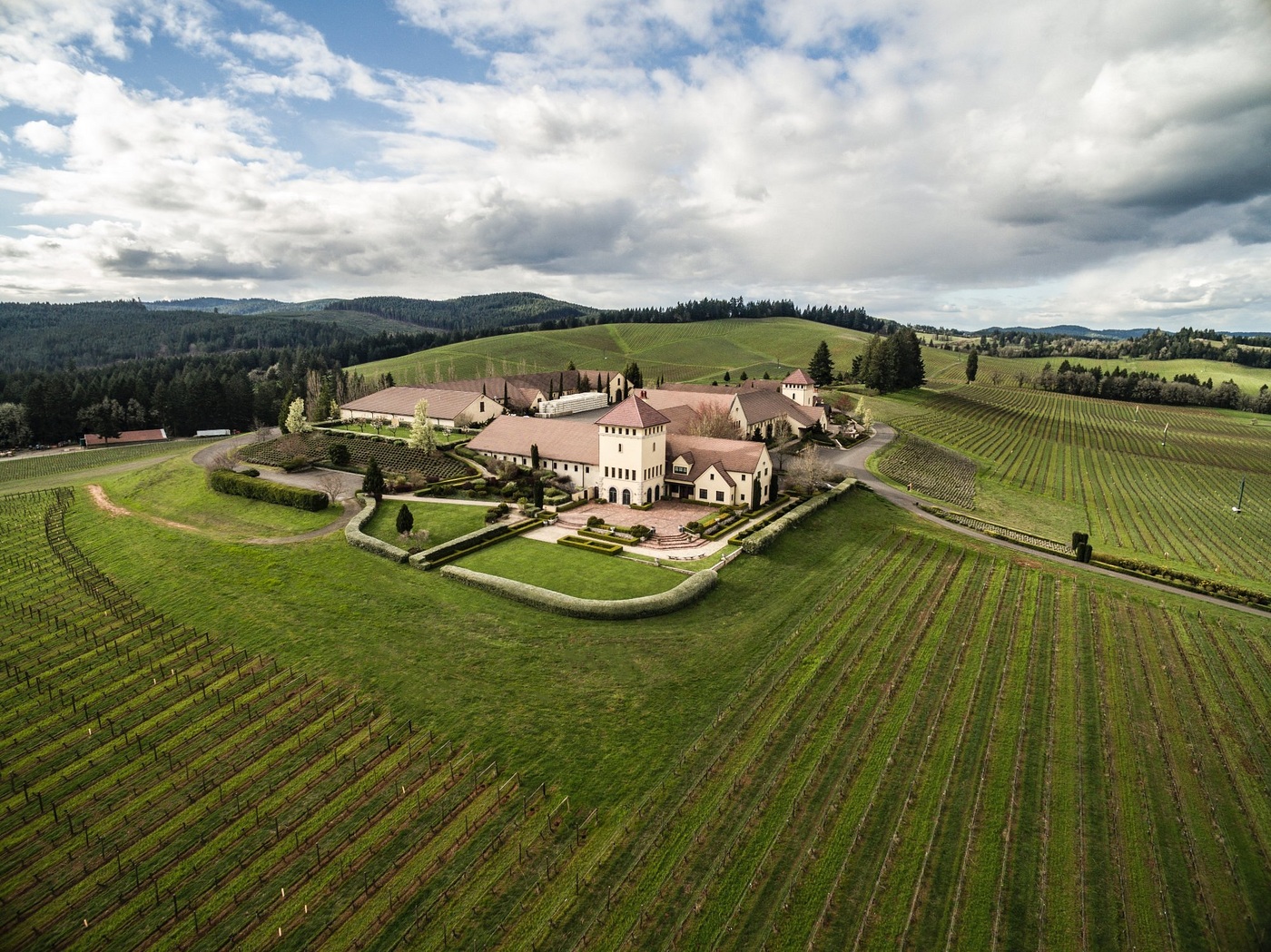
Where: southwest of Eugene. Choose it for: estate scenery and a food-accompanied wine tasting.
King Estate deserves a careful booking check because older restaurant recommendations describe an experience that has changed. Its full-service restaurant closed on June 2, 2025, and the estate now directs visitors to its tasting room.
The current tasting-room page lists wine-and-food service on selected days and a wine-only day. Reserve the appropriate experience, then read its menu instead of arriving with expectations of the former lunch or dinner service. Reservations are required, with a two-hour seating period.
King Estate also says tours are not currently offered, outside food is not permitted, and menu modifications are declined. Those details matter if one traveler wants an estate tour, another needs substantial substitutions, or your group hopes to bring a picnic. Check availability for everyone in your party, including non-drinkers and children, before booking. Plan the visit as part of a Eugene-area day rather than squeezing it between distant northern wine-country stops.
12. Rainshadow Organics: sit down to a Central Oregon farm meal
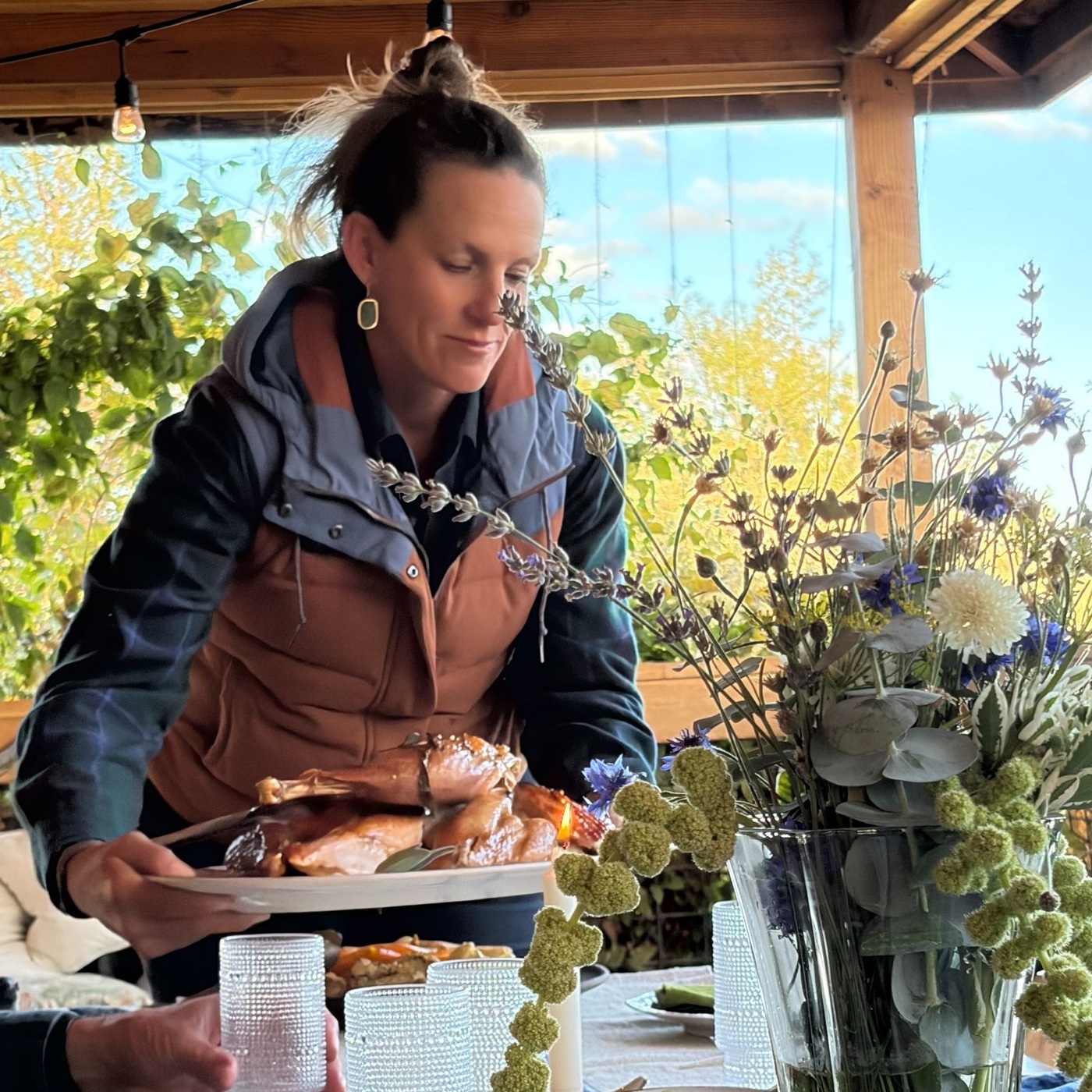
Where: Holmes Road, near Sisters and Terrebonne. Choose it for: a ticketed meal tied to the farm’s vegetables, grains, and meats.
Rainshadow’s Longtable Dinners are four-course, family-style meals that reflect what the farm is growing and raising. Selected Saturday and Sunday brunches offer three courses. These are events to reserve, rather than daily restaurant services.
The setting changes with the season. The farm’s ticketed-event information places October–May dinners on the heated, enclosed Farm Store deck and June–September dinners in the garden. Start times vary with daylight. That gives you a reason to consider a cooler-season visit without assuming every meal is outdoors.
Wine, beer, cider, and other listed drinks are available to purchase separately, so compare the ticket total accordingly. Before paying, ask about your dietary needs, children, the arrival route, and the precise event setting. Keep a warm layer in the car even for a covered meal. For a Bend or Sisters trip, this can be the evening you reserve first, then arrange the rest of the day around.
13. Hood River Fruit Loop: build your own harvest picnic
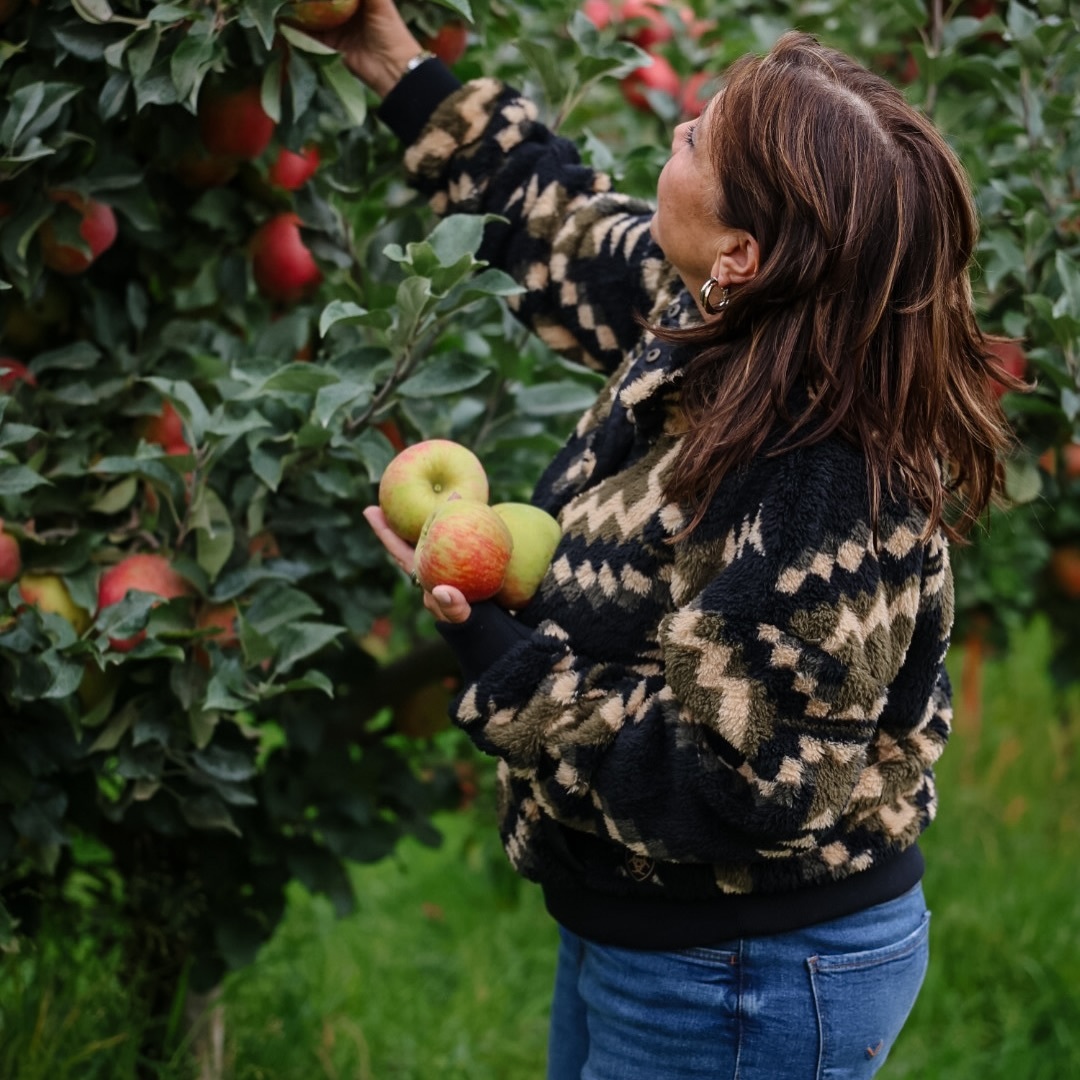
Where: Hood River Valley. Choose it for: a flexible day of orchards, farm stands, and food to take along.
The Hood River Fruit Loop is a roughly 35-mile route, not a single farm or an admission ticket. Pick a few stops rather than treating the whole map as a checklist. Three well-chosen visits leave time to browse, buy fruit, and enjoy a picnic without watching the clock.
Draper Girls Country Farm is one option for seasonal fruit and country-store provisions. Its u-pick updates are more useful than assuming the same fruit is available all summer. Check the crop, picking hours, and current price; farm-store hours may run later than orchard access. Ready-picked fruit is a sensible alternative when you have limited time.
If you prefer transportation, Terran Travels’ eight-hour Hood–Columbia Loop tour on Expedia includes a seasonal stop of about 20 minutes at Draper Girls or Apple Valley Country Store. It is primarily a Mount Hood and waterfalls sightseeing day with an orchard-area stop, not a farm dinner or a dedicated picking excursion. Choose self-driving if several farm visits are your main priority, and confirm the tour’s current itinerary and meal inclusions before booking.
Check the Hood–Columbia Loop Tour
How to fit these stops into an Oregon itinerary
For a Portland base: choose Side Yard or Topaz for one evening, then give Wilsonville, Canby, or Sherwood a separate half-day or evening. A two-to-three-hour cooking class is already a substantial meal stop; adding a second long dinner immediately afterward usually makes little sense.
For two nights in northern Willamette Valley wine country: use Newberg, Dayton, or Carlton as your base. Put Durant’s tasting or mill visit on one day, keep lunch flexible at the Carlton café, and reserve JORY or an Oregon Field & Vine dinner for an evening. Leave an unbooked interval before dinner instead of stacking consecutive tastings.
For Corvallis and Eugene: schedule Gathering Together Farm while its lunch kitchen is operating, then give King Estate a separate reservation window on a food-service day. These belong in a southbound route, not as last-minute additions to a packed Portland day.
For Hood River or Central Oregon: treat the Fruit Loop as its own half-day or longer, and Rainshadow as an anchor meal for a Sisters or Bend stay. Moving between these regions requires meaningful driving time; the list order is not a one-day driving route. Check your actual addresses and current road conditions before committing to timed reservations.
For extra stops near your chosen base, Travel Oregon’s culinary-experience directory links to regional food trails. Use them to fill a free afternoon, rather than adding a distant meal simply because it appears on the same statewide list.
Which experiences work for families and non-drinkers?
For children, start with TMK during public visiting hours, an age-appropriate Middleground class, an advertised Our Table pizza night, or the Fruit Loop. Check each activity’s rules separately: a farm welcoming families in its store does not establish that every dinner admits children. Topaz’s seated farm dinners are adults only.
For a trip without wine, Durant’s oil tasting or mill tour offers a clear food-focused alternative to a wine flight. Cooking classes, farm lunches, and orchard visits also give you choices. Before buying a dinner ticket that bundles wine, ask whether nonalcoholic pairings are available and whether the price changes. Neither an alternative drink nor a discount should be assumed.
What to confirm before booking a farm meal
Start with availability, then book the rest of the day. A farm may sell groceries most weeks but host dinner only occasionally. Look at the year as well as the date. A sold-out or past listing does not establish next season’s availability.
Compare complete costs. Check whether the price covers beverages, service, booking fees, and the whole meal. Group minimums, such as TMK’s premium-tour minimum, can matter more than the advertised per-person rate. A complimentary olive-oil tasting and a ticketed farm dinner solve different parts of your day.
Ask precise dietary and access questions. “Farm fresh” does not describe allergy handling or guarantee plant-based food. Ask about shared preparation areas, whether substitutions are possible, and the menu deadline before paying. Our guide to planning travel with food allergies can help you prepare the conversation. For access, ask about the path from parking, the dining surface, seating, and restrooms; a working field and an indoor restaurant have different practical demands.
Give yourself a comfortable arrival. Wear stable shoes, bring layers for covered or outdoor settings, and confirm the weather and cancellation policy. Arrange your return transportation before an evening with wine pairings. Pack a small bag of road trip snacks for the drive between reservations, especially when traveling with children. Leave enough appetite—and enough unscheduled time—to enjoy the meal you came for.