This article contains affiliate links. We may earn a commission if you book through them, at no extra cost to you.
The playlist is ready. The bags somehow fit. Then, an hour into the drive, someone starts looking for something to eat.
The snacks, unfortunately, are underneath a suitcase. Or the crackers have been crushed, the chocolate has softened, and nobody remembered a spoon for the yogurt.
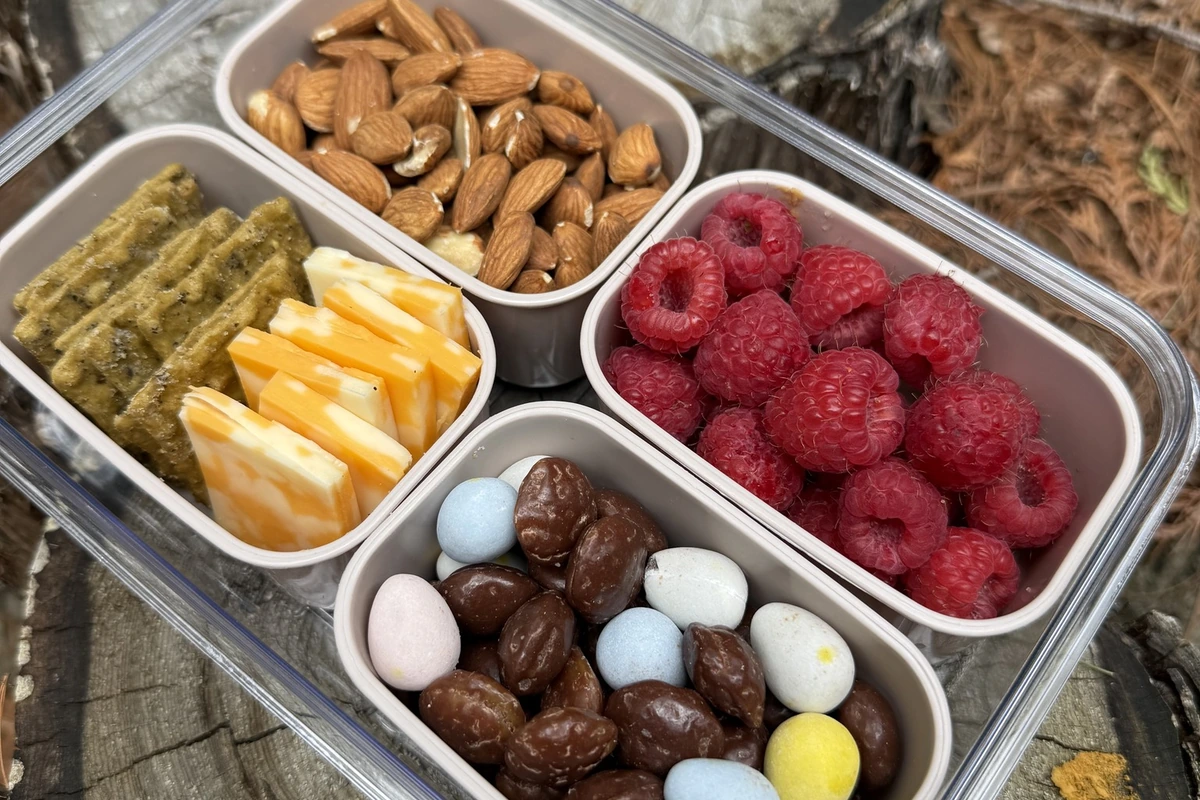
A little planning makes a long drive more comfortable. Good road trip snacks give you choices between meal stops, help you avoid buying food at every exit, and don’t leave you cleaning crumbs from your lap before getting out of the car.
You don’t need to spend the evening baking or buy enough food for a week. A few familiar favorites, something fresh, and a small treat are usually a better starting point.
These 25 ideas cover crunchy snacks, sweet options, and fresh foods for the cooler. Use the comparison table to choose what suits your trip, then build a manageable snack bag from the foods you actually enjoy.
Jump to: Snack comparison · Savory snacks · Sweet and fruity snacks · Cooler snacks · Packing list for two · Storage and safety · FAQs
Road Trip Snack Comparison
Choose according to storage, preparation, and how you prefer to eat during a break.
In this table, “no cooler” assumes the specific product allows room-temperature storage. Follow package instructions, including any changes after opening. Shelf-stable food still needs protection from excessive heat and direct sunlight.
| # | Snack | Cooler needed? | Preparation | Main packing consideration |
|---|---|---|---|---|
| 1 | Roasted peanuts or mixed nuts | Usually no | Portion | Choose shelled varieties |
| 2 | Dry-roasted edamame | Usually no | None | Firm, crunchy texture |
| 3 | Packaged roasted chickpeas | Usually no | None | Keep dry to preserve crunch |
| 4 | Shelf-stable jerky | Follow label, especially after opening | None | Strong flavors and chewy texture |
| 5 | Peanut butter pretzels | Usually no | Portion | Protect neighboring fragile snacks |
| 6 | Shelled pumpkin seeds | Usually no | Portion | Small pieces spill easily |
| 7 | Lightly seasoned popcorn | Usually no | Buy ready-popped or prepare ahead | Bulky and easily crushed |
| 8 | Sturdy whole-grain crackers | Usually no | None | Keep moist toppings separate |
| 9 | Rice crackers and seaweed | Usually no | None | Seaweed becomes fragile once opened |
| 10 | Simple cereal snack mix | Usually no | Mix and portion | Avoid ingredients that melt |
| 11 | Whole apples | No refrigeration required for the day’s supply | Wash and dry | Protect from bruising |
| 12 | Clementines | No refrigeration required for the day’s supply | None | Bring somewhere for peels |
| 13 | Bananas | No refrigeration required | None | Eat before they become overripe |
| 14 | Dried apricots | Usually no | Portion | Chewy and sometimes sticky |
| 15 | Shelf-stable applesauce | No before opening | None | Cups need spoons |
| 16 | Granola or snack bars | Follow label | None | Coatings can soften in warmth |
| 17 | Oatmeal cookies | Depends on recipe or product | Buy or bake ahead | Separate soft cookies into layers |
| 18 | Cheese and apple boxes | Yes | Slice and assemble | Keep crackers outside the chilled box |
| 19 | Vegetables and hummus | Yes | Wash, cut, and portion | Use a leakproof dip pot |
| 20 | Yogurt and granola | Yes for yogurt | Pack components separately | Bring a spoon |
| 21 | Hard-boiled eggs and crackers | Yes for eggs | Cook and chill | Best eaten outside the car |
| 22 | Turkey and cheese roll-ups | Yes | Assemble | Use a snug container |
| 23 | Peanut butter and banana tortilla rolls | Keep prepared rolls chilled | Assemble ahead or at a stop | Whole rolls hold together better than pinwheels |
| 24 | Cottage cheese and berries | Yes | Wash berries | Protect berries from crushing |
| 25 | Tuna-and-cracker snack box | For cut vegetables; follow tuna label | Assemble at a stop | Keep tuna sealed until serving |
For the driver, plan to eat while safely parked. Eating, drinking, and reaching for food can divert attention from driving. NHTSA’s distracted-driving guidance
Crunchy and Savory Road Trip Snacks
1. Roasted Peanuts or Mixed Nuts
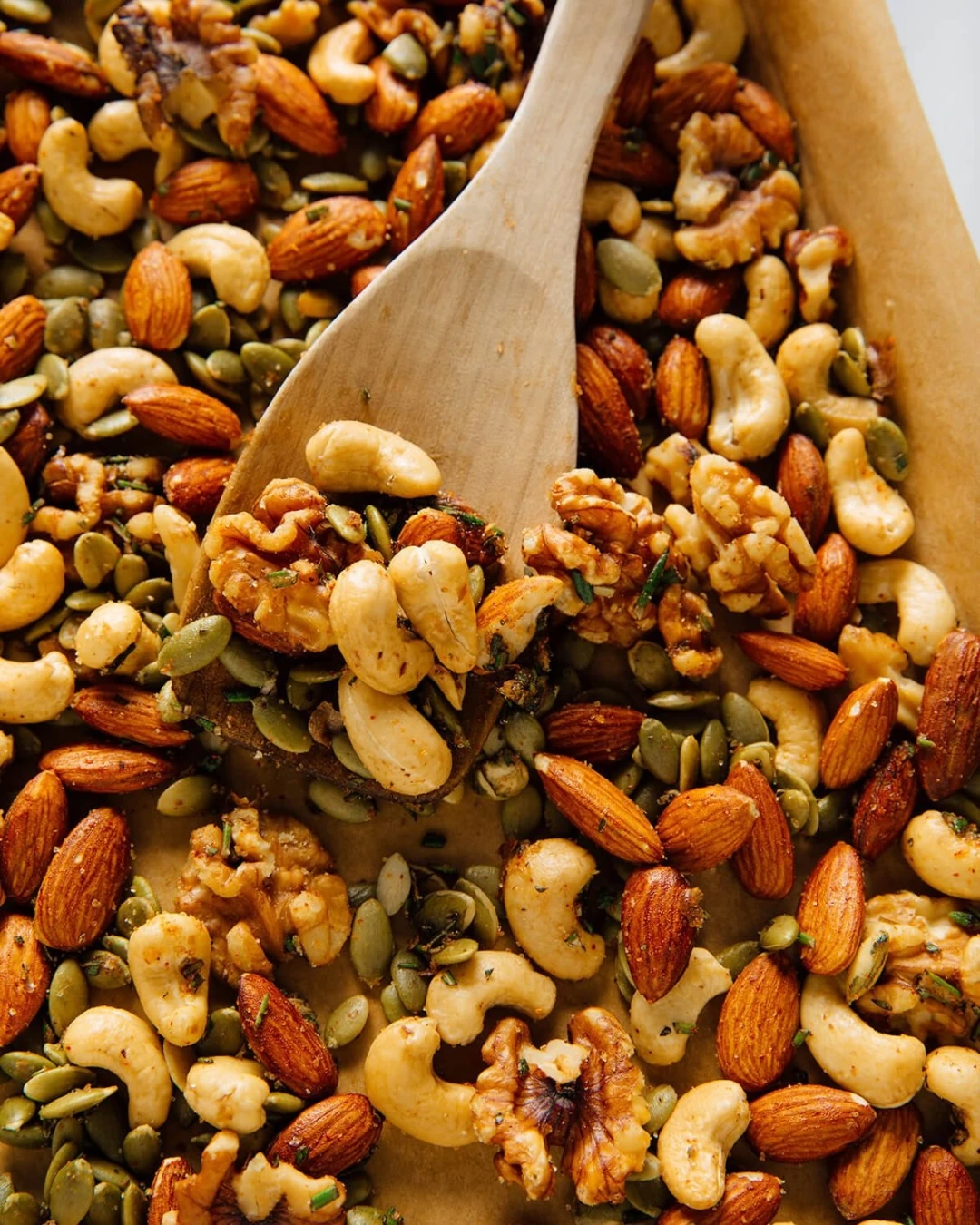
Nuts take up little room, making them useful when your snack bag already shares space with chargers, sunglasses, and somebody’s spare sweatshirt.
Plain roasted peanuts are a straightforward choice. Almonds, cashews, or pecans offer different textures without needing a complicated mix. Divide them into small portions, leaving extra available for larger appetites.
Choose shelled nuts so you don’t have to collect husks during a break. If nuts aren’t suitable for your group, consider a seed-based option that meets their dietary requirements.
2. Dry-Roasted Edamame
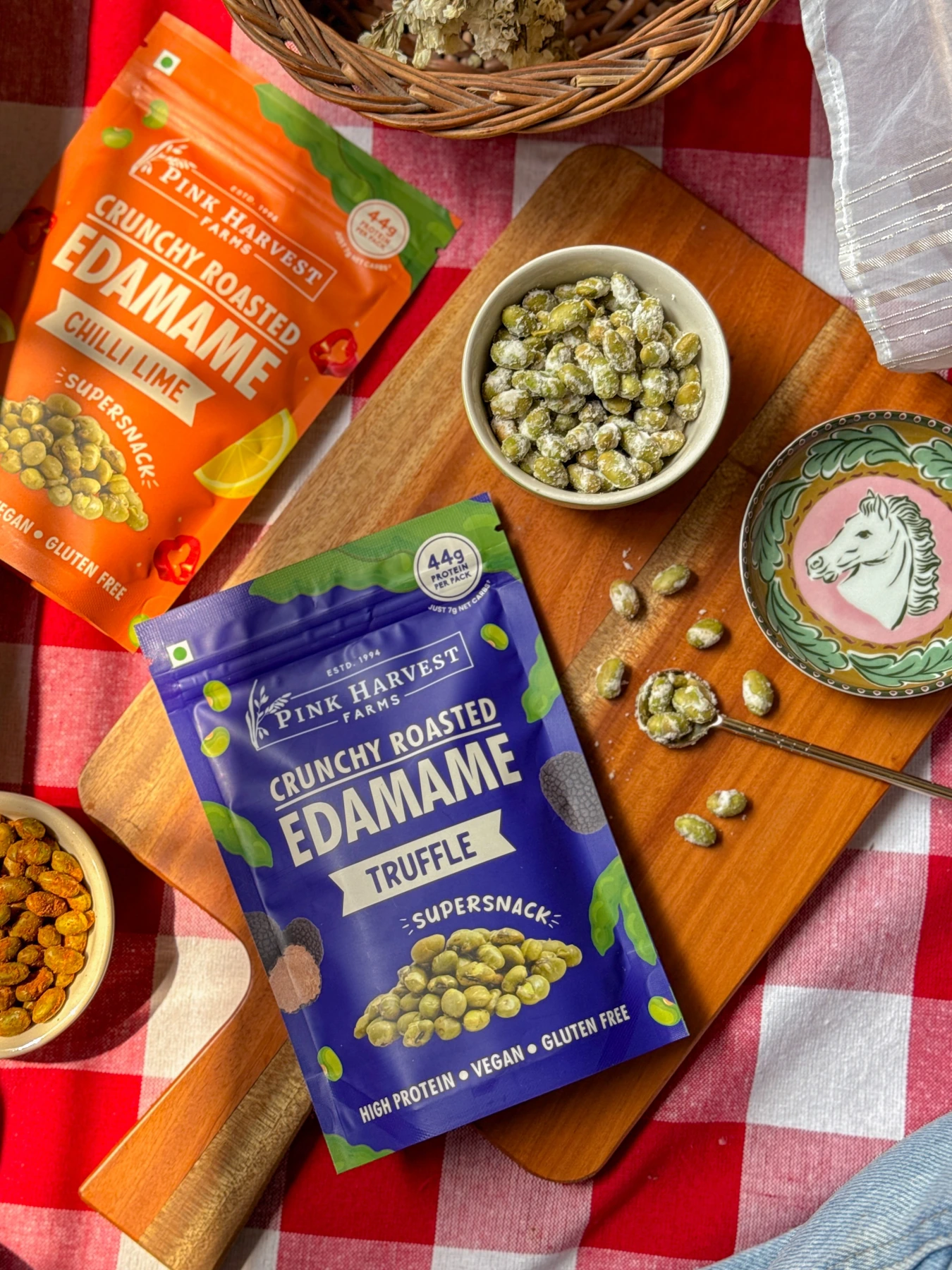
Dry-roasted edamame gives you a crisp, savory snack with protein, without taking up cooler space.
Buy the dry, shelf-stable snack variety rather than fresh or frozen edamame. Sea salt is an easy starting point; stronger flavors are worth trying before committing to a large multipack.
The texture is firm, so this is a good example of a snack to sample at home first. Edamame contains soy and won’t suit everyone with food allergies.
3. Crunchy Roasted Chickpeas
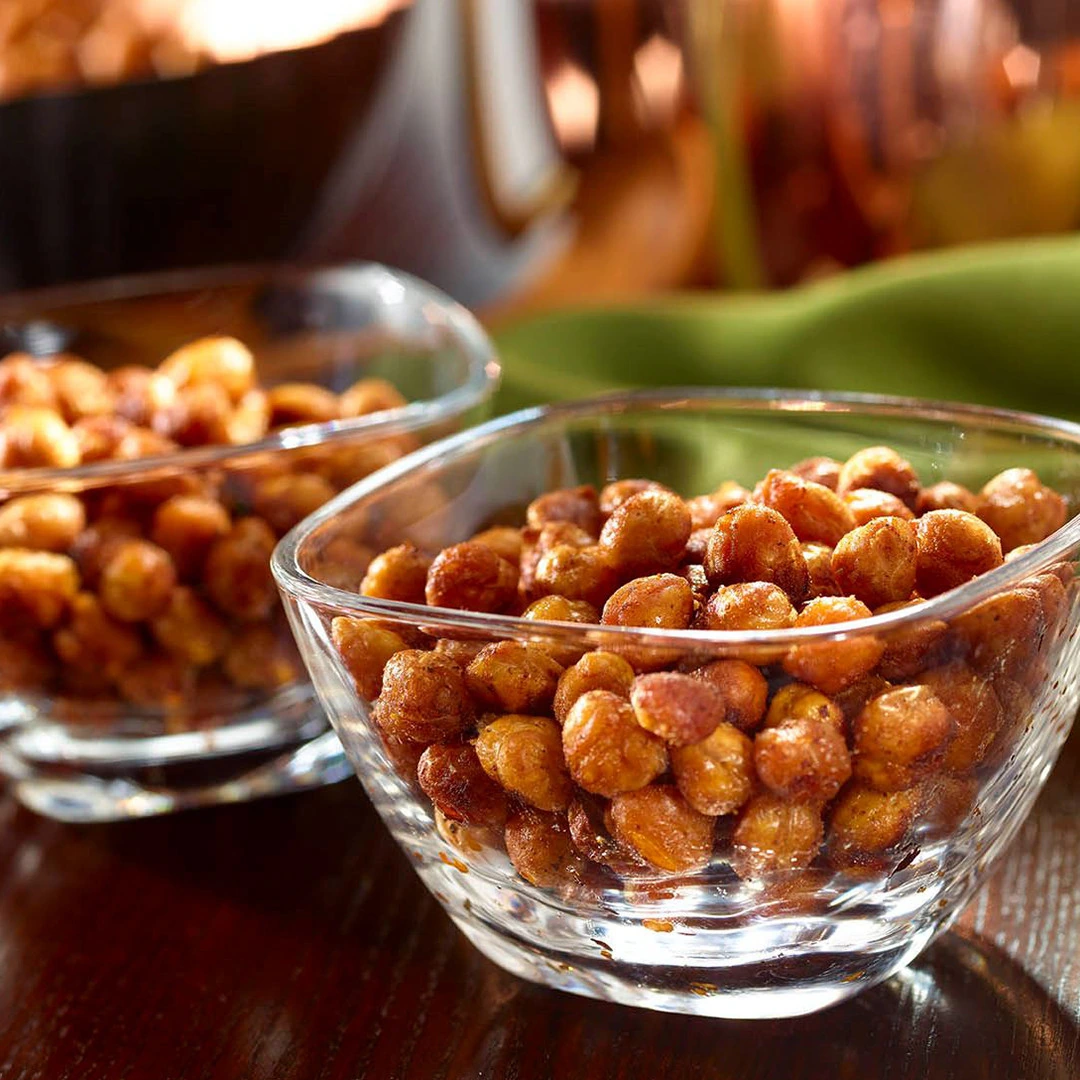
Roasted chickpeas provide a change from nuts and pretzels, especially if you enjoy a savory coating.
Commercially packaged versions are convenient for travel because their storage instructions are provided. If you make your own, follow a reliable recipe and its storage guidance rather than assuming homemade chickpeas have the same shelf life.
Keep them away from moist ingredients. Putting them beside cucumber in a shared compartment can leave them softer than you intended.
4. Shelf-Stable Jerky
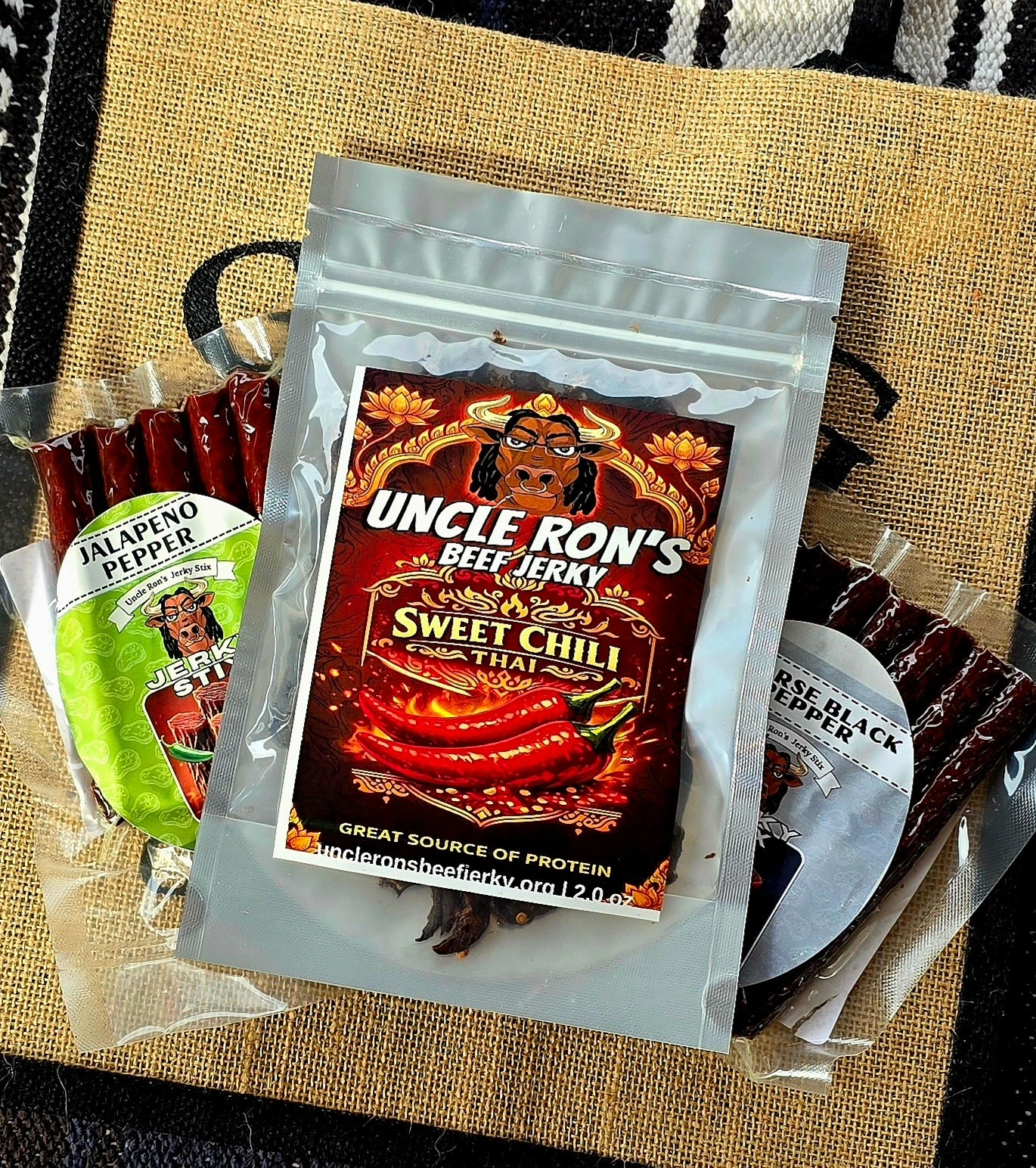
Jerky is compact and pairs well with crackers or fruit when you want something more substantial than a sweet nibble.
Choose a product specifically labeled for room-temperature storage and note whether it needs refrigeration after opening. A small resealable pack is easier to finish and manage than a large bag.
Pick a texture you already like. Very tough strips and fiercely hot seasoning can be less appealing several hours into a journey.
5. Peanut Butter Pretzels
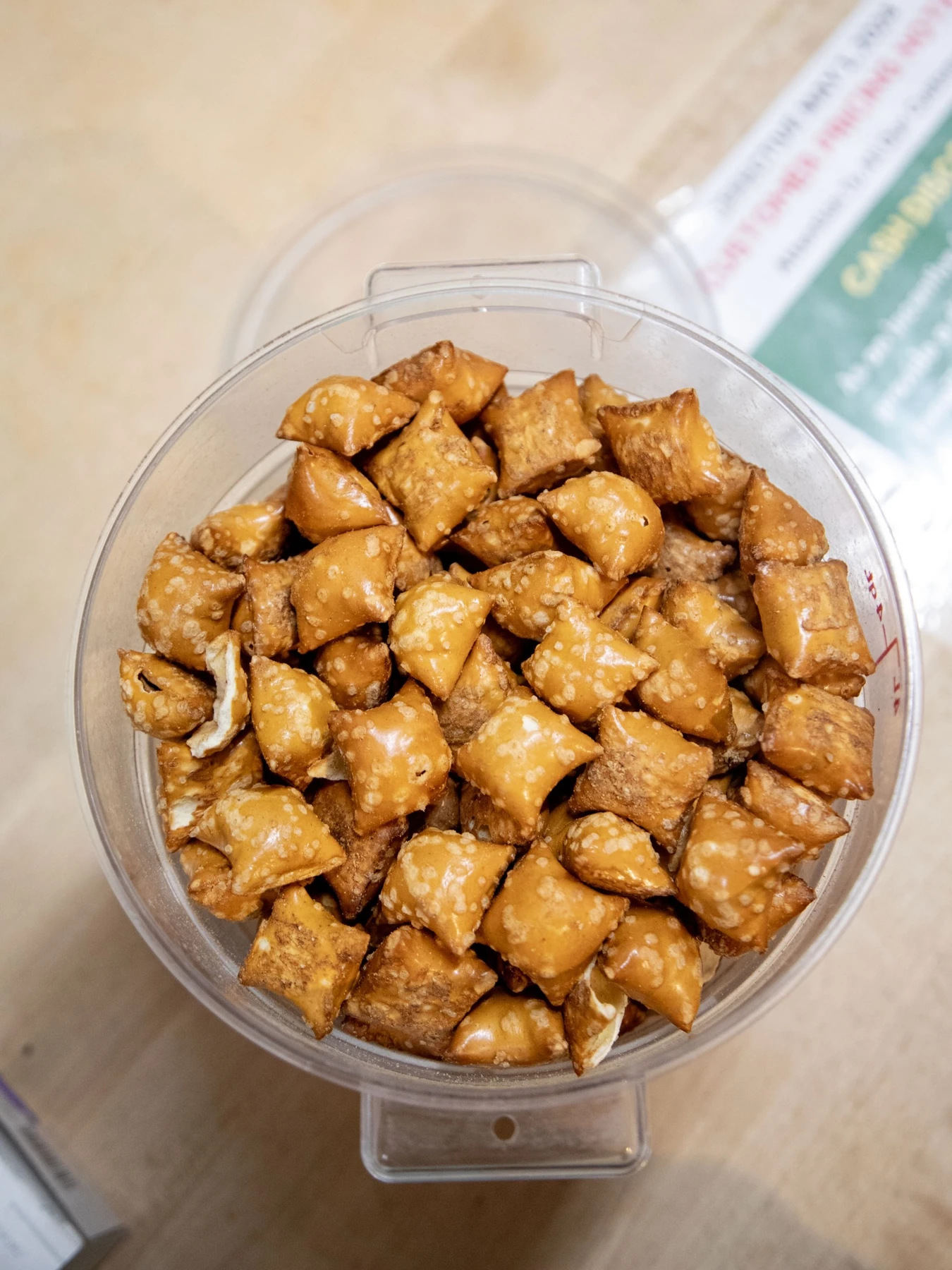
Peanut butter pretzels combine a salty shell with a softer filling, saving you from packing a separate jar and spreading knife.
They’re sturdy enough to travel well, but that also means they can crush thin crackers or cookies packed beneath them. Give them their own small container.
For a peanut-free alternative, use suitable plain pretzels and pack an approved spread separately for a stop. Check labels and cross-contact information when managing allergies.
6. Shelled Pumpkin Seeds
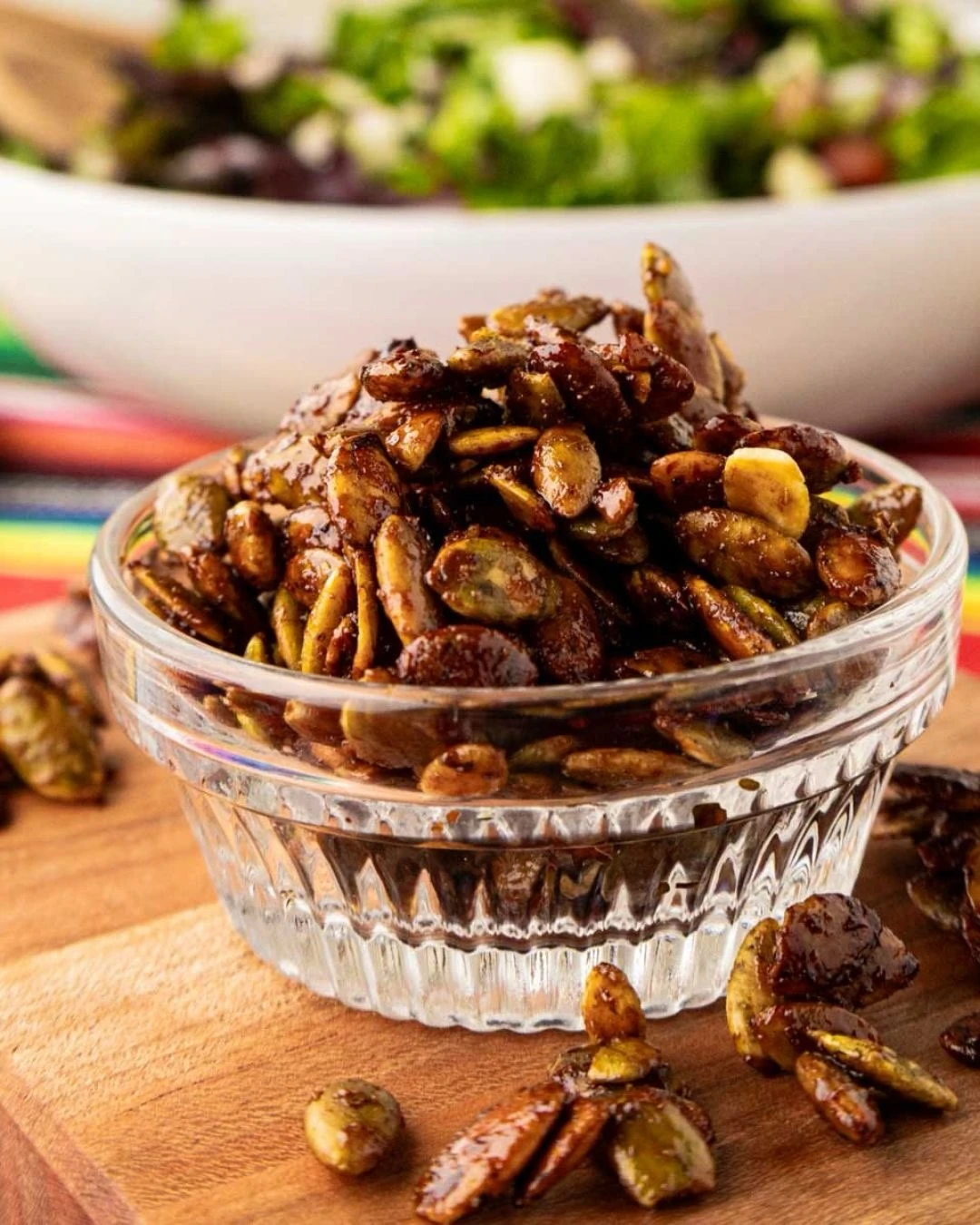
Pumpkin seeds are useful when you want a small savory snack without carrying another bulky bag.
Look for shelled seeds, often called pepitas. Plain or lightly salted versions can be eaten on their own or used in the cereal mix below.
A small lidded tub works better than a wide, shallow box: loose seeds are easy to spill. Avoid heavily powdered coatings if you don’t want seasoning left on your hands.
7. Lightly Seasoned Popcorn
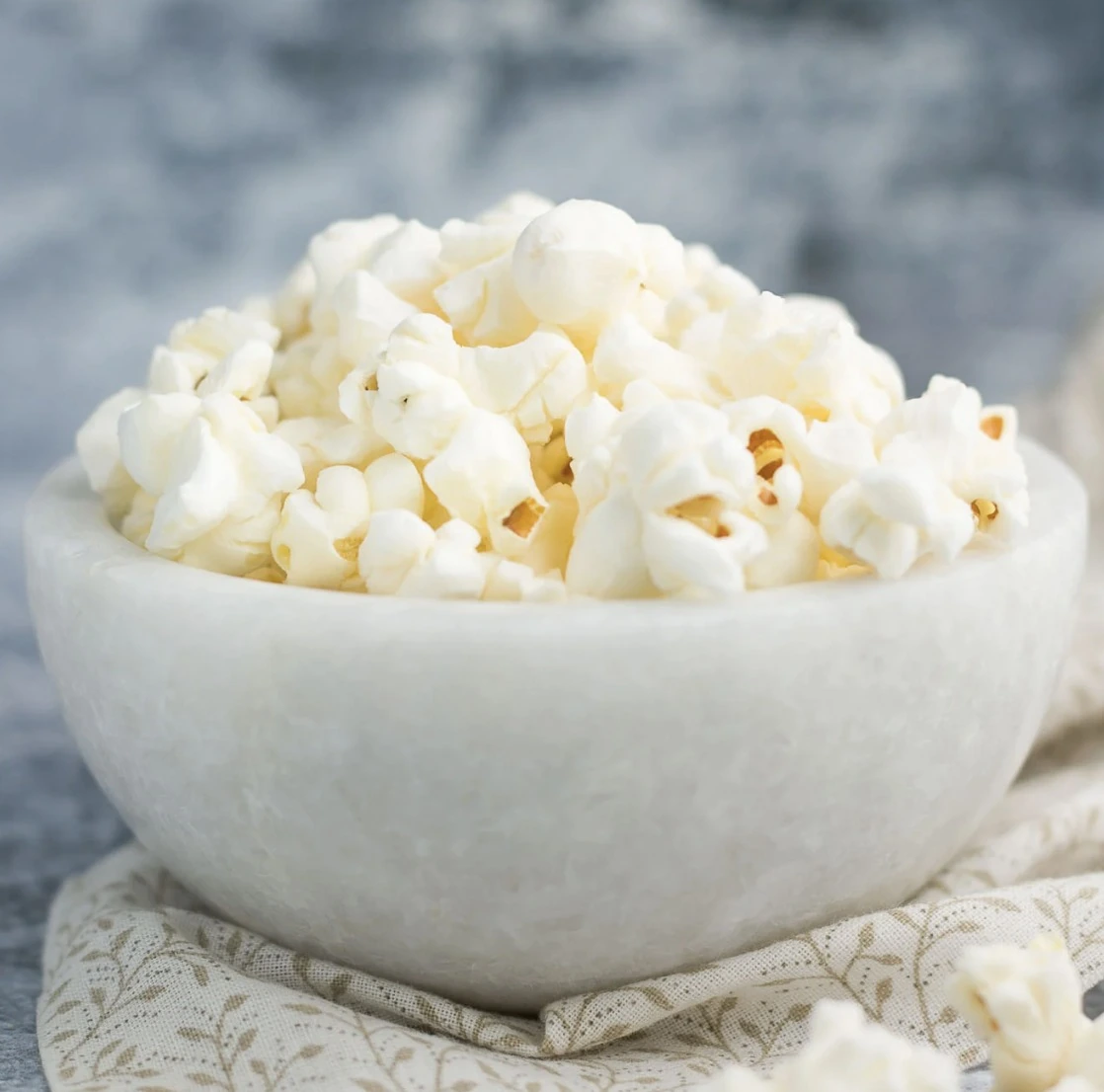
Popcorn gives you a light, crisp snack to share during a break, although it needs more packing space than its weight suggests.
Ready-popped popcorn is the easiest option. If preparing it at home, cool it completely before sealing so steam doesn’t soften it.
Pack it near the top of the food bag. A little salt is often more practical than a thick buttery coating, and an uncrushed container is more enjoyable than a bag of fragments.
8. Sturdy Whole-Grain Crackers
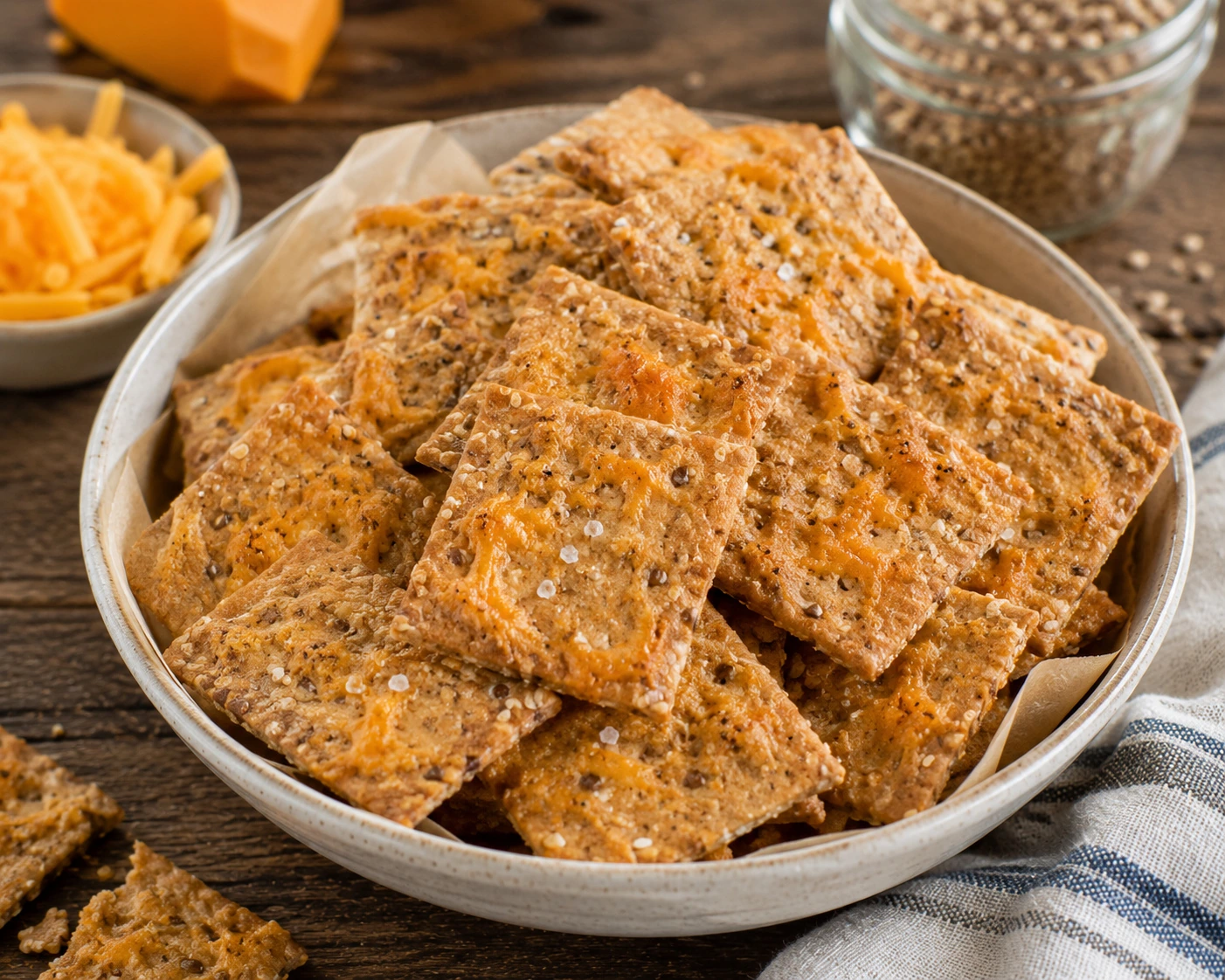
Crackers are useful because they can move between a small snack and part of a larger break. Pair them with nut butter, chilled cheese, or tuna opened when you’re ready to eat.
Choose a sturdy shape and keep the protective sleeve, or transfer them to a rigid box.
For a gluten-free option, choose crackers labeled accordingly. Whole-grain wording alone doesn’t tell you whether a product contains gluten.
9. Rice Crackers and Roasted Seaweed
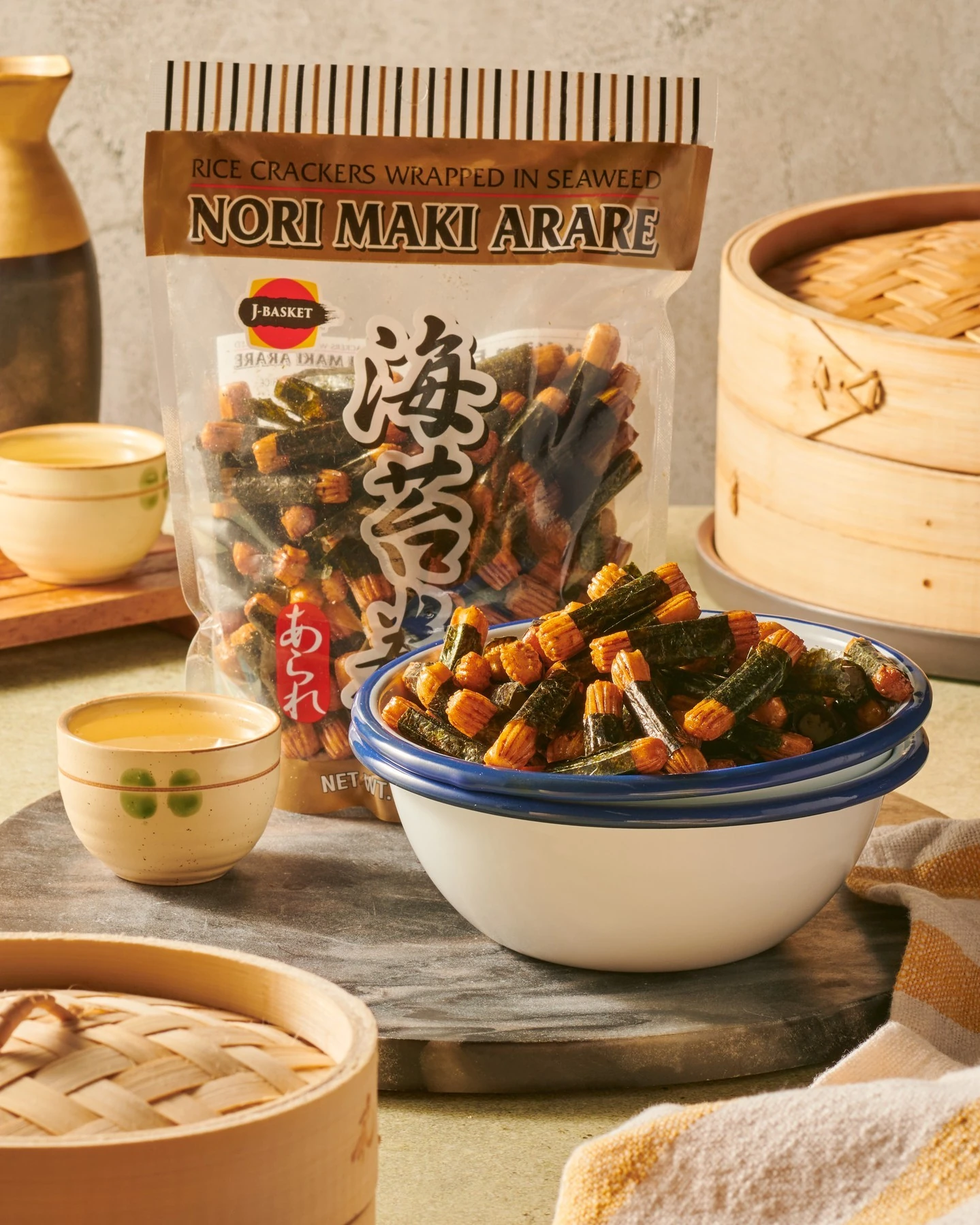
Rice crackers offer a different crunch, while roasted seaweed adds savory flavor without needing a dip.
Keep the seaweed in its sealed packet until serving. Once opened, the sheets can break into flakes, making this combination better suited to a table during a stop.
Flavored versions may contain ingredients such as wheat, soy, or sesame. Choose according to the label rather than assuming rice-based snacks meet every dietary requirement.
10. A Simple Cereal Snack Mix
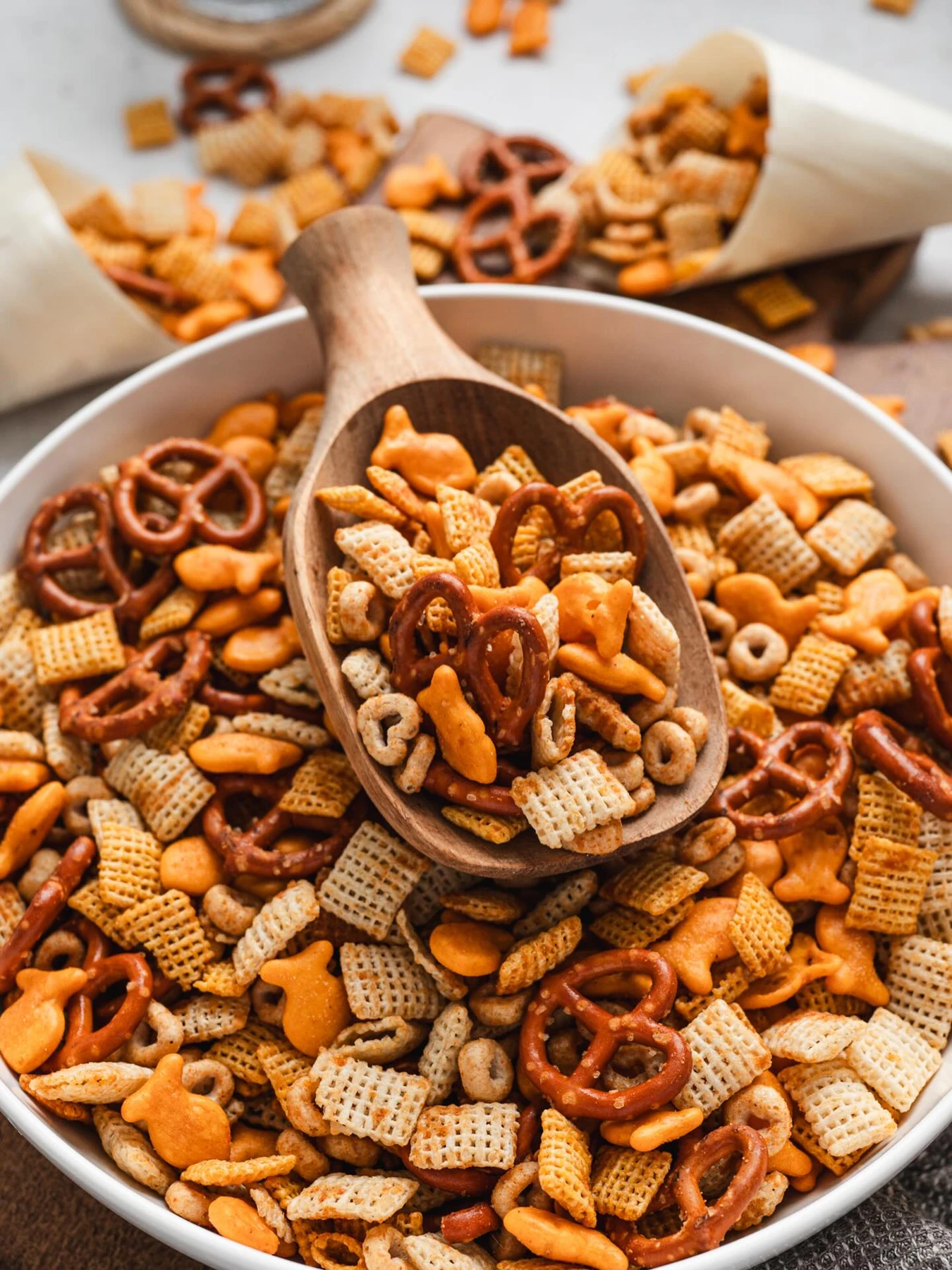
A basic mix lets you use what’s already in the cupboard instead of buying several new snacks.
Combine:
- 2 cups crisp cereal squares
- 1 cup mini pretzels
- ½ cup shelled pumpkin seeds
Mix gently and divide between containers. Adjust the proportions to suit your preferences.
There’s no cooking or sticky coating involved. Leave chocolate out if you won’t have a cool place to store the mix, and use appropriately labeled cereal and pretzels if making a gluten-free version.
Sweet and Fruity Road Trip Snacks
11. Whole Apples
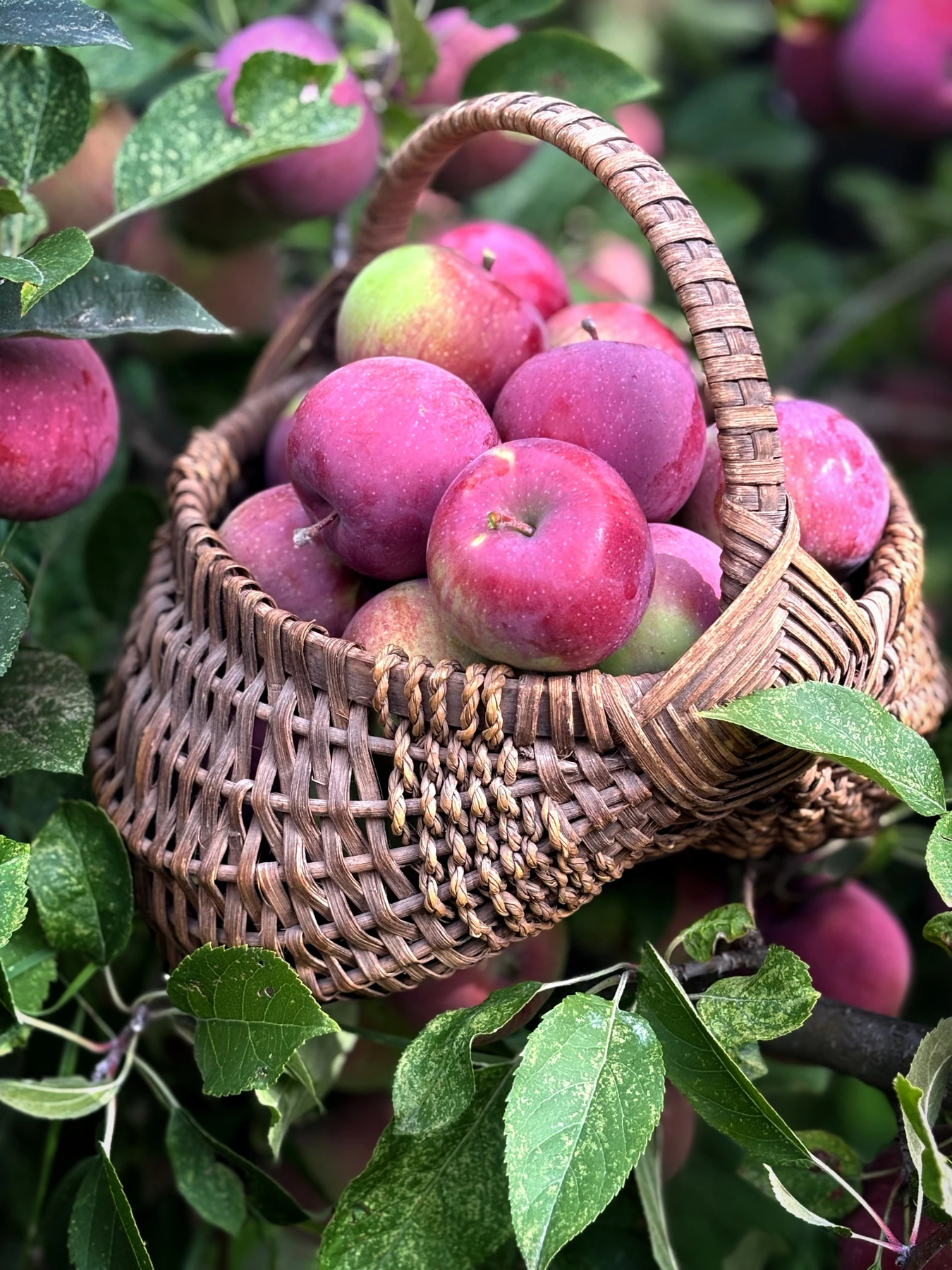
Whole apples give you fresh fruit without preparing a box of cut pieces.
Choose firm apples with intact skin, wash them, and dry them before packing. A small box keeps them from rolling against other supplies and gives you somewhere to collect the cores afterward.
At a stop, an apple pairs easily with nuts or chilled cheese. If you prefer slices, prepare and refrigerate them rather than treating them like whole fruit.
12. Clementines
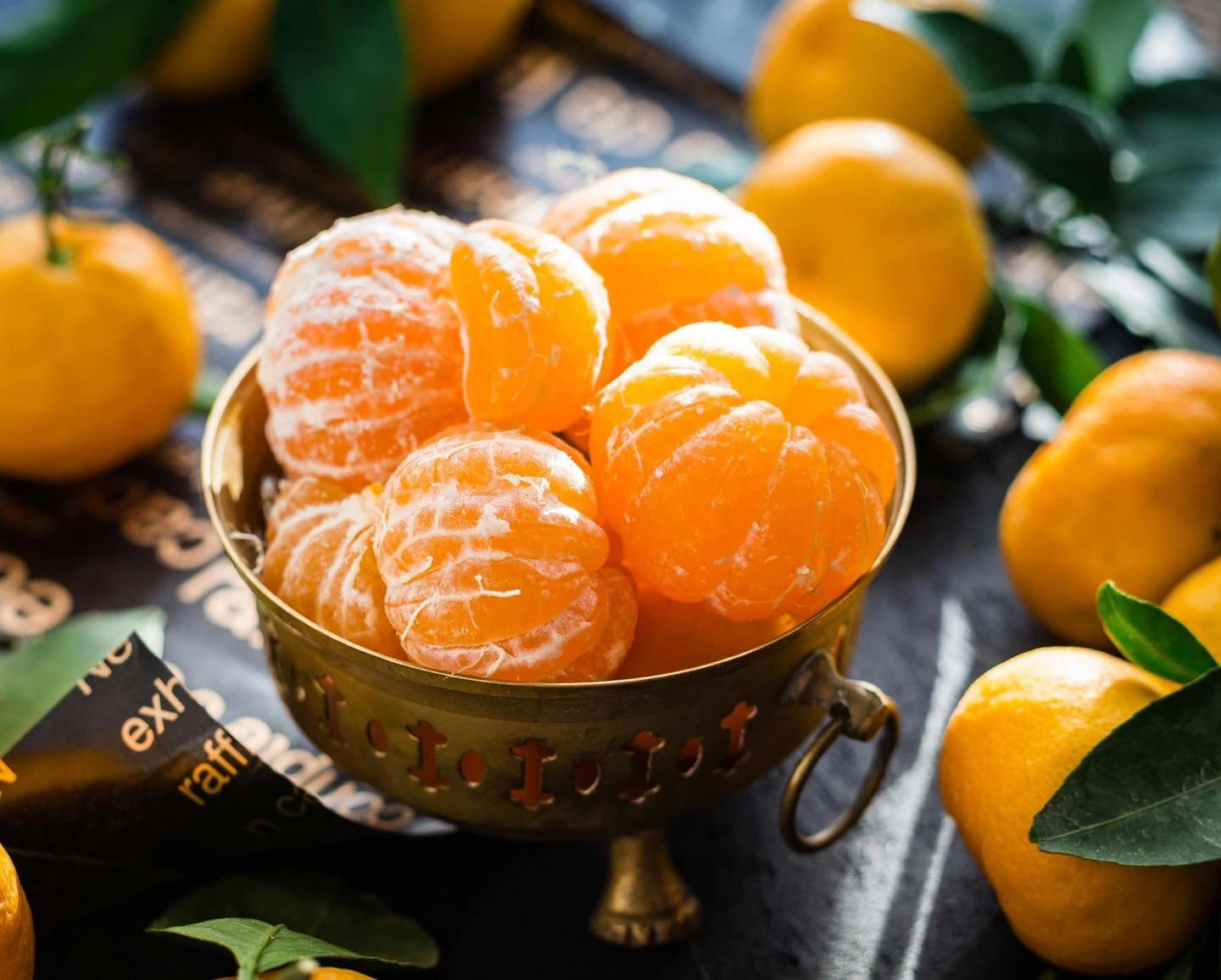
Clementines are a welcome fresh option when most of the snack bag is crunchy or dry.
Their peel provides some protection, and you don’t need a knife to serve them. Check the fruit before leaving and remove any that are damaged or unusually soft.
Keep an empty bag nearby for the peels. It’s a small detail that prevents them from being tucked into a door pocket and rediscovered much later.
13. Bananas
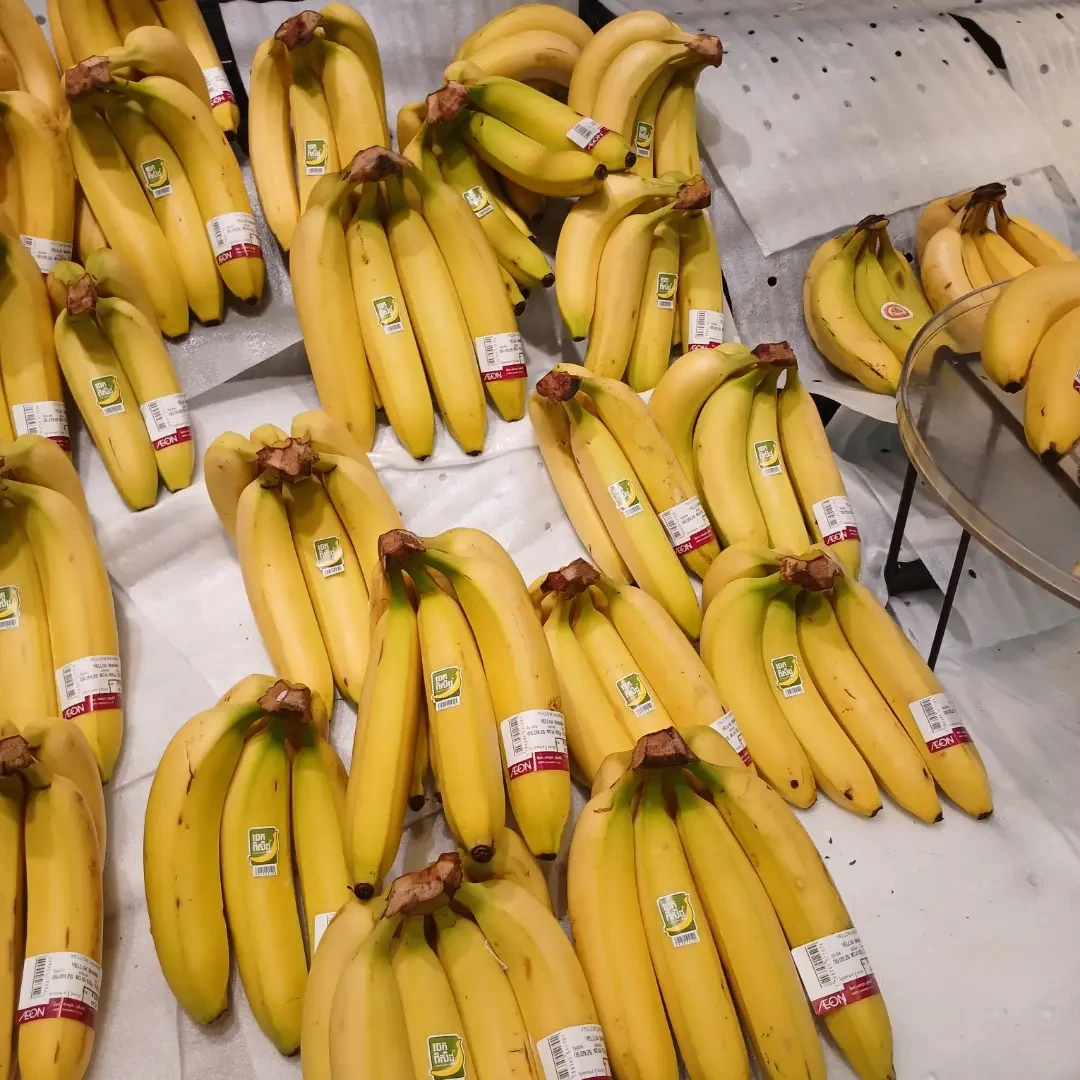
Bananas work well for an early start or the first break of the day.
Choose ripe but firm fruit and keep it above heavier supplies. Very ripe bananas are better used at home than pressed against luggage for several hours.
Pair one with a bar or use it in the tortilla rolls below. Pack a modest quantity if nobody enjoys soft fruit; buying a large bunch doesn’t help if half arrives bruised.
14. Dried Apricots
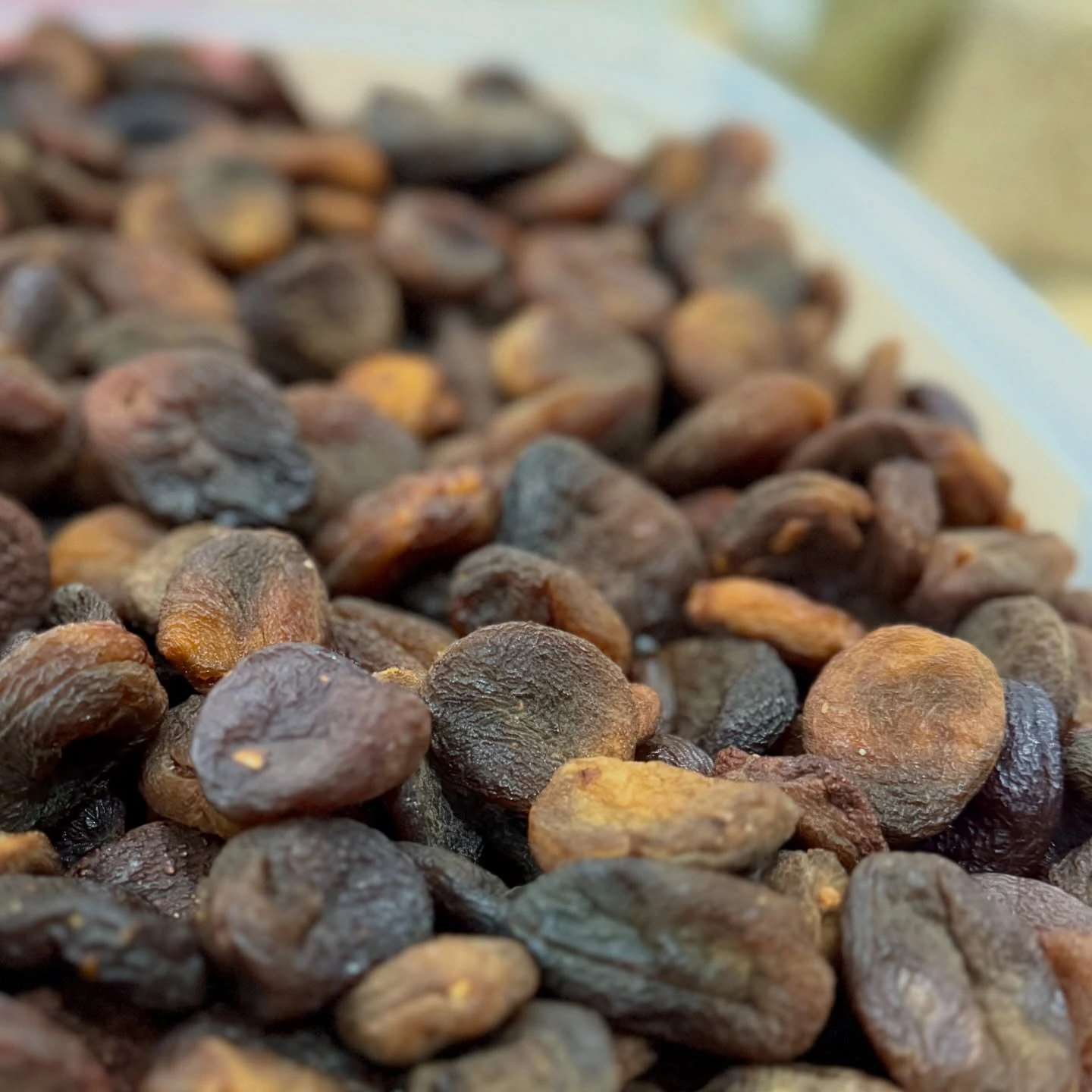
Dried apricots add a chewy texture to a snack selection dominated by crisp foods.
A few can accompany nuts or seeds when you want something sweet. Other familiar dried fruits work too, but one variety is enough for most short trips.
Keep particularly sticky fruit separate from cereal and crackers. Otherwise, a neatly portioned mix can turn into several clumps that are difficult to divide.
15. Unsweetened Applesauce Cups or Pouches
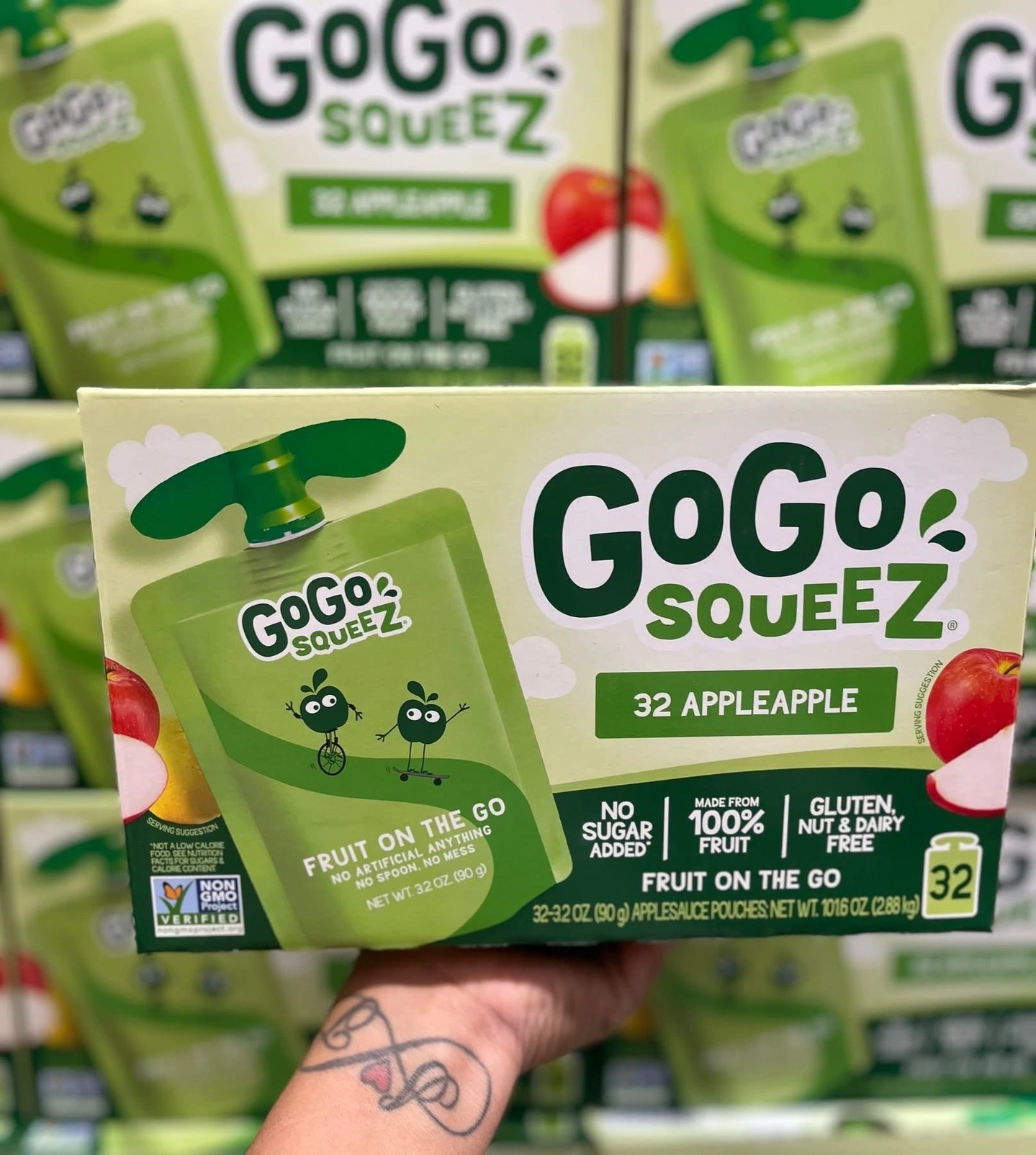
Applesauce is convenient when you want fruit without cores, peel, or bruising.
Choose a shelf-stable product if it will travel outside the cooler. Cups are comfortable to eat at a picnic table, while pouches take up less space and don’t need a spoon.
Protect pouches from sharp objects and heavy bags. Follow the product’s instructions after opening and avoid packing portions much larger than you expect to finish.
16. Familiar Granola or Snack Bars
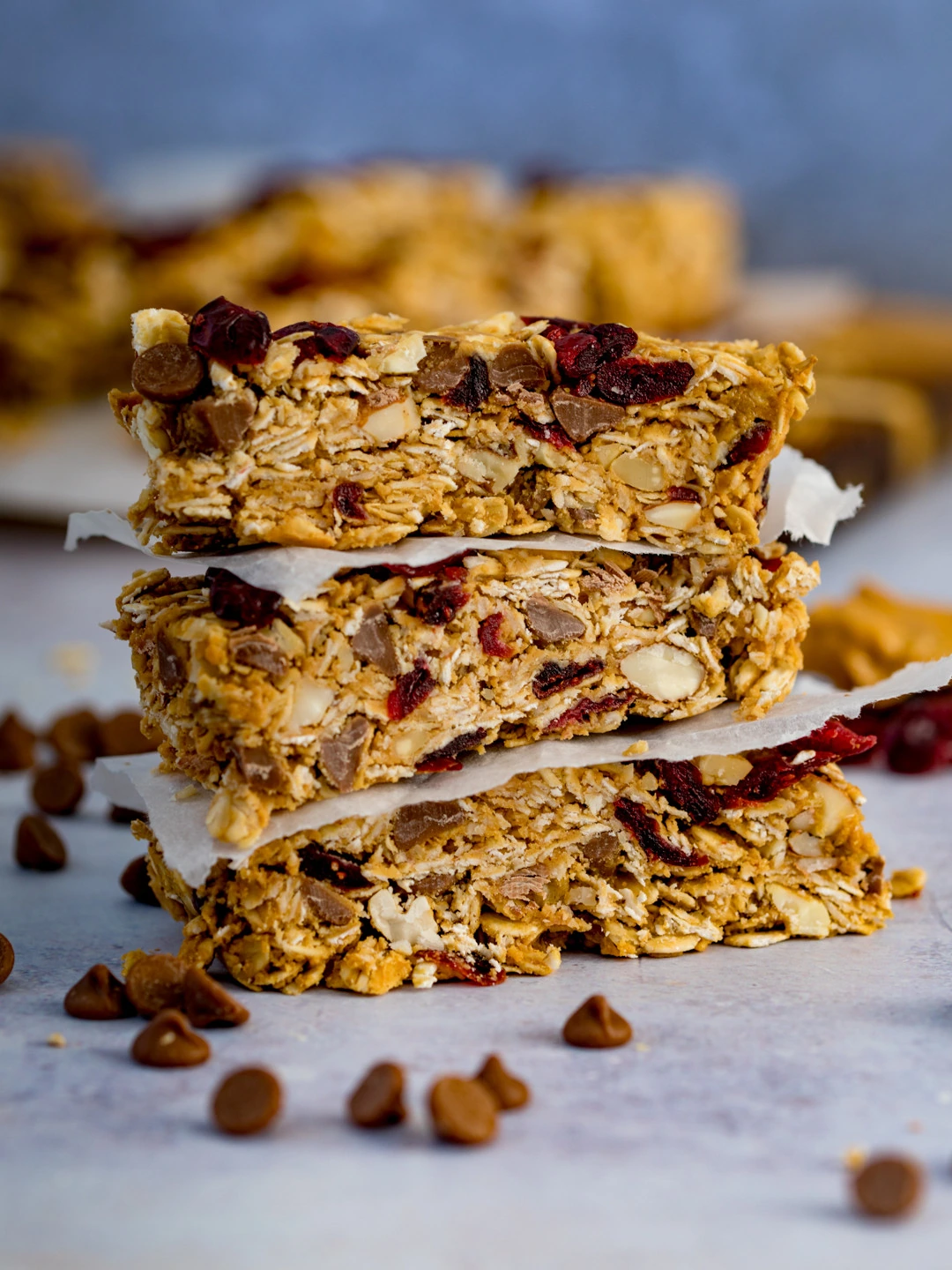
Bars arrive portioned and wrapped, which makes them useful for delays or an unexpectedly long gap between stops.
Choose a variety you know you enjoy. A long journey isn’t the ideal time to discover that a new multipack has an unpleasant texture.
Compare labels for the characteristics that matter to you, such as protein, added sugar, or allergens. Uncoated bars are generally simpler to transport than chocolate-dipped ones, which can become sticky in warm conditions.
17. Oatmeal Cookies
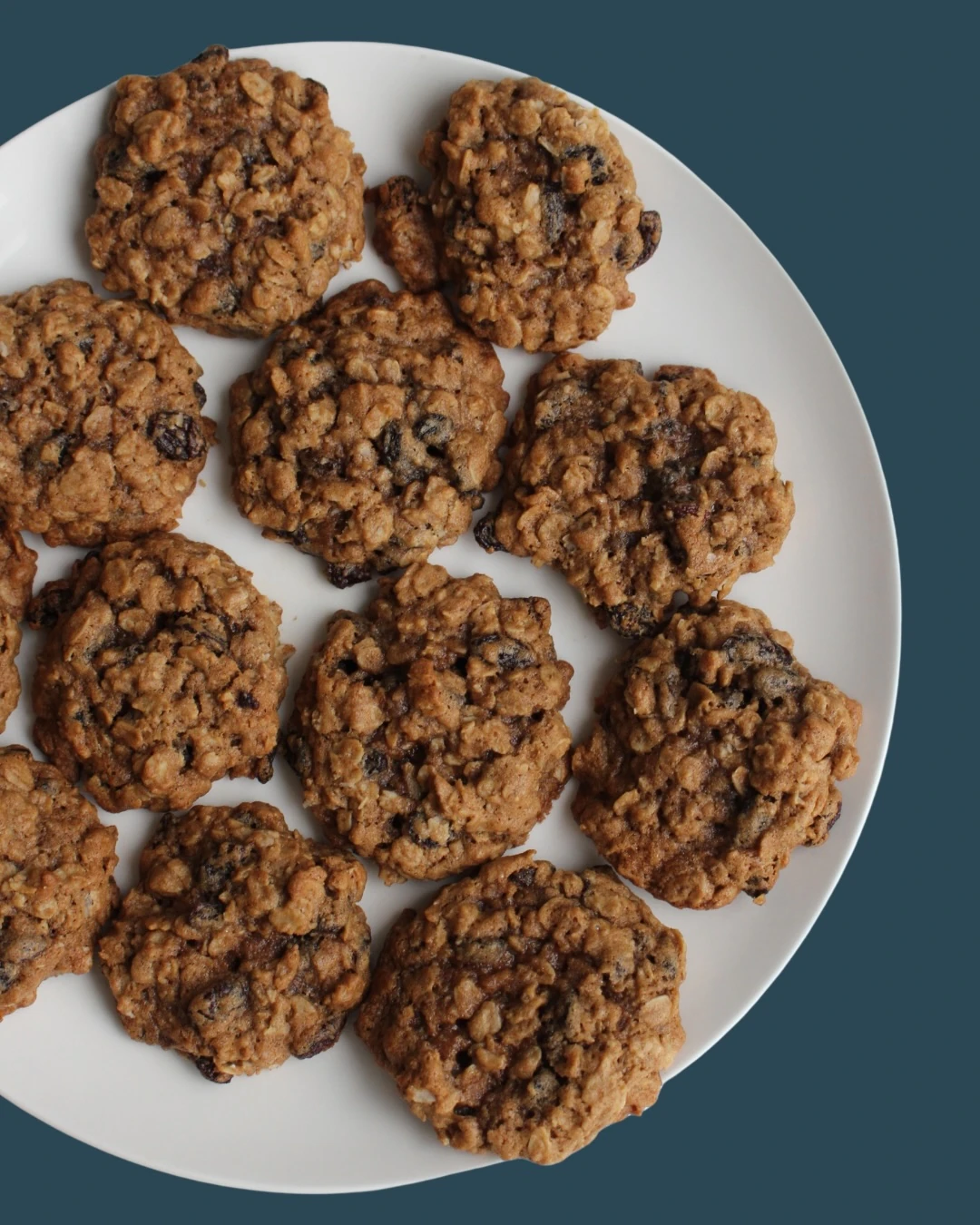
A small treat belongs in the plan too. Oatmeal cookies are easy to portion and don’t need frosting or a delicate filling to feel satisfying.
Buy a familiar version or use a trusted homemade recipe. Cool baked cookies completely before putting them away.
Separate layers with parchment in a shallow container. Soft cookies are less likely to shatter, while very soft ones need enough space to avoid sticking together.
Fresh Road Trip Snacks for the Cooler
18. Cheese and Apple Snack Boxes
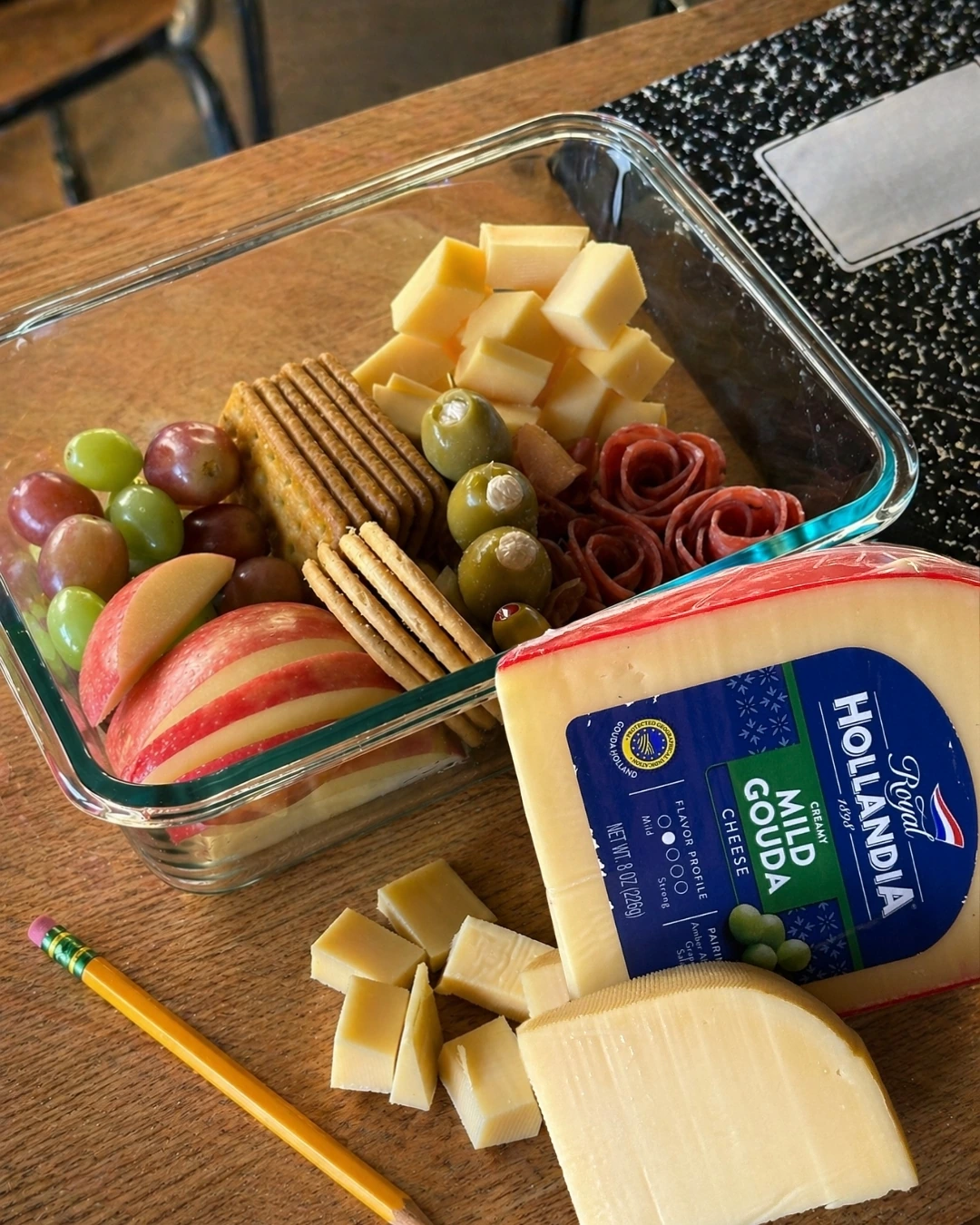
Cheese and apple give you a savory-and-fresh combination without assembling a sandwich.
For an adult snack portion, start with about an ounce of cheese and half an apple, adjusting to appetite. Keep crackers in a separate dry package.
Wrapped cheese portions save preparation. If you want a dairy-free option, replace the cheese with a suitable nut or seed portion and keep it separate from the sliced fruit.
19. Vegetable Sticks and Hummus
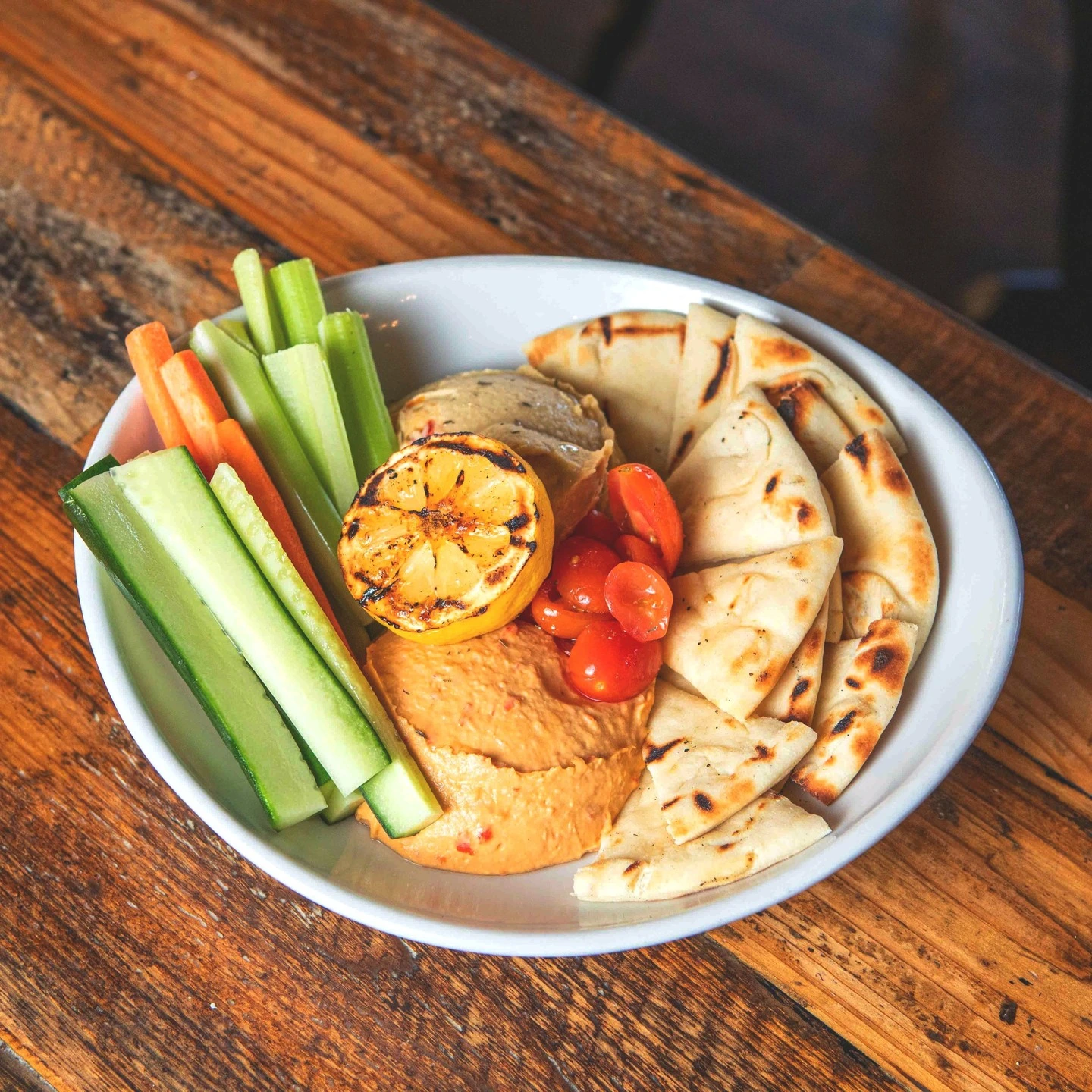
Vegetables offer a change after several dry snacks. For adults and older children who can manage their texture, carrot sticks, cucumber spears, and bell pepper strips provide variety.
Pack roughly a cup of vegetables with a small pot of hummus. Dry the vegetables after washing so liquid doesn’t collect underneath them.
Use a genuinely leakproof dip container. Dividers in a snack box may separate foods without preventing hummus from escaping.
20. Yogurt with Granola on the Side
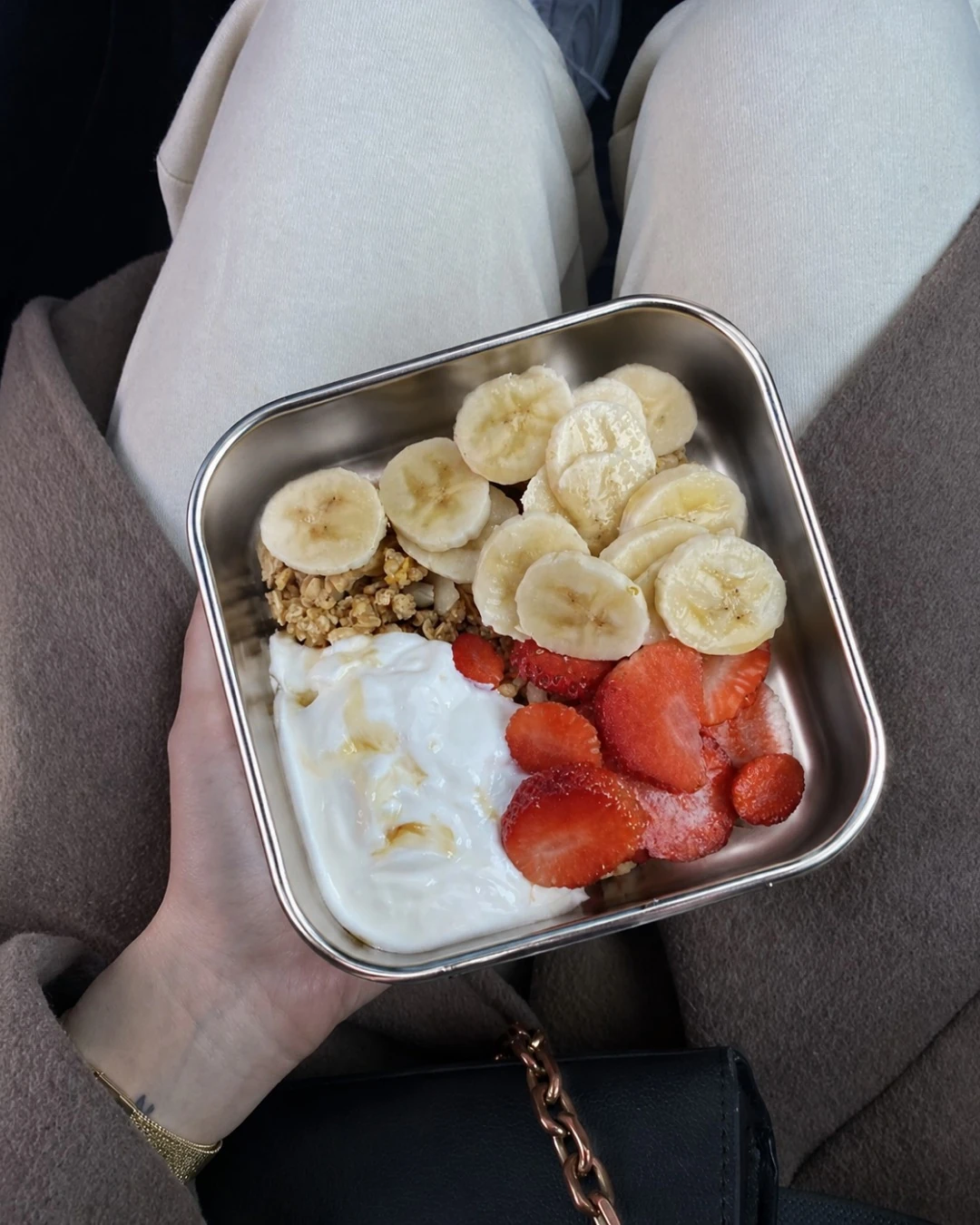
Yogurt works well for an early departure when you’d rather eat a small breakfast during the first stop.
Individual cups make portioning easy. Pack granola separately and add it when eating so it keeps its crunch.
Choose dairy or a suitable dairy-free yogurt according to preference, recognizing that ingredients and protein content vary. Put a spoon with the yogurt before packing—it’s the item most likely to be forgotten.
For a homemade topping, prepare our peanut butter honey granola before departure if its ingredients suit your dietary needs.
21. Hard-Boiled Eggs and Crackers
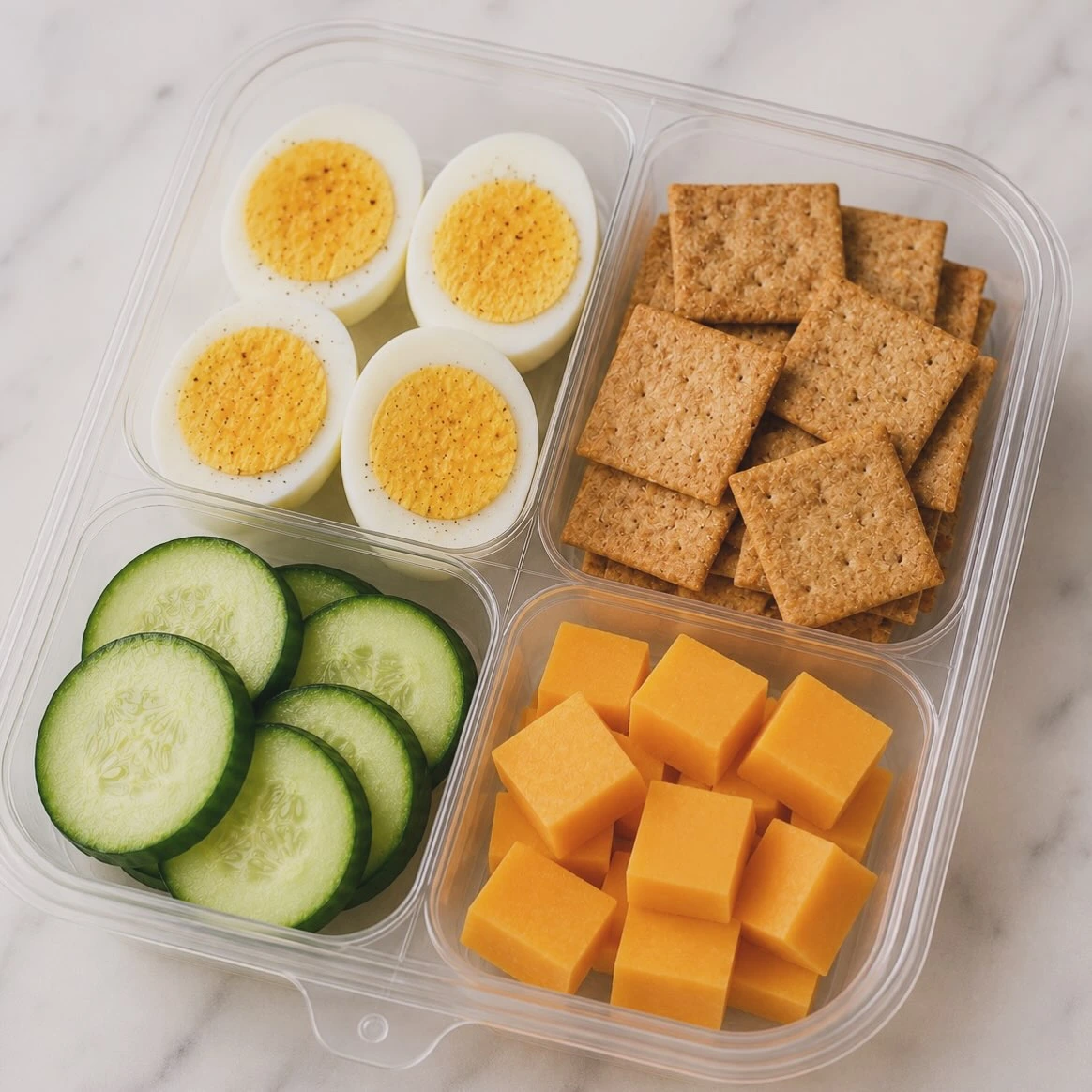
Hard-boiled eggs suit a planned savory snack break without requiring sandwich assembly.
Cook and chill them before departure, then transport them cold. Bring one or two per person according to appetite, with crackers kept dry.
Peel them at home and use a tightly closed container, or pack a bag for the shells. Eat them outside the car if your passengers are sensitive to food smells.
22. Turkey and Cheese Roll-Ups
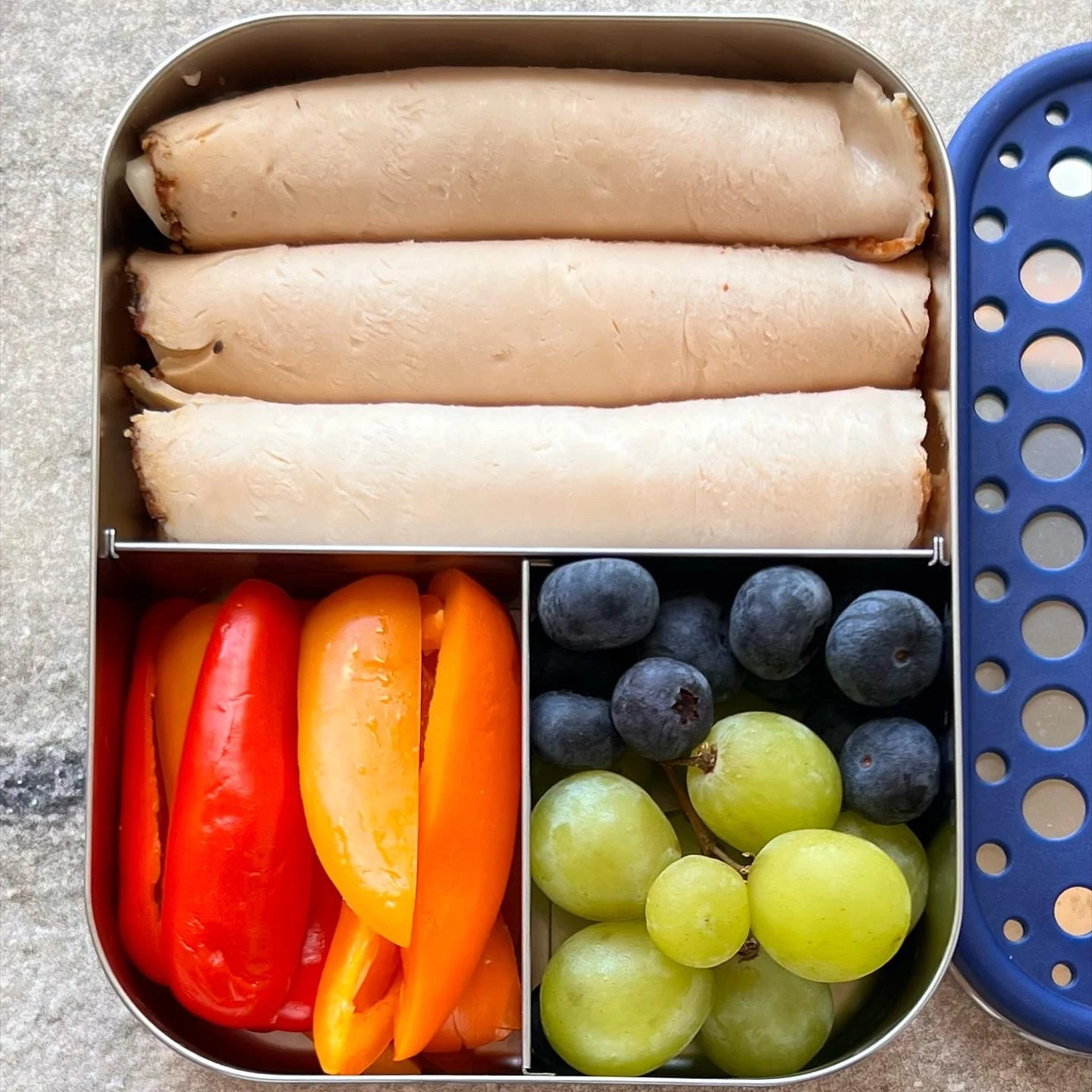
Turkey roll-ups provide a small sandwich-like snack without bread getting compressed.
Lay a slice of deli turkey flat, add a thin piece of cheese, and roll. A snug, shallow container helps them hold their shape without toothpicks.
Two or three can be a starting portion, depending on their size. Add mustard at the stop if wanted; packing it separately also lets everyone choose how much they use.
23. Peanut Butter and Banana Tortilla Rolls
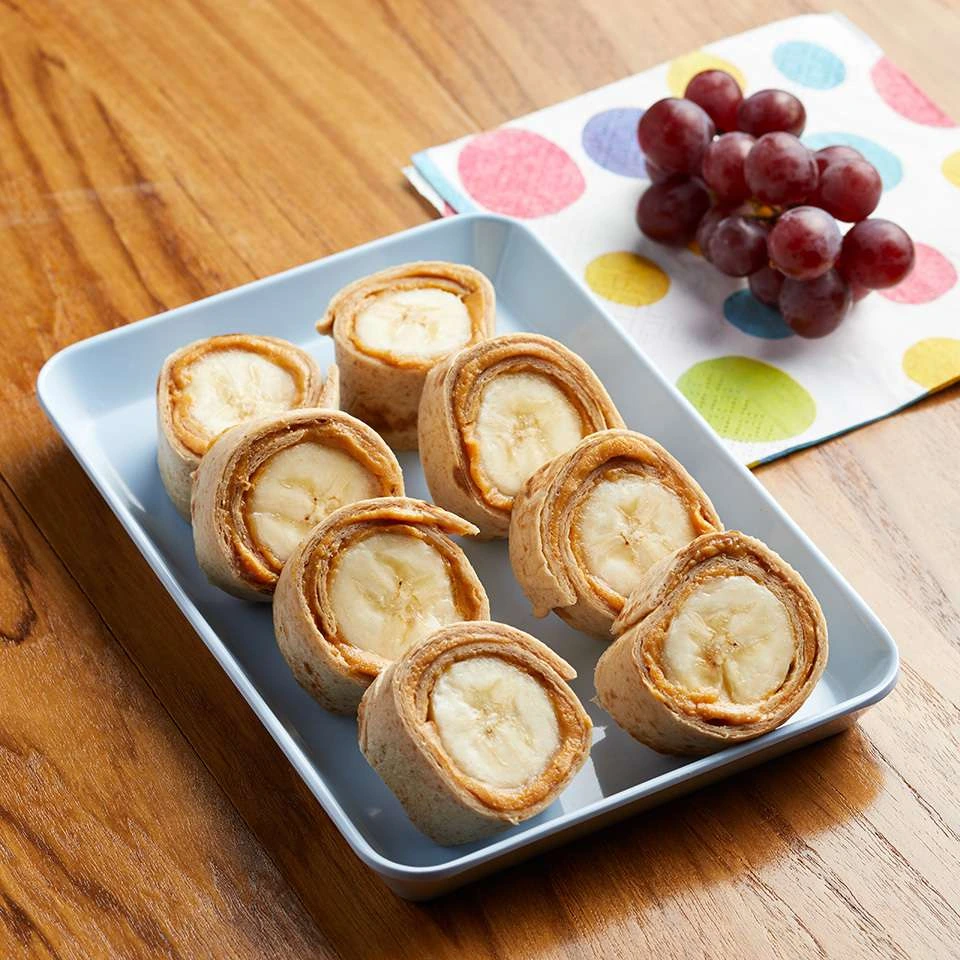
These are useful when you want a snack closer to a small meal.
Spread peanut butter thinly over a tortilla, add sliced banana, and roll firmly. Leave room at the edges so the filling doesn’t squeeze out.
Assemble during a break for the best texture, or keep prepared rolls chilled. Whole rolls usually travel better than small pinwheel slices. Use a suitable seed spread or labeled gluten-free tortilla when needed.
24. Cottage Cheese and Berries
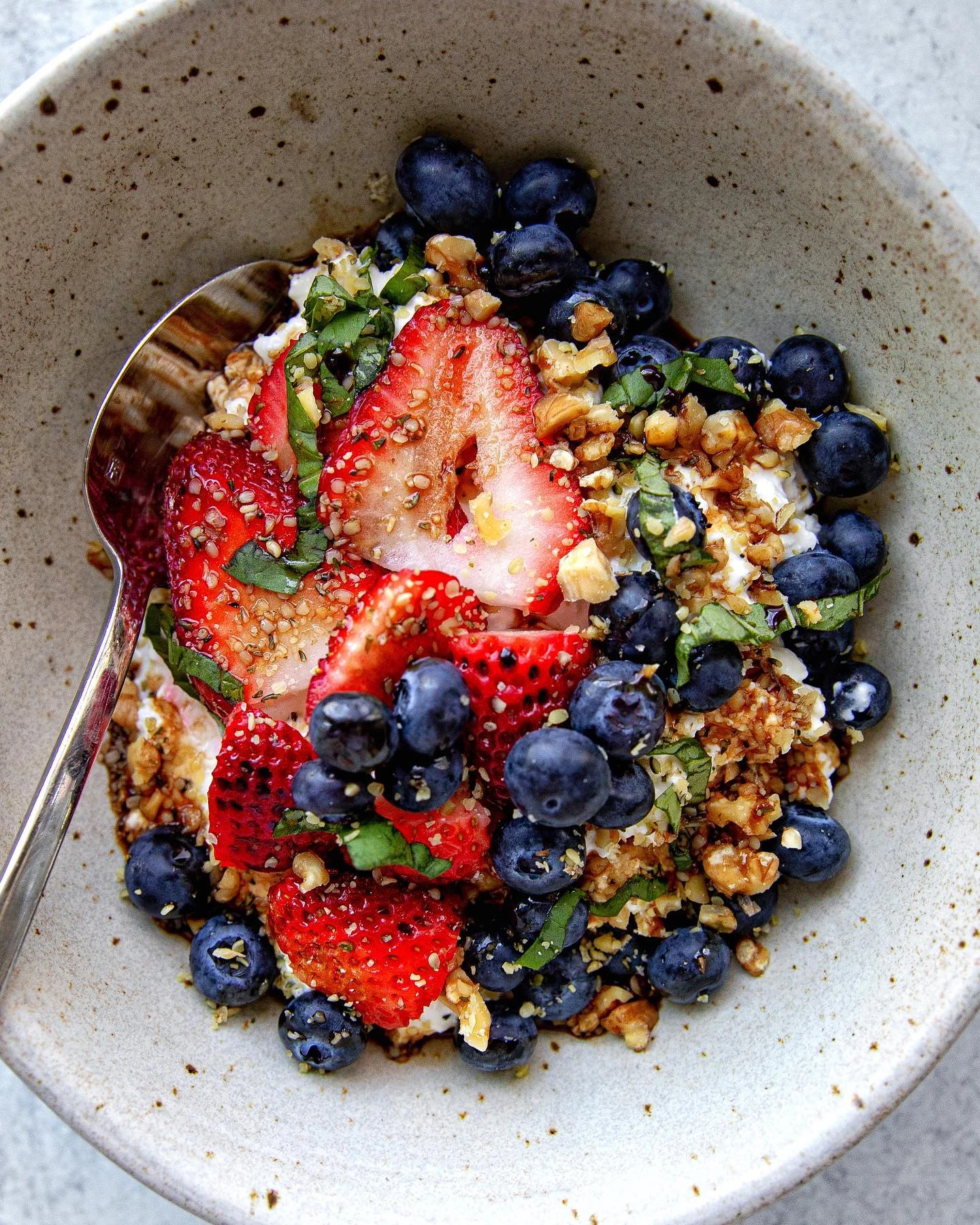
Cottage cheese and berries make a spoon snack for a proper stop.
Pack a small tub with washed, dried berries in a separate rigid container. Combine them when serving to avoid excess fruit juice mixing through the cheese.
This is a useful option if you already enjoy cottage cheese. If you don’t, take yogurt instead—the convenience of a travel-sized tub won’t change your preference.
25. A Tuna-and-Cracker Mini Snack Box
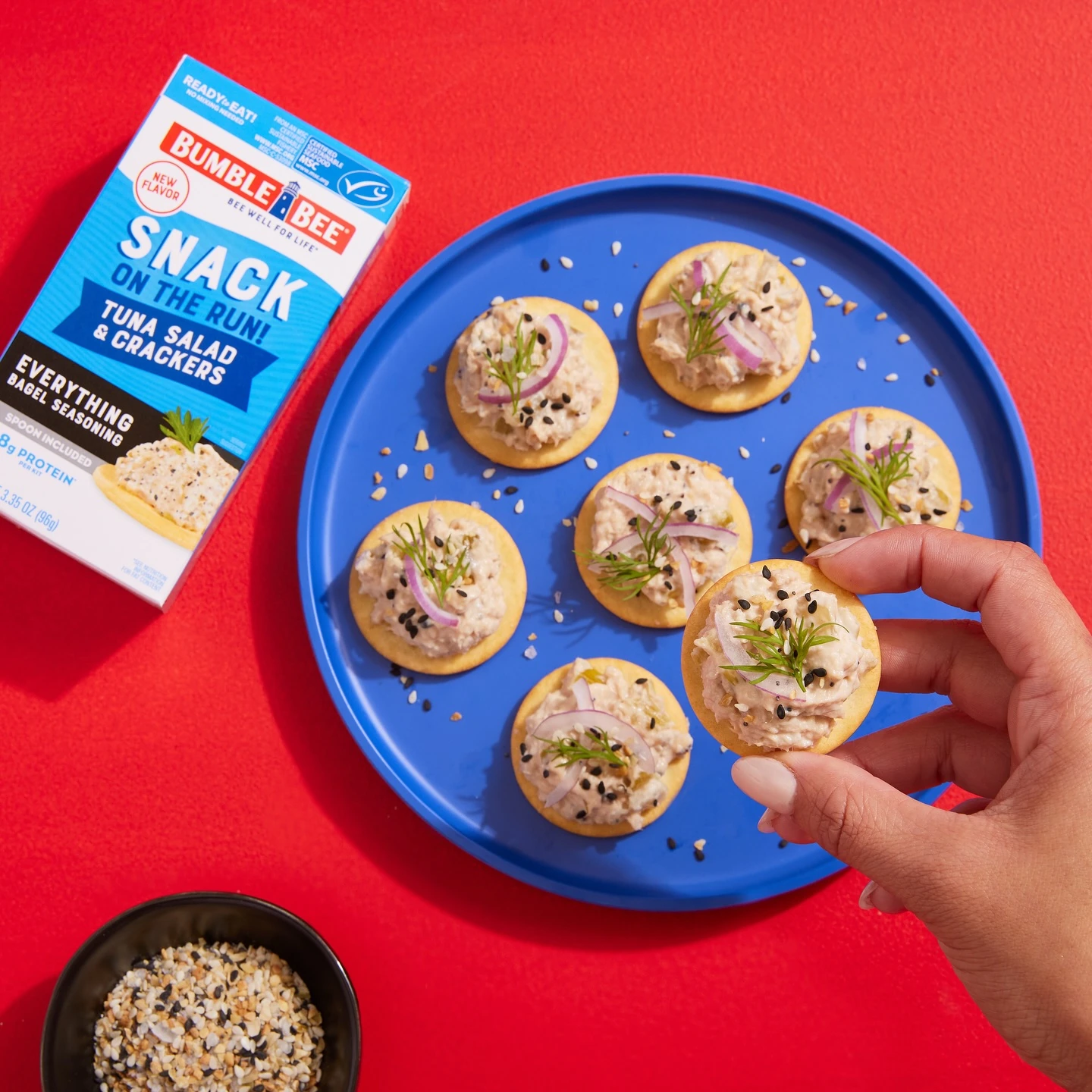
A small tuna pouch and crackers can bridge the gap when a meal stop is later than expected.
Keep the pouch sealed until serving, then open it during a break. Add chilled cucumber or pepper strips if you want fresh vegetables alongside.
Pack a fork and a bag for the empty pouch. The unopened tuna may be shelf-stable, but cut vegetables and any prepared mixture need appropriate chilling.
A Road Trip Snack Packing List for Two
Start with the meals you plan to eat, then pack snacks for the gaps.
For two adults taking a six- to eight-hour drive with a proper meal stop, the following is a practical example:
| Food | Quantity |
|---|---|
| Whole apples | 2 |
| Clementines | 2 |
| Nuts or a suitable seed alternative | ½ cup total |
| Familiar snack bars | 2 |
| Cheese | 2 ounces total, chilled |
| Prepared vegetables | 2 cups, chilled |
| Hummus | ½ cup, chilled |
| Oatmeal cookies | 2–4, optional |
| Water | Enough for both travelers and the route, with refill plans |
These quantities are a planning example, not a required intake or complete meal plan. Adjust for appetite, dietary needs, and access to food along the route.
Use the same supplies in different ways:
- For a small break: A clementine and part of the nuts.
- When you’re hungrier: Apple, cheese, and a snack bar.
- For a longer stop: Vegetables and hummus alongside your planned lunch.
- For a treat: A cookie after eating, with extras left unopened if nobody wants them.
You don’t need all 25 snacks. Several foods that people enjoy are more useful than a large assortment chosen only for variety.
For more combinations built around fruit, protein, and whole grains, see our healthy road trip snack ideas.
How to Pack and Store Your Snacks
Separate the supply into a dry snack bag and a cooler.
The dry bag holds suitable shelf-stable foods and whole fruit. The cooler holds dairy, eggs, deli meat, hummus, prepared wraps, and anything whose label requires refrigeration.
Put fragile foods above heavier items. Keep dry packaging away from loose ice water, and place the first stop’s food where it can be reached once you’re parked.
Bring a compact cleanup kit: napkins, required utensils, and a sealable rubbish bag. Wash hands before eating; wipes are useful for surfaces and sticky fingers.
Keep Perishable Food Cold
Move chilled foods directly from the refrigerator into a cooler with enough ice or frozen packs to maintain 40°F/4°C or below. Check with a thermometer rather than relying on whether the inside feels cold. USDA’s road-trip food-safety guidance
Take out only what you expect to eat. Perishable food should not remain above safe refrigeration temperature for more than two hours, or one hour when temperatures exceed 90°F/32°C. Count the total time out of safe cold storage across your stops. USDA’s food-temperature guidance
Follow product storage instructions for dry snacks too. Room-temperature storage does not mean unlimited time in a hot parked vehicle.
Adapt Food for Young Children
This list is mainly intended for adults and older children. Whole nuts, popcorn, tough meat snacks, hard raw produce, and thick portions of nut butter can be choking hazards for young children.
Choose food shapes and textures appropriate to the child’s development. Plan breaks where young children can sit appropriately and eat under close supervision; the CDC advises avoiding eating in the car or stroller. CDC’s choking-prevention guidance
For food allergies, check ingredients and cross-contact information, and clearly label suitable portions.
For an overnight road trip, a room with suitable refrigeration can help you restock for the next day. Compare hotels with kitchenettes, then confirm the refrigerator in the room you intend to book.
Frequently Asked Questions
What are the best road trip snacks without refrigeration?
Whole apples, clementines, suitable packaged nuts, dry-roasted edamame, pretzels, crackers, and shelf-stable bars are practical options.
Check each product’s instructions, especially what changes after opening.
Which road trip snacks won’t melt?
Plain pretzels, crackers, uncoated nuts, and dry cereal mix avoid the obvious problem of melted chocolate.
Heat can still affect their quality, so protect the food bag from direct sunlight and excessive warmth.
What are good high-protein road trip snacks?
Jerky, dry-roasted edamame, and some snack bars are convenient options when their storage instructions allow. Chilled choices include yogurt, eggs, turkey, cheese, and cottage cheese.
Protein content depends on the product and portion. Compare labels if you’re choosing snacks for a particular amount.
How can you keep road trip snacks inexpensive?
Start with food already in your kitchen. Divide larger packages, bring whole fruit, and choose a shared treat rather than buying several novelty snacks.
Homemade food isn’t automatically cheaper. Consider the ingredients you need to buy and the preparation involved before deciding what to make.
Should you make snacks or buy them?
Use whichever makes preparation manageable. Packaged staples provide convenience and storage instructions; homemade food lets you choose the ingredients and flavors.
A mix often works well: whole fruit, familiar packaged snacks, and one homemade item you actually want to prepare.
Pack Food You’ll Be Glad to Find
Choose a few foods with different textures and flavors, give perishable items proper cold storage, and keep the first break’s supply accessible.
There’s no prize for the most elaborate snack bag. The useful one is the bag you can open when you’re hungry and find something you’re happy to eat.
3 thoughts on “25 Road Trip Snacks You’ll Wish You Packed Before Your Next Long Drive”