
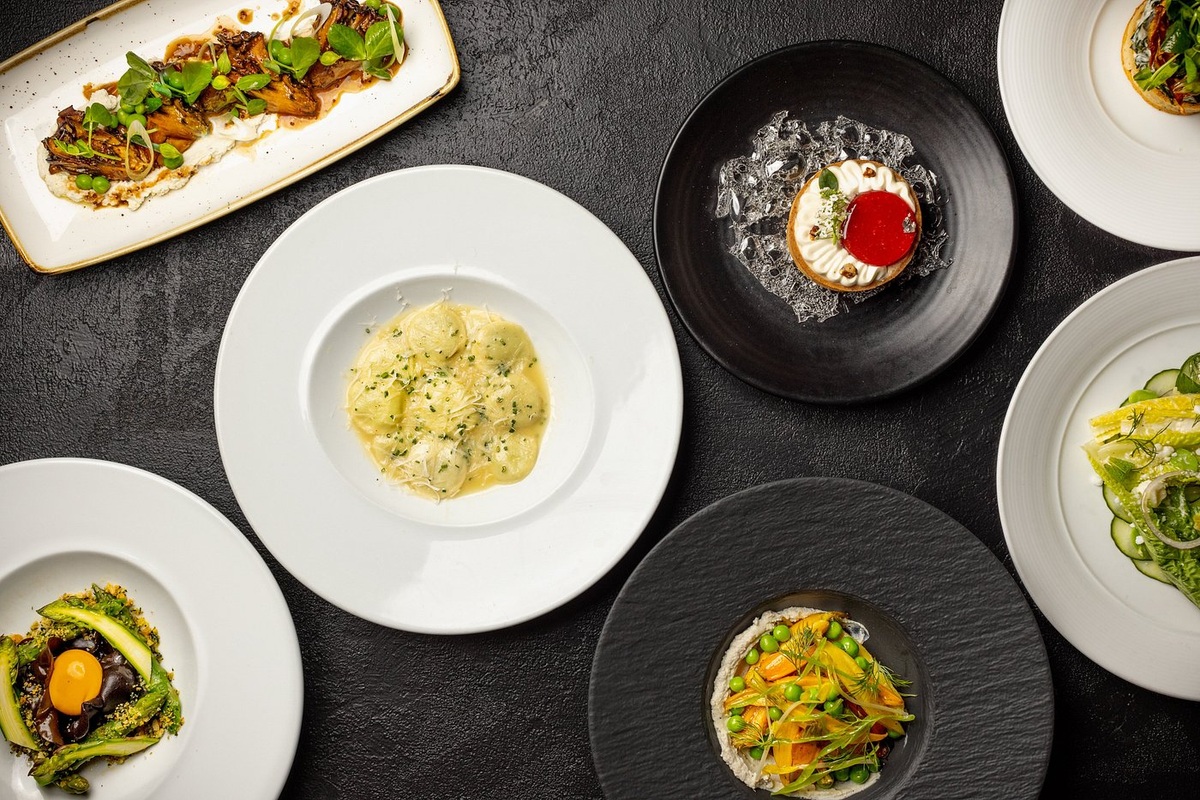
A good vegetarian getaway starts with meals you are excited to plan around: a Sri Lankan curry spread, a diner sandwich piled with seitan, or a tasting menu that gives vegetables the attention usually reserved for a steak. The city matters, but so does the part of town where you will spend your time.
These 13 destinations offer different ways to build a food-focused weekend. Some suit a special dinner and a museum afternoon; others are better for a relaxed sequence of cafés, markets, and neighborhood walks. This is an editorial selection, not a numbered performance ranking, and the cities are arranged roughly from west to east.
When comparing the best US cities for vegetarian travelers, be careful with “best city” lists. WalletHub’s city comparison includes grocery affordability and lifestyle measures that matter to residents. For a short trip, restaurant locations, booking rules, and the meals you actually want to eat are often more useful.
A note on diets and photos: Vegetarian restaurants may serve dairy and eggs; vegan restaurants exclude them. Mixed-menu restaurants are identified below. Photos show real dishes photographed at the named venues, including past menus, and are not promises of what will be available on your travel dates. Restaurant details were checked in October 2026.
Disclosure: This article contains affiliate links. We may earn a commission if you book through them, at no extra cost to you.
On this page17
Choose the kind of food weekend you want
| If your priority is… | Start by considering… | Plan around… |
|---|---|---|
| Creative tasting menus | New York, Philadelphia, Washington, DC | A confirmed dinner reservation and a lighter lunch |
| Comfort food and casual meals | Chicago, Denver, Austin | Brunch, sandwiches, and a flexible afternoon |
| A market-centered day | Seattle, Madison | Vendor schedules and time to browse |
| A coastal trip with memorable meals | San Francisco, Los Angeles, San Diego | Neighborhoods that keep travel between meals manageable |
| A cuisine-led meal to share | Portland, Atlanta | Sri Lankan curries or an Ethiopian vegan platter |
1. Portland, Oregon: build a Southeast Portland curry-and-café day
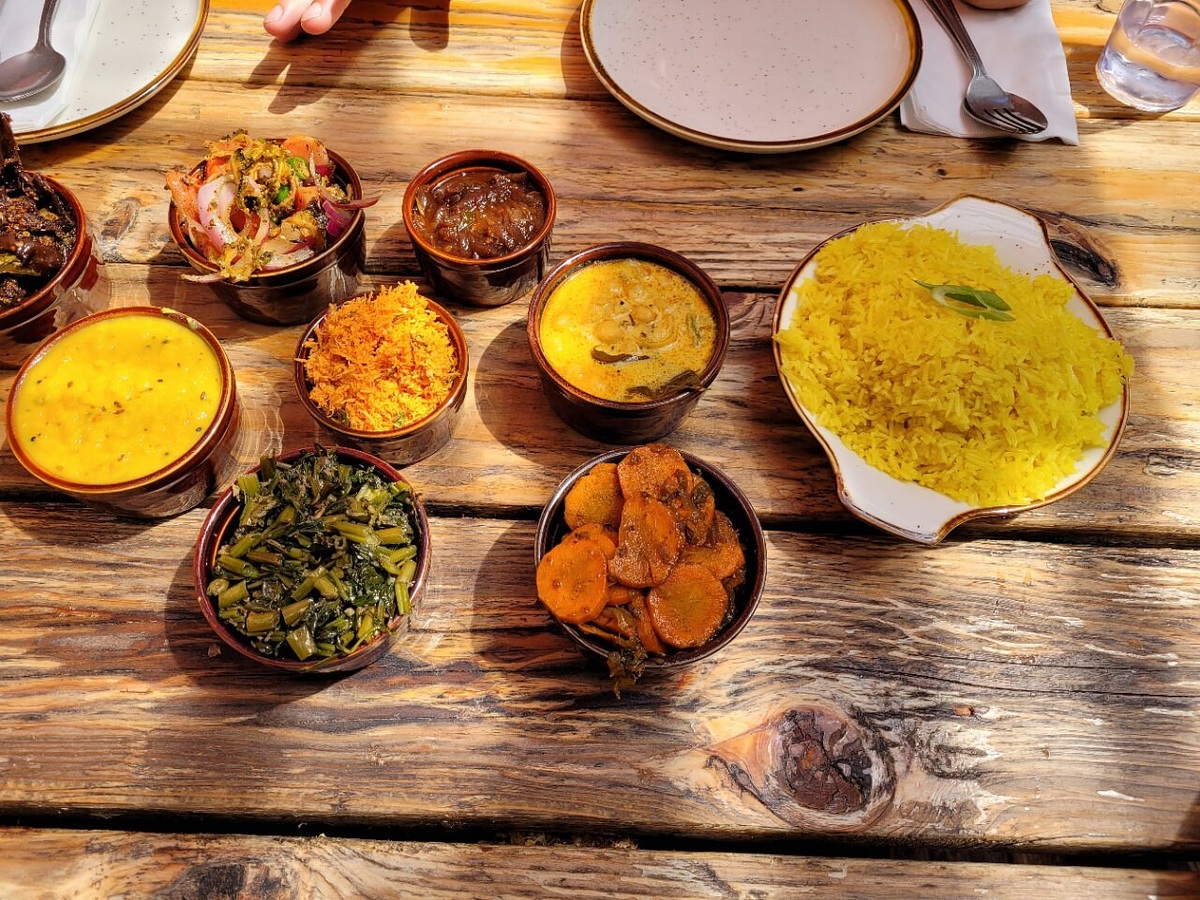
Portland is a particularly appealing choice if you want meat-free meals with very different flavors, rather than variations on the same burger. At Mirisata, a worker-owned vegan Sri Lankan restaurant on Southeast Belmont, rice and curry gives you several dishes to compare in one sitting. Jackfruit curry, pol roti, and string hoppers offer different starting points, depending on that day’s menu.
Order a spread with your travel companion instead of duplicating the same plate. Ask which curries are hotter and which sides bring contrast. Weekend hopper service is worth checking ahead for; it is not something to assume will be offered whenever you arrive.
For another meal, Kati Thai on Southeast Division has vegetarian dishes such as crispy rice salad and tofu larb. Its menu is plant-based apart from optional egg and regular milk in drinks, so vegan travelers still need to specify those choices.
Make it work: Keep the day in Southeast Portland, with Belmont and Division as separate meal stops. Mirisata takes reservations for groups of six or more; smaller parties should leave some flexibility. This is a good weekend for sharing casual meals, without making every lunch a timed appointment.
2. Seattle, Washington: pair a vegetarian café with a market tasting walk

Café Flora is a vegetarian restaurant in Madison Valley, with vegan choices and an inviting atrium. It makes a useful anchor for brunch or dinner if you want a sit-down meal away from the busiest tourist corridors. Check the seasonal menu rather than choosing your order from an older photograph.
The reservation rules depend on the meal: part of the dining room can be booked for dinner, while brunch and lunch reservations are for parties of six or more. A couple planning a weekend brunch should allow for a walk-in wait. Café Flora is not in Pike Place Market, so put the two on different parts of your day.
For a downtown afternoon, use the market’s vegan-friendly eating guide to narrow your choices. Our Pike Place Market food guide is useful for planning a mixed-diet group’s route, but it also includes seafood and other nonvegetarian foods.
An optional guided vegetarian tasting walk
The approximately 90-minute Pike Place Tour with Vegan and Vegetarian Tastings is a relevant alternative to choosing every stop yourself. It includes food and drink tastings, with stops subject to the operator’s itinerary. Tell the operator whether you need vegetarian or fully vegan tastings before booking; do not assume dairy substitutions happen automatically. Tastings may not replace a full meal, so leave your lunch plans flexible.
The two buttons below lead to the same experience on different booking platforms. Compare the final price, dietary arrangements, meeting instructions, and cancellation terms for your date.
Check vegetarian tastings on Expedia
Compare the same tour on Viator
3. San Francisco, California: choose vegan sushi or a waterfront vegetarian dinner
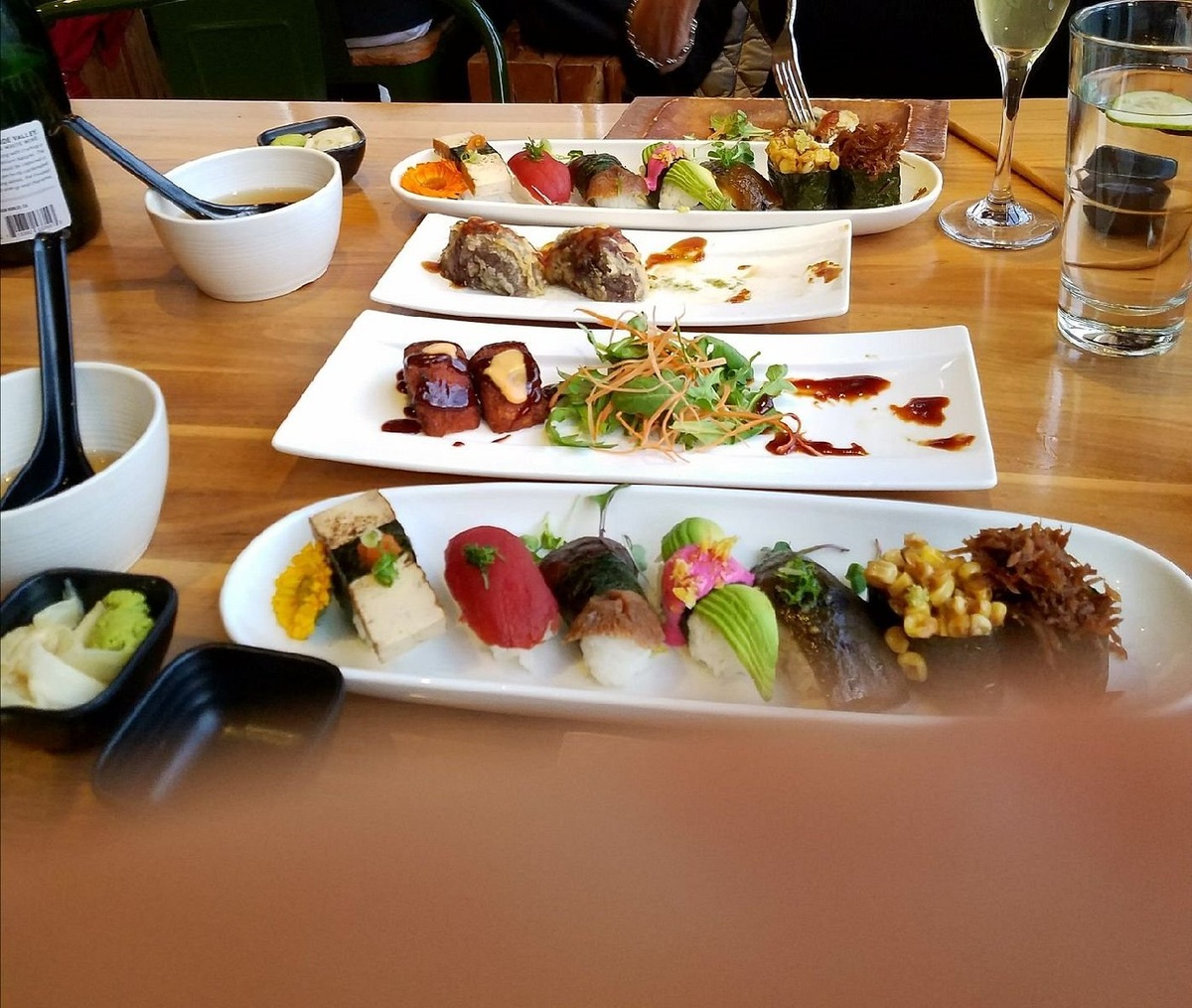
San Francisco works well when you want a restaurant to be a main event. Shizen on 14th Street is a vegan sushi bar and izakaya: the appeal is the way plant ingredients create variety across a Japanese-style meal. Let the menu guide you toward contrasting textures instead of ordering several similar rolls.
Planning matters here. Dining-room reservations open seven days ahead, the maximum reservation party is four, and the limited sushi-bar walk-in seating accommodates parties of up to three. Shizen does not offer takeout. A large group should choose another plan rather than hoping several separate bookings will become one table.
For a different setting, Greens at Fort Mason serves vegetarian cooking with vegan and vegan-possible dishes marked on the menu. It suits a waterfront afternoon followed by a leisurely meal. Greens’ FAQ currently notes a 6.5% living-wage surcharge, an example of why the menu price is not always the final cost.
Make it work: Treat the Mission-area Shizen meal and the Fort Mason visit as separate outings. Choose one for your reserved dinner and leave room for exploring its surrounding area.
4. Los Angeles, California: make a plant-based dinner the evening’s destination
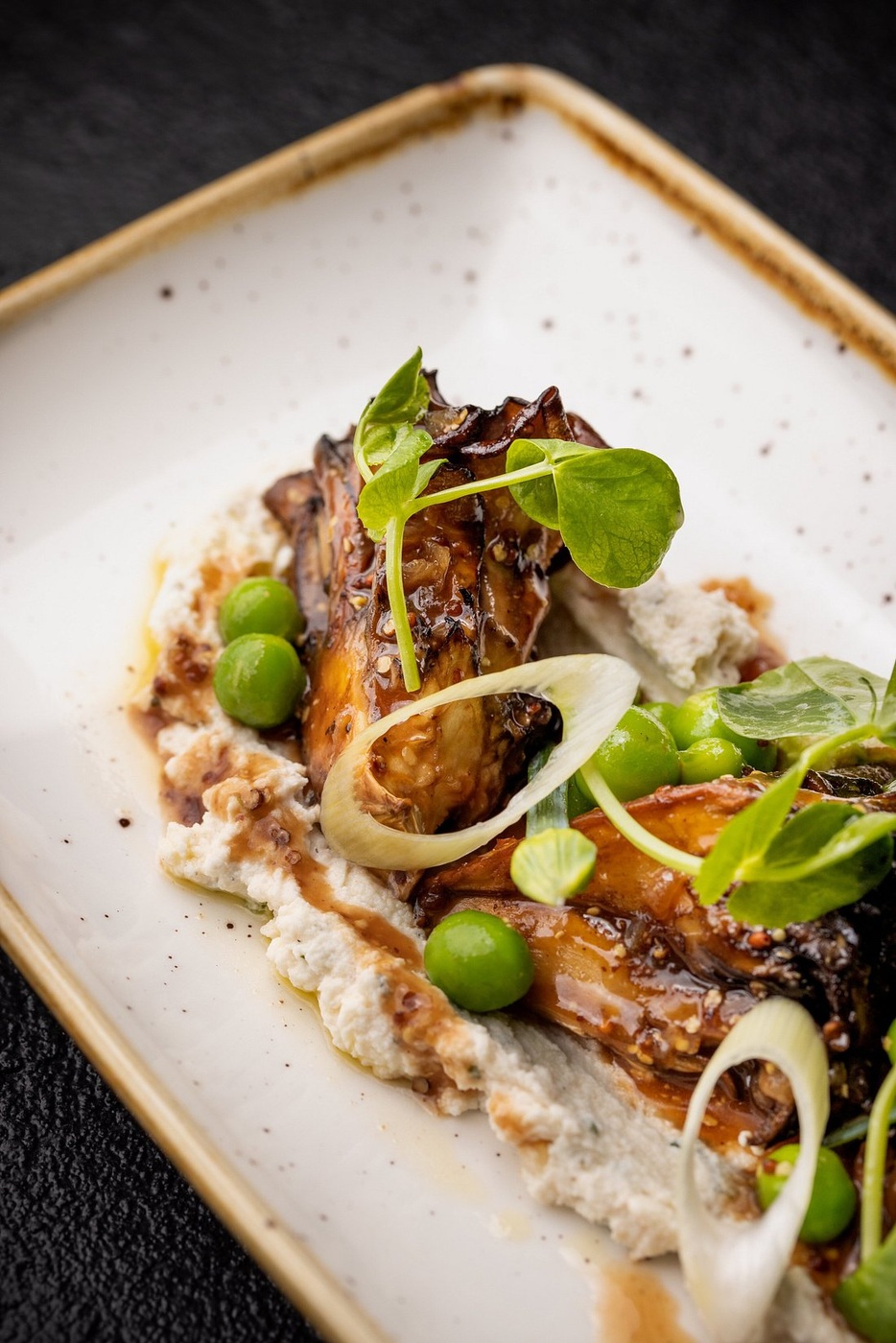
Crossroads Kitchen on Melrose Avenue is a strong starting point for travelers who want a polished dinner with Italian and Mediterranean influences. Its plant-based cooking includes dishes such as stuffed zucchini blossoms with almond ricotta, pasta, and mushroom preparations. The menu changes, so choose from the current version when booking.
This is an appealing option for a group that wants a restaurant evening with shared starters and a proper main course, rather than a meal built around everyone’s dietary restrictions. Familiar names such as ricotta or cacio e pepe do not mean the dishes contain dairy here; still, tell staff about allergies, particularly when nut-based ingredients are involved.
Make it work: Use the Melrose-area dinner as the center of an afternoon nearby. A beach morning, an east-side lunch, and a Melrose dinner can mean spending much of the day in transit. For a short food trip, picking a smaller area is often more rewarding than collecting restaurant names across Los Angeles.
Book the dinner first, then decide whether you want a casual lunch or an additional restaurant meal. This keeps a special dinner from competing with an overambitious eating schedule.
5. San Diego, California: separate South Park comfort food from a coastal café day
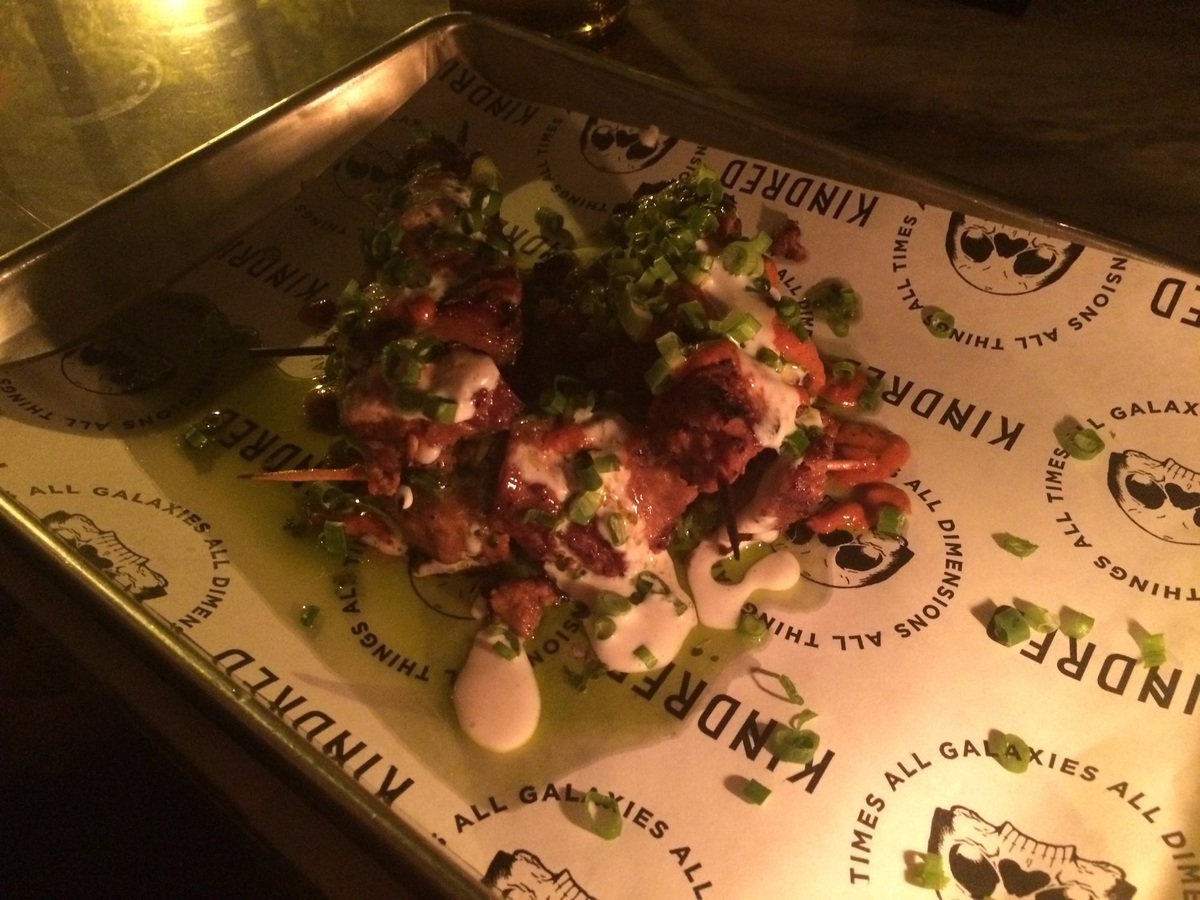
In South Park, KINDRED combines plant-based food with a substantial drinks menu. Seitan skewers and tofu preparations give you something more satisfying than a token side salad; there are also spirit-free drinks if cocktails are not part of your trip. Check the current food service before making it a late-night dinner plan.
For a different day, Trilogy Sanctuary’s rooftop café in La Jolla offers a vegan, gluten-free, and soy-free menu, including breakfast dishes, tacos, and smoothies. That combination can simplify menu browsing for some travelers, but it does not mean the kitchen suits every allergy. The café uses nuts heavily and does not guarantee nut-free dishes.
Make it work: Pair KINDRED with a South Park afternoon and Trilogy with a La Jolla coastal outing. They are separate neighborhood plans, not two adjacent stops on a walking crawl. Trilogy does not take reservations; check its access information and plan for a casual café visit.
If tacos are another priority, our neighborhood-by-neighborhood San Diego taco guide can help organize the route. Confirm fillings, beans, and sauces directly, since that guide covers mixed menus.
6. Denver, Colorado: plan a relaxed comfort-food weekend
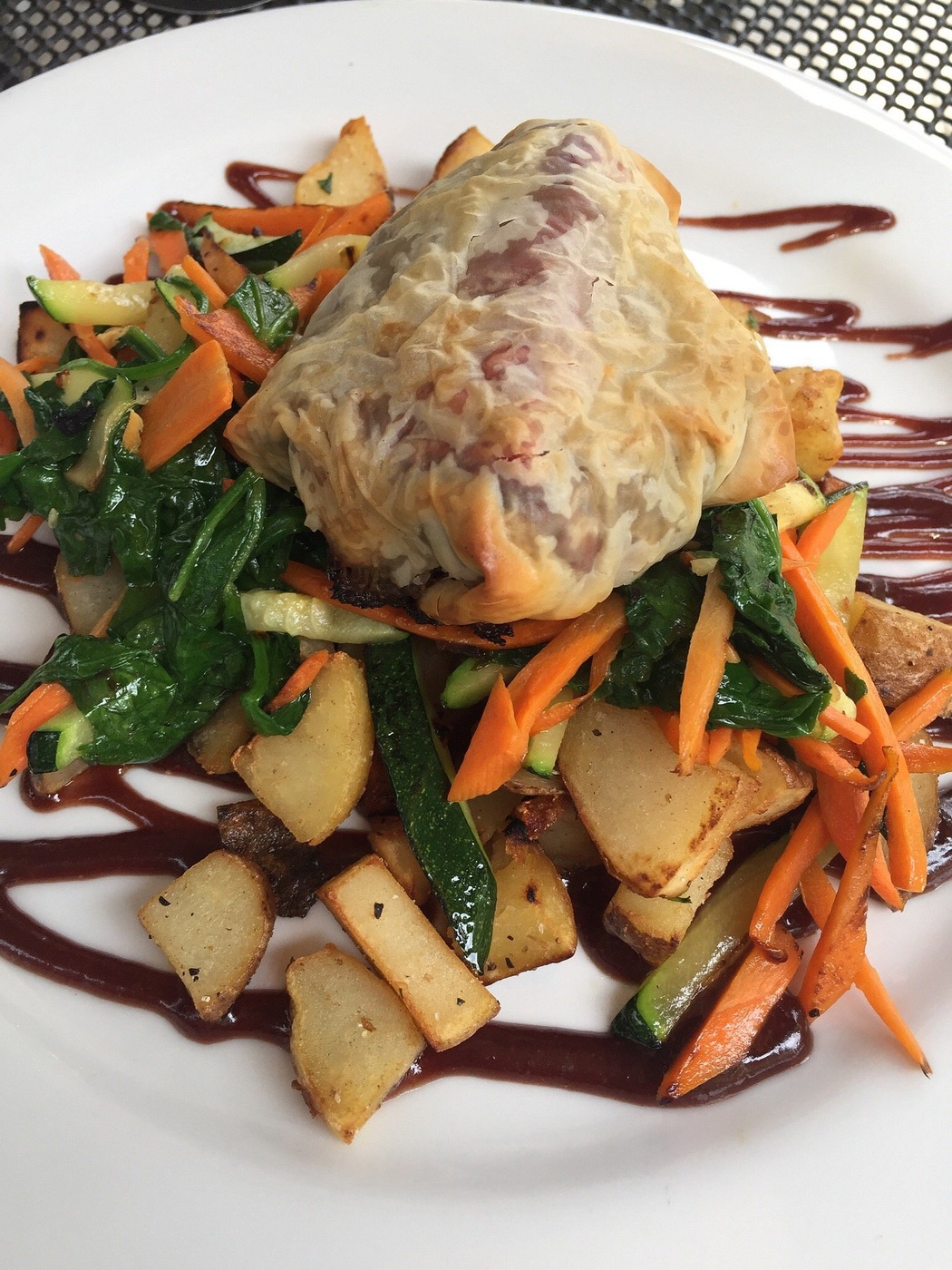
Watercourse Foods in Uptown serves vegan food in a counter-service and self-service format. That is useful to know before arriving with expectations of a traditional waiter-led dinner. Make it a casual anchor meal, then leave time for the neighborhood instead of building the afternoon around a long dining-room booking.
For another stop, City, O’ City has a vegetarian menu whose dishes are vegan unless you select dairy mozzarella or egg. Its menu also specifies vegetarian rennet for the cheese. Pizza with a choice of cheeses makes it straightforward for friends with different preferences to eat together, provided everyone chooses their own version carefully.
Make it work: Combine an Uptown meal with a separate Capitol Hill outing. Watercourse is closed on Mondays, which matters for a long weekend that extends beyond Sunday. Recheck both menus and service times before traveling, particularly around holidays.
For budgeting, compare the full order rather than assuming every vegetarian meal is inexpensive. A drink, starter, dessert, and service or operations fee can turn a casual stop into the day’s main food expense.
7. Austin, Texas: start with vegetarian breakfast, then change cuisines
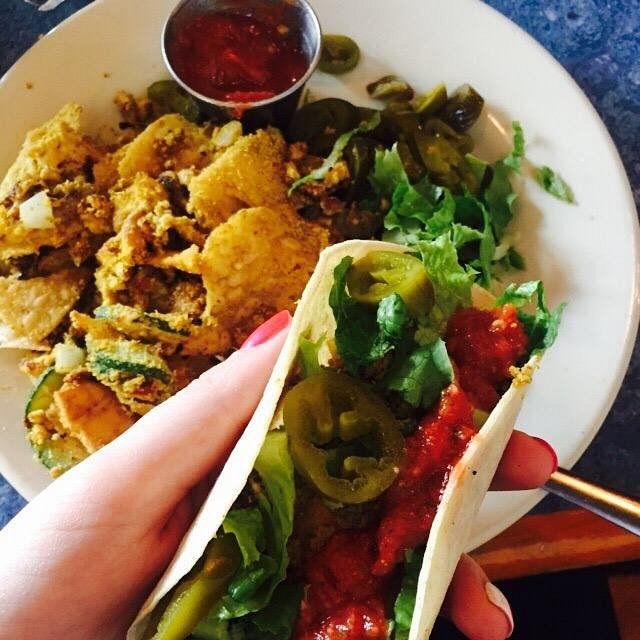
Bouldin Creek Café on South First Street makes Austin an attractive choice for travelers who want breakfast to count. This vegetarian and vegan café offers egg or tofu choices, with migas and breakfast tacos among the reasons to build a morning around it. Vegan travelers should specify both the protein and the cheese option.
A filling breakfast is a good reason to keep lunch flexible. Spend part of the day nearby, then try a different style of meal at Nori on Guadalupe Street, a plant-based Japanese restaurant. Rolls with ingredients such as smoked tempeh and tempura tofu offer a different kind of comfort food from breakfast tacos.
Make it work: These restaurants are in different parts of Austin. Plan Nori as a separate outing, with travel time built in, rather than a short walk after visiting South First. If you only have one full day, pick the meal that interests you most and choose your other food nearby.
Austin suits a vegetarian weekend that mixes casual daytime eating with one more deliberate dinner. It does not require turning every meal into a barbecue substitute.
8. Chicago, Illinois: make room for a diner meal with substance
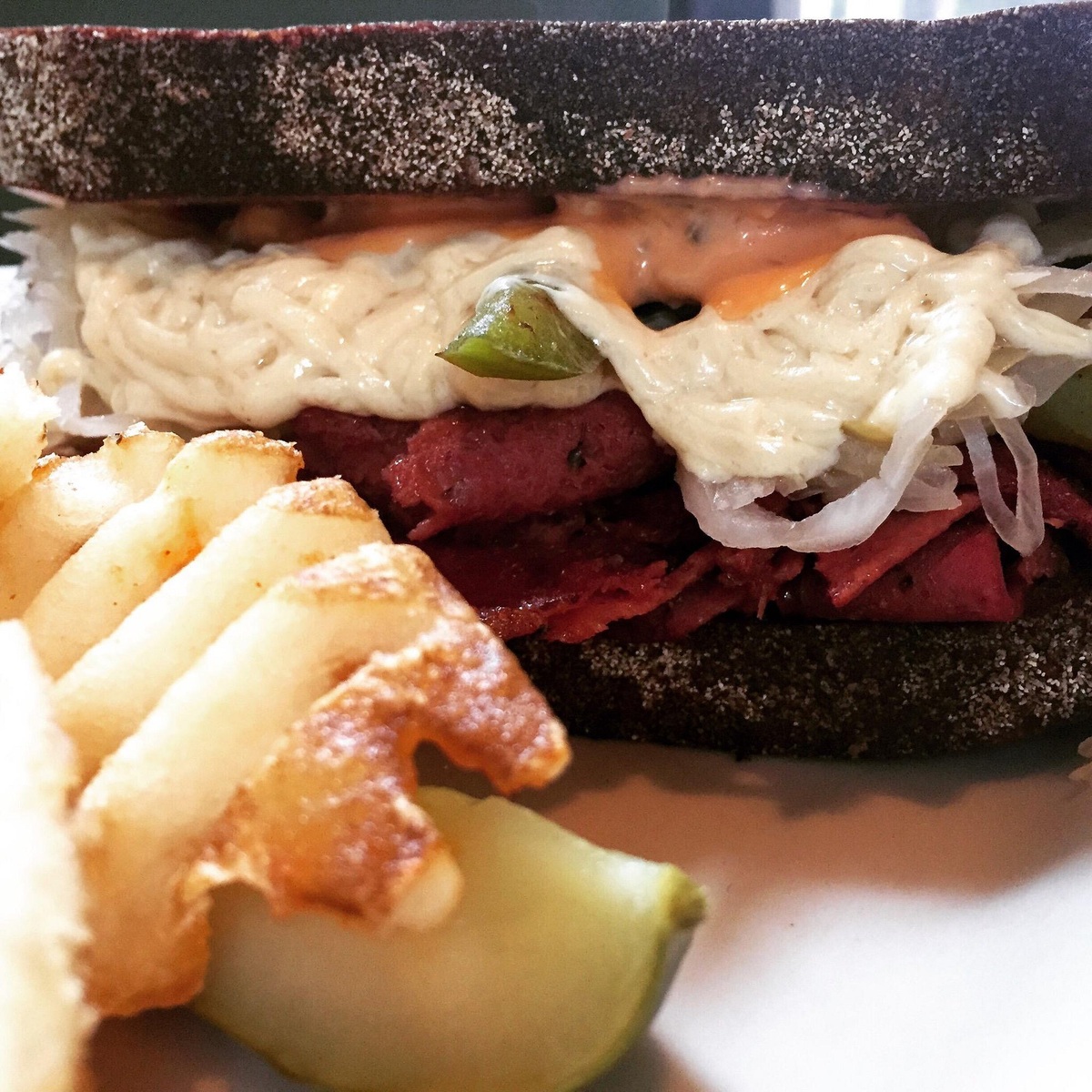
For travelers who want comfort food, The Chicago Diner in Lakeview is an easy restaurant to build a day around. Its Radical Reuben layers corned-beef-style seitan with sauerkraut, peppers, onion, and Thousand Island dressing on rye. Add a dairy-free shake if that is your idea of a vacation meal, or split dessert after seeing how hungry you still are.
The restaurant is vegetarian, with vegan options; dairy cheese choices mean you should not assume every possible order is vegan. Check the version you are requesting, particularly if you customize a sandwich. The menu lists daily brunch until 3 p.m., which gives a late-starting weekend a useful food anchor.
Make it work: Use the Lakeview location on North Halsted Street for this plan and organize an afternoon in the area. A substantial sandwich-and-shake lunch calls for a lighter dinner, not an automatic second full meal.
Chicago is a good choice if your group values familiar, satisfying dishes. Confirm the exact branch address before leaving; an old article naming another location is not a substitute for the restaurant’s current information.
9. Madison, Wisconsin: combine a farmers’ market morning with a neighborhood café
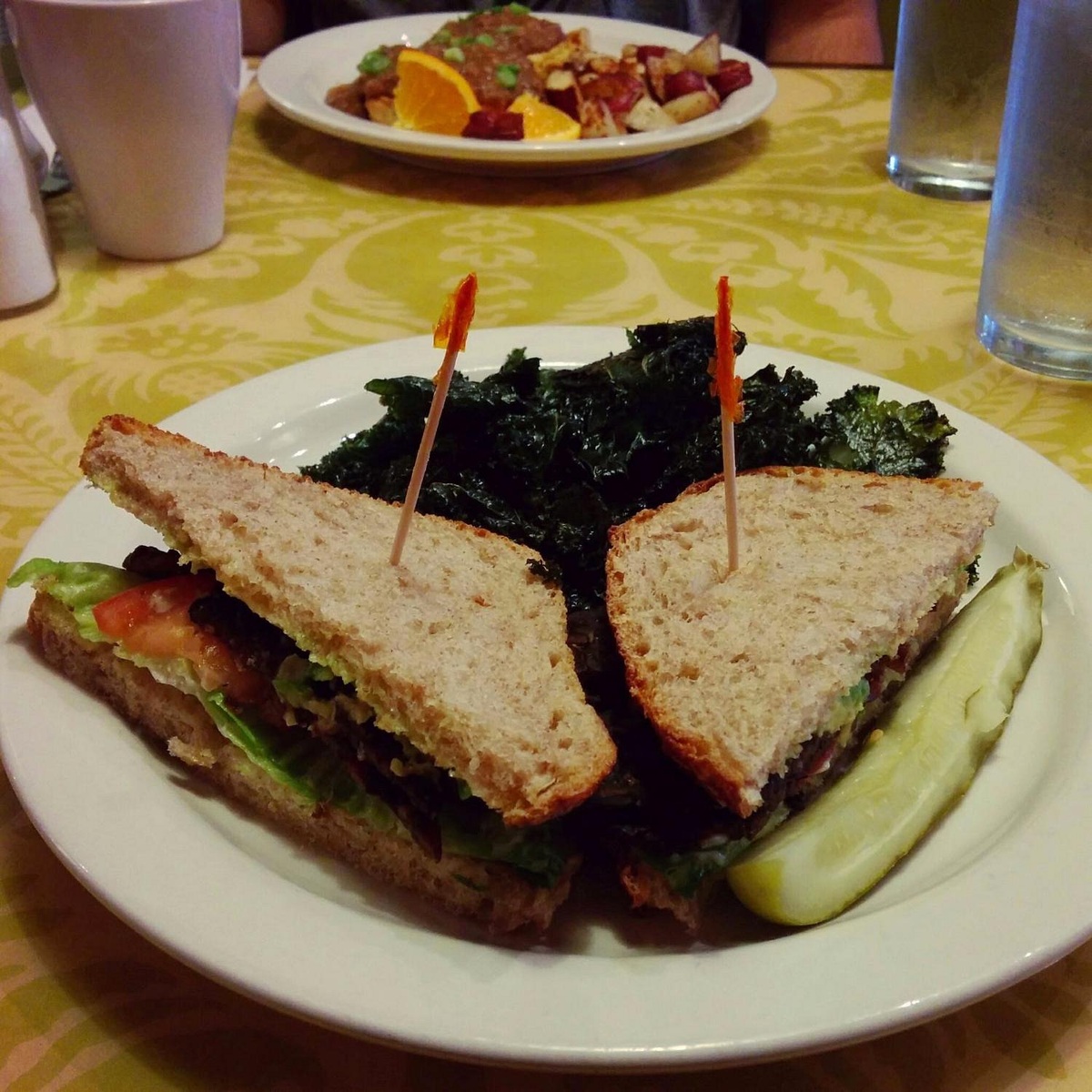
Madison works especially well for a weekend that leaves room to browse. The Dane County Farmers’ Market on Capitol Square is producer-only, and vendors can sell out before closing. Check the seasonal schedule and go early if buying ingredients or picnic supplies is part of your plan. The market’s outdoor and winter arrangements are not interchangeable.
Later, head to The Green Owl Café on Atwood Avenue for vegetarian and vegan comfort food. The café currently describes counter service and roughly 30 indoor seats, with takeout an important part of the operation. It is a more realistic choice for a relaxed lunch than for a large group arriving unannounced and expecting an immediate table.
Make it work: Treat the Square and Atwood as two distinct stops, with time to move between them. Green Owl is closed Mondays; a Saturday-and-Sunday visit is easier to shape around these particular recommendations.
At the market, ask about prepared foods rather than assuming a vegetable pastry or cheese-filled snack meets your diet. Fresh produce is easy to identify; broths, pastry fats, and cheese ingredients need more conversation.
10. New York City, New York: reserve a vegetable-led tasting menu
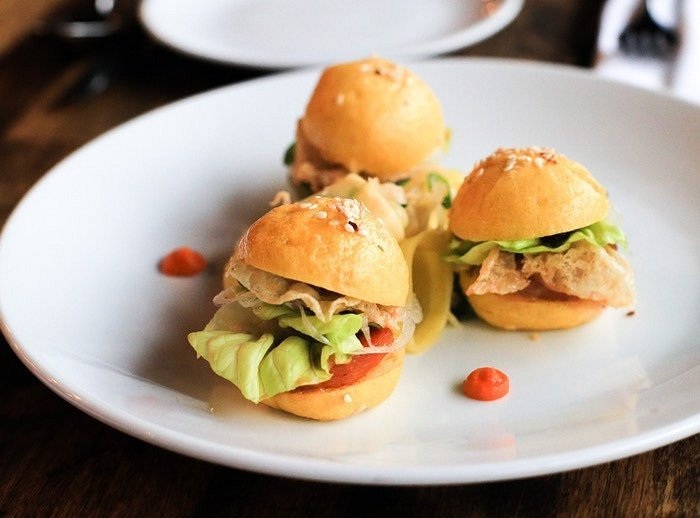
Dirt Candy on the Lower East Side is a good reason to organize a New York evening around dinner. Vegetables lead the experience, and the restaurant offers vegetarian and vegan versions of its tasting menu. It is not an à la carte stop where one person can order a small starter and leave.
At the time of checking, the five-course dinner is $118 per person, including the tip but excluding tax. Reservations open 30 days ahead. Menus change with the season, so older photos are useful for understanding the creativity, not for choosing a guaranteed dish. Discuss restrictions before committing to a reservation; the booking information also sets expectations for children and larger parties.
For a different meal, Spicy Moon serves vegan Szechuan food, with an East Village location among its branches. Choose the branch near your day’s plans, and ask about spice levels rather than assuming “vegan” means mild.
Make it work: Reserve your tasting-menu evening first and keep that day’s lunch light. A casual meal on another day gives you more variety than booking several lengthy dinners back to back.
11. Philadelphia, Pennsylvania: give vegetables the dinner spotlight
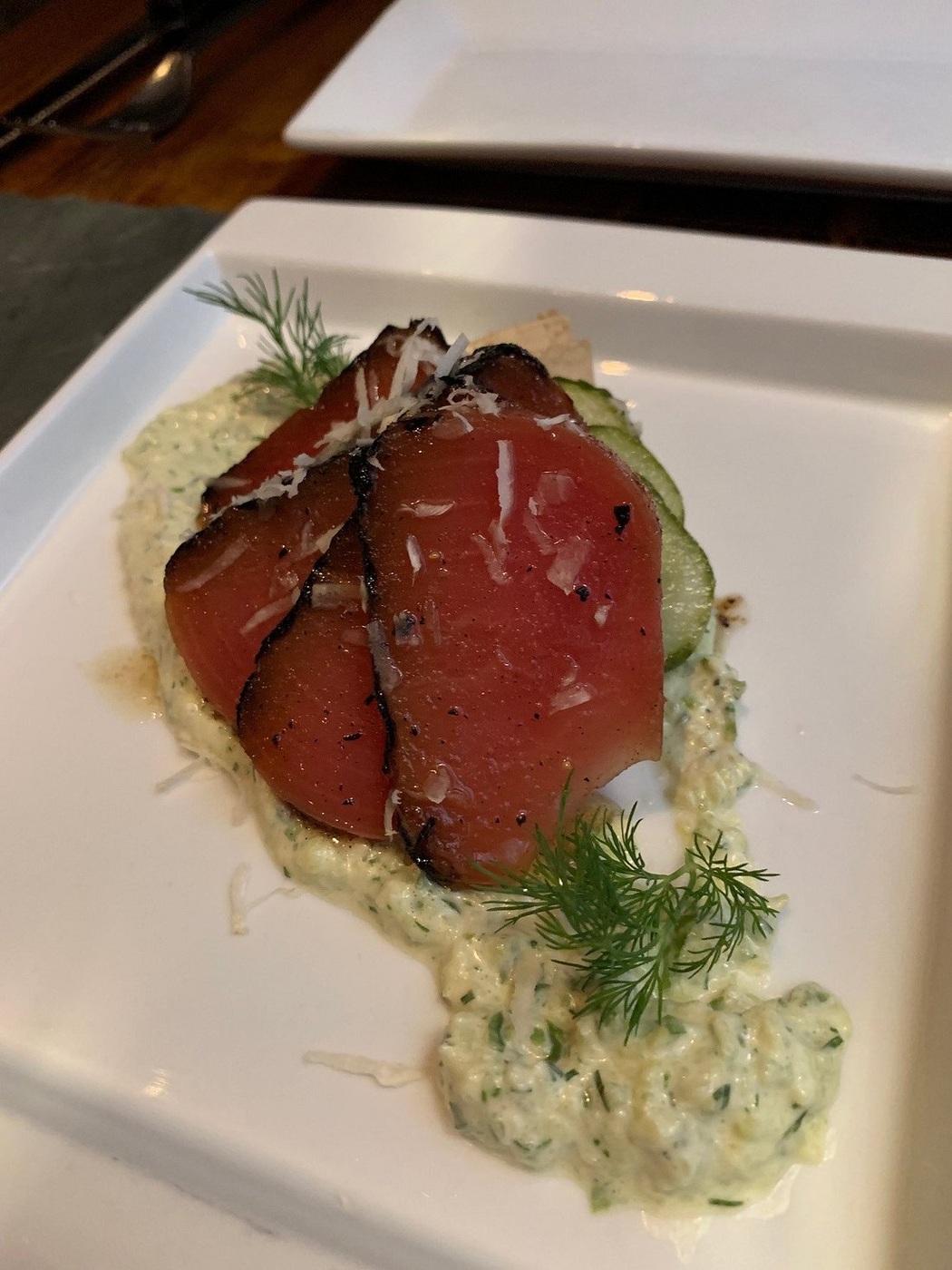
Vedge on Locust Street is a strong choice for a dinner where vegetables are the main attraction. Its seasonal cooking rewards choosing dishes for their different preparations and textures, rather than looking for a direct replacement for a meat entrée.
Make a reservation for the evening you most want to protect, then ask the staff to help build a balanced order. A table of two can discuss which plates complement one another and how much food makes a satisfying meal. Check the current menu before deciding how much to order; a photograph of a past beet dish is not a guarantee of a returning item.
Make it work: Keep your afternoon around Center City, leaving time to return to your accommodation before dinner. Vedge currently serves dinner Tuesday through Saturday, so a Sunday night needs another plan.
For a separate market outing, our Reading Terminal Market food guide can help a mixed-diet group find choices under one roof. It includes vegetarian possibilities alongside meat dishes; check the specific vendor’s ingredients and opening days rather than treating the whole market as vegetarian.
12. Washington, DC: book a special evening at Elizabeth’s
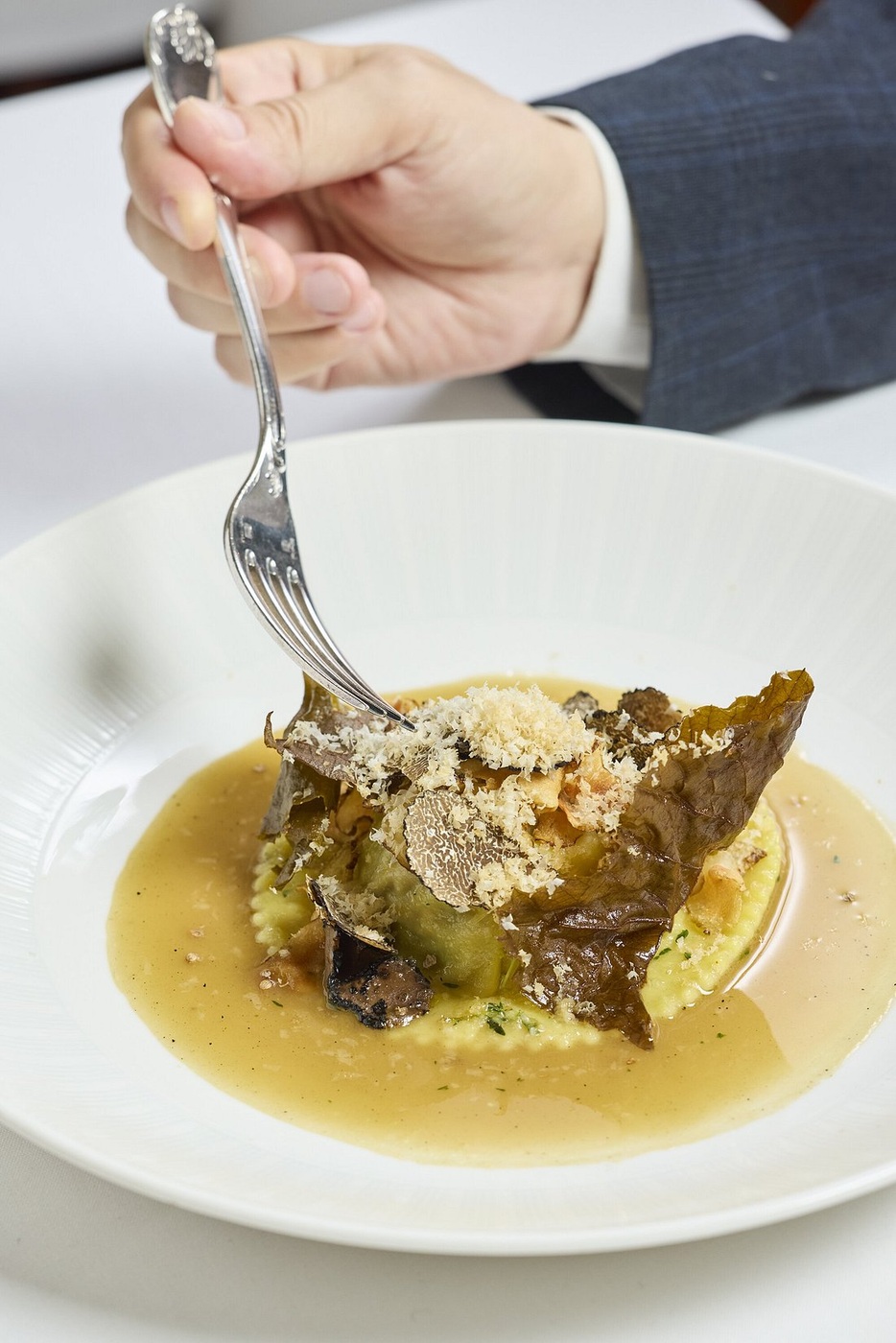
Elizabeth’s on L Street Northwest offers a seasonal plant-based tasting experience in a historic townhouse. It is the kind of meal to choose when dinner itself is part of the reason for the trip, rather than something to squeeze between two attractions.
The restaurant currently serves dinner Thursday through Saturday. Contact it about dietary restrictions before booking: a tasting-menu kitchen may not be able to accommodate every request. Its policy does not allow children younger than six. The Onyx Bar downstairs has a separate small-plates offering, so read carefully to ensure you are booking the experience you intend.
Make it work: Protect the dinner time, allow a comfortable margin after sightseeing, and resist adding a heavy late lunch. Check the complete price, drinks options, and cancellation terms before paying or securing the reservation.
Washington is a useful choice for a trip that combines museums and sightseeing with one ambitious plant-based meal. For this particular itinerary, choose dates around the restaurant’s limited weekly service, rather than discovering after booking your travel that it is closed throughout your stay.
13. Atlanta, Georgia: share an Ethiopian vegan platter with a mixed-diet group
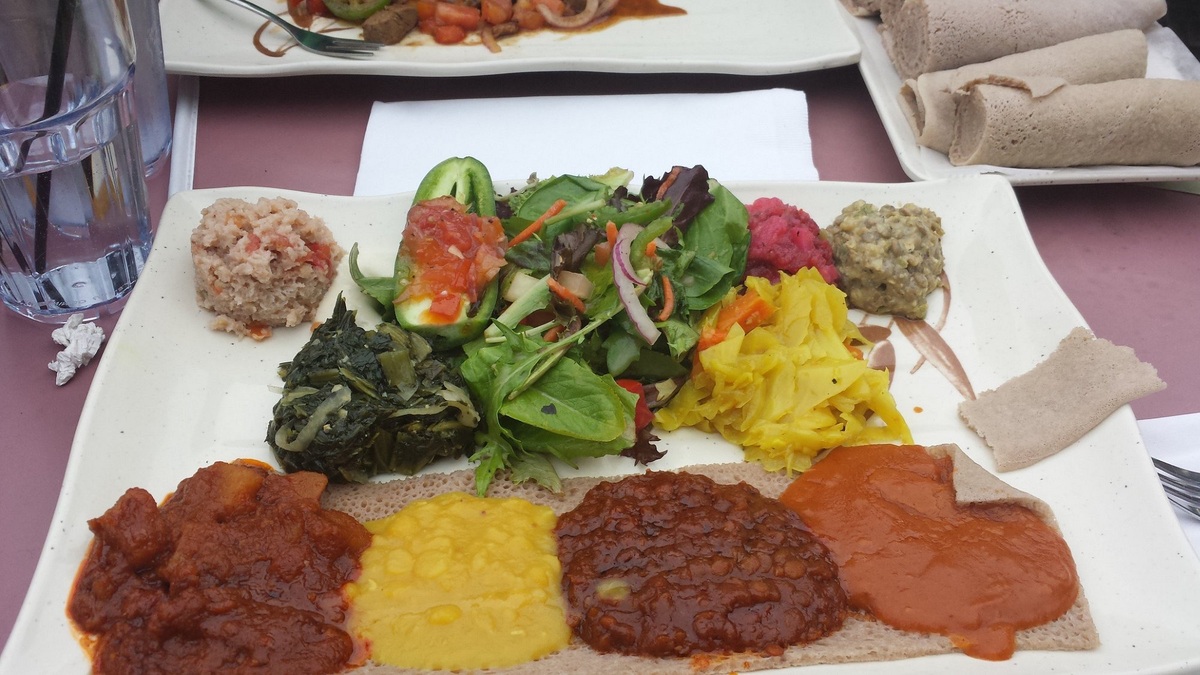
Atlanta’s Desta Ethiopian Kitchen shows why a vegetarian food trip does not have to rely exclusively on vegetarian restaurants. Its mixed menu includes a clearly identified vegan platter, giving meat-free diners a substantial starting point while other members of the group have their own choices.
A platter lets you compare several preparations with injera, the soft, slightly tangy flatbread used to scoop up the food. Ask what is included that day, how spicy the components are, and whether you would like separate plates for a group with different diets. Do not assume every vegetable dish elsewhere on the menu is vegan: some preparations offer butter or other additions.
Make it work: Choose the branch before planning transport. Desta lists Briarcliff and Westside locations, which are different outings; the food photograph here is from Briarcliff. Confirm the branch’s current hours and menu when you make your plan.
This is a particularly useful meal for friends whose preferences do not align neatly. Order the vegan platter explicitly, then ask about portions before adding enough sides to turn a shared lunch into an accidental feast.
Turn your shortlist into a food-focused weekend
Choose one anchor meal per day. Book the restaurant you would be disappointed to miss, then give the rest of the day room to breathe. A tasting dinner works better with a casual lunch; a generous brunch can make an afternoon snack more appealing than another full meal.
Choose the neighborhood before the next restaurant. Save each address on a map and check the actual journey from your accommodation. A city can have wonderful vegetarian food while your particular hotel is inconveniently placed for it. In sprawling destinations, two meals in the same general area can be more enjoyable than three famous meals across town.
Budget for the whole meal. Include drinks, tax, tips, and any disclosed service or operations fee. A fixed-price dinner with an included tip is not directly comparable to an à la carte menu with tax and gratuity still to come. Use current menus for your actual dates instead of relying on a citywide affordability ranking.
Be precise about your diet. “No meat” does not always answer questions about fish sauce, stock, lard, gelatin, or animal rennet. If those ingredients matter to you, ask specifically. Say whether you eat eggs and dairy, and treat allergies as a separate conversation about ingredients and preparation.
Keep a practical backup. Save one nearby casual option and recheck opening hours the week of your trip. Markets, cafés, and destination restaurants follow different schedules. A closed Monday, a sold-out tasting menu, or a long brunch queue should change one meal, not derail the weekend.
A simple two-day vegetarian food itinerary
Day one: Have a modest breakfast near where you are staying, explore the neighborhood around your anchor restaurant, and keep lunch flexible. Make the reserved dinner your main event. If dinner is a tasting menu, skip the ambitious afternoon food crawl.
Day two: Choose brunch or a market morning, then leave time for a walk, a museum, or another nonfood stop. Finish with a casual meal in the same general area. You will usually remember two unhurried restaurant visits more clearly than a schedule that requires eating when you are no longer hungry.
Is a vegetarian food tour worth booking?
A tour can be worthwhile when you want context, small tastes, and someone else to organize the route. Going independently gives you more control over portion sizes, timing, and how long you stay at each stop. A general “food tour” is not necessarily suitable for a vegetarian, even in a city with plenty of meat-free restaurants.
Before paying, ask the operator whether every tasting can meet your diet, whether substitutions change the number or size of tastings, and whether allergies or cross-contact concerns can be accommodated. Confirm walking distance, steps, standing time, and seating if those affect your comfort. A tour’s vegetarian label alone does not answer those questions.