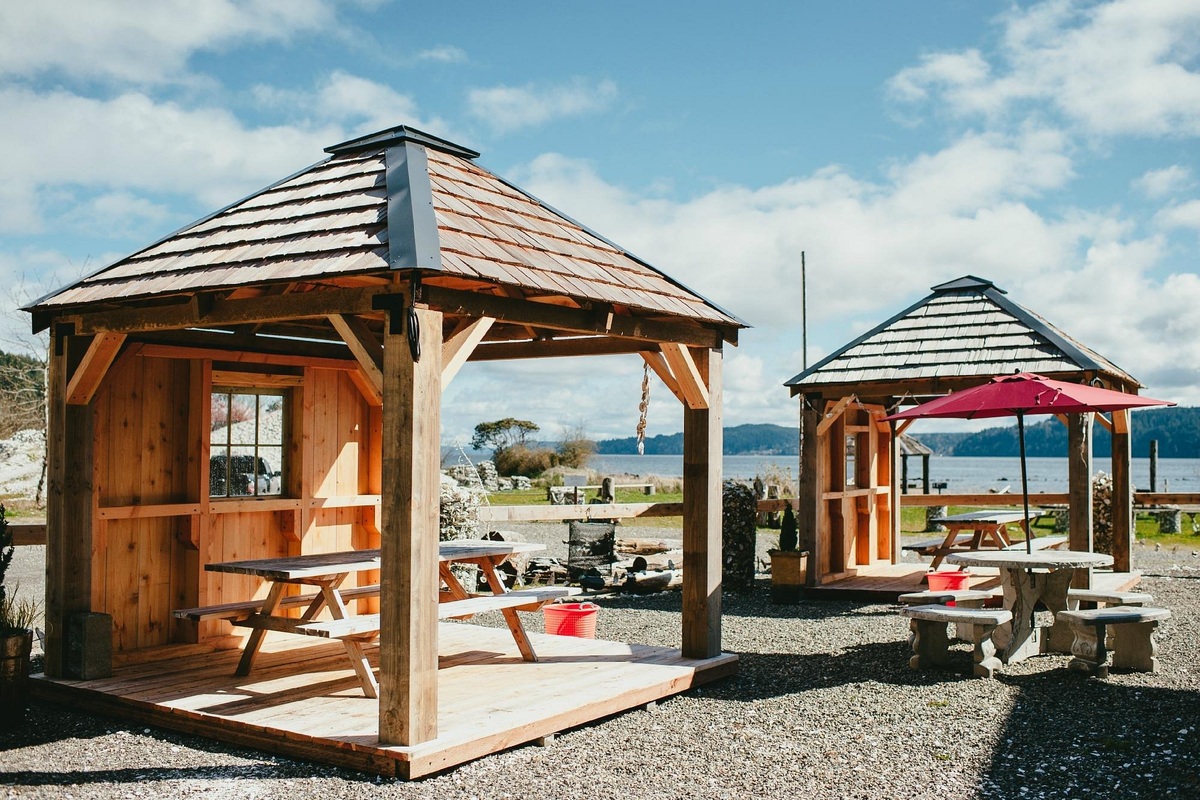
Featured image: Waterfront dining shelters at Hama Hama Oyster Saloon, photographed in 2015 | Image credit: Hama Hama Oyster Saloon management / Tripadvisor
A Washington oyster trip can mean pulling on boots for a guided walk, opening your first shell beside Hood Canal, or settling into a warm restaurant while someone else does the shucking. Those are very different afternoons. Choosing the experience before choosing the route makes the whole escape easier.
These 11 stops include working-farm dining, scheduled farm experiences, seafood markets, and two farm-owned restaurants. Taylor Shellfish appears twice because its Bow and Shelton locations offer distinctly different visits. None of the markets should be treated as permission to wander onto a farm’s beach.
Start with one coastal region and two main stops a day. An island ferry, a low-tide appointment, and a leisurely oyster lunch can each shape your schedule more than the miles on the map.
Choose Your Washington Oyster Farm Experience
| Stop | Area | What to expect | Main planning decision |
|---|---|---|---|
| Hama Hama | Lilliwaup, Hood Canal | Outdoor saloon and farm-store self-shucking | Reserve a weekend table or choose the store |
| Olympic Oyster Co. | Lilliwaup, Hood Canal | Arranged oyster classes and resort-based harvesting | Confirm an actual class date before traveling |
| Taylor Samish | Bow, Samish Bay | Waterfront oyster bar and market | Allow for first-come seating and limited parking |
| Taylor Shelton | Shelton, South Sound | Seafood market with self-shucking picnic tables | Choose a retail visit rather than table service |
| Chelsea Farms Oyster Bar | Downtown Olympia | Farm-owned restaurant | Reserve dinner; this is not a farm tour |
| Minterbrook | Key Peninsula near Gig Harbor | Farm-company retail shop | Plan cold storage for purchases |
| Drayton Harbor Oyster Company | Blaine | Farm-owned harbor restaurant | Check the day’s kitchen hours |
| Westcott Bay | San Juan Island | Seasonal farm dining and limited farm-store hours | Coordinate restaurant season and ferry |
| Goose Point | Bay Center, Willapa Bay | The Oystery retail and food stop | Ask what is being served that day |
| Oysterville Sea Farms | Long Beach Peninsula | Bookable farm tour and waterfront market | Choose a tide-dependent tour date |
| Brady’s Oysters | Grays Harbor, near Westport | Farm-company seafood market | Call to confirm opening before a detour |
Visitor arrangements were checked in October 2026. Hours, menus, prices, and tour calendars can change; confirm directly before committing to a long drive.
1. Hama Hama: A Hood Canal Lunch With a Self-Shucking Alternative
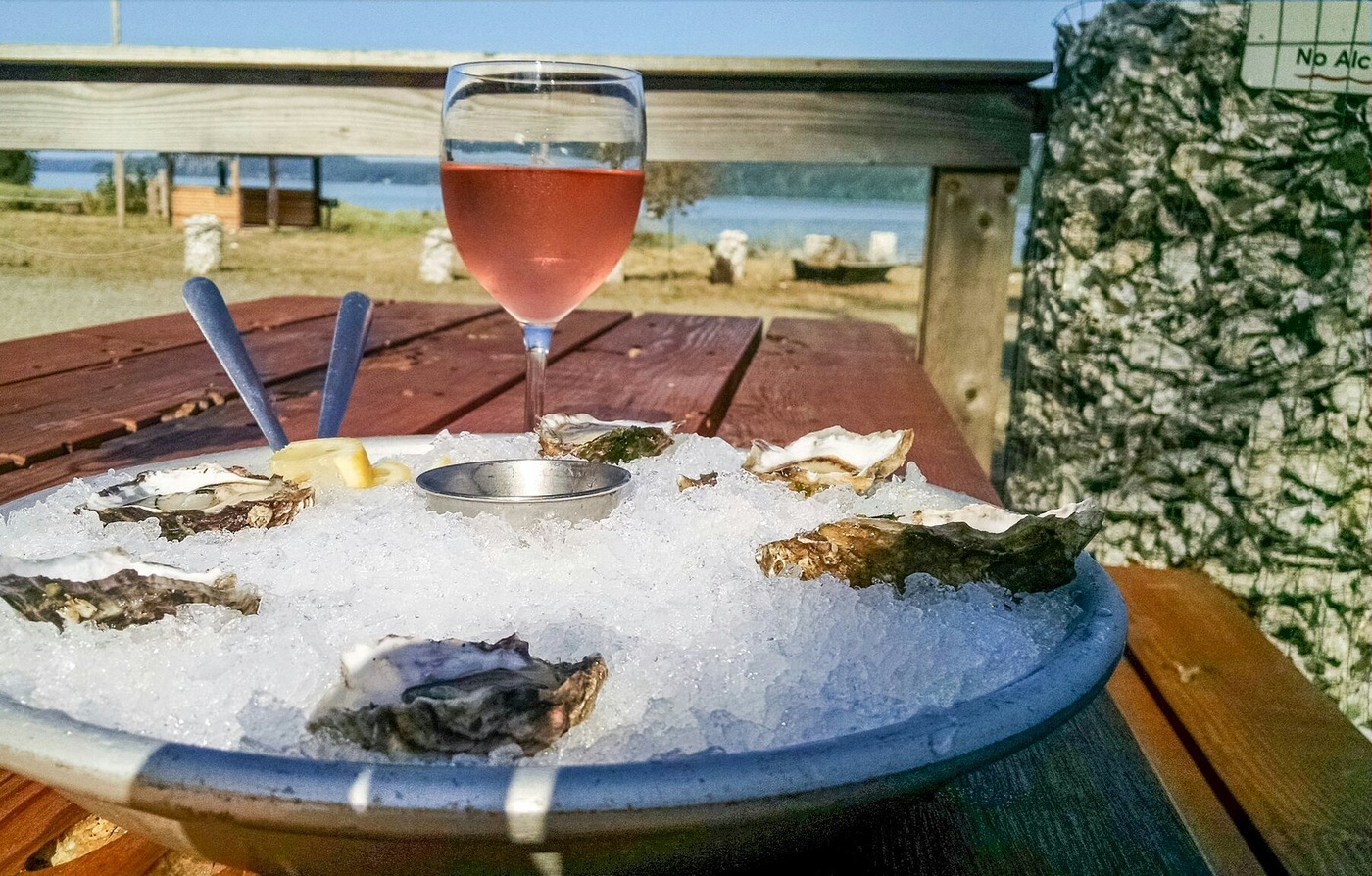
Hama Hama makes sense when you want the farm setting to be part of lunch. The Oyster Saloon sits outdoors in Lilliwaup, with the water and working shoreline supplying much of the atmosphere. Dress for sitting outside rather than just walking from a car to a heated dining room.
The current reservation arrangement is unusually useful to understand before you book: a private A-frame table costs $85 and includes 24 oysters, split between raw and roasted. Tables accommodate two to six adults, and reservations open Monday at 9 a.m. for the upcoming weekend. The reservation is for a two-hour seating, so arriving late reduces your lunch time. Check the current Oyster Saloon arrangements for changes and larger-group instructions.
A walk-in visit is possible, but summer waits can exceed an hour. The daily farm store offers another approach: buy oysters for its U-shuck option, borrow a knife and gloves, and ask for help choosing your shellfish. That is a better fit for a flexible weekday outing than assuming the full saloon operates every day.
Plan for: outdoor conditions, uneven ground, and a relaxed meal. Ask about access needs before reserving, and leave outside food and drinks behind.
2. Olympic Oyster Co.: Arrange a Class at Mike’s Beach Resort
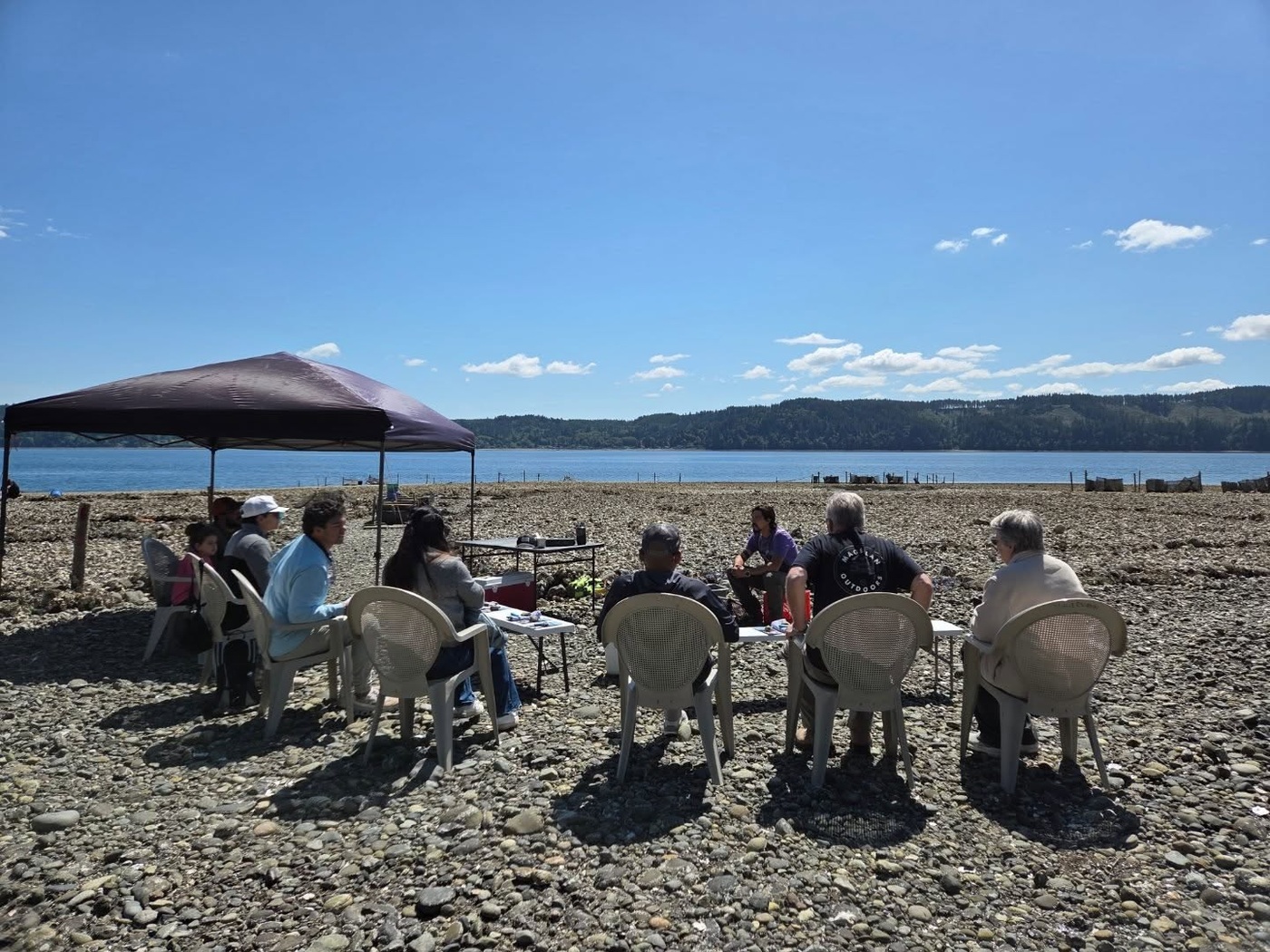
For a more hands-on Hood Canal experience, investigate Olympic Oyster Co. at Mike’s Beach Resort. Its visitor offerings have included oyster education, shucking, tasting, and low-tide farm experiences. This is the stop to contact when your priority is understanding what happens between an oyster bed and the plate.
The farm’s website advertises an Oyster Master Class, and its recent social updates document Shuck & Savor events. However, the old master-class product link was unavailable during research. Confirm the next operating date, what the experience includes, the price, and whether you need to be a resort guest before booking travel around it. A general description on a homepage is not a confirmed appointment.
Staying at the resort creates a separate possibility. Its guest FAQ describes complimentary guest harvesting, subject to a valid Washington shellfish license, tides, and applicable restrictions. That does not mean every visitor can arrive and collect oysters. Ask the resort about current permission, limits, closures, equipment, and instruction.
Plan for: an arranged experience rather than an assumed walk-in tour. Ask whether boots are needed and whether the day’s low tide falls at a practical visiting time.
3. Taylor Shellfish at Samish Bay: Waterfront Oysters Along Chuckanut Drive
The Bow location combines a waterfront meal with a seafood market, making it an easy anchor for a Samish Bay outing. Order oysters already shucked or choose from the day’s barbecued shellfish offerings, then buy something to take home if you have proper cold storage.
At Taylor’s Samish Oyster Bar and Shellfish Market, seating is first come, first served. Parking is very limited; carpooling and arriving early are more useful strategies than squeezing another stop into the same lunch window. Be prepared for a walk from your parking place.
The menu changes with availability, so make this a visit built around the day’s shellfish rather than a particular dish photographed months earlier. The address is 2182 Chuckanut Drive, Bow. Service animals are permitted, but pets are not; outside food and drinks are also prohibited.
Best fit: travelers who want farm-associated waterfront dining without arranging a formal class. This is a bar and market visit, not an invitation to explore production areas.
4. Taylor Shellfish in Shelton: A Market Stop for Your Own Oyster Picnic
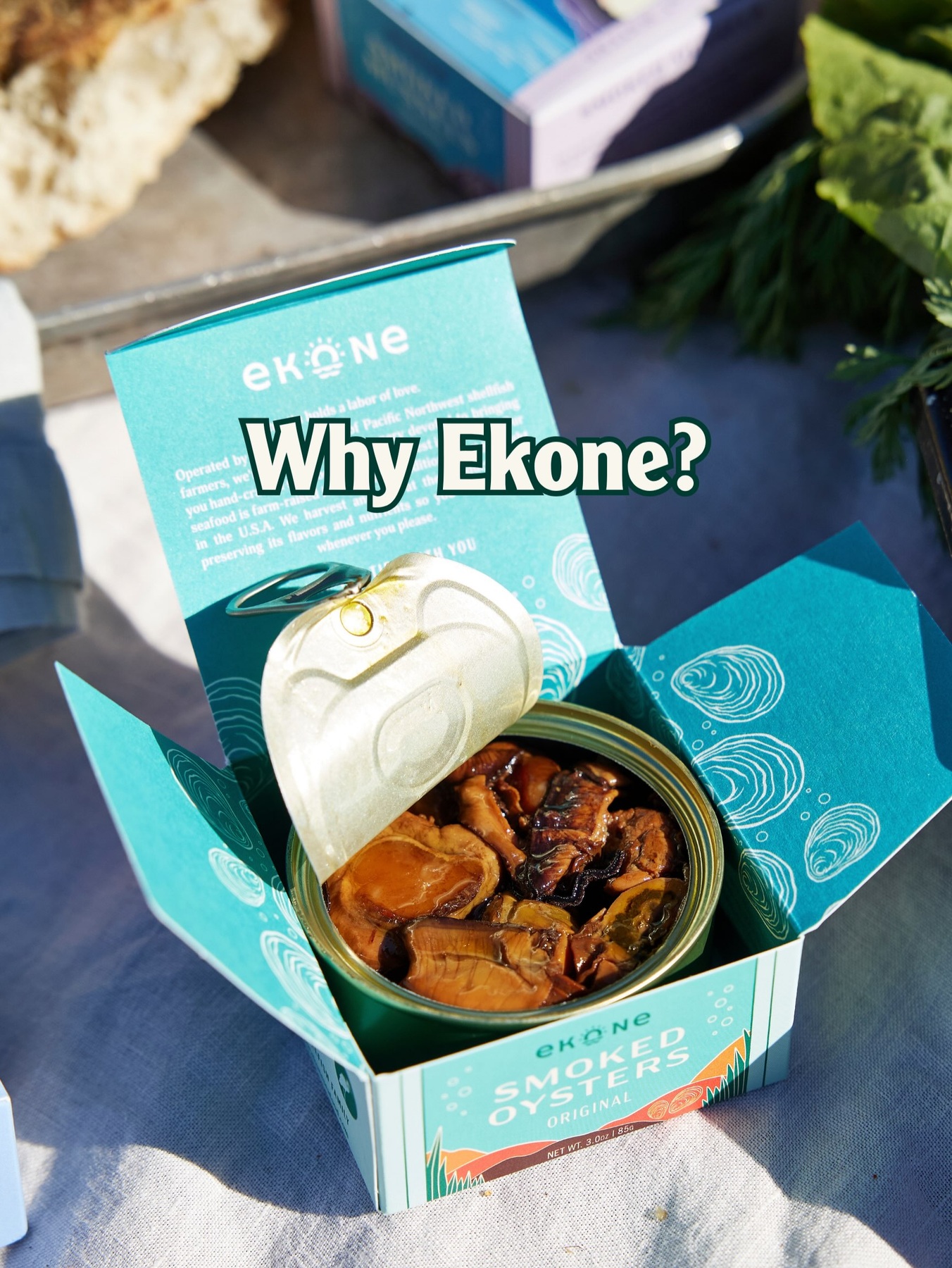
Taylor’s Shelton headquarters offers a different sort of visit from Samish Bay. The Shelton Seafood Market is a retail shop, with picnic tables where customers can shuck oysters themselves. Taylor explicitly distinguishes it from an oyster bar. Choose it for shopping and a simple picnic rather than a full restaurant afternoon.
Look through the fresh shellfish and the Ekone tinned seafood selection. The latter provides a different way to explore the company’s oysters and other seafood; follow each package’s storage directions, especially after opening.
The market is at 130 SE Lynch Road, and its listed schedule is daily, with major-holiday closures. If you hope to eat there, ask what utensils or shucking equipment you should bring and what prepared items are available. Do not assume that picnic seating includes staff opening every oyster for you.
Best fit: a South Sound road trip with room for take-home purchases, or a quieter retail alternative to a busy destination lunch.
5. Chelsea Farms Oyster Bar: A Farm-Owned Dinner in Olympia
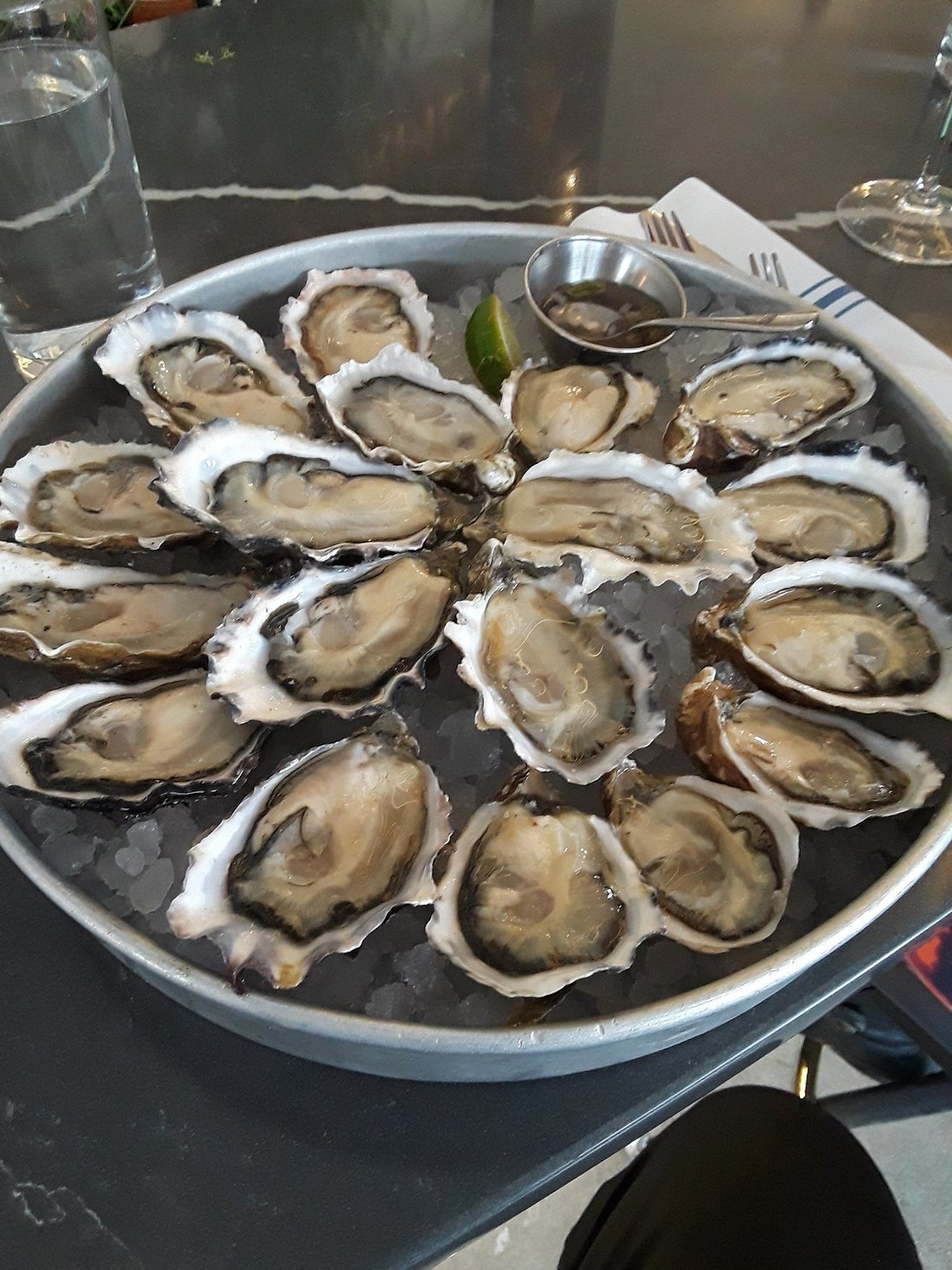
Chelsea Farms belongs on this list for a farm-to-restaurant connection, with a clear distinction: you visit its oyster bar in downtown Olympia, not its growing grounds. It is a useful choice when weather, mobility needs, or a preference for table service makes a beach visit less appealing.
At 222 Capitol Way North, the restaurant offers a way to compare oysters while keeping the rest of dinner straightforward. Ask which oysters come from Chelsea’s own farm and which come from other growers, then choose a small selection rather than treating the largest platter as compulsory. Availability changes, so let the current oyster list guide the order.
The restaurant recommends reservations but also accepts walk-ins when space allows. Its visitor information distinguishes the dining room from the 21-and-over lounge; families should request appropriate seating. Groups larger than eight should call.
Best fit: an Olympia evening before or after a Hood Canal or Shelton outing. Allow this to be dinner, rather than trying to add another distant farm before closing.
6. Minterbrook Oyster Company: Shop for a Key Peninsula Seafood Supper
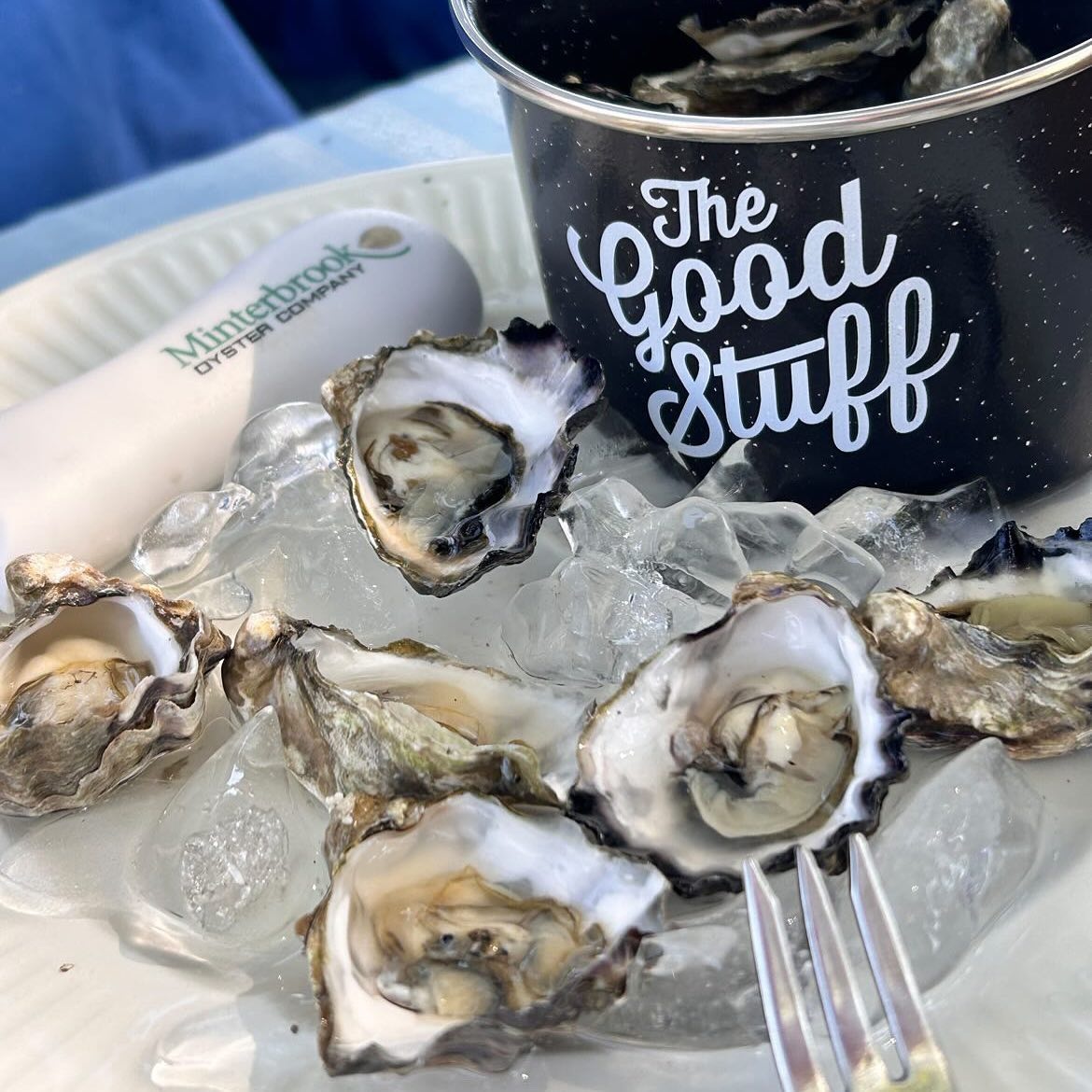
Minterbrook is a practical choice for travelers staying somewhere with a kitchen. Its retail shop near Gig Harbor offers shellfish from an established oyster-growing business, with the opportunity to ask questions before choosing what to cook.
The company’s own photographs and updates feature Kumamoto and Minter Sweet Pacific oysters. Ask what is available that day, which sizes suit your preparation, and how staff recommend transporting your purchase. Buying for a cooked meal is different from selecting a tasting assortment, and explaining your plan helps the counter staff guide you.
The Minterbrook website gives the shop address as 12002 114th Street Court, Gig Harbor. Its current social profile lists Monday through Saturday retail hours; verify them before a special journey.
Plan for: a shopping stop. Public retail access does not establish a regularly scheduled production tour or unrestricted shoreline access. If seeing cultivation is essential, ask directly before arriving.
7. Drayton Harbor Oyster Company: A Harbor Meal in Blaine
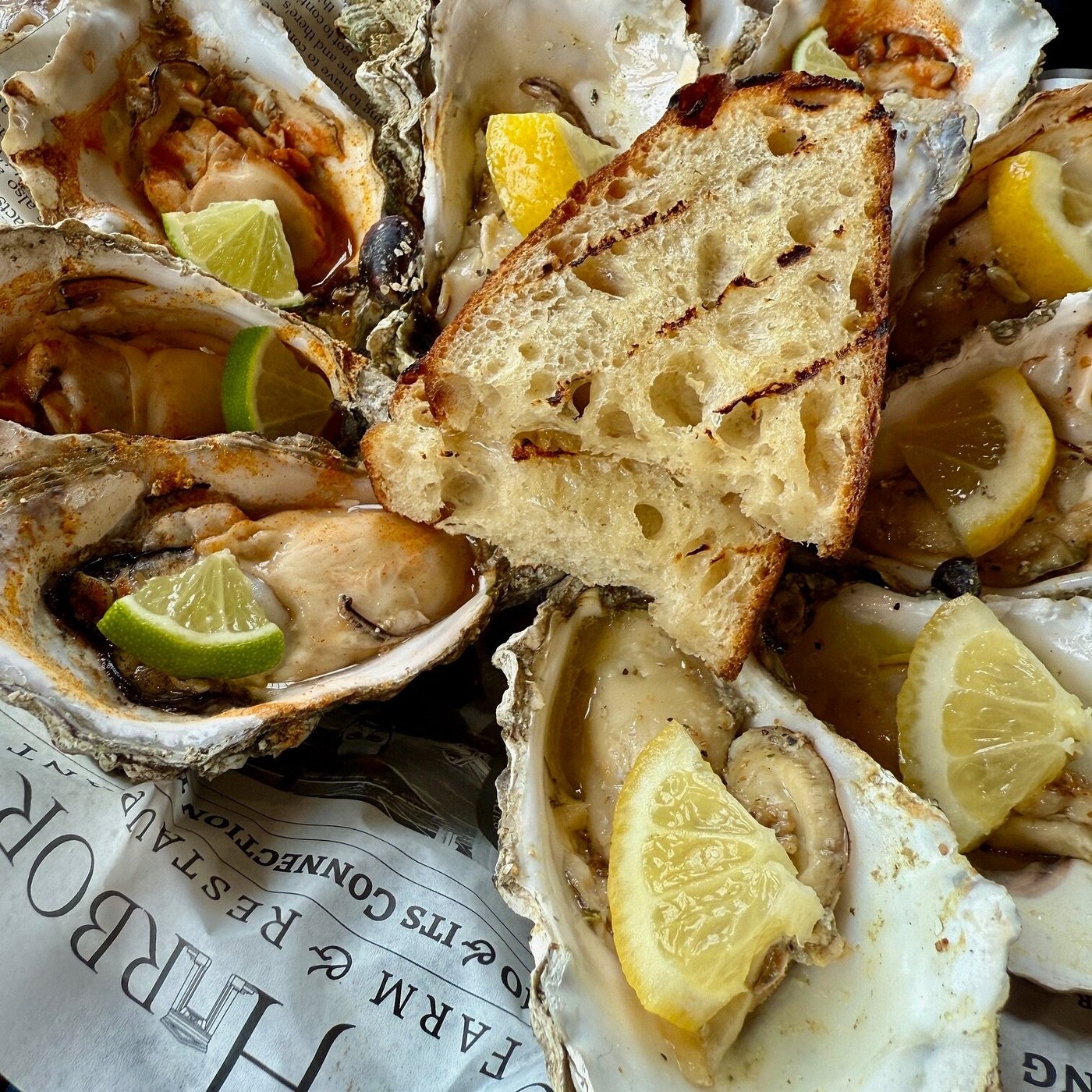
At Washington’s northern edge, Drayton Harbor Oyster Company brings its oysters to a restaurant close to their growing waters. The appeal is a harbor meal with a direct farming connection, without needing to arrange a beach walk.
Choose raw, grilled, or fried oysters according to the current menu and your preferences. A mixed order can make the meal work for a group with different tastes; anyone avoiding raw shellfish should ask for their oysters to be fully cooked. Grilled toppings and preparations change, so treat older food photographs as examples rather than a guaranteed menu.
Use the current address, 685 Peace Portal Drive, Blaine, rather than an older address repeated in some guides. The official restaurant information says seating is first come, first served and includes indoor and outdoor options. Check the operating day: Tuesday is currently a closure day, and weekend brunch has a separate service window.
Best fit: the northern mainland leg of a coastal trip. Pairing Blaine and Bow over a relaxed weekend leaves more room for meals than adding San Juan Island on the same day.
8. Westcott Bay Shellfish Co.: Plan Around the Restaurant Season
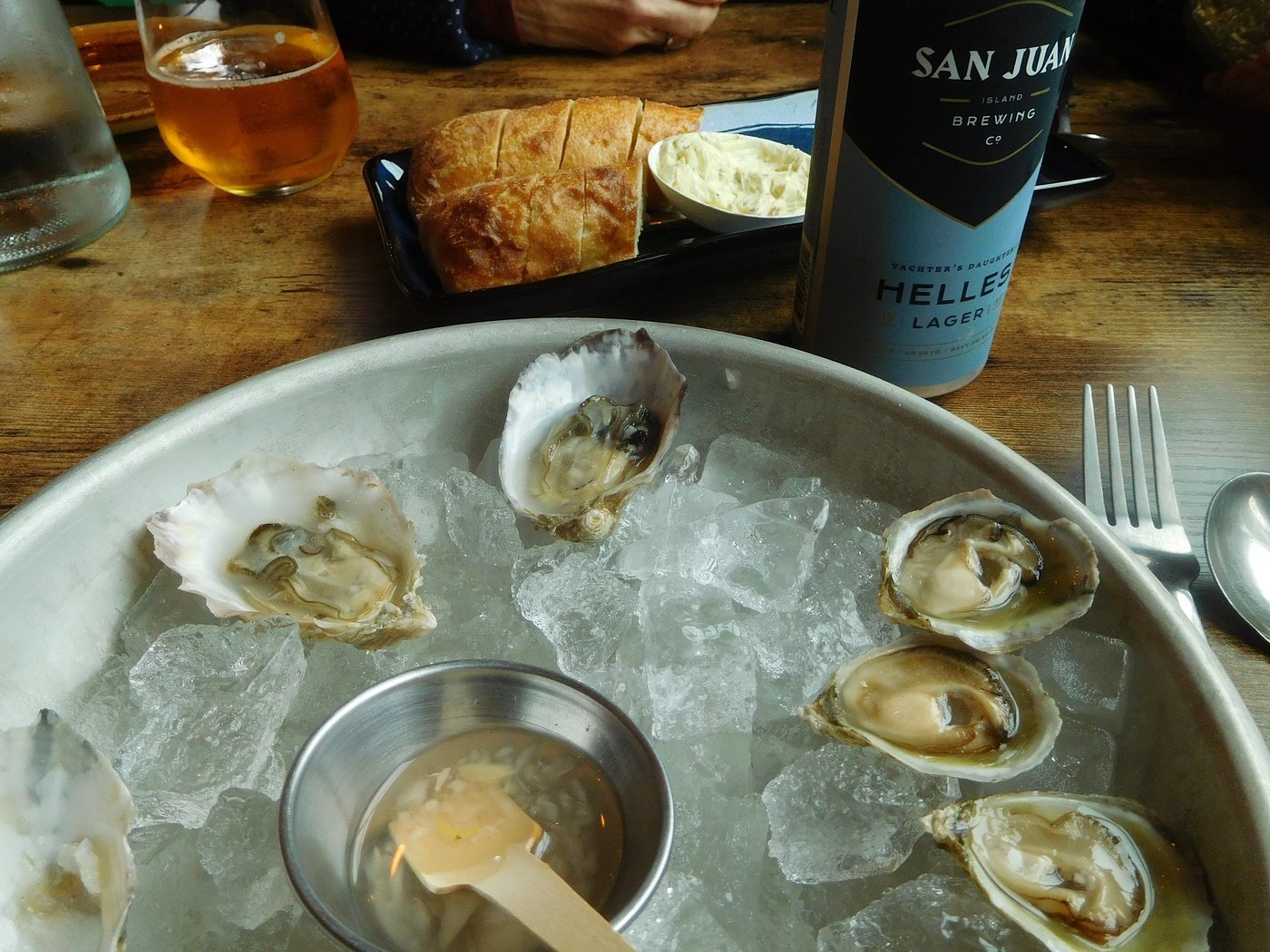
Westcott Bay offers farm dining on San Juan Island, but seasonal planning matters more here than a pin on a map. Its Tide Tables restaurant normally runs May through September. At the October 2026 check, the restaurant was closed for the season, while the farm store advertised a short Saturday opening for raw shellfish and merchandise.
For a summer visit, check the current lunch arrangements and reserve ahead. The experience centers on outdoor dining, grilled oysters, and self-shucking raw oysters, with staff able to show beginners the technique. Reservations currently allow a 90-minute seating, measured from the reserved time.
One detail deserves emphasis: the farm’s current rules prohibit visitors from going onto the beach. Enjoy the working setting from the visitor areas; do not rely on an older guide promising a farm walk. Outside food and drinks are prohibited, while well-behaved leashed dogs are welcome.
Plan for: the ferry and onward island transport as well as lunch. Arriving at Friday Harbor does not put you at Westcott Bay, and a dining reservation is not a ferry reservation.
9. Goose Point Oystery: A Willapa Bay Stop With Take-Home Options
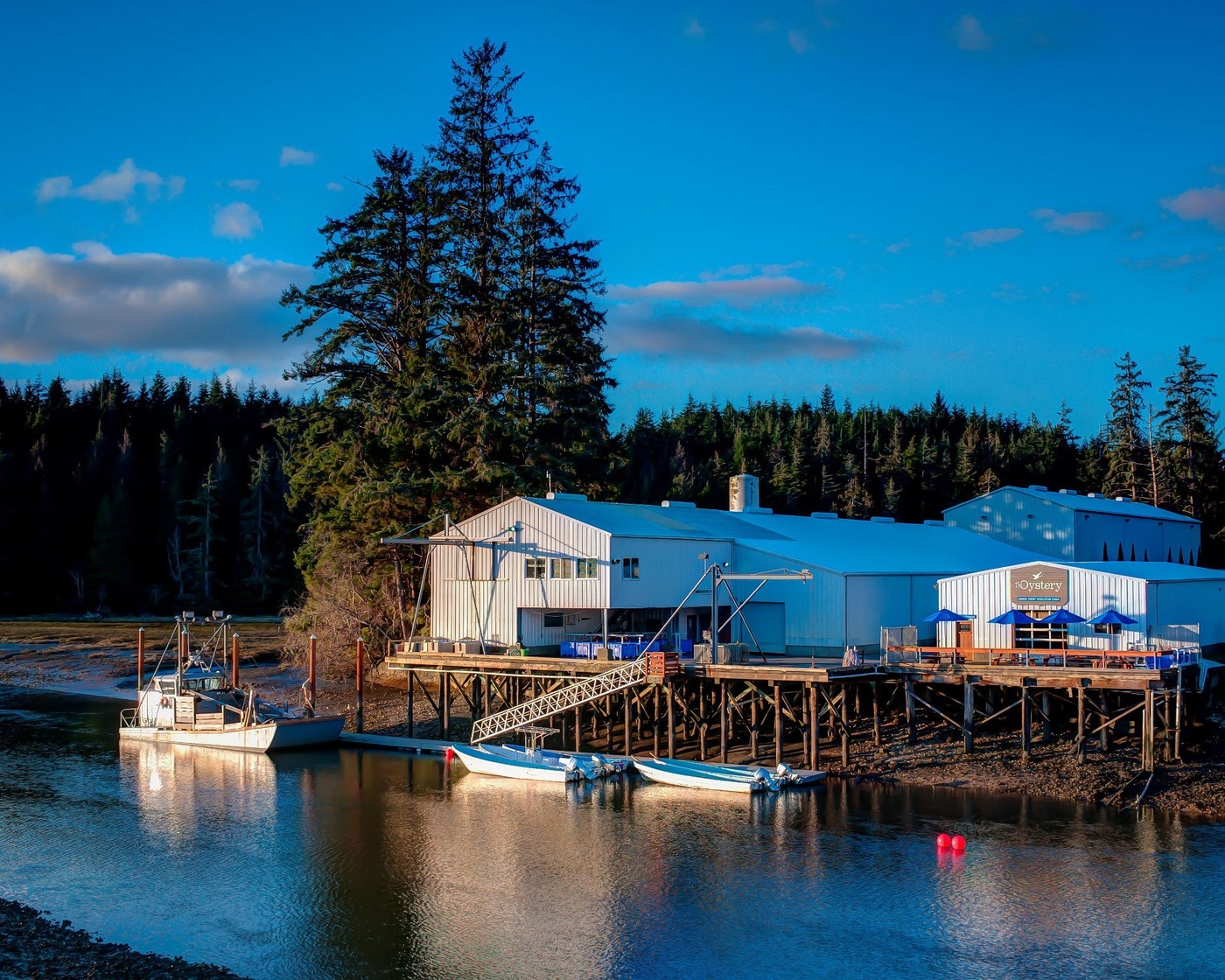
Goose Point’s Oystery at Bay Center suits a drive along Highway 101 when you want an oyster stop without committing to a guided tour. The Nisbet family business grows and processes oysters from Willapa Bay, and the visitor shop provides a direct connection to those products.
Its selection includes live oysters, shucked oysters, and prepared or frozen seafood products. Explain whether you want to eat immediately or cook later; a jar of shucked oysters for supper and a ready-to-eat order solve different problems. Its current Instagram updates also invite visitors for food and a view at The Oystery, but call if a particular lunch item is central to your plans.
The official visitor address is 7081 Niawiakum Street, Highway 101, Bay Center. Ask about the day’s food service and outdoor seating, especially in poor weather.
Best fit: a relaxed Willapa Bay drive or a take-home seafood purchase. Do not assume the public shop includes a tour through processing facilities.
10. Oysterville Sea Farms: Book a Guided Oyster Farm Tour
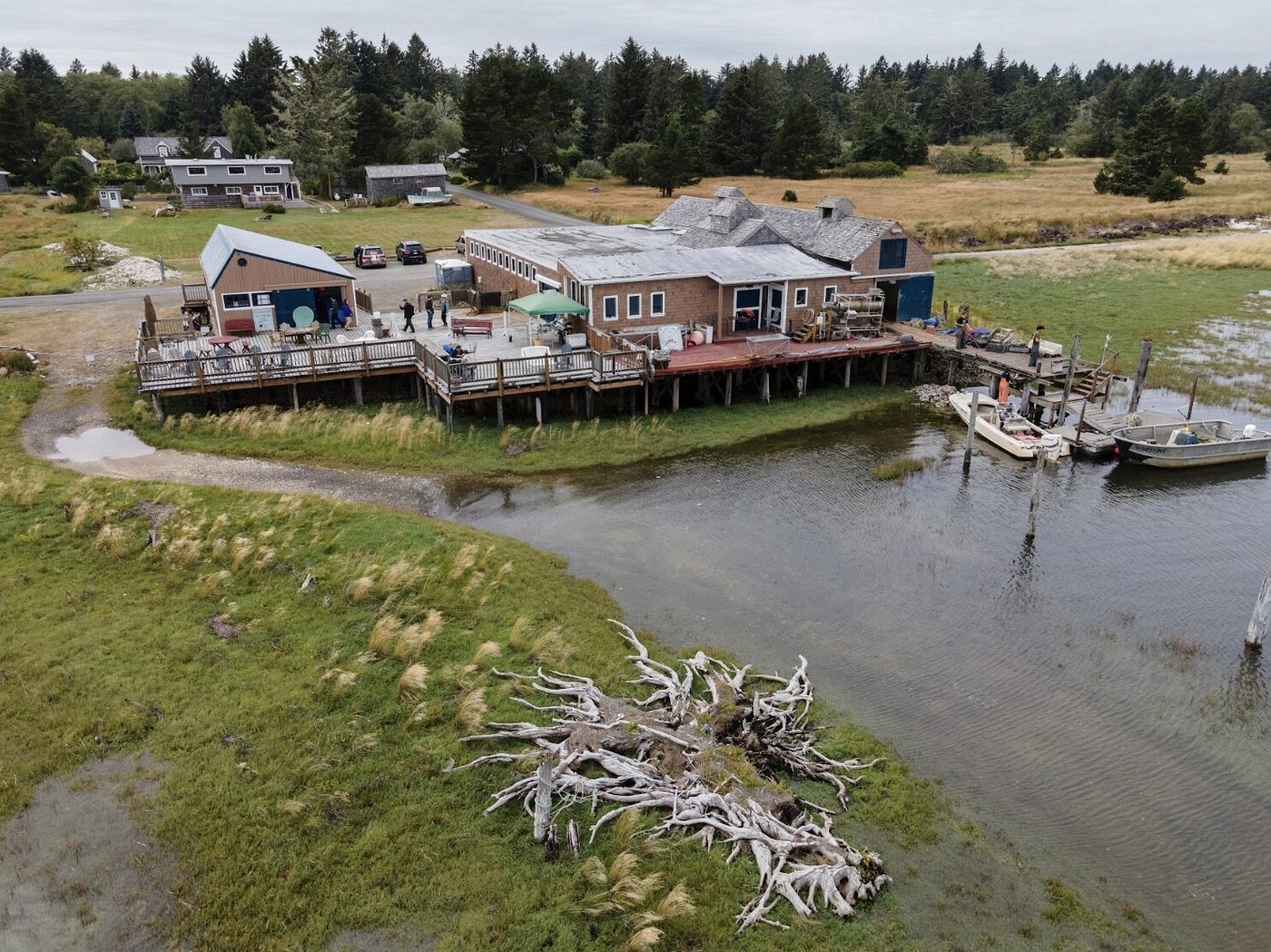
If a structured oyster farm tour is the main purpose of your trip, Oysterville Sea Farms is one of the clearest options here. Its advertised 90-minute experience covers the historic building, production room, and farm environment, with a walk to the oyster beds when conditions allow.
The direct tour listing currently prices adults at $100, children ages six through twelve at $50, and younger children free. Participants learn to shuck three oysters, which are then grilled. Selected Friday, Saturday, and Sunday departures depend on tides and weather; inspect the actual date calendar before building your itinerary.
Expect roughly half a mile of uneven, potentially muddy ground. Wear sturdy shoes or rubber boots; rental boots are advertised. Most of the tour is described as accessible except the oyster-bed portion, so discuss the exact route with staff if anyone needs step-free access or a shorter walk.
Plan for: 34300 First Street, Oysterville. Confirm shop and kitchen hours separately from your tour: the website displayed conflicting general opening schedules during research.
11. Brady’s Oysters: A Grays Harbor Market Stop Near Westport
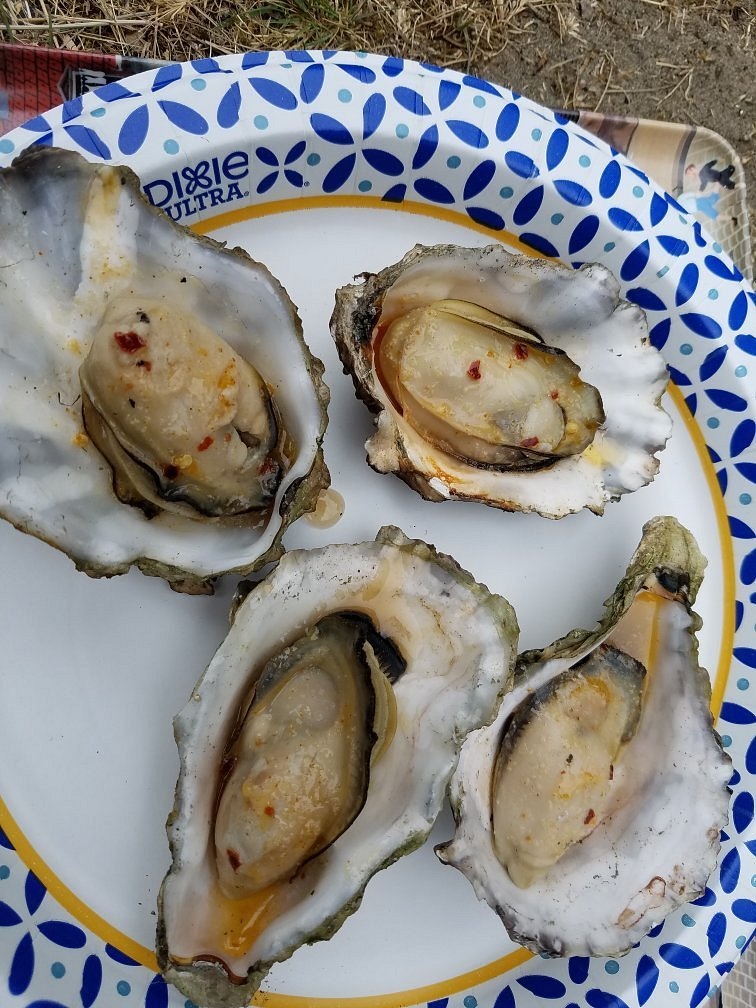
Brady’s is a seafood-market stop to consider on the approach to Westport, particularly if your coastal getaway includes cooking at a rental or campsite. Its farm connection and retail focus make it useful for buying oysters rather than arranging a seated tasting or formal tour.
The regional Washington Shellfish Trail directory lists Brady’s at 3714 Oyster Place East, Aberdeen, with the phone number 360-268-0077. Its online shop also carries packaged seafood, but that is not a substitute for checking the local counter’s fresh selection.
Call before making a special detour. Brady’s main website was unavailable during the October 2026 research check, so this guide does not promise current opening hours, daily prepared food, or a farm tour. Ask whether the shop is open on your date, what oysters are available, and how they can pack your order for the drive.
Best fit: an already planned Grays Harbor outing with flexible shopping time. Avoid making this an unconfirmed appointment between two fixed reservations.
Build a Coastal Escape Without Trying to See All 11
Hood Canal and South Sound: use Olympia, Shelton, or the Hood Canal area as a base. Make Hama Hama your main lunch, add an Olympic Oyster Co. class only when its calendar works, and put Taylor Shelton or Chelsea Farms on another day. Minterbrook is a separate Key Peninsula outing; check the driving route rather than assuming places across the water connect directly.
Northern mainland: choose Taylor Samish and Drayton Harbor for a weekend built around Bow and Blaine. Leave room for first-come seating and a scenic drive. If adding Westcott Bay, give San Juan Island its own overnight portion instead of treating it as a quick lunch detour.
Willapa Bay and Grays Harbor: center a Long Beach Peninsula stay on an Oysterville tour, then visit Goose Point on a different part of the drive. Brady’s works best with time already allocated to the Westport area. The stops form a regional journey, not a compact walking trail.
These are suggested groupings, not measured drive-time itineraries. Check live roads, ferry schedules, and the actual appointment calendar before choosing accommodation. For San Juan travel, Washington State Ferries first-time rider guidance explains vehicle reservations and walk-on arrangements.
Compare Costs and Make the Tasting Useful
Compare what a price buys before choosing between experiences. Hama Hama’s current $85 reservation is a table charge with 24 oysters included; Oysterville’s $100 adult tour is charged per person and includes instruction and a guided visit. For two adults, those starting costs are $85 and $200 respectively, before any additional purchases, taxes, or applicable fees. A retail stop is more flexible because you choose how much to buy, but it also leaves you responsible for preparation and transport.
For a tasting, ask staff to identify each oyster’s grower or growing area before the platter arrives. A farm name on a menu does not necessarily mean a different species. Compare small portions, keep track of which shell belongs to which name, and ask what cultivation or growing-location differences you are tasting. This turns a long list of oyster names into a useful conversation without requiring you to order several dozen.
What to Pack and Check Before You Go
Bring a waterproof layer, warm clothing for sitting still outdoors, and footwear with traction. Add rubber boots when a tour specifically involves mud or tidal ground. For take-home oysters, bring a cooler and ask the seller how to keep your purchase chilled throughout the remaining journey. Buying seafood near the end of the day is simpler than carrying it through hours of sightseeing.
Washington’s shellfish handling guidance says to keep shellfish chilled after purchase. At home, refrigerate live shellfish in an open container under a damp towel; do not store them submerged in water. Follow the seller’s instructions for the specific product you buy.
Pack a separate bag of road trip snacks for the drive and for companions who do not want oysters. Check a venue’s outside-food policy before bringing that bag to the table. If anyone has a food allergy, contact the restaurant about ingredients and cross-contact before making the oyster stop your only meal option.
Oyster Farm Visits: Practical Questions
Do you need a shellfish license to visit an oyster farm?
You do not need a recreational harvesting license simply to eat at a restaurant or buy oysters from a shop. Harvesting your own shellfish is different. Check WDFW beach rules, seasons, and licensing requirements, obtain the landowner’s permission where required, and check the same-day Washington Shellfish Safety Map. An open season, a low tide, and an unlocked gate do not establish that harvesting is legal and safe.
Does a beach closure mean every nearby oyster restaurant is closed?
No. Recreational harvest restrictions and a restaurant’s commercially sourced supply are different questions. Follow closure notices for any beach where you intend to harvest, and ask a restaurant or retailer about its current service and sourcing. Never collect oysters from a closed area because you plan to cook them: marine biotoxins are not reliably removed by cooking or freezing.
Is there a safest month for eating raw oysters?
The old “months with an R” rule is not a safety guarantee. The CDC’s oyster guidance explains that raw oysters can contain harmful germs in any month, and appearance or smell cannot tell you they are safe. Lemon juice, hot sauce, and alcohol do not solve that problem. Fully cooked oysters are the safer choice; ask specifically for thorough cooking rather than assuming a brief grilling is enough.
Can children, dogs, or visitors with limited mobility join?
Often, but the answer depends on the experience. An indoor dining room, a gravel picnic area, and a muddy oyster-bed walk have different practical demands. Check age rules for tours, lounge restrictions, pet policies, accessible toilets, and the route from parking to seating. Ask about the exact activity you plan to book rather than relying on a general accessibility label.
What is the best first oyster farm experience?
Choose Hama Hama or Taylor Samish for a destination meal, Oysterville for a scheduled guided introduction, or Taylor Shelton for a simple market-and-self-shucking visit. If you want a class at Olympic Oyster Co., confirm the date first. One well-chosen experience, with time to enjoy it, is a stronger starting point than a coast-wide checklist.