
This article contains affiliate links. We may earn a commission if you book through them, at no extra cost to you.
Travel planning looks different when a meal can become a medical emergency.
Before booking a hotel, you may be checking its kitchen facilities. Before choosing a restaurant, you want to know whether someone can explain the ingredients and preparation. Even a flight raises questions about food, medication, and what happens if you need help in the air.
Those concerns deserve practical answers.
Many people with severe food allergies travel internationally. A manageable trip depends on reliable communication, suitable food, accessible medication, and a backup plan that works when something changes.
The best places to travel with food allergies depend on your specific allergens, the languages you speak, and the itinerary you choose. This roadmap will help you assess destinations, organize the essentials, and make everyday decisions with less uncertainty.
Use this guide alongside a personalized travel and emergency plan agreed with your allergy clinician.
1. Choose the Destination Around Your Needs
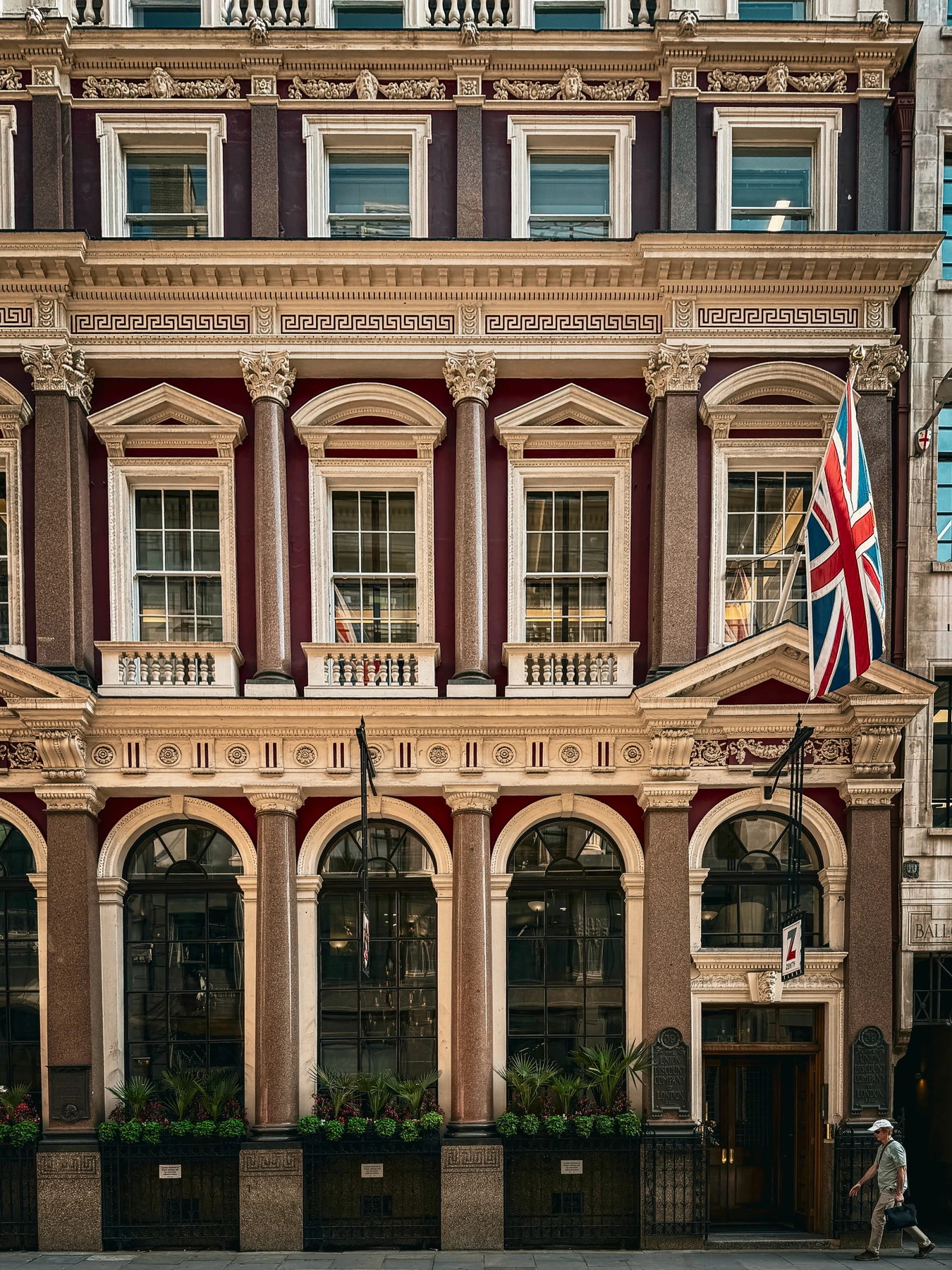
There is no country where every restaurant can accommodate every food allergy.
A destination that works for someone avoiding peanuts may be difficult for someone avoiding milk, egg, wheat, and sesame. A city break and a remote island stay can also require very different preparations, even within the same country.
Before booking, resolve five questions:
- Communication: Can you explain your exact allergies and preparation requirements?
- Food access: Can you obtain suitable groceries or meals independently?
- Accommodation: Will you have the facilities needed to prepare food?
- Medical access: Where could you receive emergency care, and how would you summon help?
- Backup options: What would you eat if your planned restaurant could not accommodate you?
If a key answer is missing, investigate it before making a nonrefundable commitment.
For a first international trip, consider one base, fewer transfers, and accommodation with a usable kitchen. You can build a more complicated itinerary once you know which arrangements work for you.
2. Compare the Best Places to Travel With Food Allergies
The destinations below offer useful communication or labeling advantages. This is a planning comparison, not a safety ranking.
| Destination | Potential planning advantage | What needs particular attention | Useful official resource |
|---|---|---|---|
| United Kingdom | English-language communication; required information about 14 regulated allergens in restaurant food | Preparation procedures and ingredients outside the regulated list | UK allergy guidance |
| Ireland | English-language communication within the EU allergen-information framework | Food and medical arrangements at each stop on a rural itinerary | EU allergen guidance |
| Canada | Priority allergens must be identified on prepackaged food labels | Language needs, long distances, and remote excursions | Canadian labeling guidance |
| Australia and New Zealand | Plain-English declarations for specified allergens | Long journeys, outdoor activities, and medication storage | FSANZ allergen guidance |
| Italy and other EU destinations | Required information about 14 specified allergens, including in nonprepacked food | Accurate translation and individual kitchen procedures | European Commission guidance |
| United States | Familiar communication and shopping routines for travelers accustomed to the US system | Packaged-food rules do not establish what every restaurant will disclose | FDA food-allergy guidance |
How to use the comparison
Start with the advantage that matters most to you.
If detailed conversations in another language would be difficult, an English-speaking destination may simplify planning. If you expect to prepare most meals, investigate grocery access and kitchen facilities before researching restaurants.
Labeling systems also differ. Canada’s priority allergens include mustard, for example. In the United States, FDA-regulated packaged foods identify nine major allergens, including sesame. Learn the destination’s rules rather than assuming they match those at home. Canadian Food Inspection Agency, FDA
For Europe, an allergen chart can help you begin a conversation, but it does not establish how your meal will be prepared. Likewise, a restaurant’s experience with gluten-free dining does not establish that it can manage a wheat allergy or other food allergies.
Evaluate the actual route. A suitable apartment near groceries and medical care may matter more than a country’s reputation in travel roundups.
3. Research How Your Allergens Appear in Local Food
Searching for “allergy-friendly restaurants” is only a starting point. Research ingredient names, local terminology, and the foods in which your allergens may appear.
These examples show the level of detail to investigate:
| Allergy | Examples to investigate | A useful question |
|---|---|---|
| Milk | Butter, ghee, cream, milk powder, whey, and casein | “Does the sauce or cooking fat contain any milk-derived ingredient?” |
| Sesame | Tahini, sesame oil, seed coatings, sauces, and dressings | “Does this contain sesame paste or oil, including in the dressing?” |
| Peanut | Groundnuts, peanut sauces, confectionery, and cooking ingredients | “Can you check the sauce ingredients and the type of oil used?” |
| Fish | Fish sauce, anchovies, fish stock, and some condiments | “Is the broth or seasoning made with fish, even though the main dish is meat or vegetables?” |
Recipes and products vary. These are questions to investigate, not rules for deciding whether a dish is suitable. ASCIA provides separate dietary guides for milk, sesame, peanut, and fish allergies.
List your diagnosed allergens precisely. Specify the relevant tree nuts individually, and distinguish fish from shellfish when explaining your needs.
If you avoid several foods or are planning a lengthy trip, consider a dietitian appointment. Work out how you will obtain adequate meals using available alternatives. ASCIA recommends dietitian advice for people with multiple food allergies to help meet nutritional needs. ASCIA: Dietary Avoidance FAQ
4. Follow a Practical Planning Timeline
Use this sequence to deal with decisions before they become last-minute problems.
| When | What to organize |
|---|---|
| Before booking | Assess food and medical access; contact accommodation; check transport policies, insurance terms, and cancellation options |
| Four to six weeks before departure | Review the itinerary, medication supply, emergency plan, and ongoing treatment with your clinician |
| During the final week | Reconfirm arrangements; prepare translations; check food-import rules; save essential documents offline |
| On arrival | Check the kitchen, obtain groceries, confirm local emergency information, and brief anyone helping with meals |
The CDC recommends a pretravel appointment at least four to six weeks before departure for severely allergic travelers. Bring details of transit stops and remote activities, not just the destination country. CDC: Severely Allergic Travelers
Make the medical appointment specific
Ask your clinician to review:
- Your current allergies and asthma control, if relevant.
- The quantity of emergency medication appropriate for the route.
- Your technique with the prescribed device.
- Your written emergency plan.
- Any treatment schedule that could be affected by travel.
- Documentation that may help with security, customs, or medical care.
Check the insurance details
Ask whether emergency treatment for your disclosed allergy is covered, including ambulance transport and hospitalization. Check medical evacuation terms, activity exclusions, upfront payment requirements, and how to contact assistance overseas.
Keep the policy and relevant answers accessible offline. The CDC advises checking overseas coverage because travelers may have to pay medical expenses themselves. CDC: Allergies and Travel
5. Keep Medication Accessible Throughout the Trip
FARE advises carrying two epinephrine doses at all times. Ask your prescriber whether your trip requires additional supplies, especially where replacements or emergency care may be difficult to obtain.
During flights, keep medication immediately accessible rather than in checked luggage or an overhead bin. FARE: Traveling
Keep the following together:
- Prescribed emergency medication and other necessary medicines.
- Your emergency care plan.
- Prescription labels and relevant medical documentation.
- Allergy and emergency translation cards.
- Emergency contacts and insurance assistance details.
Check this kit whenever you leave your accommodation, including for activities that do not involve eating.
Plan for temperature extremes
Follow the storage instructions for your specific product.
EPIPEN’s manufacturer specifies room-temperature storage and protection from temperature extremes. A refrigerator, ice pack, parked car, or sunny beach bag may create unsuitable conditions. Ask a pharmacist how to manage the conditions you expect. EPIPEN: Storage and Handling
6. Book Accommodation That Supports Your Meals
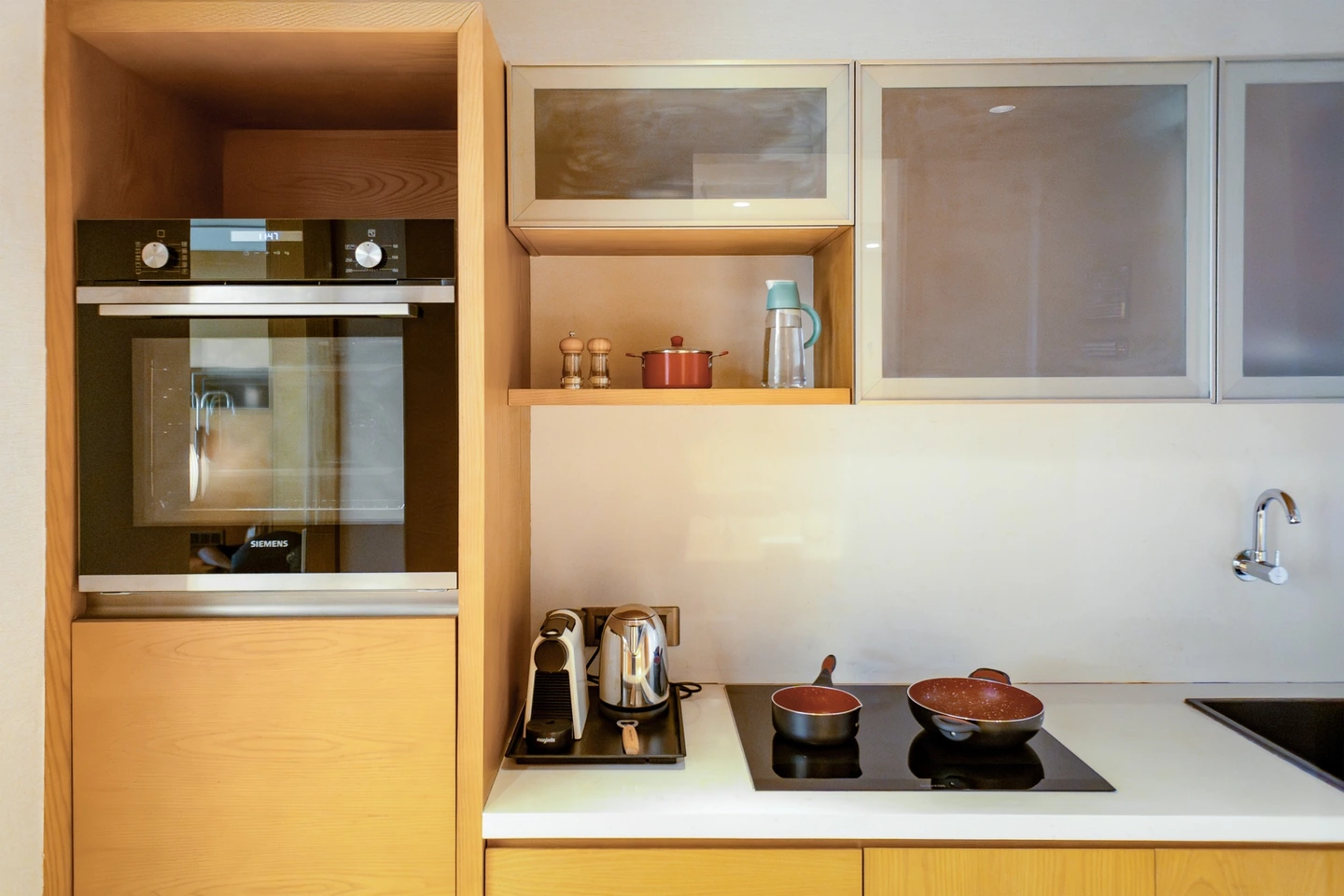
A kitchen gives you an alternative when eating out is difficult, but “self-catering” can mean very different things.
Before booking, confirm:
- Whether the kitchen is private or shared.
- Which appliances and cooking equipment are available.
- Whether refrigeration is adequate.
- Whether you can clean preparation areas and equipment.
- Where you can buy groceries and when shops open.
- Whether bringing your own food is permitted.
Food Allergy Canada identifies kitchenettes and refrigeration as useful facilities when choosing accommodation. Food Allergy Canada: Travel
You can adapt this message:
I have severe food allergies to [complete list]. Please confirm the kitchen and refrigeration facilities available in my accommodation. If I use your restaurant, who can discuss ingredients and procedures for preventing cross-contact? Please explain any limitations before I book.
A helpful reply describes facilities or procedures. “We cater for dietary requirements” leaves the important details unresolved.
On arrival, inspect shared equipment such as toasters, colanders, and utensils before use. Clean appropriate surfaces and equipment, and bring a few personal items if that makes meal preparation more manageable.
Cross-contact transfers allergenic protein between foods, utensils, equipment, or surfaces. Removing a visible ingredient or reheating a meal does not reliably remove that risk. FARE: Avoiding Cross-Contact
Use the accommodation search below to shortlist properties with kitchen facilities, then ask each property the questions above. A kitchen listing does not establish whether the property can meet your allergy needs.
7. Prepare Allergy and Emergency Translation Cards
A written card gives staff precise information they can pass to the kitchen.
Prepare versions for the languages you will need, including transit stops where you may eat. Include your exact allergens, relevant ingredient names, the seriousness of the allergy, and a request to discuss cross-contact.
An English starting point is:
I have severe food allergies to [list]. These foods, including small amounts transferred during preparation, can cause a serious reaction.
Please check every ingredient and discuss my meal with the kitchen. Can it be prepared without my allergens and with procedures to prevent cross-contact? If this is not possible, please tell me.
Have the finished message checked for your needs and translated by a qualified translator or reputable specialist service. Carry printed copies alongside an offline phone version.
Prepare a separate emergency message identifying anaphylaxis and requesting an ambulance. FARE recommends carrying translated chef cards and emergency-plan copies during international travel. FARE: International Travel
If Italy is on your itinerary, our Italian travel phrases guide includes language for restaurant conversations. Use it for practice alongside the professionally translated card described here.
8. Plan Flights Around Food You Can Assess
Check the current policy of each operating airline, including partner airlines on connecting flights.
Ask how to record your allergy, whether you may preboard to clean your seating area, what food arrangements are available, and how to inform cabin crew. Save the answers and reconfirm at the airport.
Bring suitable food for the whole journey, including transfers and delays. Airlines cannot guarantee that other passengers will avoid your allergens. FARE: Traveling
Check official food-import requirements for your destination and transit points. Permission to carry food onboard does not establish permission to take it through customs.
Our travel snack packing guide can help with storage and packing logistics. Its food suggestions are general ideas, so assess every ingredient and product against your own allergy requirements.
Understand exposure concerns
The CDC reports reassuring evidence that inhalation-only or incidental skin-only exposure without ingestion is unlikely to cause significant reactions. That does not make every exposure harmless or establish your individual risk. Discuss specific concerns with your allergist and keep attention on food ingestion and cross-contact. CDC: Severely Allergic Travelers
Clean the surfaces you will use for eating. Wash your hands with soap and water when possible; alcohol-based hand sanitizer is not a dependable substitute for removing food allergens. FARE: Cleaning Methods
9. Use One Consistent Restaurant Conversation
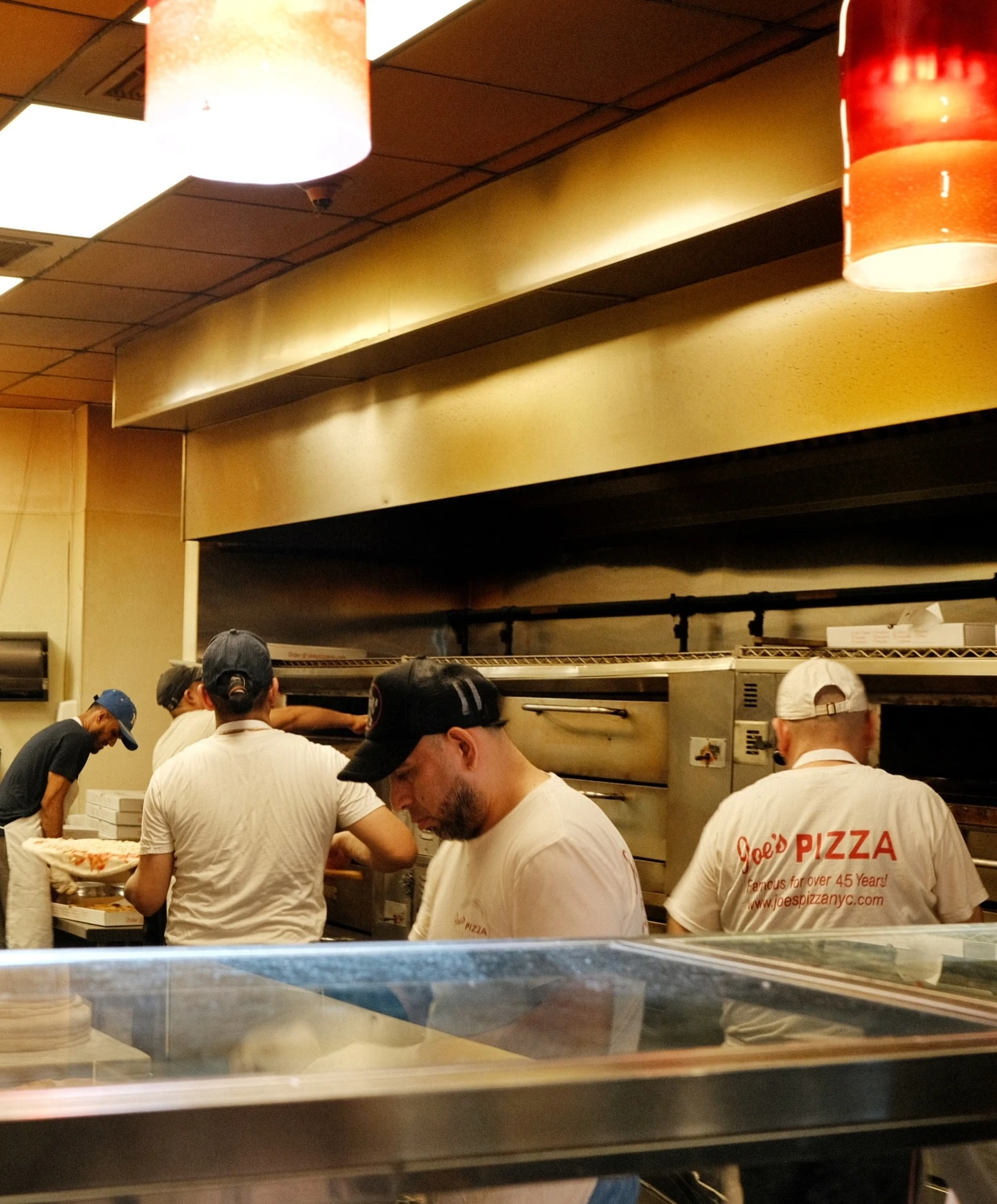
Research gives you potential restaurants. A direct conversation helps you decide whether to eat there.
Contact the restaurant ahead of time, preferably outside busy service. Send your complete allergy list and ask who can discuss ingredients and preparation.
When you arrive, explain your allergies before ordering and ask:
- Can the kitchen check all ingredients, including sauces, stocks, dressings, and garnishes?
- Will preparation involve shared oil, cooking water, utensils, grills, or other equipment?
- What procedures can the kitchen use to prevent cross-contact?
- How will staff identify my meal when serving it?
- Is there anything they cannot verify?
These questions reflect the ingredient and preparation checks recommended by FAACT’s dining-out guidance.
Pause if the answer is “probably,” “only a little,” or “we can take it off.” You can say:
“I need the ingredients and preparation checked before I can eat it. If that isn’t possible, I’ll use another option.”
When food arrives, confirm it is the meal prepared for your allergies. Clarify unexpected sauces or garnishes before eating.
Repeat the conversation on later visits. Staff, suppliers, and recipes can change, even when you previously ate a dish without difficulty. FAACT: Dining Out
10. Adjust Your Questions to the Dining Setting
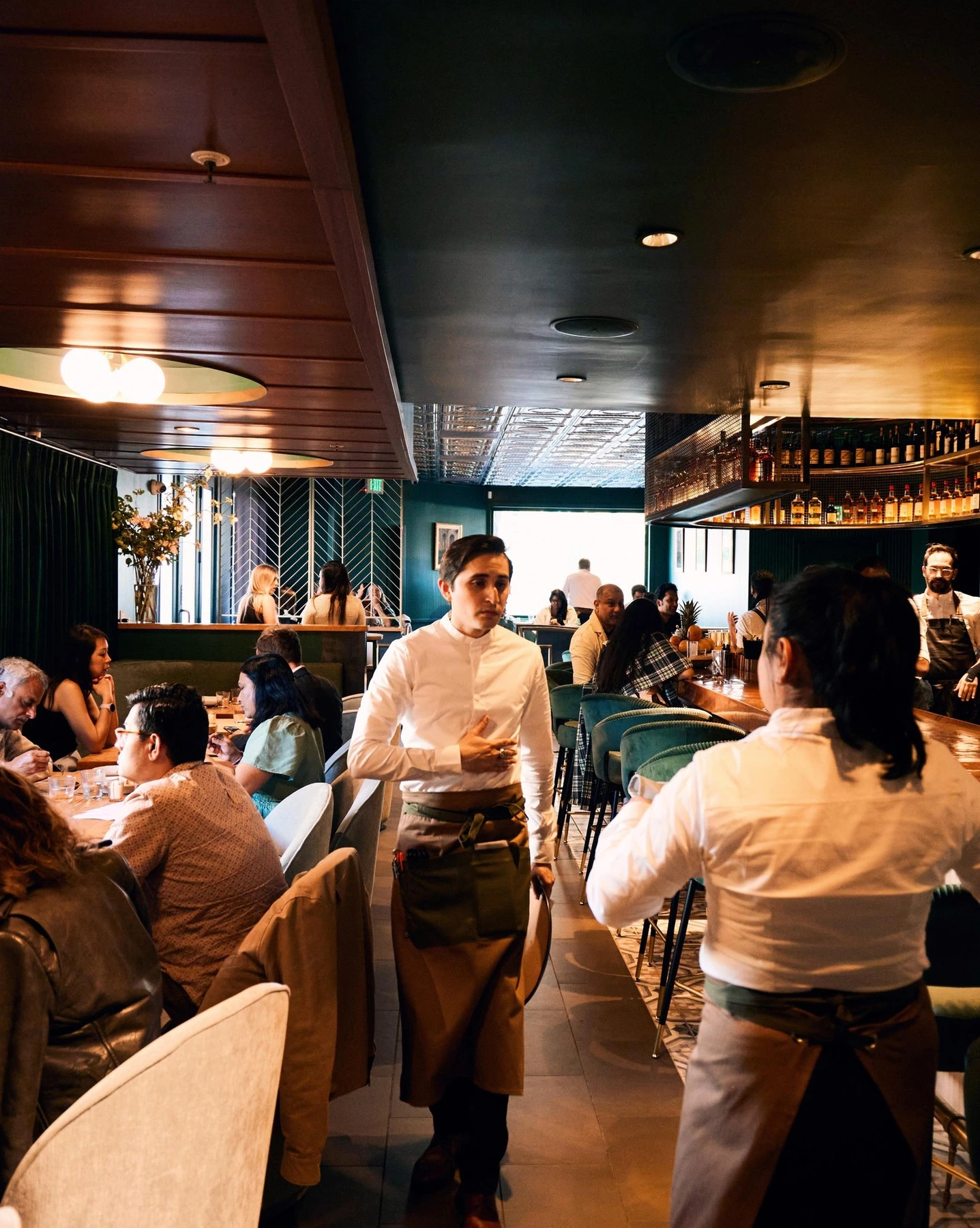
Some settings introduce problems that an ordinary restaurant booking does not resolve.
Buffets and breakfast bars
Shared utensils and nearby dishes create opportunities for cross-contact. FARE identifies buffets as a higher-risk setting for this reason. FARE: Dining Out
Ask whether the kitchen can prepare and serve an individually checked meal separately from the buffet. Do not assume a labeled buffet tray remains suitable after other guests have served themselves.
Street food and market stalls
Ask whether the vendor can verify every ingredient, including prepared sauces, and explain shared equipment use.
A short menu or visible cooking does not reveal everything in a marinade or seasoning. If communication or ingredient verification is insufficient, use your backup meal.
Resorts and all-inclusive hotels
Before paying, ask who will coordinate your meals, how different restaurants handle your allergy information, and what happens when that person is off duty.
Check whether suitable meals are available beyond the main restaurant’s opening hours. An arrangement that works only at dinner may leave breakfast, excursions, and late arrivals unresolved.
Cruises
Ask the operator about advance notification, meal ordering, food brought onboard, medical facilities, and emergency arrangements.
Also plan for ports and excursions. Shore meals may be provided by a separate business, so confirm those arrangements independently. Read current operator policies rather than relying on an old review of the cruise line.
11. Read Labels Using the Local Rules
Read the actual package every time, including products from familiar brands. Recipes may differ between countries. FARE: International Travel
Before shopping, learn your allergens’ local names and whether they receive special declarations under local rules.
Do not treat the absence of a “may contain” warning as proof of suitability. Precautionary statements vary by jurisdiction; in Australia and New Zealand, they are voluntary and are not regulated by the Food Standards Code. Agree with your clinician on how to handle these statements. FSANZ: Allergen Labeling
Dietary labels also need care. Vegan food can still present cross-contact risks for someone with milk or egg allergy. Check allergen information and preparation rather than relying on the vegan label alone. Food Standards Agency
12. Make Backup Plans for Disruptions
A backup plan should be usable when you are tired, hungry, or unable to follow the original itinerary.
| Disruption | Practical response |
|---|---|
| A restaurant cannot accommodate you | Use a previously checked alternative or your packed meal |
| A flight is delayed overnight | Tell staff about your food requirements; assess any replacement catering independently; use your reserve food |
| The accommodation kitchen is unusable | Contact the property immediately and arrange suitable facilities; use planned alternatives while resolving it |
| Medication is lost, damaged, or used | Contact a local clinician or pharmacist and your insurer’s assistance service promptly; do not assume a home prescription can be filled locally |
| A reaction requires emergency treatment | Follow medical advice, replace used supplies, and review the suspected exposure and onward arrangements before continuing |
Medication availability varies internationally. The CDC advises discussing extra supplies when access to replacements or medical care is uncertain. CDC: Severely Allergic Travelers
Pack backup food that can replace a meal, rather than relying entirely on small snacks. Choose familiar foods that meet your requirements and can be stored appropriately.
For longer trips, plan regular shopping and cooking opportunities. Repeat the relevant checks when you cross borders because labels, languages, and import rules may change.
13. Prepare for an Emergency Before You Need Help
Save these details offline and keep a printed copy:
- The verified local emergency number.
- Your accommodation’s complete address.
- Appropriate nearby emergency facilities.
- A translated emergency message.
- Your emergency contacts and insurance assistance number.
Follow your clinician’s written emergency plan.
FARE’s emergency guidance calls for immediate epinephrine for severe symptoms or mild symptoms affecting more than one body system, followed by emergency assistance. Severe symptoms can include breathing difficulty, throat tightness, faintness, or significant tongue swelling. Antihistamines and asthma inhalers do not replace epinephrine for anaphylaxis.
Follow your plan for additional doses and positioning while help arrives, and obtain emergency assessment even if symptoms improve. FARE: Emergency Care Plan
On a plane, ship, train, or organized excursion, alert the crew or guide immediately.
14. Make Responsibilities Clear for Children and Solo Travel
When traveling with children
Decide which adult checks meals, carries medication, and briefs caregivers. Say explicitly when responsibility changes:
“You are supervising lunch. Here are the medication and emergency plan.”
Before using a hotel kids’ club, excursion service, or childcare provider, confirm its food arrangements, medication procedures, and emergency response. If those arrangements do not meet your child’s needs, change the activity.
When traveling alone
Choose a route you can manage independently, including communication and access to help.
Make your emergency information accessible through your phone’s medical information feature and a physical card or medical identification. Give a trusted contact your itinerary and agree on check-ins for remote activities.
Keep your medication on your person rather than in a bag someone might move or store away.
Give Yourself Room to Enjoy the Trip
Repeated food decisions can be tiring. Plan a few dependable meals so you do not need to investigate somewhere new every time you are hungry.
Keep breakfast ingredients at your accommodation. Return to a restaurant that continues to meet your requirements. Leave enough time between activities to change a meal plan without missing your transport.
Your trip can revolve around scenery, museums, beaches, performances, or time with people you care about. Choose food arrangements that support those experiences.
Frequently Asked Questions
Can you travel internationally with severe food allergies?
Many people do, but the suitability of a particular trip depends on your health, allergens, food arrangements, communication, and access to care. Review your proposed itinerary with your allergy clinician.
What is the best country for someone with multiple food allergies?
There is no universal best choice. Look for a destination where you can communicate precisely, obtain suitable ingredients, prepare adequate meals, and access emergency care. Multiple allergies make the details of your accommodation and food supply especially important.
Can you rely on allergy-friendly restaurant reviews?
Use reviews to discover places to investigate. Another traveler may have different allergies or preparation requirements. Confirm your needs directly with the restaurant.
Does eating safely at a restaurant once mean you can return without checking?
No. Explain your allergies and check ingredients and preparation each time because staff, recipes, and suppliers can change.
How can you make your first trip more manageable?
Choose a short itinerary with one base, fewer transfers, suitable kitchen facilities, and food options researched in advance. Use that experience to refine your routine before planning a more complex journey.
The aim is to settle the important questions early: how you will eat, how you will communicate, what you will carry, and where you will get help. With those arrangements in place, you can spend more of the trip enjoying the destination.
8 thoughts on “How to Travel the World With Severe Food Allergies: A Complete Roadmap”