This article contains affiliate links. We may earn a commission if you book through them, at no extra cost to you.
You leave home before breakfast, spend lunchtime getting through airport security, and reach your hotel just as the restaurant closes. By then, whatever is available starts looking like dinner.
That is often the hardest part of eating well on a business trip. Your schedule determines where you are, while meetings, delays, and unfamiliar surroundings limit your choices.
Learning how to eat healthy while traveling for work starts with a few practical arrangements: knowing where your next meal might come from, carrying food for unexpected gaps, and choosing meals that leave you comfortably fed.
There is still room for a restaurant dinner with colleagues or a local dish you have been looking forward to trying. A workable routine gives you that flexibility without making every meal another task to manage.
Check Your Itinerary for Meals You Might Miss
Before choosing snacks or looking up restaurants, read your itinerary with food in mind.
An early departure might rule out breakfast at home. A flight landing at noon could take up most of your lunch break once you include baggage collection and the journey to the office. A client dinner might begin several hours after you normally eat.
Identify those gaps and make a specific arrangement for each one.
| Likely problem | Practical arrangement |
|---|---|
| Leaving before hotel breakfast opens | Buy breakfast the evening before |
| Going straight from the airport to meetings | Pack or purchase lunch before the transfer |
| Dinner scheduled late | Carry an afternoon snack |
| Arriving after nearby restaurants close | Eat before leaving the airport or save a late-opening option |
| Driving between appointments all day | Plan a meal stop along your route |
You do not need reservations for every meal. Knowing which parts of the day need attention is enough to make planning more useful.
Check your hotel facilities and meal allowance
Find out whether your room has a refrigerator suitable for perishable food, whether guests can use a microwave, and when breakfast is served.
Check your employer’s expense policy, too. Grocery purchases, delivery fees, and meals bought during transit may be treated differently.
Then save two convenient food options near your hotel or workplace. Check their opening hours against your actual schedule.
Build Satisfying Meals From Familiar Foods
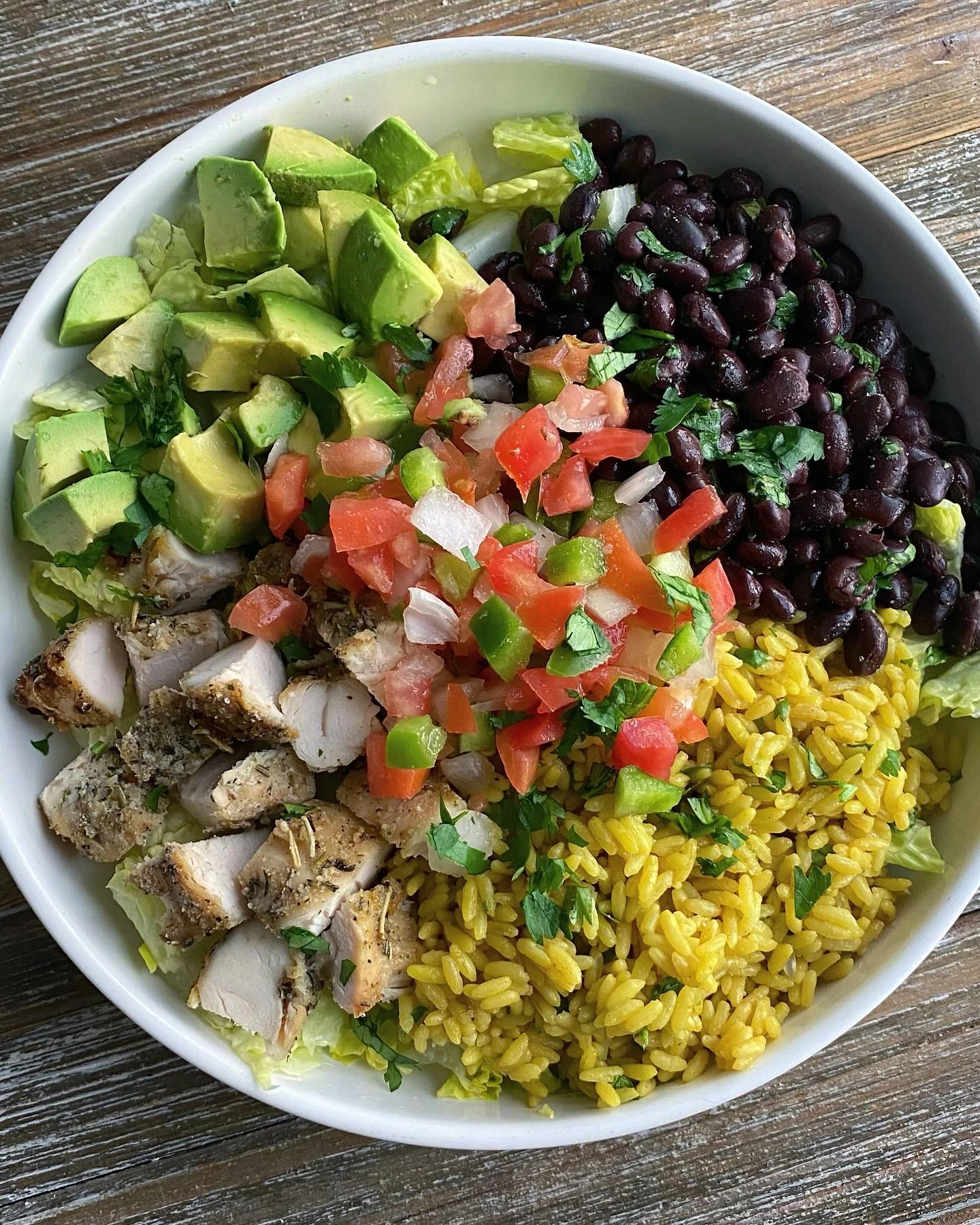
A simple meal framework makes unfamiliar menus easier to navigate.
Look for a protein food, a carbohydrate source, and fruit or vegetables. Include foods such as nuts, seeds, avocado, or olive oil where they fit. Eating a variety of foods helps you cover different nutritional needs. CDC healthy eating guidance
For example:
- Eggs, toast, and fruit.
- Chicken or tofu with rice and vegetables.
- A bean-filled tortilla with salsa and salad.
- Yogurt with oats, berries, and nuts.
- A sandwich with a substantial filling and vegetables.
Adjust the amount to your appetite and the day ahead. A small side salad may be a useful addition to lunch, but it might not be enough lunch on its own.
If you choose a main-course salad, consider adding beans, eggs, chicken, tofu, or another protein food, along with bread or a grain.
Pack a Small, Useful Food Kit
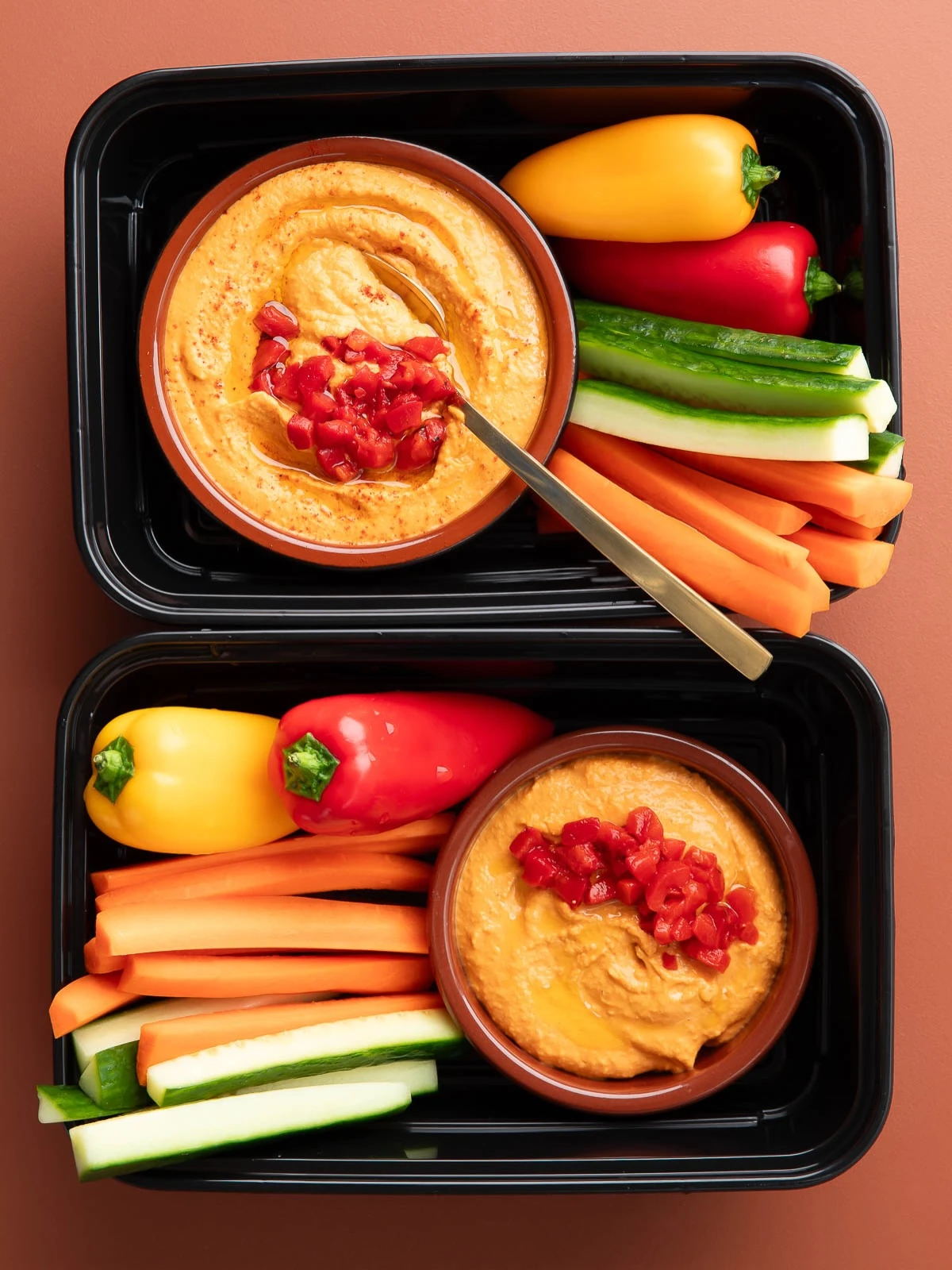
Pack for the gaps you expect, plus a little flexibility for delays. You do not need to carry enough food for the entire trip.
For a two- or three-day business trip, this is a practical starting point:
| Item | Suggested amount | Purpose |
|---|---|---|
| Sturdy whole fruit | Two pieces | Travel-day snack or breakfast addition |
| Nuts, seeds, or roasted chickpeas | Two small portions | Food between meetings or during delays |
| Whole-grain crackers | One small resealable pack | Pair with another food when you need something more substantial |
| A bar you enjoy | One or two | Backup when other food is unavailable |
| Refillable water bottle | One | Keep drinking water accessible |
| Spoon and napkin | One set | Useful for purchased yogurt, cereal, or prepared meals |
These quantities are an example, not a daily eating target. Pack more if your itinerary includes several uncertain meals, or less if food will be readily available.
The Academy of Nutrition and Dietetics identifies fruit, nuts, whole-grain crackers, and snack bars as useful travel foods. Yogurt, hummus, cheese, and other refrigerated foods need appropriate cooling. Academy travel eating guide
Keep your food in the bag you will have with you. A snack in a checked suitcase cannot help during a connection.
Our travel snack guide offers more choices for a small food kit, with separate lists for foods that need chilling and those that do not.
Pack a meal when a snack will not be enough
If you already know lunch is likely to disappear, arrange lunch rather than hoping a bar will cover it.
A sandwich and fruit can work for a domestic travel day. With reliable chilling, you could bring a wrap with a refrigerated filling or a bean-and-grain salad.
For international travel, check destination food-entry rules before carrying produce, meat, dairy, or other restricted foods across a border.
Compare packaged foods without overthinking them
When choosing between similar bars, crackers, or prepared meals, check the serving size first. A package may contain more than one serving.
Then compare the features relevant to the purchase:
- Protein and fiber: Helpful considerations when you need something substantial between meals.
- Added sugar: Useful when comparing similar cereals, yogurts, or bars.
- Sodium: Worth checking when several meals will come from packaged or restaurant food.
- Ingredients and allergens: Essential if you have dietary restrictions.
Choose something you like and can comfortably eat. A snack you leave untouched is not much of a backup.
Buy Airport Food Before Boarding Becomes Urgent
After confirming your gate and departure information, check the nearby food options.
If the flight overlaps with a meal, buying food before boarding gives you more choice and time to decide.
Practical airport meals include:
- An egg sandwich and fruit.
- A chicken or hummus sandwich with vegetables.
- A rice bowl with beans and your preferred toppings.
- Yogurt with oats, nuts, and fruit.
- Soup with a substantial sandwich.
Consider how you will eat it. A tightly wrapped sandwich is easier to manage in a narrow seat than a large salad with several separate containers.
If the available food is a burger or pizza, you can still eat a meal that suits your appetite. Choose an amount you want, add produce if available, and move on with your journey.
Check security rules for spreads and ice packs
For U.S. airport screening, liquid and gel foods generally fall under carry-on liquid restrictions. Foods such as peanut butter and similar spreads generally need containers no larger than 3.4 ounces that fit within the permitted liquids bag. Ice packs used for ordinary food cooling generally need to be fully frozen at screening. Certain medically necessary items have exceptions. TSA food and screening rules
Security rules and destination food-entry rules are separate, so check both when relevant.
Plan Food Stops When Driving Between Clients
Driving gives you more control over where you stop, but a crowded appointment schedule can still turn lunch into an afterthought.
Choose a realistic stopping point along your route before setting off. Allow enough time to buy food and eat while parked.
At a service station or convenience store, possible combinations include:
- A refrigerated sandwich with whole fruit.
- Yogurt, nuts, and crackers.
- A bean burrito with available vegetables or salsa.
- A prepared salad with a protein food and bread.
If you bring chilled food, use an insulated cooler with adequate ice packs and keep it within safe temperature limits. A parked car is not suitable food storage.
For days with unpredictable driving times, keep a shelf-stable backup within reach when you stop.
For longer drives, use the example packing plan in our healthy road trip snacks guide to choose a few options for the gaps between meals.
Make Hotel Breakfast Work With Your Morning
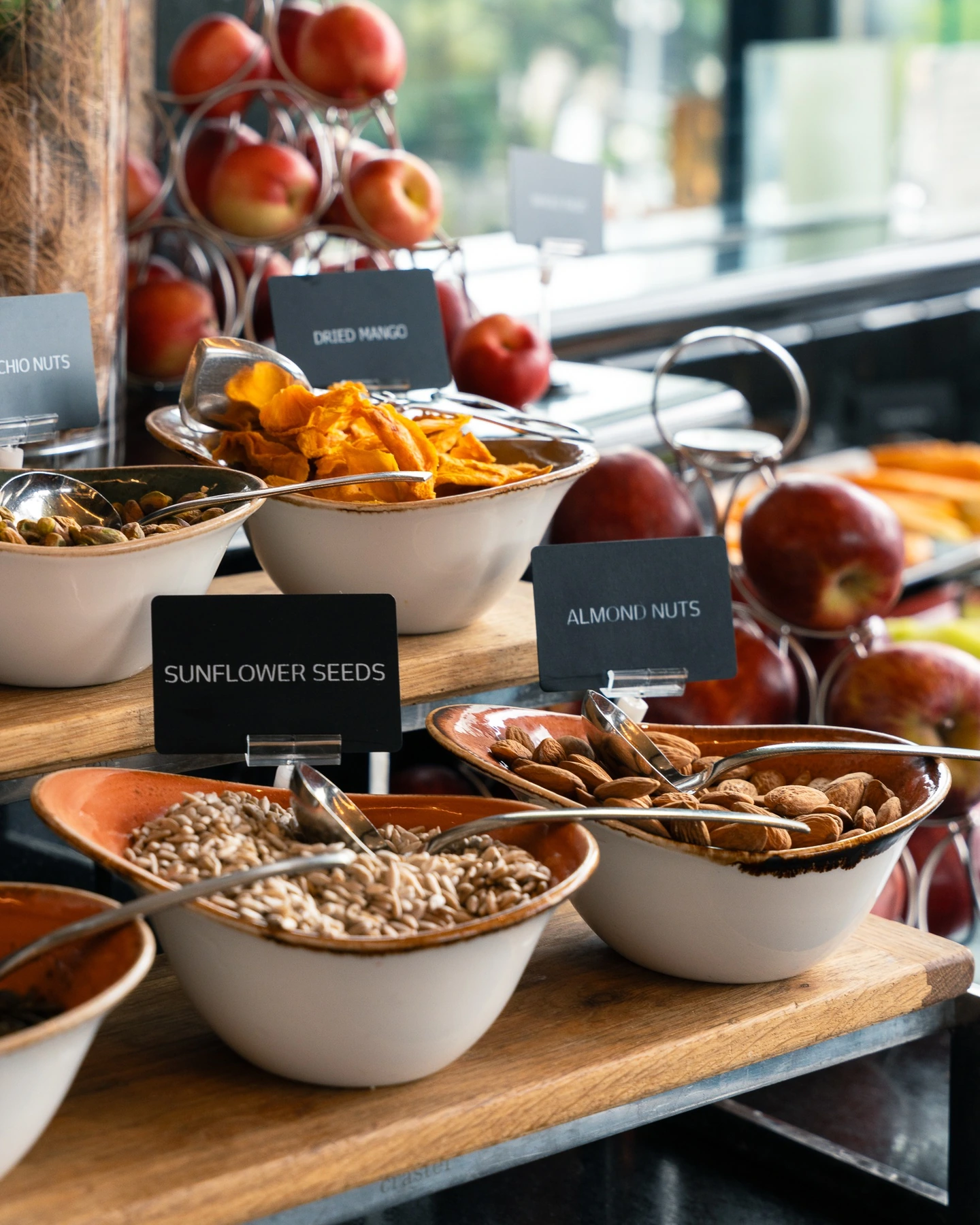
A hotel breakfast can save time and money when its opening hours fit your schedule.
Look over the available food before filling your plate. Then put together a breakfast you expect to keep you comfortably fed until the next opportunity to eat.
Options might include:
- Eggs, toast, and fruit.
- Oatmeal with milk, nuts, and a banana.
- Plain yogurt with cereal and berries.
- Beans with eggs and a tortilla.
- Whole-grain cereal with milk or fortified soy milk.
A pastry can fit, too. Pair it with another food if you need a more substantial breakfast.
If breakfast service starts after you leave, buy something the night before. Depending on your facilities, that might be yogurt and cereal, or whole fruit, nuts, and a shelf-stable breakfast option.
Match Hotel Groceries to Your Facilities
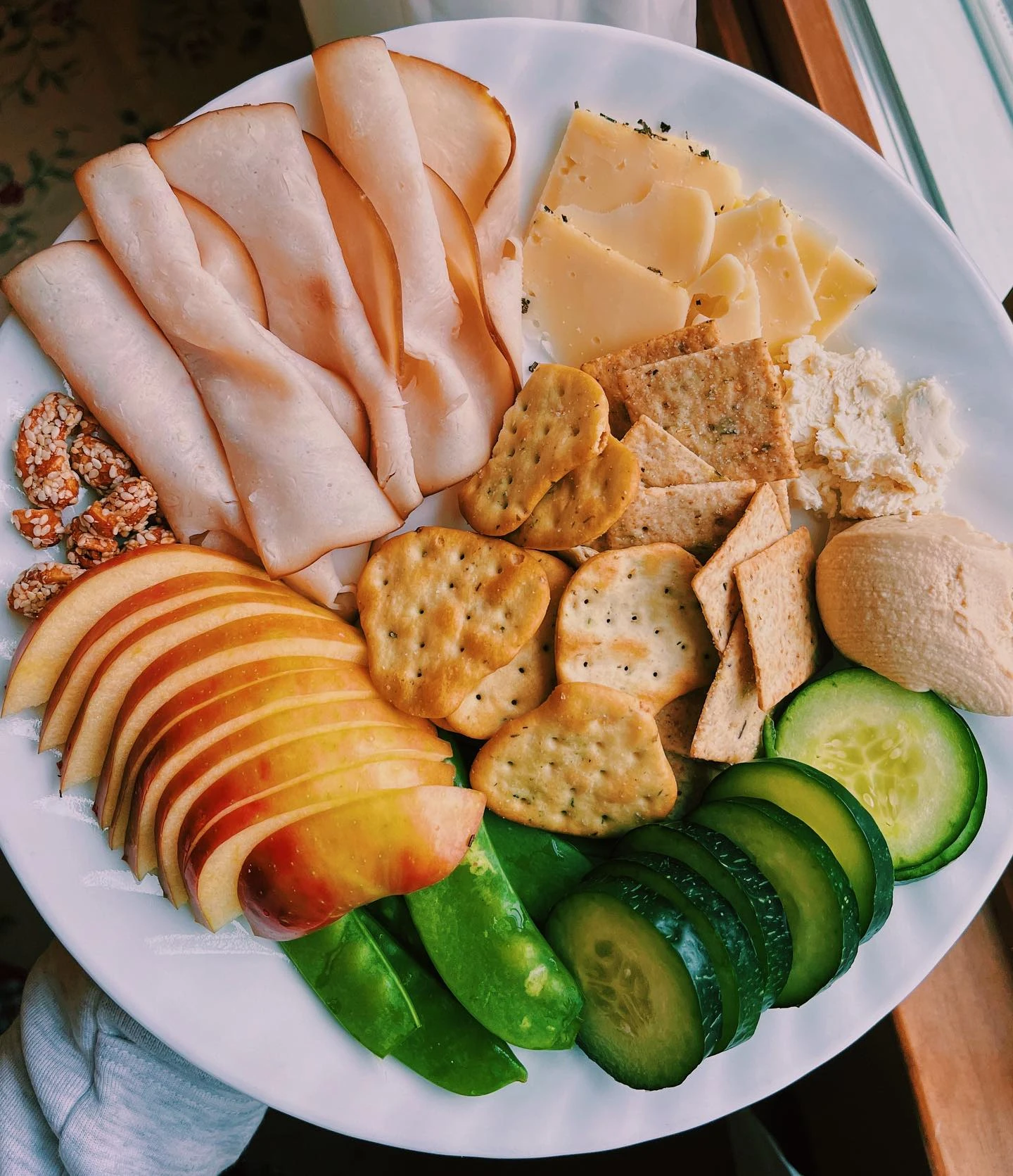
A short grocery stop can take care of several breakfasts or provide dinner after a late meeting.
Buy for the meals you will actually eat in your room. If every evening includes a work dinner, you probably need breakfast and snacks rather than a full week of ingredients.
| Available facilities | Useful foods |
|---|---|
| No refrigerator or cooking equipment | Whole fruit, nuts, crackers, shelf-stable bars, single-serving shelf-stable milk |
| Reliable refrigerator | Yogurt, hummus, milk, prepared salads, refrigerated sandwiches |
| Refrigerator and microwave | Microwave grains, frozen vegetables, soups, prepared meals |
| Kitchenette | Oats, eggs, beans, vegetables, and ingredients for simple meals |
Check storage instructions, including whether food needs refrigeration after opening.
With a microwave, a simple dinner could be rice, ready-to-eat beans, and vegetables, prepared according to package directions. Without refrigeration, buy perishables close to mealtime and choose package sizes you can finish.
Easy vegetarian and vegan combinations
Plant-based meals are easier to arrange when you look for a substantial protein food alongside vegetables and a carbohydrate source.
Examples include:
- Airport: A bean burrito with rice and salsa.
- Hotel breakfast: Oatmeal with fortified soy milk, nuts, and fruit.
- Grocery-store lunch: Lentil salad with whole-grain bread.
- Restaurant dinner: Tofu with rice and vegetables.
- Convenience-store backup: Roasted chickpeas, crackers, nuts, and fruit.
For vegan meals, confirm ingredients in sauces, soups, and dressings when they are unclear. A vegetarian label does not necessarily mean the dish is vegan.
For a work trip where you plan to prepare meals, compare hotels with kitchenettes. Confirm the appliances and refrigeration in your exact room type before buying groceries.
Handle Catered Lunches With What Is Available
Catered lunches are often chosen for you. Focus on assembling a meal you want from the available food.
If sandwiches are provided, choose one you like and add fruit or vegetables if offered. If lunch is pizza, eat enough to satisfy your appetite and include a side salad when available.
At a buffet, look over the choices before serving yourself. This helps you avoid filling your plate before finding the foods you would prefer.
If the meal does not meet your needs, use your backup and arrange something more substantial at the next reasonable break.
Arrange medical dietary requirements before the trip
Allergies, celiac disease, and other medical dietary requirements need specific arrangements.
Contact the organizer beforehand and ask what will be served, how your meal will be identified, and whom to speak to on the day.
For allergies, confirm ingredients and cross-contact precautions with the people preparing or serving the food. Do not rely solely on a menu label.
For a fuller preparation checklist, see our guide to traveling with food allergies.
Enjoy Client Dinners Without Arriving Ravenous
Business dinners may start late and involve several courses, shared dishes, or a long wait before ordering.
Have a snack beforehand if you are hungry. It makes the wait more comfortable and gives you room to choose what you want.
Read the menu in advance when possible. Useful possibilities include:
- Fish with potatoes and vegetables.
- A chicken or tofu stir-fry with rice.
- A bean-based dish with bread.
- Pasta with vegetables and a protein food.
- A burger with a side you enjoy.
Ask for straightforward adjustments when useful, such as sauce served separately or vegetables as an additional side.
With shared food, serve yourself a portion and check whether you want more at a natural pause. If you would enjoy dessert, have it or share it. You do not need to explain your food choices to the table.
Adjust to Time Changes Without Forcing Extra Meals
Overnight flights can make mealtimes confusing. You might eat dinner onboard, sleep briefly, and land when breakfast is being served.
Treat the local schedule as a practical guide while paying attention to your appetite.
If you have recently eaten and are not hungry, you do not need another full meal simply because it is offered. Have something smaller if you want it, and identify when you can next eat. If you are hungry, eat even if the timing feels unusual.
For example, after an overnight flight:
- Consider when you last ate and how hungry you feel.
- Choose breakfast or a smaller snack accordingly.
- Check when lunch will be possible.
- Keep food available if meetings begin immediately after arrival.
If medication or a health condition requires specific meal timing, follow your individual care plan. General travel advice should not override it.
Keep Water Accessible and Notice Your Coffee Timing
Carry a refillable bottle and use it where safe drinking water is available. Keep it nearby during meetings instead of relying on occasional breaks.
Fluid needs vary with temperature, activity, and health. Follow any individual fluid guidance you have been given.
Coffee can fit your routine, but notice when repeated refills are replacing meals or extending into the evening. Caffeine and alcohol can interfere with sleep, which matters when your schedule is already disrupted. GoodRx travel nutrition advice
At dinner, order sparkling water or another nonalcoholic drink if that is what you prefer. A simple “I’m having sparkling water tonight” is enough.
Have a Backup for Late Arrivals
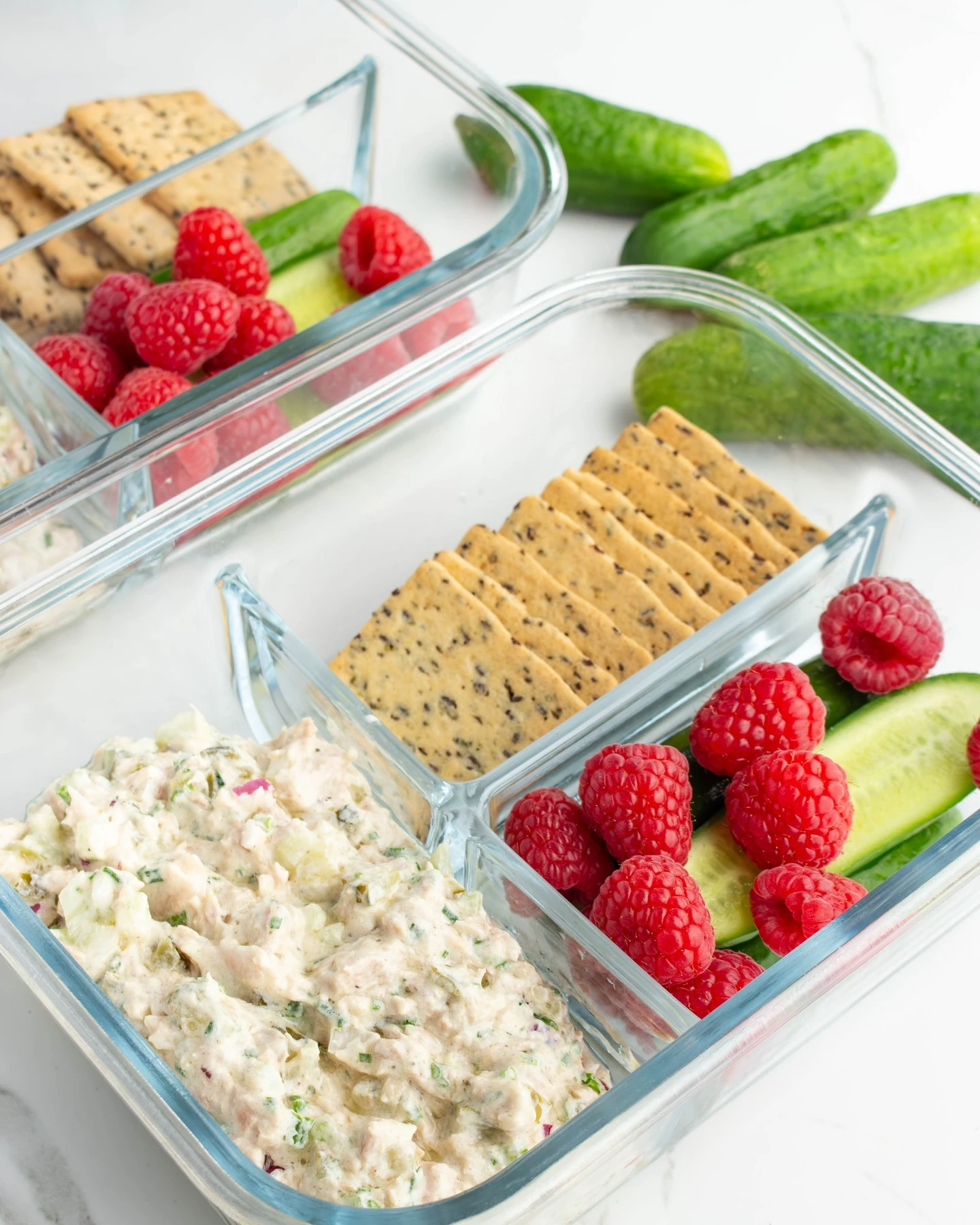
Before departure, check what will still be open near your hotel at your expected arrival time. Allow for a possible delay.
If the journey runs late, consider:
- Buying dinner before leaving the airport or station.
- Ordering from a nearby restaurant or delivery service.
- Picking up food from a grocery or convenience store.
- Using the backup food you packed.
A refrigerated sandwich with fruit, eaten promptly, can be a workable dinner. So can yogurt, crackers, and nuts when those suit your appetite.
The food does not need to resemble your usual evening meal to be useful.
Keep Chilled Food and Leftovers Safe
Moving between airports, offices, restaurants, and hotels makes food storage easy to overlook.
USDA guidance advises refrigerating perishable leftovers promptly and avoiding more than two hours at room temperature, or one hour when the temperature is above 90°F. Refrigerators should stay at 40°F or below. Properly refrigerated leftovers should generally be used within three to four days. USDA leftovers guidance
Apply that to your plans:
- Carry refrigerated sandwiches and other perishables with reliable cooling.
- Leave restaurant leftovers behind if you cannot refrigerate them promptly.
- Check that a hotel refrigerator maintains a safe temperature.
- Remember that refrigerating food later does not undo unsafe time spent warm.
If you regularly store food during work trips, a small appliance thermometer can help you check the refrigerator.
For international destinations where food or water sanitation is uncertain, adapt your choices. Freshly cooked food served hot and fruit you peel yourself may be safer than raw salads. Use safe drinking water and be cautious about ice from an uncertain supply. CDC international food and water precautions
Work Within Your Meal Budget
You do not need specialty snacks or expensive restaurant meals to eat well.
Use the hotel breakfast when convenient, bring shelf-stable snacks from home, and buy simple groceries for meals you can prepare or assemble.
Compare the full cost of delivery, including fees and tip. Buy only as much perishable food as you expect to finish, and keep receipts where reimbursement applies.
For a one-night stay, individual portions may prevent waste. For a longer stay with suitable storage, larger packages can be more economical.
A Flexible Three-Day Business Trip Meal Plan
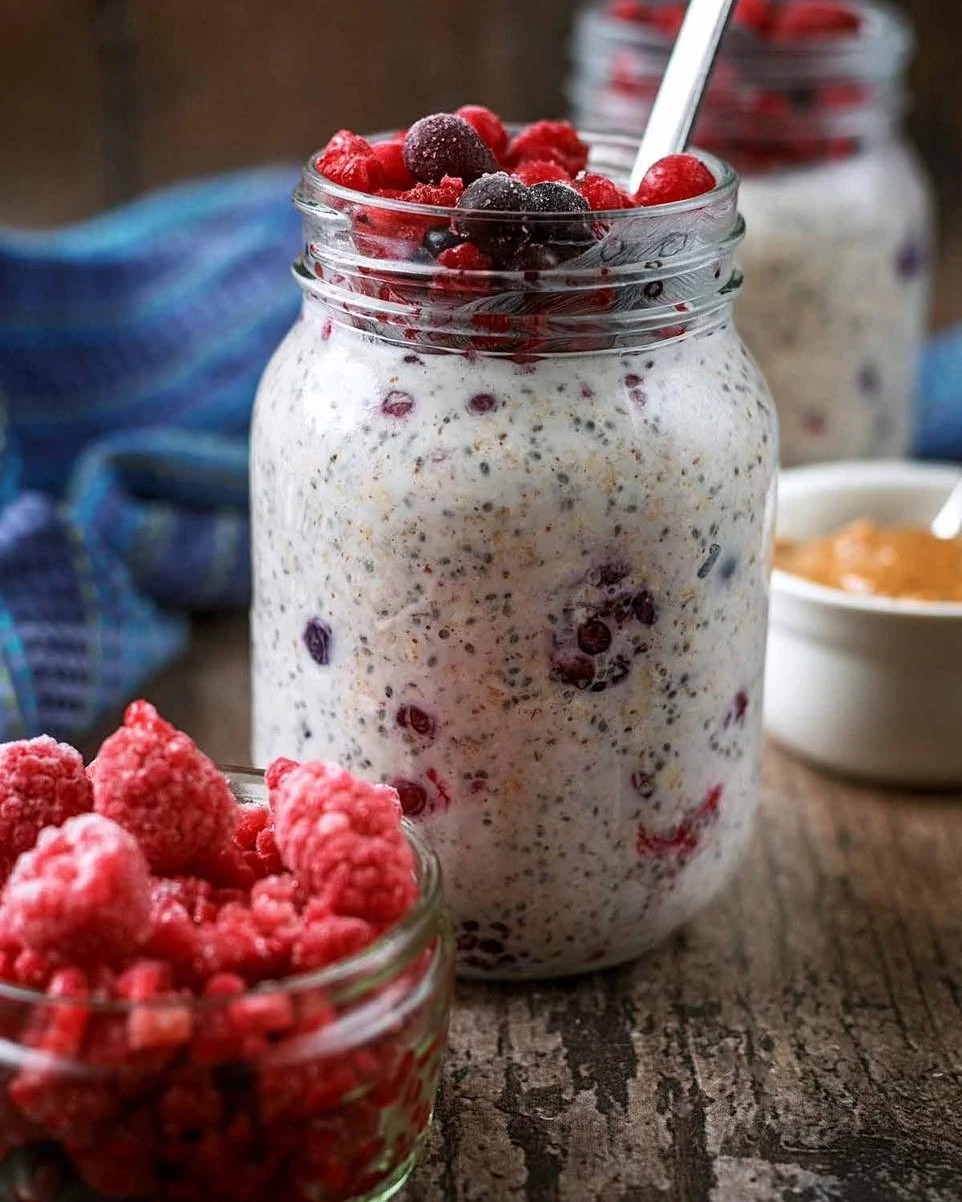
This example shows how meals can fit around work. Adjust the foods and amounts to your appetite, preferences, and dietary needs.
| Day | Breakfast | Lunch | Dinner | Backup |
|---|---|---|---|---|
| Travel day | Eggs and toast before departure | Airport sandwich with vegetables and fruit | Rice bowl with beans or chicken | Nuts and a bar |
| Meeting day | Hotel oatmeal, yogurt, and fruit | Catered lunch with available sides | Client dinner of your choice | Fruit and crackers |
| Return day | Cereal with milk and nuts | Lentil salad with bread | Easy meal at home or food purchased before departure | Roasted chickpeas |
Before leaving home, put one easy return-night meal in the freezer or keep suitable shelf-stable ingredients available. Knowing dinner is covered is particularly helpful when your return flight lands late.
Frequently Asked Questions
How can I eat healthy while traveling for work without cooking?
Combine ready-to-eat foods such as sandwiches, yogurt, fruit, nuts, prepared bean salads, and restaurant meals. Buy refrigerated items close to mealtime unless you have safe storage.
What should I eat before an early flight?
Choose something familiar that fits your appetite, such as toast with eggs, oatmeal with milk, or yogurt with cereal. If you prefer to eat later, pack a suitable option and identify a realistic opportunity after security.
Can I eat fast food on a business trip?
Yes. A sandwich, burger, bean burrito, or rice bowl can be a practical meal. Choose an amount that suits your appetite and include fruit or vegetables where available.
What if I eat more than usual at a business dinner?
Pay attention to your appetite at the next meal and return to your usual routine. One larger meal does not require a strict correction plan the following day.
What is the easiest change to make before my next trip?
Arrange your first travel-day meal and put a backup snack in your carry-on or work bag. Those two decisions cover a common point of difficulty before the trip has even begun.