This article contains affiliate links. We may earn a commission if you book through them, at no extra cost to you.
Hunger tends to arrive at the least convenient point in a journey: just as boarding starts, halfway through a traffic jam, or ten minutes after you pass the last decent rest stop.
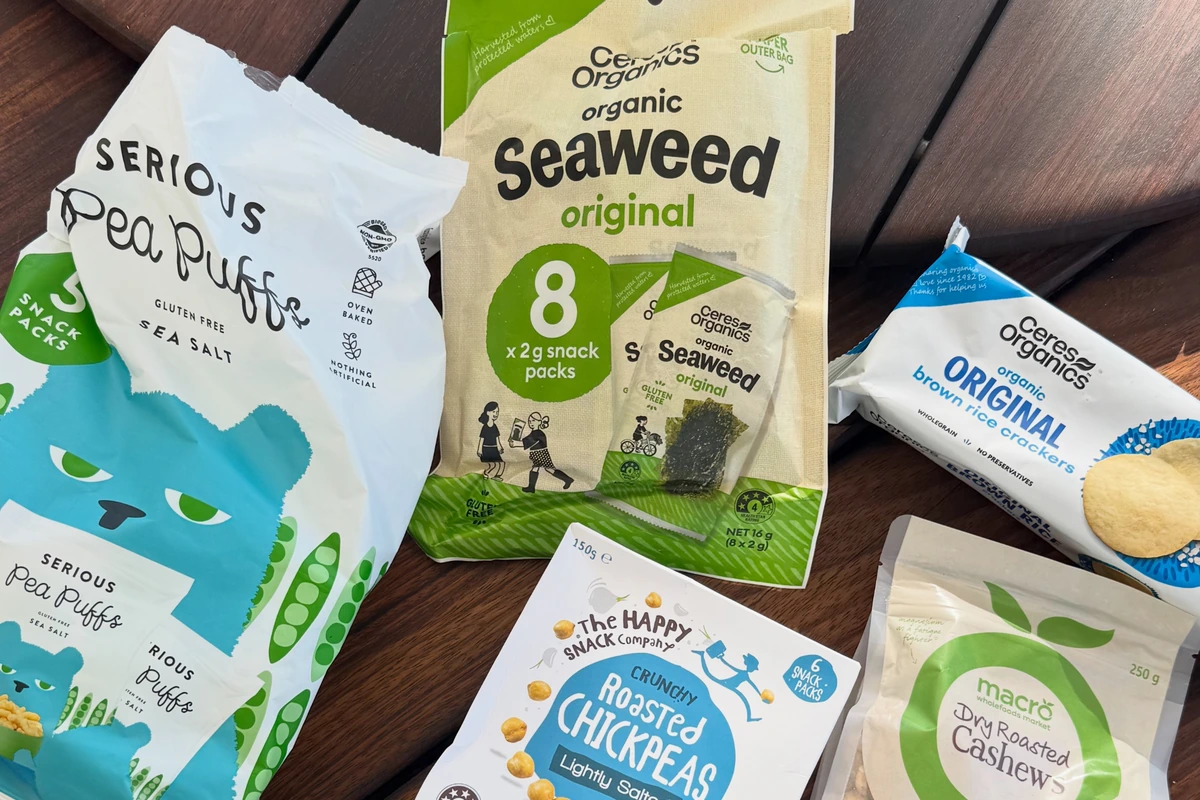
Packing a few travel snacks gives you something you enjoy eating when the options are limited. You don’t need an elaborate picnic or a bag full of expensive bars. Everyday foods such as popcorn, apples, crackers, and a simple sandwich can work well with a little preparation.
The best choices depend on the journey. Yogurt makes sense in a properly chilled road trip cooler. Roasted chickpeas are easier to manage during an airport connection. A banana is convenient, provided it doesn’t spend three hours underneath your laptop.
Here are 21 options, with suggested portions, useful pairings, and packing tips to help them arrive in good shape.
Choose Snacks That Suit Your Journey
Start with three questions: how long will you be traveling, will the journey cross a mealtime, and can you keep food cold?
For a short trip, fruit and one substantial snack may be enough. For a longer journey, combine something savory, something fresh, and food that can stand in for a light meal.
The portions below are practical packing suggestions for adults, not fixed dietary requirements. Adjust them to your appetite and the meals you have planned.
Travel Snacks That Don’t Need a Cooler
1. Homemade Trail Mix
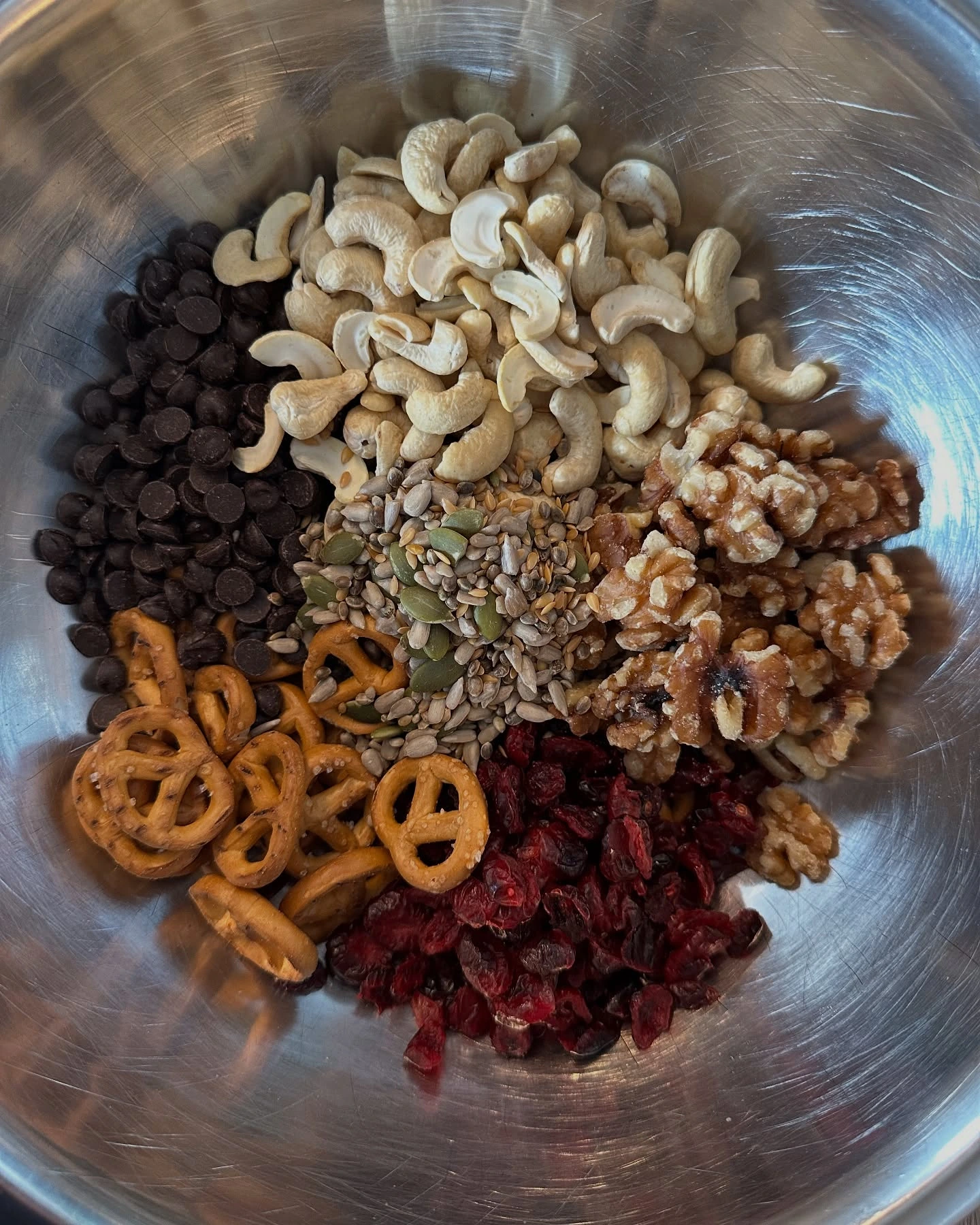
Trail mix gives you crunch, chewiness, and sweetness in a small amount of space. Making your own also lets you use ingredients already in the cupboard.
Makes: Four small portions
Estimated preparation time: 5 minutes
Equipment: Bowl, measuring cups, spoon, and four small containers or bags
Ingredients:
- ½ cup ready-to-eat nuts
- ¼ cup shelled pumpkin seeds
- ¼ cup raisins or chopped dried apricots
Method:
- Mix everything in the bowl.
- Divide into four roughly equal portions of about ¼ cup.
- Seal and keep somewhere cool and dry.
Use ingredients labeled for room-temperature storage and follow their storage instructions; mixing them does not extend their shelf life. Leave chocolate out if your bag will get warm.
2. Mixed Nuts
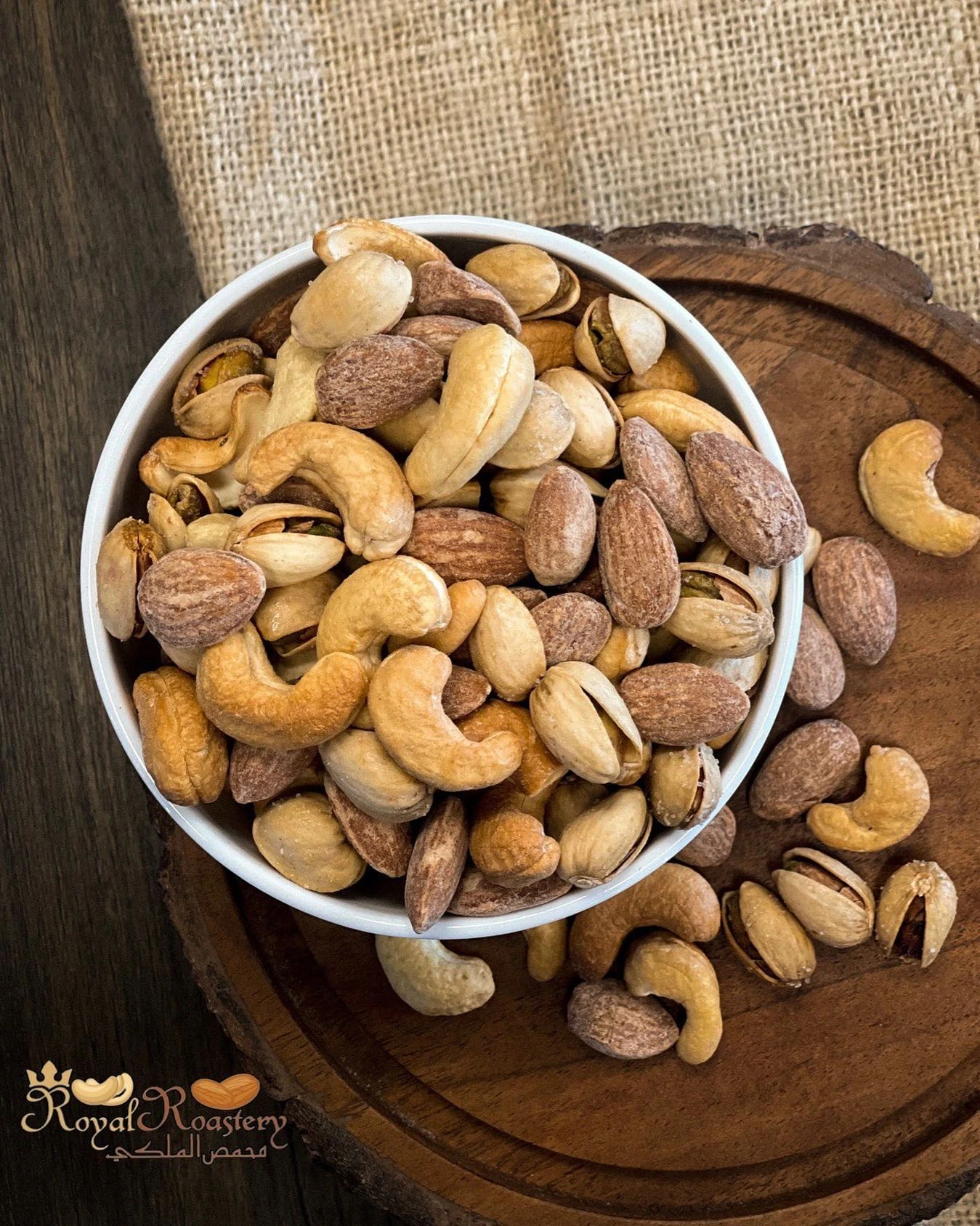
Nuts are compact, sturdy, and useful when you want something more substantial than crackers.
Pack about ¼ cup of almonds, cashews, walnuts, or shelled pistachios. A reusable pouch takes up little space, while a small container protects more delicate walnut pieces.
Shelled varieties save you collecting shells on a tray table. Plain or lightly salted nuts also pair easily with fruit. Follow airline policies and any crew instructions about nuts or peanuts, including requests relating to another passenger’s allergy.
3. Pumpkin or Sunflower Seeds
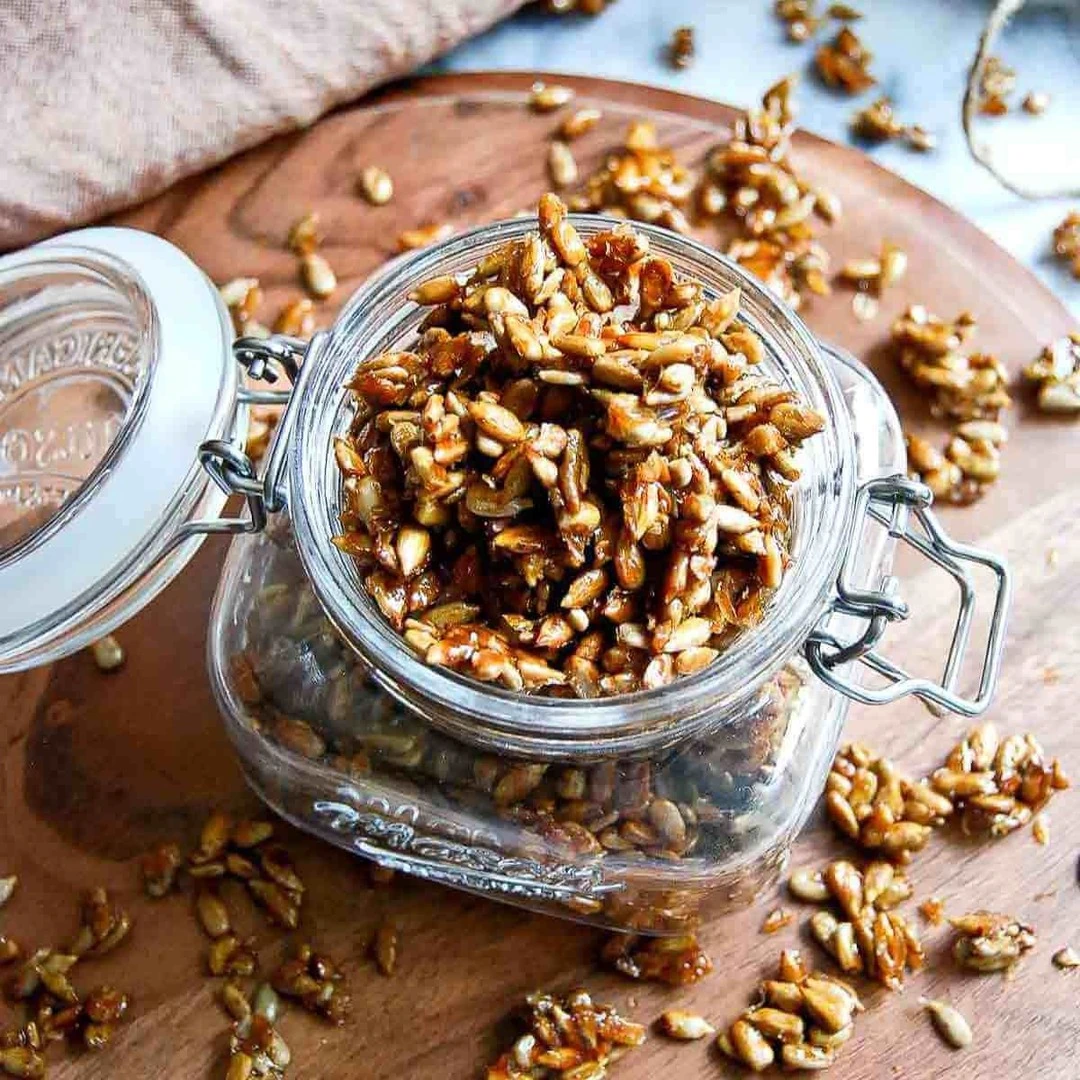
Shelled seeds are an easy savory option and a useful alternative when you don’t want nuts.
Bring 2–4 tablespoons in a secure pouch or small pot. A wide opening makes it easier to pour a little into your hand without scattering seeds.
You can eat them alone or add them to dried fruit. When packing for someone with an allergy, check ingredients and cross-contact information: a product made without nuts is not automatically suitable for every person with a nut allergy.
4. Crunchy Roasted Chickpeas
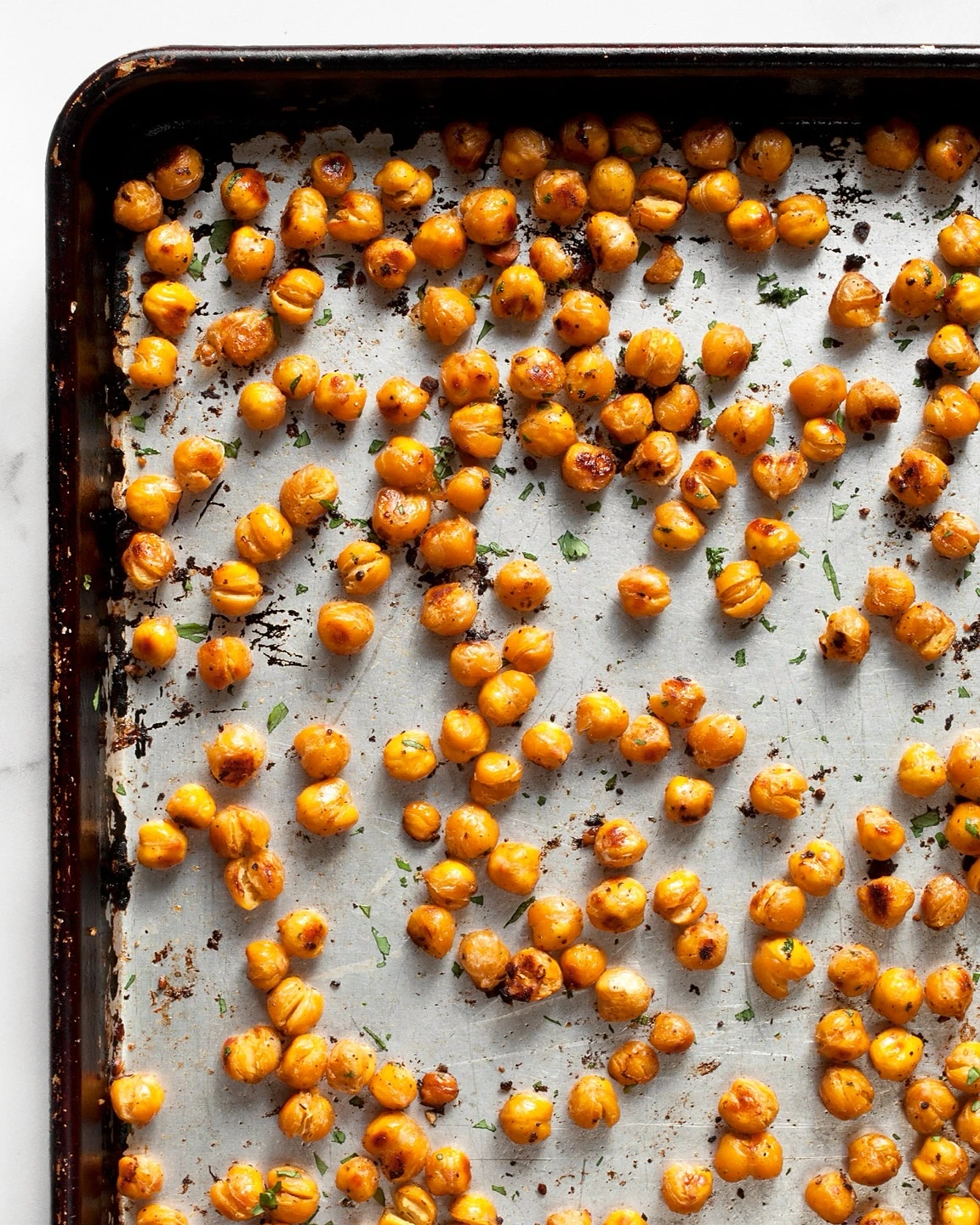
Roasted chickpeas suit the moment when you want a savory snack with a firm bite. Mild paprika or lightly salted versions are easy to pair with other foods.
Pack ¼–½ cup in a rigid container so they don’t become crumbs under heavier belongings.
For a long journey without refrigeration, choose a commercially packaged product labeled for room-temperature storage. Homemade roasted chickpeas vary in moisture and storage needs, so follow the recipe’s instructions rather than assuming they keep like a sealed shop-bought snack.
5. Dry-Roasted Edamame
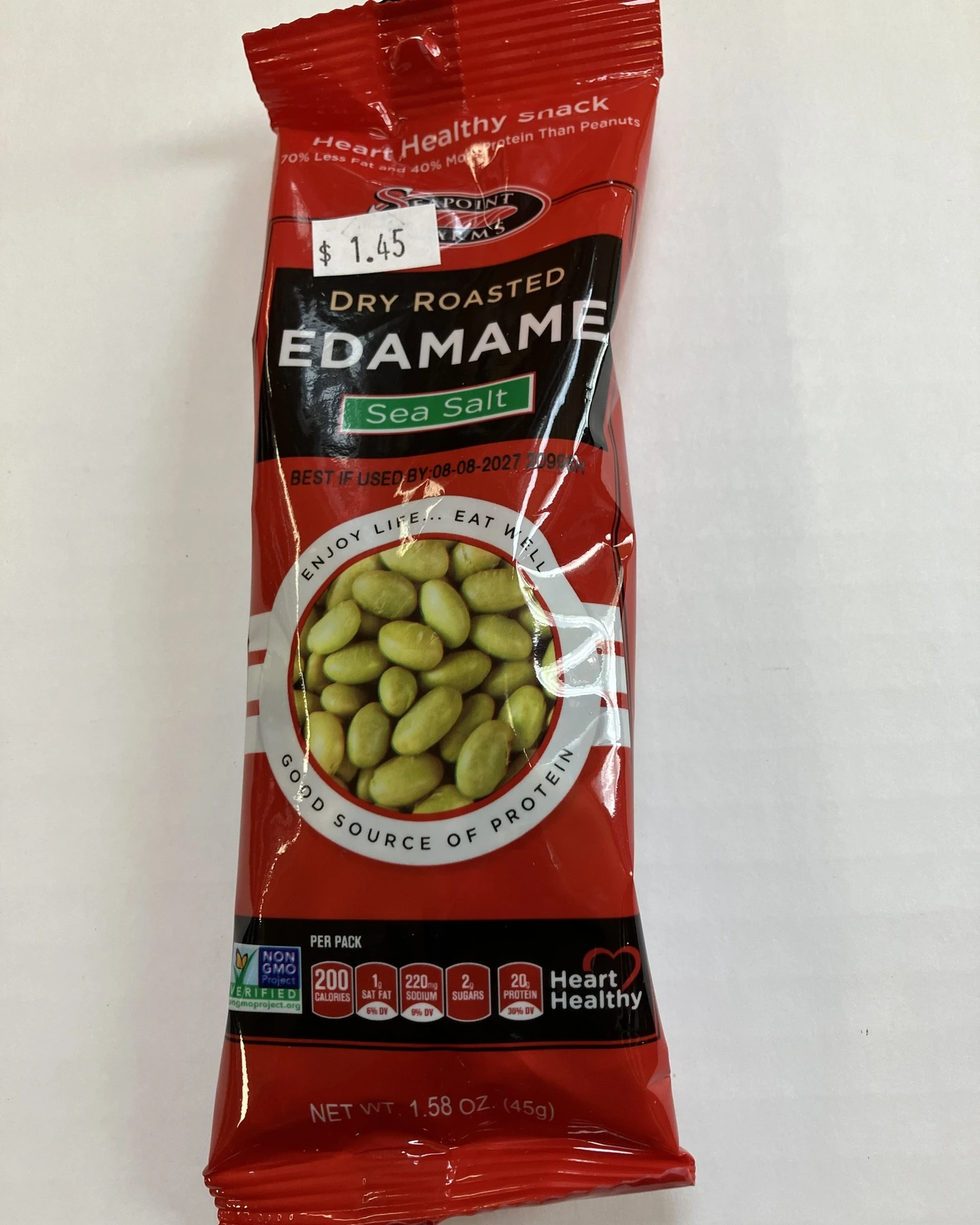
Dry-roasted edamame offers another savory option when you’ve had enough nuts and bars.
Bring ¼–⅓ cup, keeping it in its original resealable packaging or a small pouch. Pair it with crackers or dried fruit for a larger snack.
Look specifically for crunchy, shelf-stable edamame sold as a snack. Cooked edamame needs refrigeration and belongs in a cooler. Edamame is soy, so it won’t suit anyone avoiding that allergen.
6. Popcorn
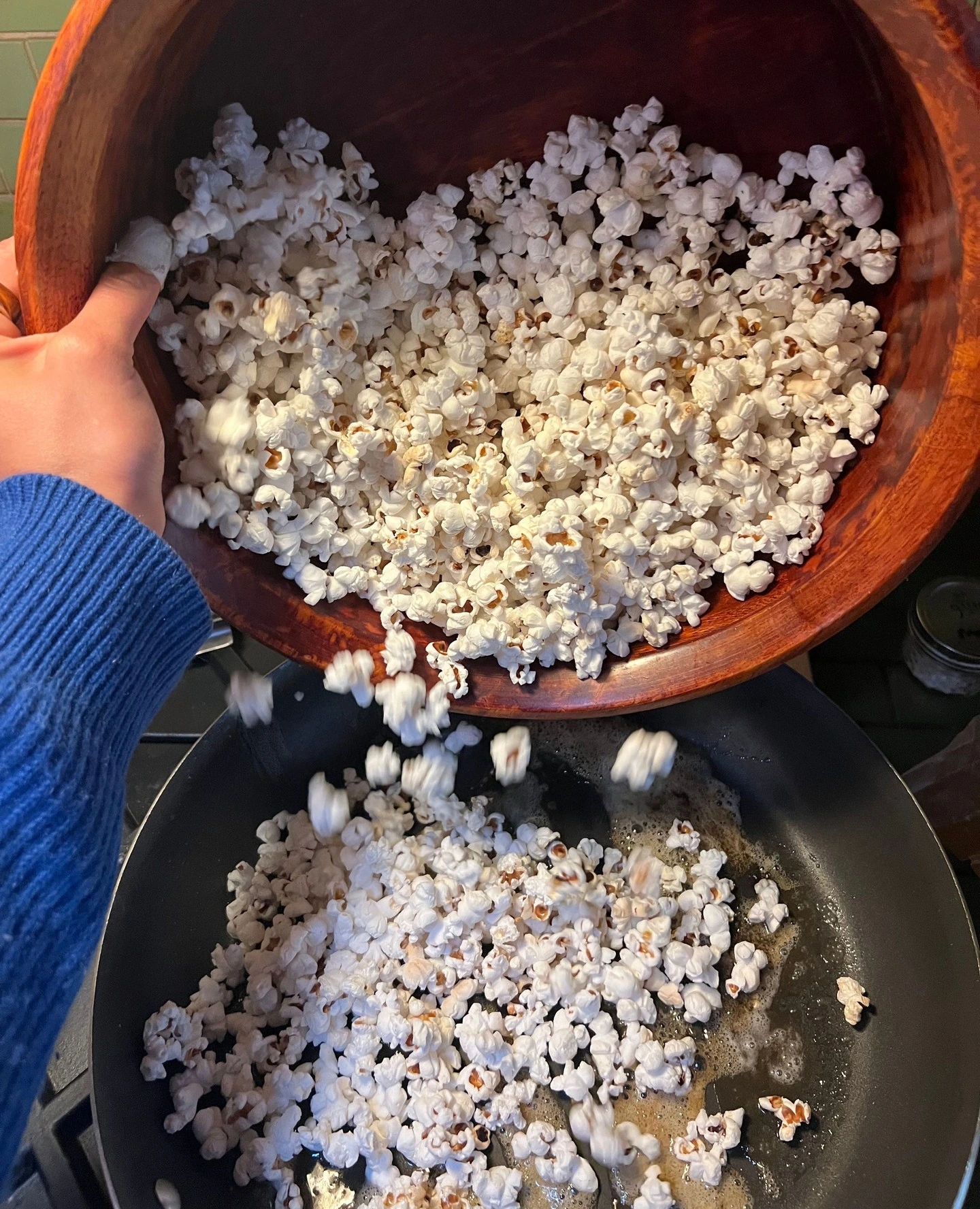
Popcorn is handy when you want something crunchy to nibble over a longer break.
Pack 2–3 cups in a lightweight container, leaving enough room to avoid crushing it. If you make it at home, let it cool completely before sealing; trapped steam softens the popcorn.
Keep seasonings simple. Heavy coatings and loose spice are awkward when you’re also handling a phone or passport. Popcorn takes up more room than nuts, so place it near the top of the bag.
7. Whole-Grain Crackers
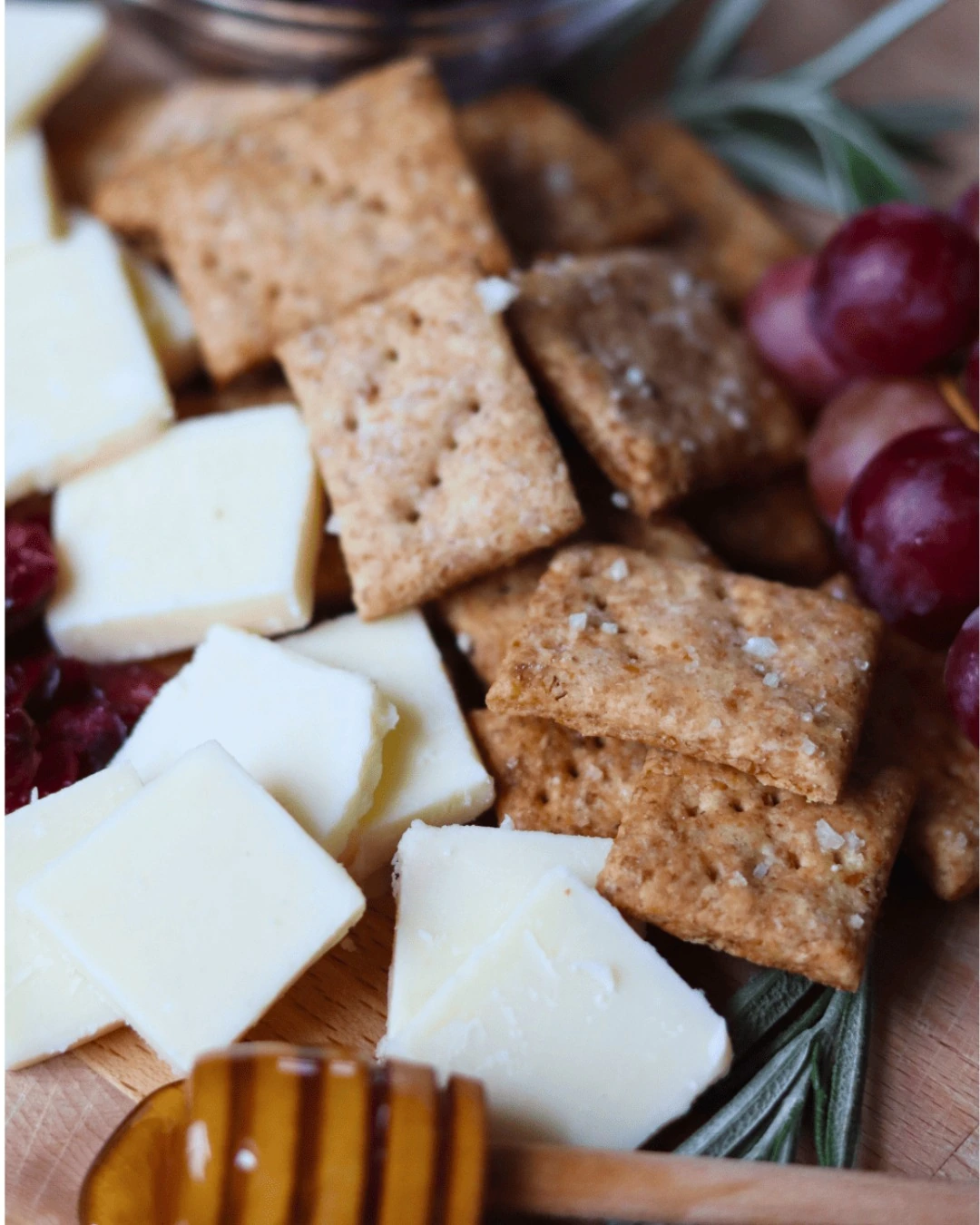
Crackers can be a small snack or the foundation of something more substantial.
Bring about 1 ounce, or the labeled serving, in a shallow container. Sturdy varieties usually travel better than thin, delicate crackers.
Pair them with dried fruit when you have no cooler, or chilled cheese when you do. Keep them separate from moist foods until serving. Even a divided snack box needs a good seal between compartments if you want to prevent cucumber juice from reaching the crackers.
8. Pretzels
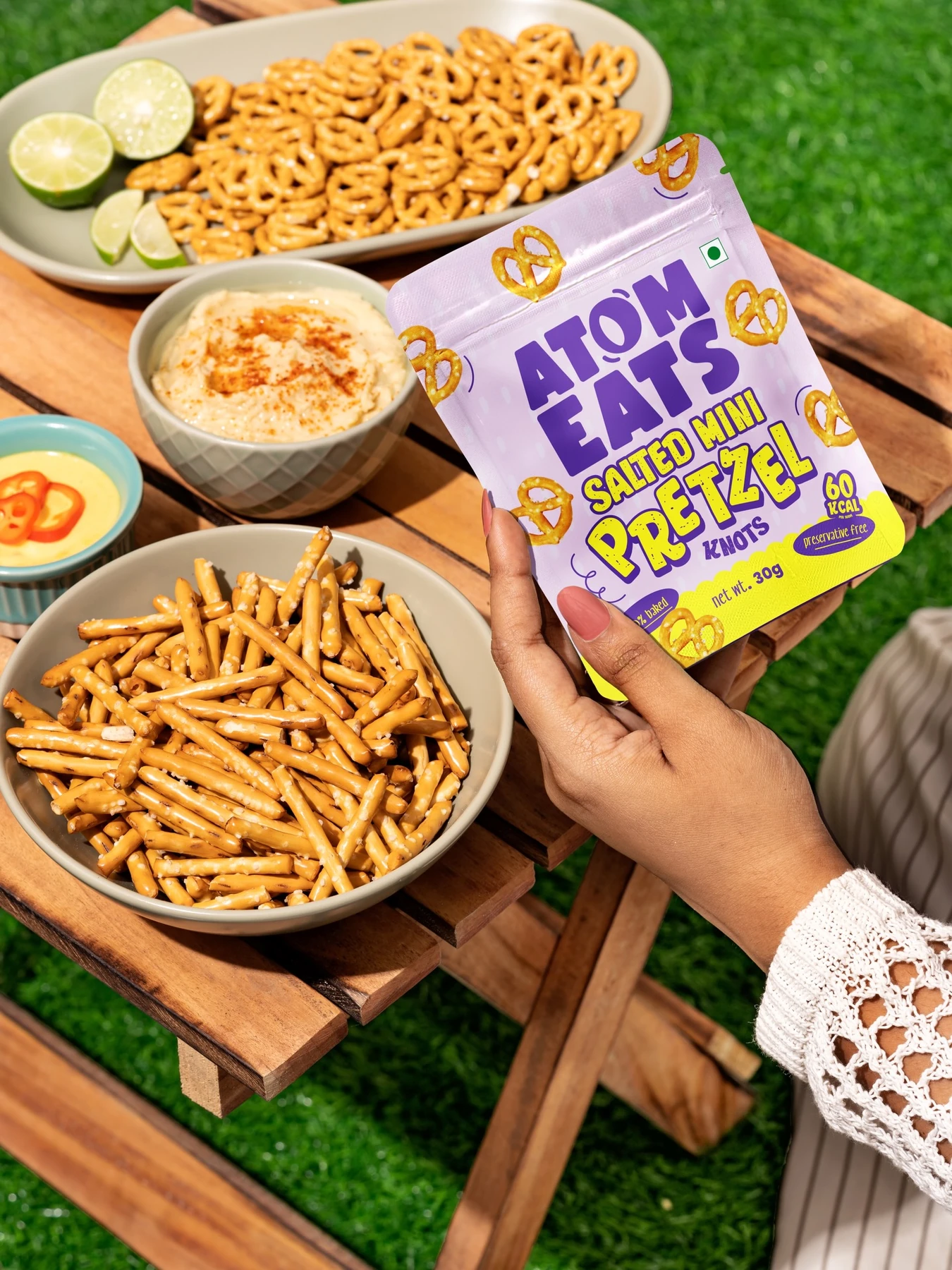
Small pretzel twists are easy to portion and don’t need breaking into pieces before eating.
Pack about 1 ounce in a resealable bag, protected from heavier items. Add fruit, nuts, or seeds when you want a more varied snack.
Plain pretzels are easier to carry in warm weather than chocolate-covered versions. They’re also useful as a familiar backup when you don’t feel like eating something sweet.
9. Granola or Protein Bars
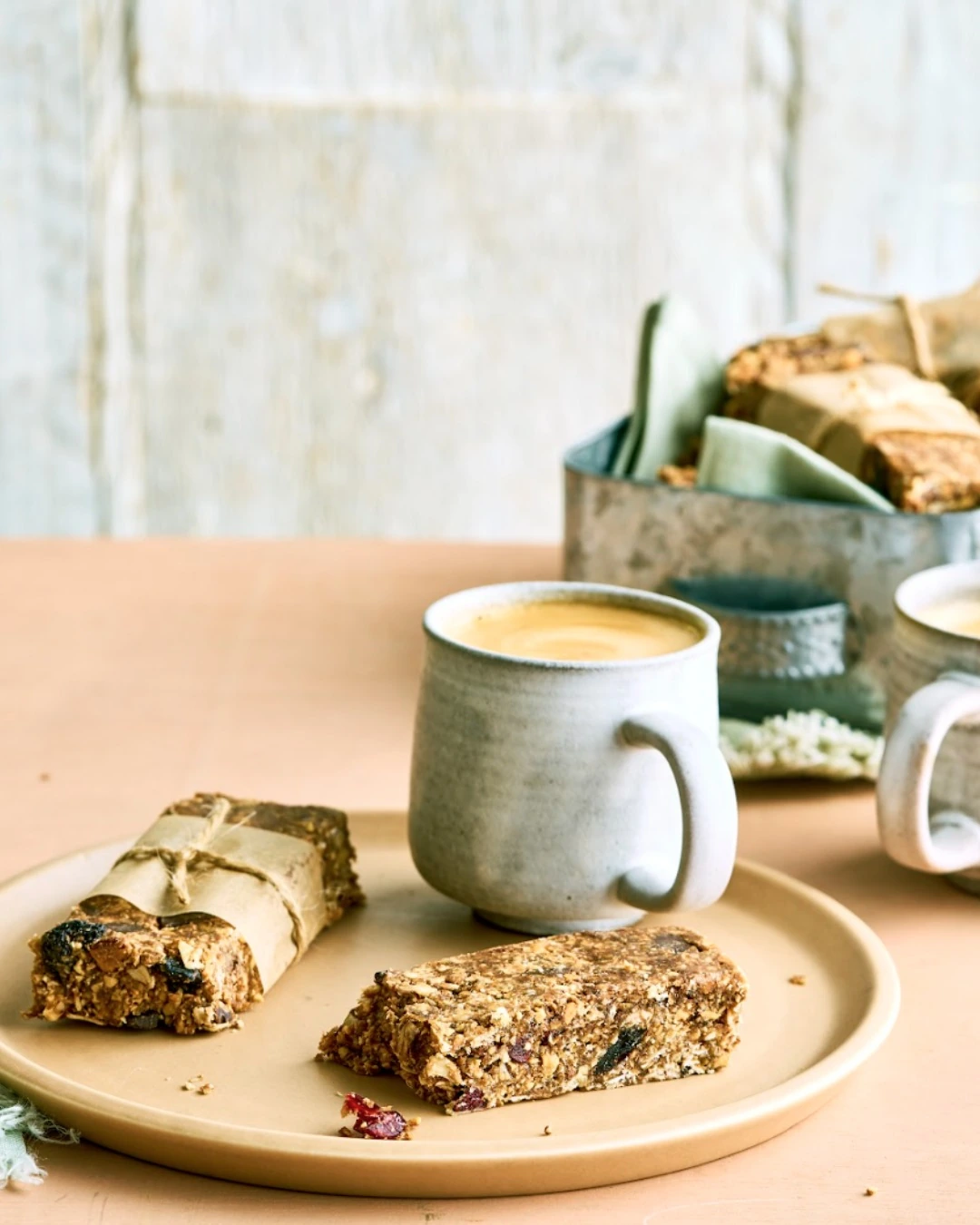
A bar is useful reserve food because it can stay in a side pocket until you need it.
Pack one familiar bar per planned snack, with a spare for delays. Choose something you already enjoy rather than experimenting with a new flavor or texture during travel.
Check storage instructions, since some bars require refrigeration. Uncoated bars are easier to manage in warm bags. Keep the wrapper intact so the ingredients, allergens, and best-before information remain available.
10. Dried Fruit
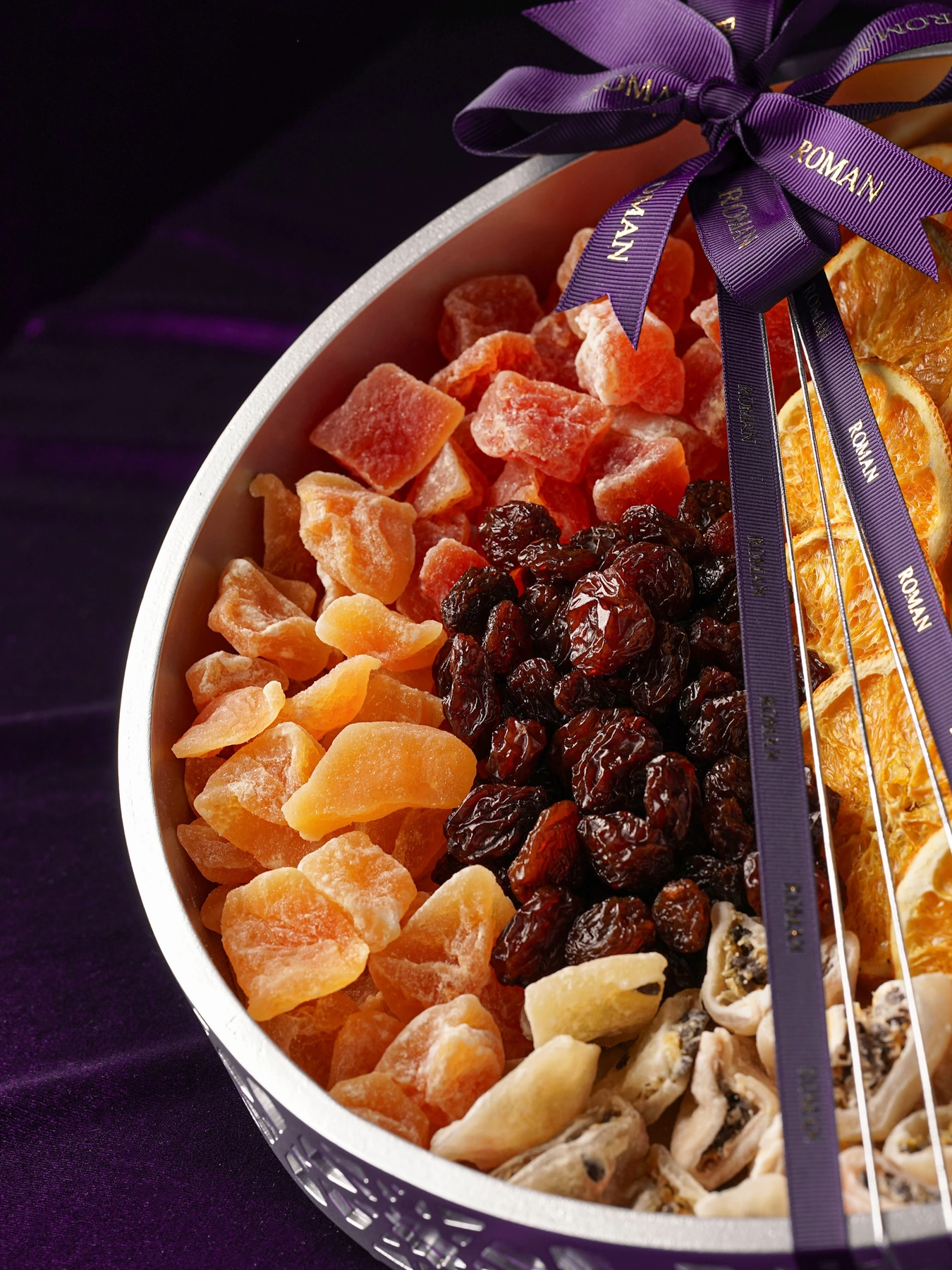
Raisins, apricots, dates, and dried mango bring sweetness without the bruising risk of softer fresh fruit.
Start with 2–4 tablespoons, or a small handful. Chop larger pieces before leaving so you don’t need two hands to pull apart a strip of mango.
Pack sticky fruit separately from crackers or popcorn. A small portion alongside nuts or seeds gives you more variety than a large bag of dried fruit on its own.
11. Freeze-Dried Fruit
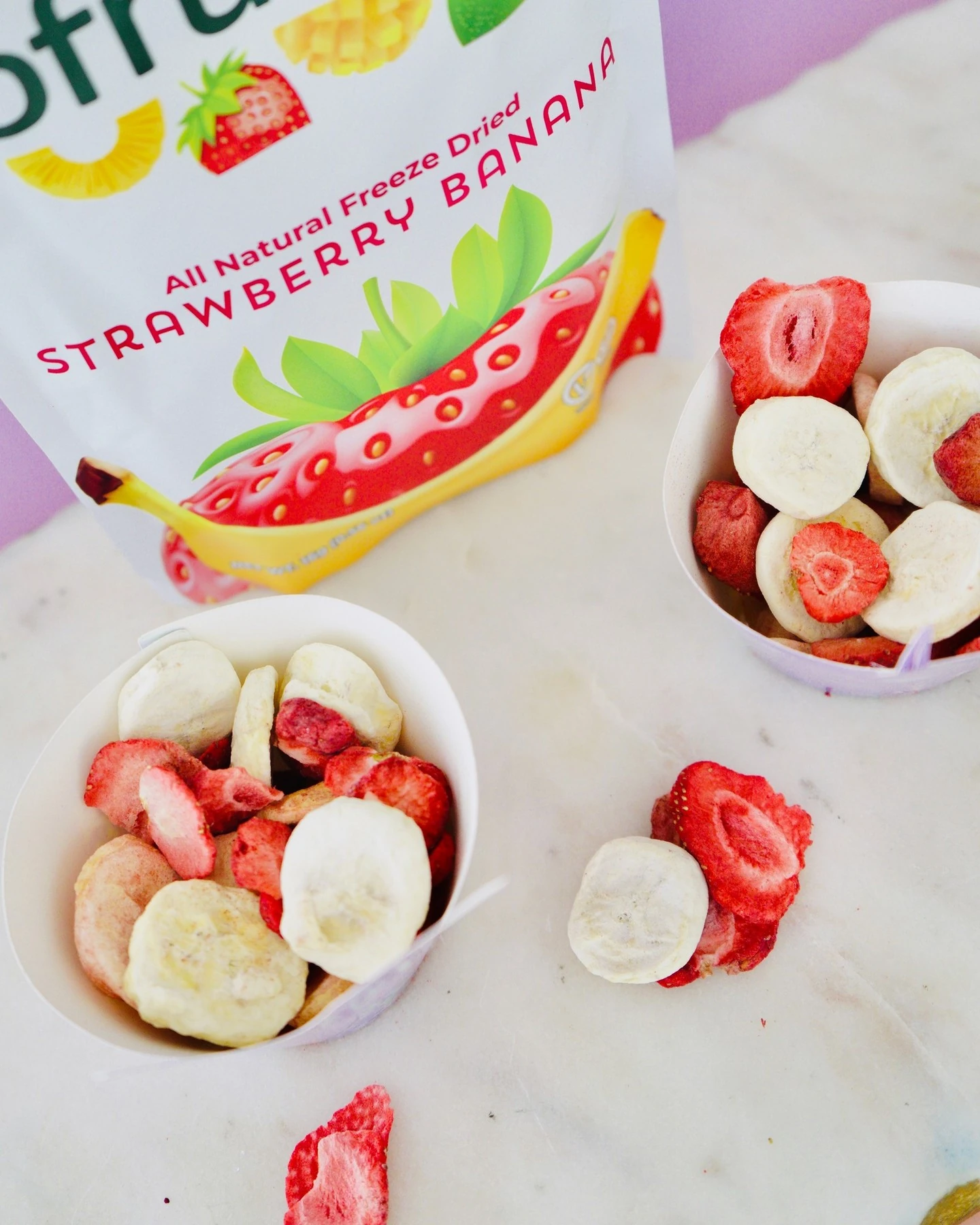
Freeze-dried strawberries, apples, and raspberries offer a crisp texture instead of the chewiness of ordinary dried fruit.
Bring one small labeled serving in its original resealable pouch or a rigid container. Close it promptly after opening to help preserve the crunch.
The main drawback is fragility. Keep it away from heavy bottles and books, and eat crumbly pieces over a napkin. It works best when you have a little space to open the packet carefully.
12. Whole Apples
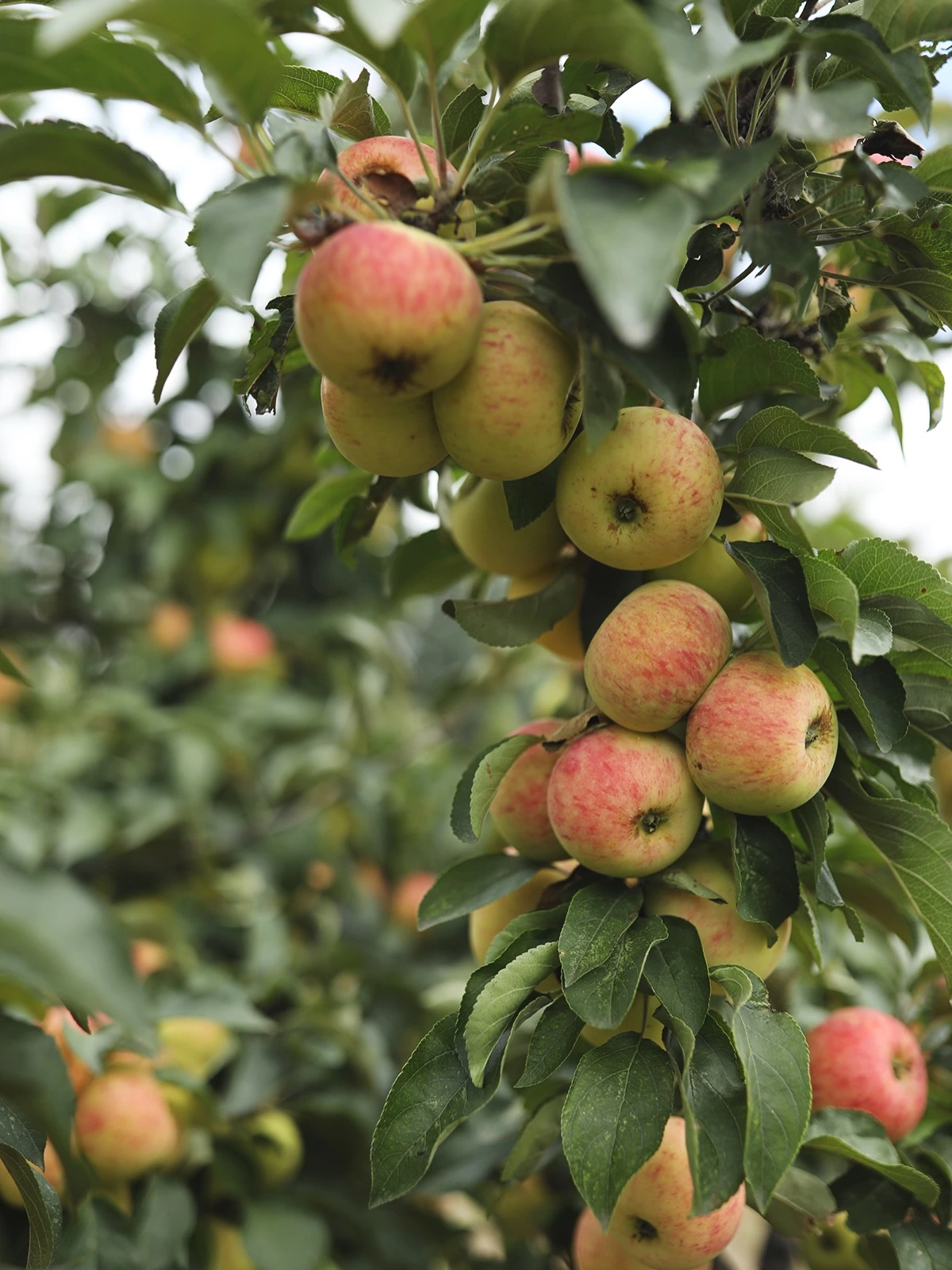
An apple needs very little preparation: wash it, dry it, and pack it where it won’t be crushed.
Bring one small or medium apple, with nuts or a bar if you want a larger snack. Keeping it whole avoids the browning and extra packaging involved in sliced fruit.
Have a waste bag ready for the core. If you’re crossing a border, check the destination’s agricultural rules before packing fresh produce.
13. Mandarins or Clementines
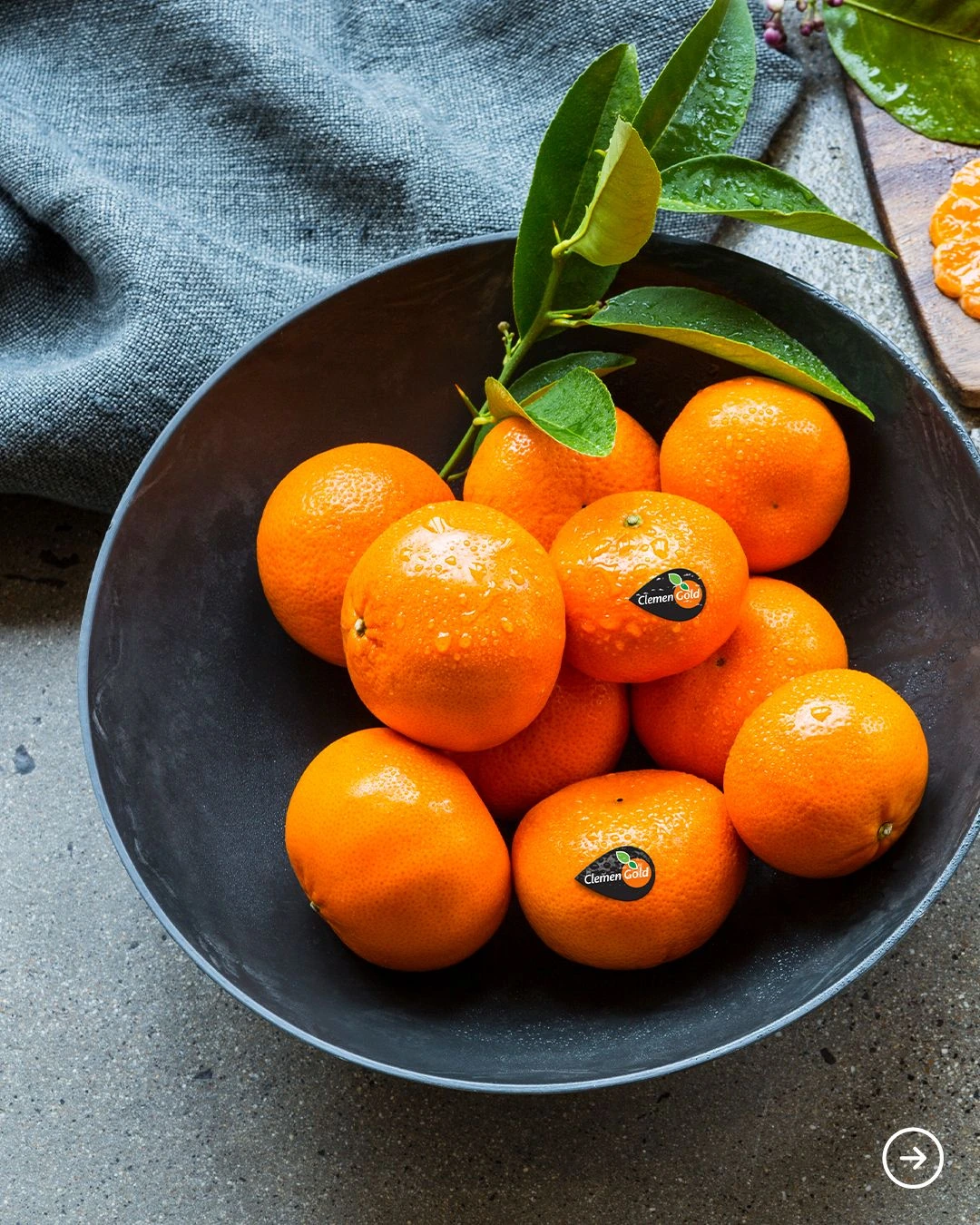
Easy-peel citrus makes a refreshing change after dry snacks.
Pack one or two firm fruits with intact skins in a small container or protected pocket. They’re particularly convenient during a rest stop or a wait at the gate, when you have room to manage the peel.
Open them over a napkin and collect the skins straight away. As with apples, their suitability for an international journey depends on the destination’s entry rules.
14. Firm Bananas
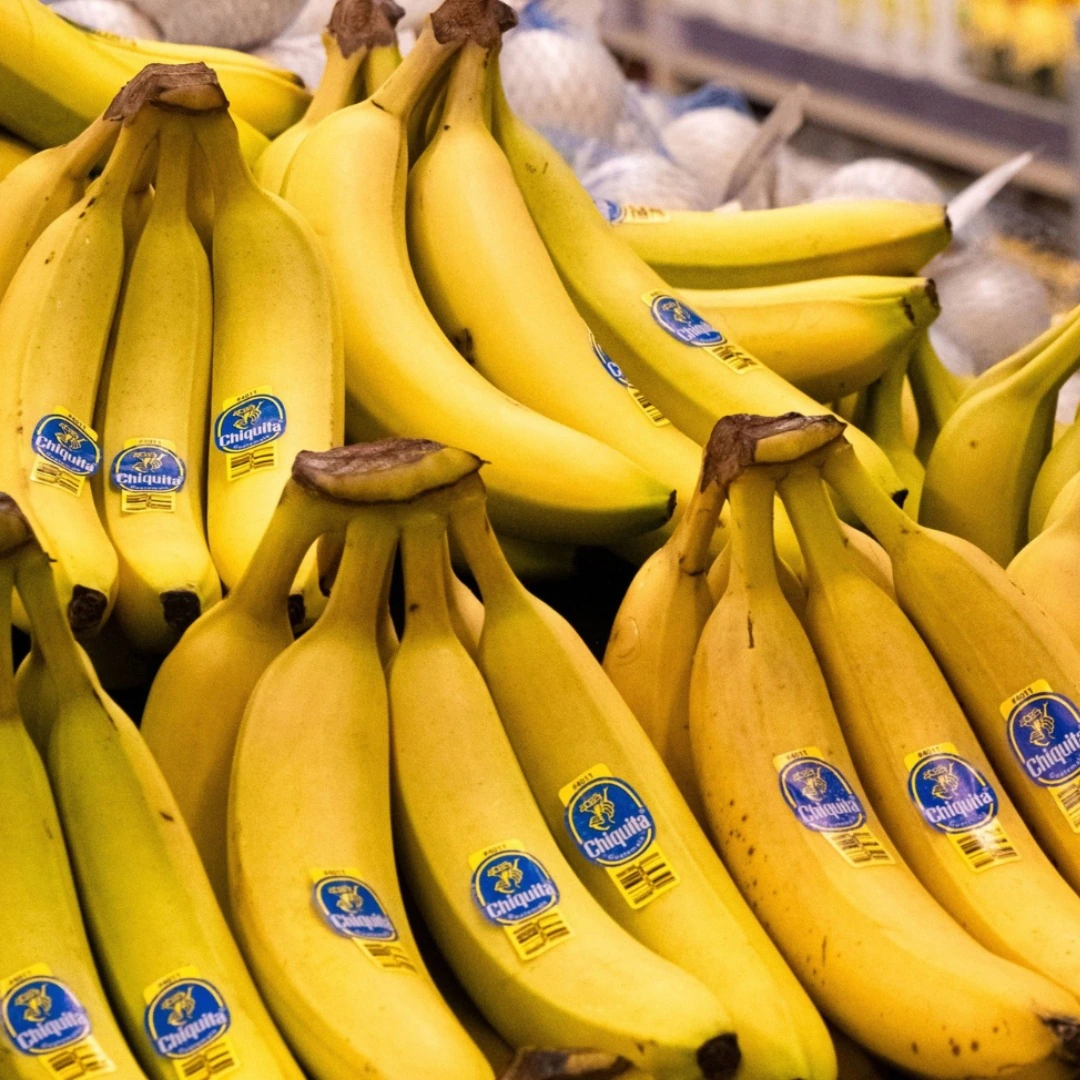
A banana is a straightforward choice for an early departure or a quick snack before boarding.
Choose one firm, just-ripe banana and protect it in a banana case or at the top of your lunch bag. Plan to eat it early in the journey.
Very ripe bananas bruise easily and are better eaten before leaving. If your bag will be crowded or knocked around, an apple is usually easier to transport.
15. Peanut Butter or Seed Butter Sandwiches
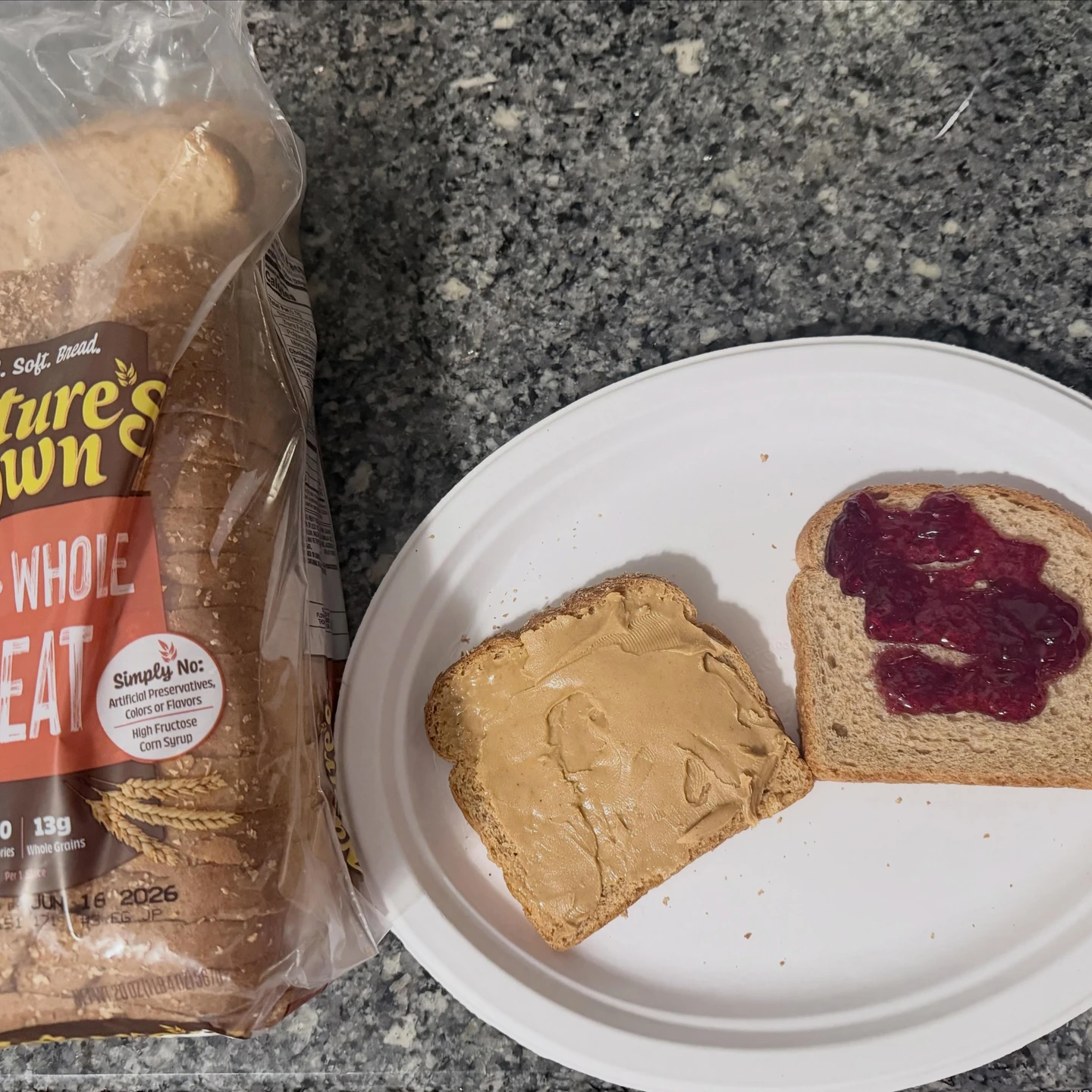
A simple sandwich is useful when a handful of snacks won’t cover a missed lunch.
Spread 1–2 tablespoons of peanut butter or a suitable seed butter over two slices of bread. Wrap closely and place in a sandwich box to prevent flattening.
Choose ingredients whose labels permit your planned storage conditions. Perishable additions can change the sandwich’s refrigeration needs. USDA includes peanut butter and jelly among foods that can travel without a cooler, while many other sandwich fillings need chilling. USDA travel food guidance.
16. Oatcakes or Plain Oat Cookies
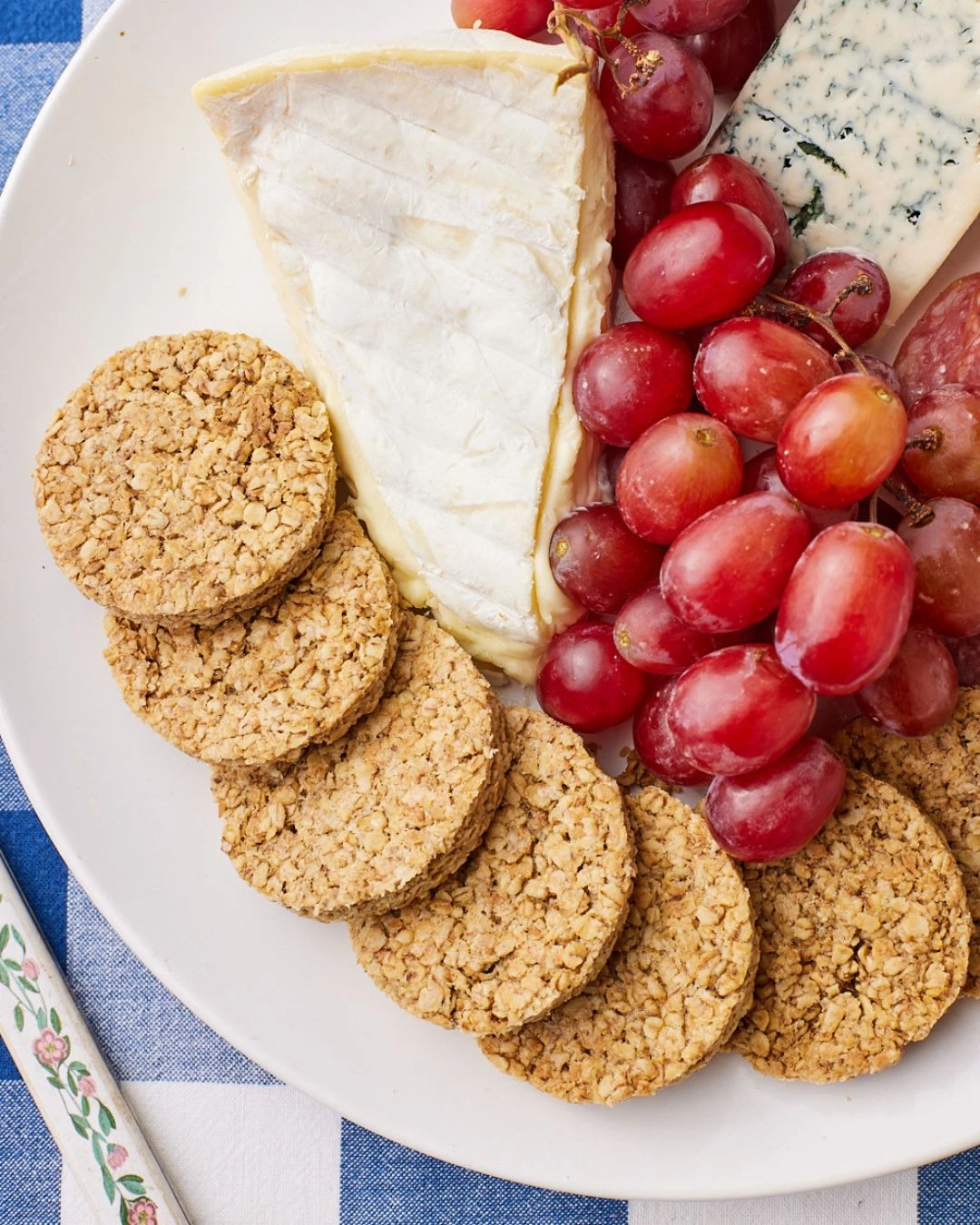
Oatcakes suit a savory snack bag, while plain oat cookies offer something sweet without a sticky coating.
Bring two or three, depending on size, in a rigid container. Pair oatcakes with fruit or nuts; save cookies for a small treat during a break.
Plain versions are easier to pack than those with icing or soft fillings. Let homemade cookies cool completely before sealing, and follow the recipe’s storage instructions.
17. A Few Squares of Chocolate
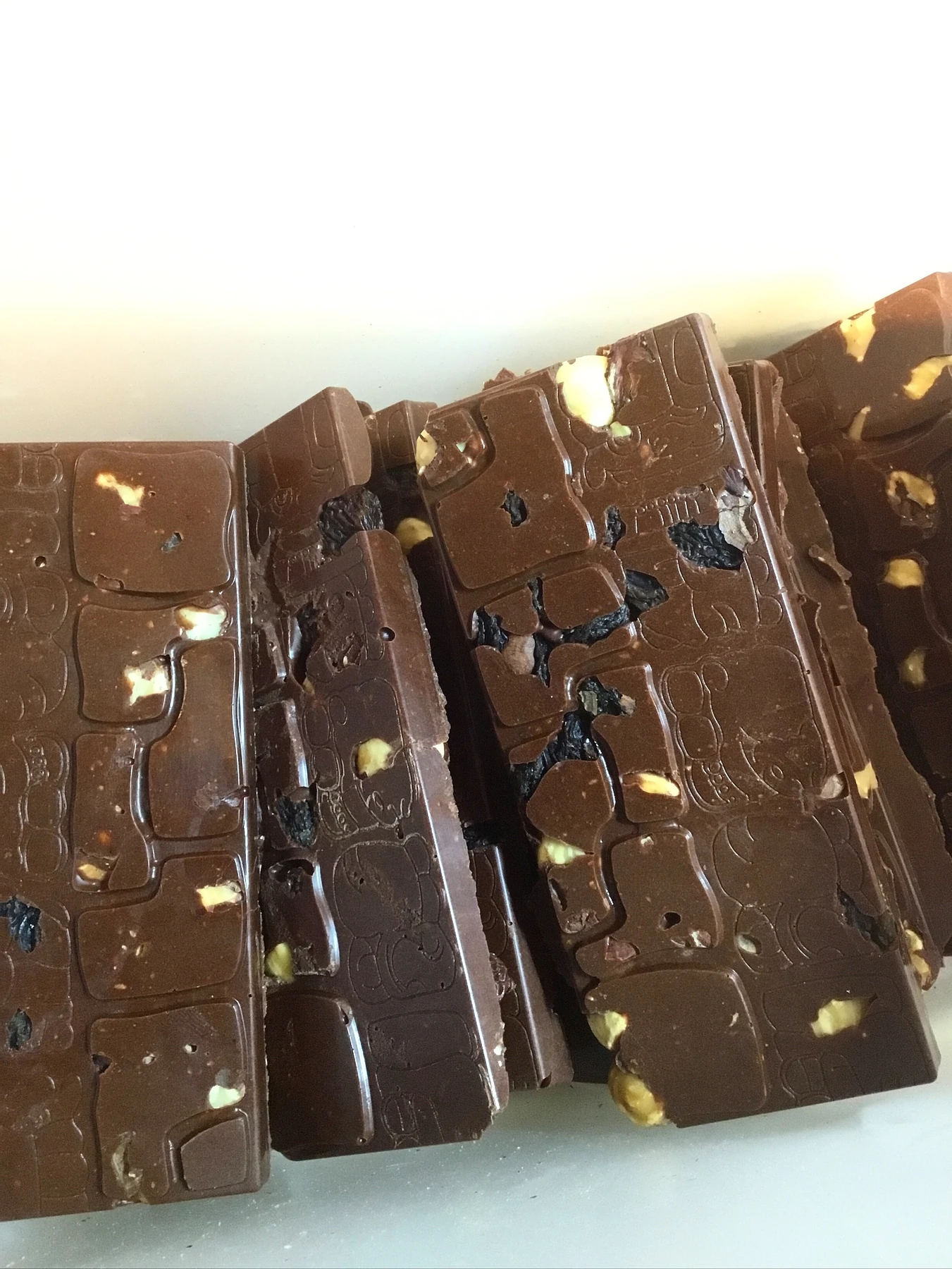
A little chocolate can be a welcome finish after a sandwich or savory snack.
Pack a small wrapped portion of whichever kind you enjoy. Keep it away from direct sunlight and warm electronics.
On a hot road trip, place it in a waterproof container in the cooler. If cooling isn’t available and you expect high temperatures, a plain cookie is easier to carry without melting.
Travel Snacks to Keep Chilled
For the following foods, pack a cooler or insulated bag with enough ice or frozen packs to maintain refrigeration.
Keep perishable food at 40°F/4°C or below. USDA advises discarding perishables left above that temperature for more than two hours, or one hour when the temperature exceeds 90°F/32°C. Count the total time across the journey, including stops. USDA food safety guidance.
18. Cheese and Crackers
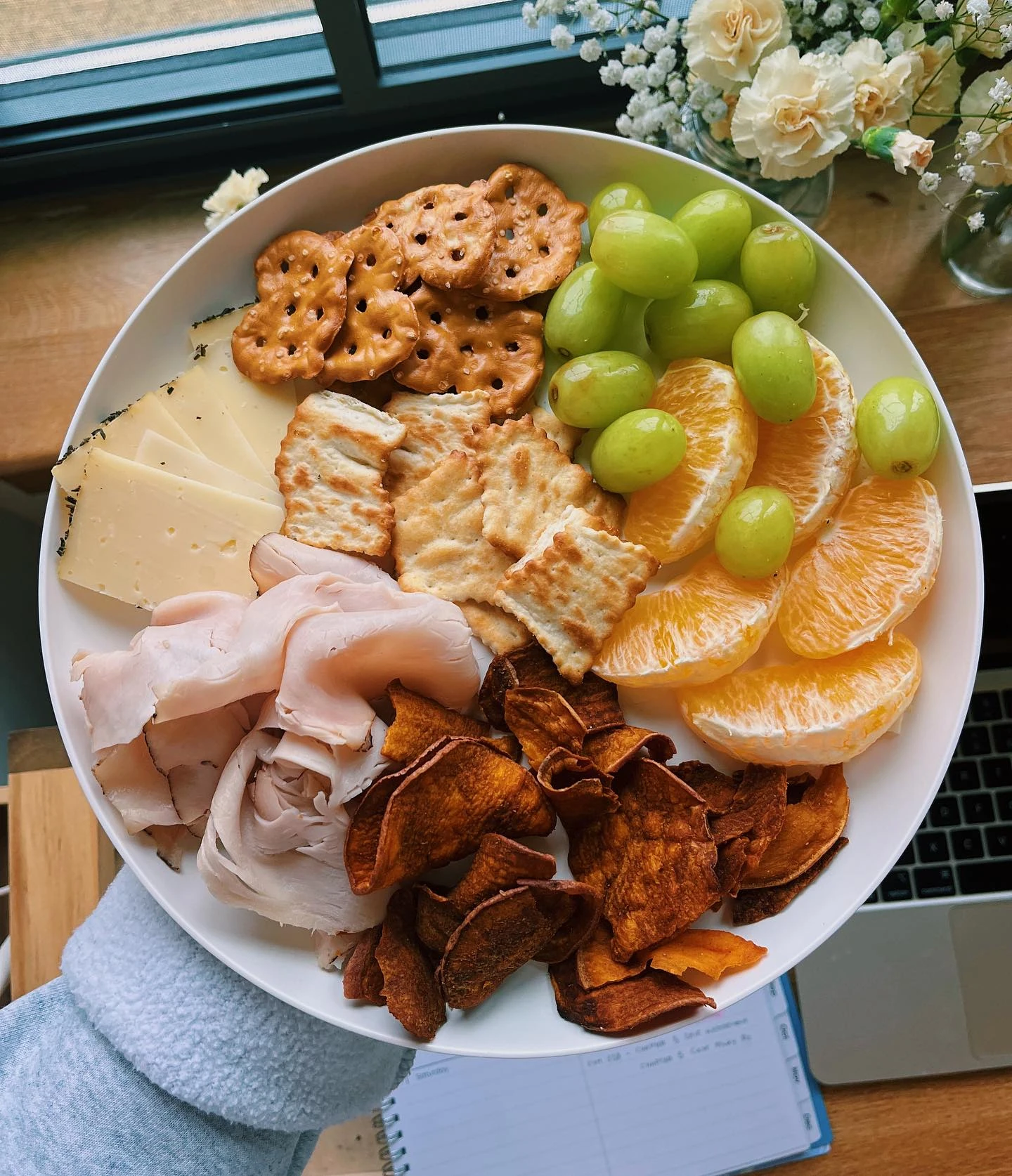
Cheese and crackers make a satisfying savory combination with very little preparation.
Pack about 1 ounce of cheese and a separate portion of crackers. Individually wrapped cheese is convenient, or cut a portion from a larger block and put it in a sealed container.
Follow the cheese’s storage instructions and keep products requiring refrigeration cold. Add an apple if you want something more substantial, and combine the cheese and crackers only when you’re ready to eat.
19. Vegetable Sticks with Hummus

Vegetables and hummus offer a different texture after several bread-based snacks.
Bring ½–1 cup of vegetables with 2–4 tablespoons of hummus. Carrot sticks, pepper strips, and cucumber are practical adult options.
Wash and dry the vegetables, then pack the hummus in its own leakproof pot. Keep prepared vegetables and refrigerated hummus chilled. For flights, check the rules for carrying a separate container of hummus through security.
20. Greek Yogurt with Separate Granola
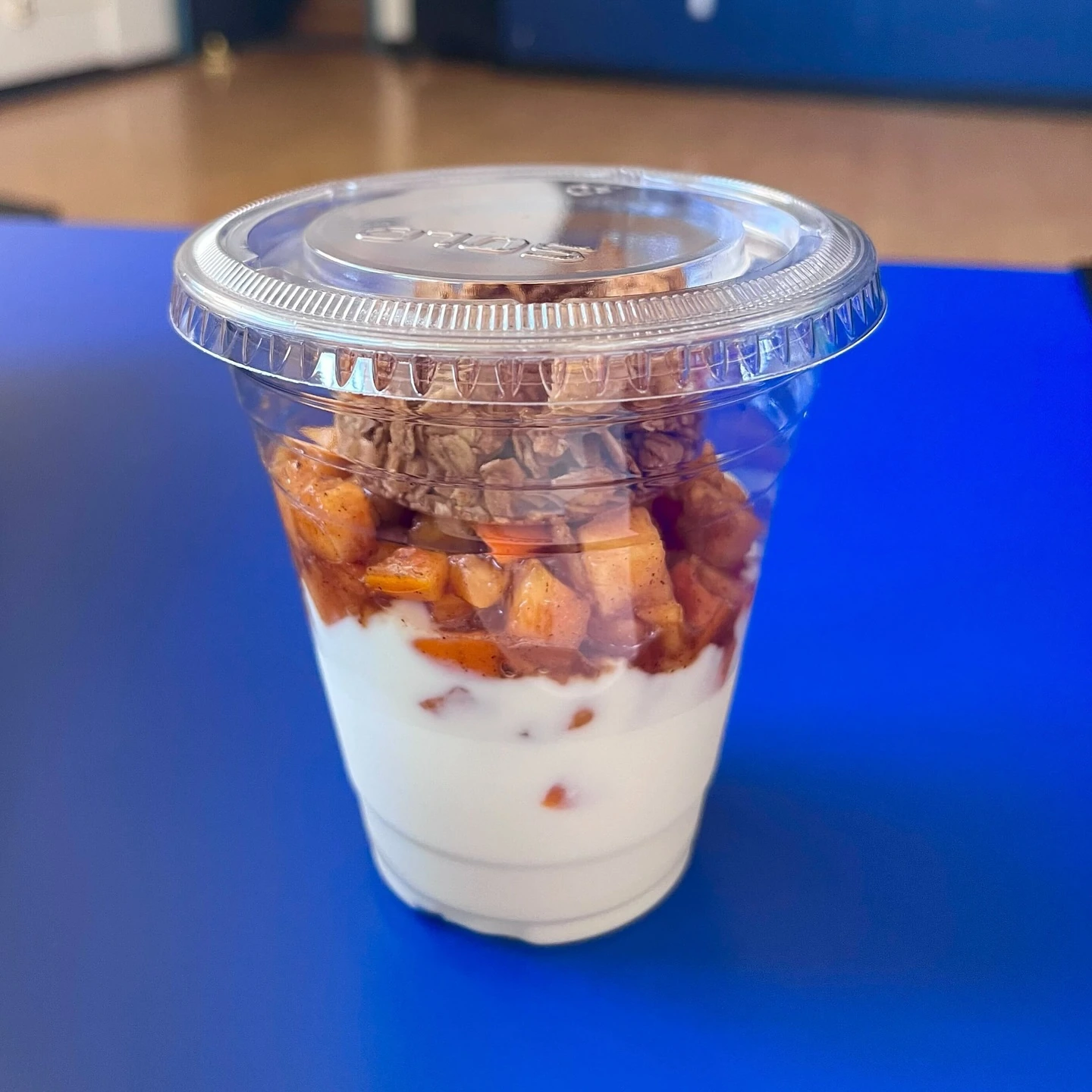
Yogurt is useful for a breakfast stop or an early road trip departure.
Pack one individual pot and a small separate portion of granola. Add the granola just before eating so it keeps its crunch.
Remember a spoon, and protect foil-topped pots from being punctured. Keep refrigerated throughout the journey. For flights, an ordinary yogurt pot may exceed the carry-on liquids limit, so buying it after security can be easier.
If peanuts and dairy suit your needs, our peanut butter honey granola recipe makes a homemade topping to prepare before the trip.
21. Hard-Boiled Eggs
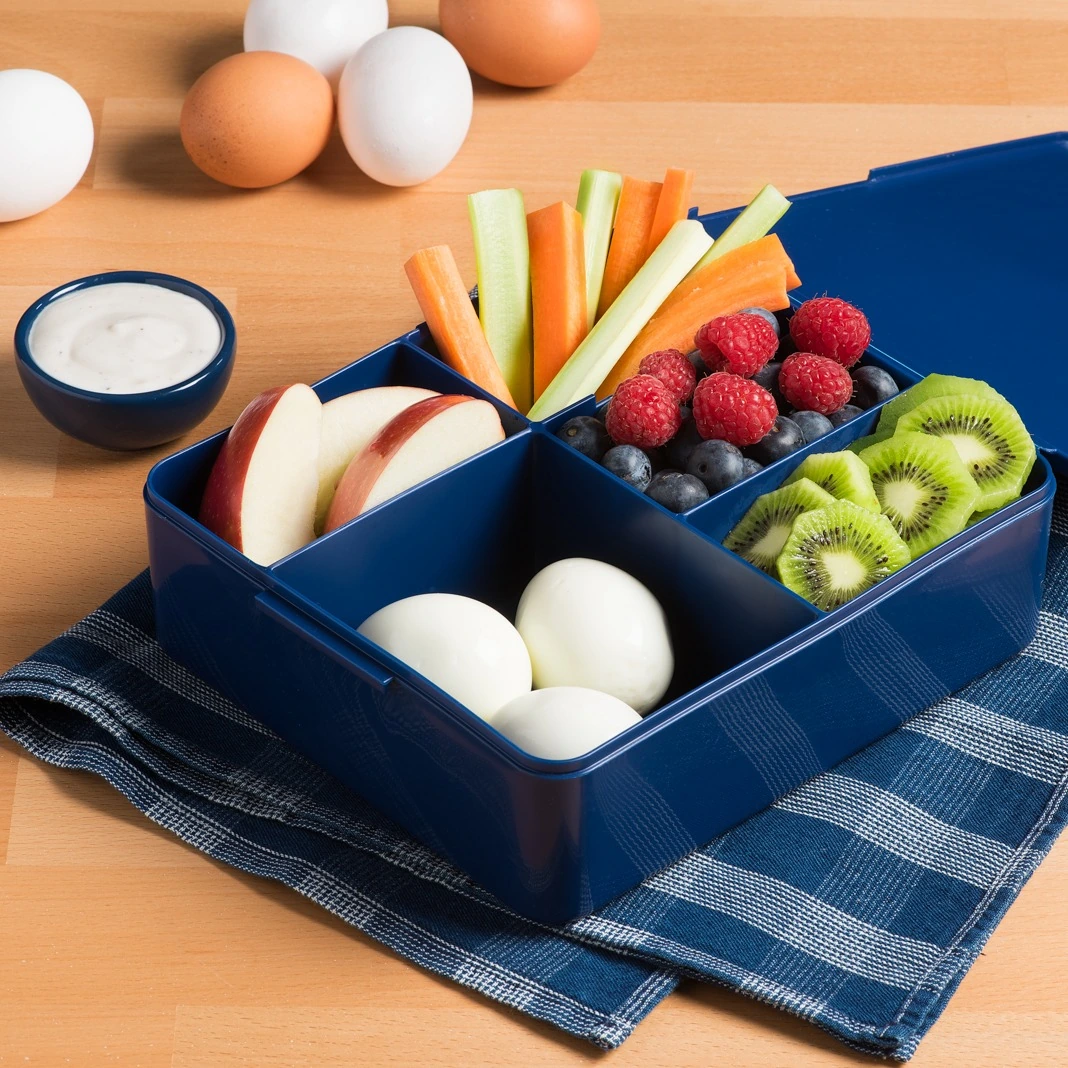
Hard-boiled eggs are a straightforward savory snack when you have reliable cooling.
Bring one or two, stored in a firm, sealed container. Peel them at home if you want to avoid handling shells during a stop, and pack a napkin.
Pair with crackers or fruit for variety. Keep them cold and eat during a break. They’re more convenient at a roadside picnic stop than in a crowded aircraft cabin, where space and smell deserve consideration.
Which Snacks Provide More Protein?
For a compact protein-containing snack, almonds are convenient without a cooler. Eggs, cheese, and Greek yogurt offer chilled alternatives. Dry-roasted edamame and protein bars are also worth considering, but their protein content varies by product.
These examples use defined portions so you can compare them:
| Food | Portion | Approximate protein |
|---|---|---|
| Almonds | 1 ounce/28 grams, roughly ¼ cup | 6 grams |
| Egg | 1 large | 6 grams |
| Cheddar | 1 ounce/28 grams; Cabot example | 7 grams |
Values are rounded; use the label for the product you pack. Sources: Almond Board of California, American Egg Board, and Cabot Creamery.
Travel Snacks for Different Dietary Needs
Use this guide to narrow the list, then check ingredients and packaging.
| Dietary need | Options from this article | What to check |
|---|---|---|
| Vegan | Fruit, nuts, seeds, roasted chickpeas, dry-roasted edamame, hummus, suitable sandwiches | Dairy coatings, honey, and other animal-derived ingredients |
| Gluten-free | Plain fruit, nuts, seeds, eggs, cheese, suitable roasted legumes | Seasonings, crackers, bars, oat products, and cross-contact; choose labeled gluten-free products where needed |
| Dairy-free | Fruit, plain nuts and seeds, suitable popcorn, pretzels, hummus, sandwiches | Milk in chocolate, bars, bread, coatings, and flavorings |
| Nut-free | Fruit, suitable crackers, popcorn, roasted chickpeas, cheese, yogurt, eggs | Nut ingredients and cross-contact; check any seed butter before using it as a substitute |
For an allergy, a snack’s name or main ingredient is not enough to establish suitability.
For an allergy-specific planning checklist, read our guide to traveling with food allergies.
A Practical Packing Plan for a Six-Hour Journey
For one adult traveling across lunchtime, this is a useful starting point:
- Light lunch: One sandwich made with two slices of bread and two tablespoons of peanut butter or a suitable alternative.
- Fresh food: One apple or two mandarins.
- Savory snack: One ounce of crackers or pretzels.
- Backup: One shelf-stable bar, left wrapped unless needed.
Adjust quantities to your appetite. If you’ll eat a full meal before departure and another on arrival, you may prefer to leave out the sandwich.
This plan needs no cooler when the chosen products permit room-temperature storage. For an international trip, check the fresh fruit and other ingredients against destination rules.
If you will be driving, compare this with the two-person packing list in our road trip snack guide.
Make the Same Plan on a Budget
Shop for bread, a suitable spread, apples, a larger packet of crackers, and a multipack of bars if those are foods you already eat.
For two adults, portion four slices of bread, four tablespoons of spread, two apples, two ounces of crackers, and two bars. Keep the remaining groceries for home or the return journey.
Compare unit prices rather than assuming the largest pack is cheapest. Use containers you already own, and skip extra snack varieties that you’re unlikely to finish.
Airport Food Rules to Check Before Packing
For U.S. departures, TSA generally permits solid food in carry-on bags. Officers may ask you to separate food for additional screening, so keep it accessible. TSA solid-food guidance.
Separate pots of hummus, yogurt, peanut butter, and applesauce are subject to liquid or gel restrictions. Under the standard rule, containers must be 3.4 ounces/100 milliliters or smaller and fit with your other liquids in one clear quart-sized bag per passenger. A small amount in an oversized container does not meet that limit. TSA food item guidance, TSA travel checklist.
Ordinary frozen gel packs should be completely solid at screening; partially melted packs must meet the liquids requirements. Separate provisions apply to medically necessary supplies and baby or toddler food. TSA screening guidance.
For departures elsewhere, check the relevant airport’s rules, including any connecting airport where you’ll pass through security again.
International Travel Requires a Separate Food Check
Passing security does not establish permission to bring food into another country.
Check destination restrictions on fresh produce, meat, dairy, and other agricultural products. Original packaging helps identify ingredients and origin but does not guarantee entry.
Travelers entering the United States must declare agricultural products. Restrictions also apply to some journeys from Hawaii, Puerto Rico, and the U.S. Virgin Islands to the mainland. USDA APHIS traveler guidance.
Pack Everything So It’s Easy to Eat
Use rigid containers for fragile snacks and soft pouches for foods that tolerate being moved around. Keep wet and dry ingredients separate until serving.
Pack refrigerated food already cold, add adequate cooling, and use a cooler thermometer to check the temperature. Keep the cooler shaded and limit unnecessary opening.
Put your next snack within easy reach, with napkins, any required spoon, and a small waste bag. For road trips, eat during breaks so the driver can concentrate on driving.
For a longer trip, accommodation with a kitchenette can give you space to prepare the next day’s snacks. Compare options for your destination and confirm the equipment in your chosen room.
Frequently Asked Questions
What Are the Best Travel Snacks for Hot Weather?
Plain crackers, pretzels, seeds, commercially packaged roasted chickpeas, and whole apples are easier to manage than chocolate-coated or sticky snacks. Follow storage instructions and keep food out of direct sun.
Perishable foods still require refrigeration, even if you plan to eat them early.
What Should You Pack for Young Children?
Choose familiar foods prepared in textures, shapes, and sizes appropriate to the child’s development.
This adult snack list includes foods that can be choking hazards for young children, including nuts, seeds, popcorn, hard raw fruit or vegetables, and chewy dried fruit. CDC advises keeping children seated upright, supervising eating, and avoiding eating in a car or stroller. Plan suitable snack breaks during road trips. CDC choking-prevention guidance.
Can You Prepare Travel Snacks the Night Before?
Yes. Portion dry snacks and assemble the containers ahead of time. Keep prepared chilled food refrigerated overnight, then transfer it directly into the prepared cooler before departure.
Keep granola away from yogurt and crackers away from moist ingredients until you eat. Leave delicate fruit somewhere it won’t be crushed during the final packing rush.
A few foods you enjoy, packed in useful portions, are enough to make the journey easier. Choose something substantial if you’ll miss a meal, add variety, and keep one spare snack for the delay you couldn’t plan around.
3 thoughts on “21 Travel Snacks to Pack Before Your Next Flight or Road Trip”