This article contains affiliate links. We may earn a commission if you book through them, at no extra cost to you.
The tent is finally standing. Someone has found the mugs. You’re ready to sit down—and then there’s dinner.
A good camping menu makes that moment easier. It gives you something filling to eat without unpacking half the car, juggling three pans, or washing dishes long after everyone else has settled around the table.
These easy camping meals use familiar ingredients and straightforward methods. There are warm breakfasts for cold mornings, lunches that leave the stove packed away, and dinners you can cook in one pot or pan.
The trick is choosing meals that suit your trip. A foil packet dinner might be enjoyable beside an established cooking fire, but a pan of beans and rice is more practical when you arrive late. Pancakes are lovely on a slow morning; oatmeal gets everyone fed sooner.
Below, you’ll find 21 meal ideas, preparation shortcuts, and a complete weekend plan for two that reuses ingredients without serving the same meal repeatedly.
Choose Your Camping Meals at a Glance
All recipes below make approximately two adult servings. Increase portions for larger appetites, particularly after an active day.
Times include basic preparation and cooking at camp, assuming the suggested preparation at home is complete. They exclude lighting a fire, setting up equipment, and washing dishes.
| # | Meal | Approximate time at camp | Equipment | Cooler needed? | Useful preparation at home |
|---|---|---|---|---|---|
| 1 | Apple and peanut butter oatmeal | 10–15 minutes | Saucepan | If using refrigerated milk | Measure oats and cinnamon |
| 2 | Egg and bean breakfast burritos | 15–25 minutes, thawed | Covered frying pan | Yes | Cook and assemble |
| 3 | Potato and egg skillet | 20–25 minutes | Covered frying pan | Yes | Cook and dice potatoes |
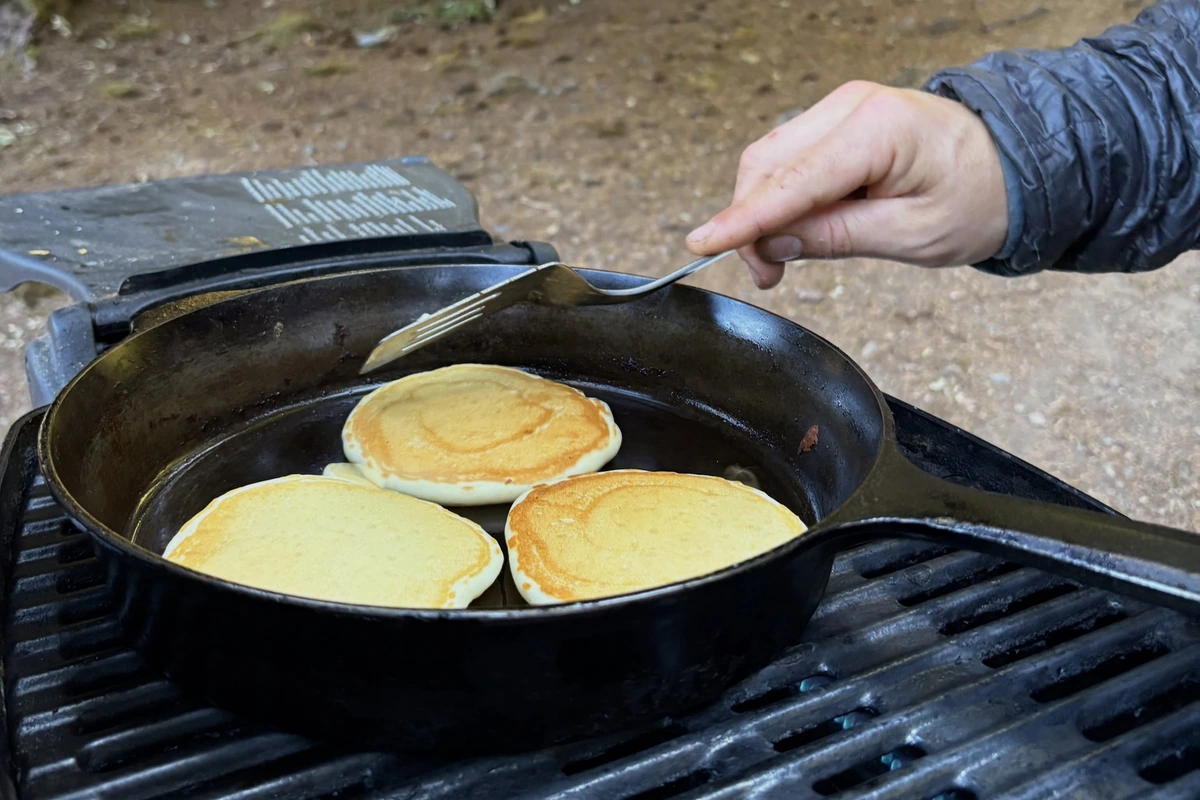
| 4 | Banana pancakes | 20–30 minutes | Bowl and frying pan | Depends on mix | Portion just-add-water mix |
| 5 | Yogurt and granola bowls | 5 minutes | Bowls | Yes | Portion granola separately |
| 6 | Tomato and white bean toast | 15 minutes | Frying pan | No, with listed ingredients unopened | Measure seasoning |
| 7 | Crunchy chickpea wraps | 10 minutes | Bowl and fork | For prepared vegetables and opened ingredients | Shred cabbage |
| 8 | Tuna and white bean salad | 10 minutes | Bowl | No, with listed ingredients unopened | Portion oil |
| 9 | Hummus and vegetable pitas | 10 minutes | Knife and board | Yes | Prepare vegetables |
| 10 | Bean and cheese quesadillas | 15–20 minutes | Frying pan | Yes | Grate cheese |
| 11 | Chickpea and apricot couscous | 15 minutes | Saucepan with lid | No, with shelf-stable ingredients | Chop apricots |
| 12 | Peanut butter and banana wraps | 5 minutes | Spreading knife | No, if labels permit | None |
| 13 | Black bean and corn rice bowls | 15 minutes | Saucepan | No, with shelf-stable ingredients unopened | Portion paprika |
| 14 | Chicken and pepper fajitas | 20–25 minutes | Frying pan | Yes | Cook chicken; slice vegetables |
| 15 | Sausage and potato foil packets | 25–35 minutes | Foil, tongs, cooking grate | Yes | Cook potatoes; slice vegetables |
| 16 | Tomato and spinach tortellini | 15–20 minutes | Saucepan | Yes | Measure sauce |
| 17 | Coconut chickpea curry | 20 minutes | Saucepan | No, with canned peas and shelf-stable ingredients | Portion curry paste |
| 18 | Loaded sweet potatoes | 20–30 minutes | Covered frying pan | Yes | Cook sweet potatoes |
| 19 | Barbecue chicken sandwiches | 15–20 minutes | Saucepan and bowl | Yes | Cook and shred chicken |
| 20 | Mushroom and bean gravy with mash | 20–25 minutes | Saucepan and heatproof bowl | For prepared mushrooms and perishable additions | Portion packet mixes |
| 21 | Tomato, lentil, and orzo soup | 25–30 minutes | Saucepan | No, with shelf-stable ingredients | Measure pasta and herbs |
“No cooler” applies to the specified ingredients before opening or preparation. Follow package storage instructions, prepare only what you can eat, and refrigerate perishable leftovers promptly.
Before You Pack: Make the Menu Fit Your Equipment
For most of these meals, you need a saucepan with a lid, a frying pan, a spatula, a spoon, a knife, a cutting board, and a can opener. A lid that fits the frying pan is particularly helpful for reheating burritos and melting cheese.
You don’t need to bring every piece of cookware for every trip. Choose meals first, then pack the equipment they require.
A few decisions make a noticeable difference:
- With one burner: Favor meals that cook together in one vessel. Preparing a separate sauce and side dish means one usually waits while the other cooks.
- With limited water: Choose wraps, sandwiches, and meals without pasta water to drain.
- With limited cooler space: Use canned beans, lentils, dry grains, and unopened shelf-stable pouches for some meals.
- For a late arrival: Pack the first dinner together and keep it accessible.
- For a group: Check pan capacity. Doubling ingredients in a small pan can mean slower cooking and uneven heating.
Check local fire and stove restrictions before leaving. Use cooking equipment outdoors according to its instructions, and keep a meal available that needs no heat.
If the campsite is still undecided, compare campground and RV-park listings before finalizing your menu. Check which accommodation type you are booking and what cooking facilities it provides.
Easy Camping Breakfasts
1. Apple, Cinnamon, and Peanut Butter Oatmeal
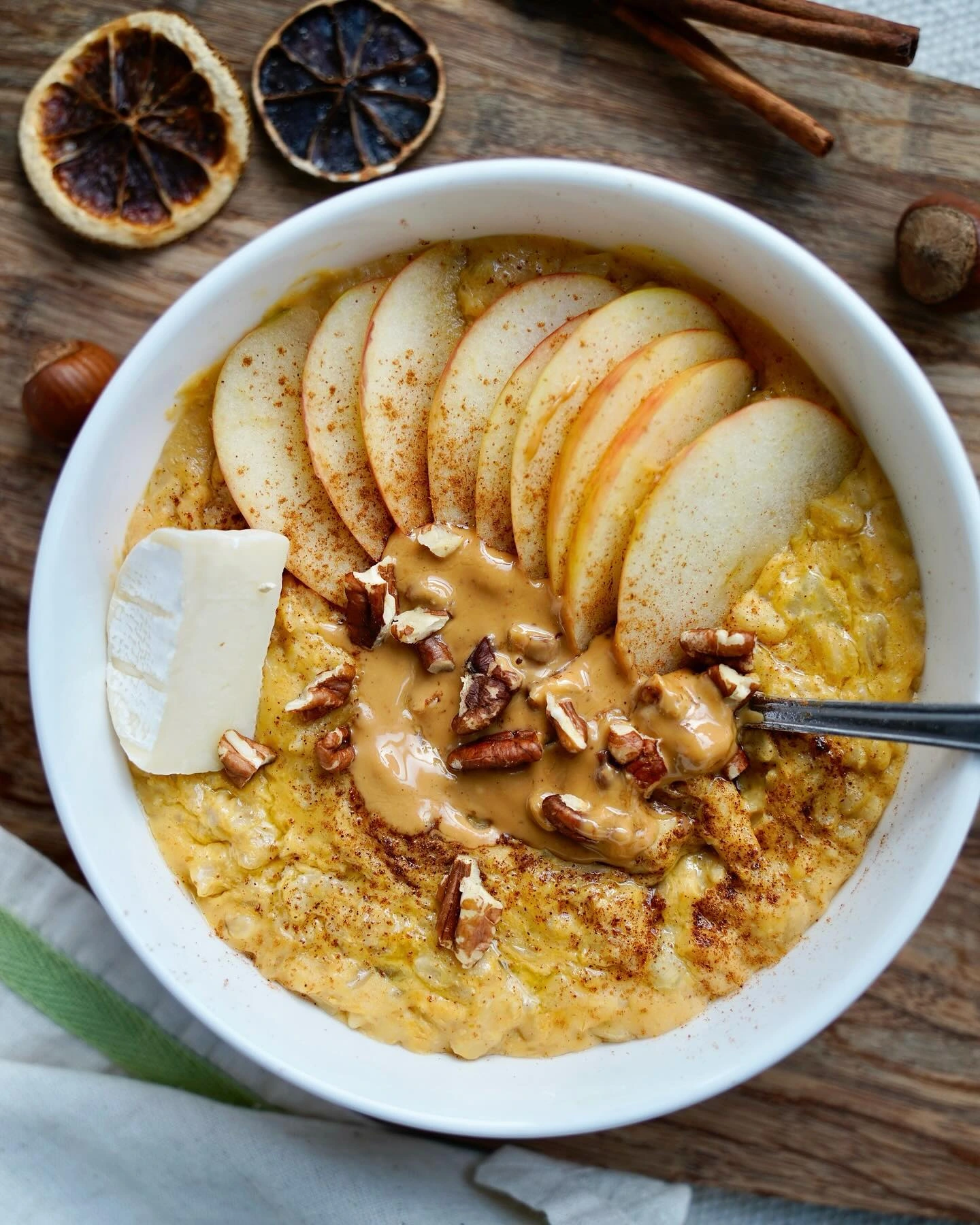
A warm breakfast doesn’t have to involve several rounds of frying. Oatmeal feeds both people from one pan, and peanut butter gives it a richer finish.
You’ll need:
- 1 cup rolled oats
- 2 cups water, or milk as directed on the oat package
- 1 medium apple, finely chopped
- 2 tablespoons peanut butter
- ½ teaspoon ground cinnamon
- Optional: raisins or honey
How to make it:
- Bring the water or milk to a gentle simmer.
- Stir in the oats, chopped apple, and cinnamon. Cook according to the oat package, stirring regularly.
- Add more liquid if needed, divide between bowls, and stir a tablespoon of peanut butter into each.
Do ahead: Measure the oats and cinnamon into one container.
What makes it easier: There’s no separate topping to cook. Cut the apple small if you want it to soften while the oats cook, or leave it chunkier for crunch.
For another breakfast you can portion at home, try our portable porridge mix with milk powder and sultanas.
2. Make-Ahead Egg and Bean Breakfast Burritos
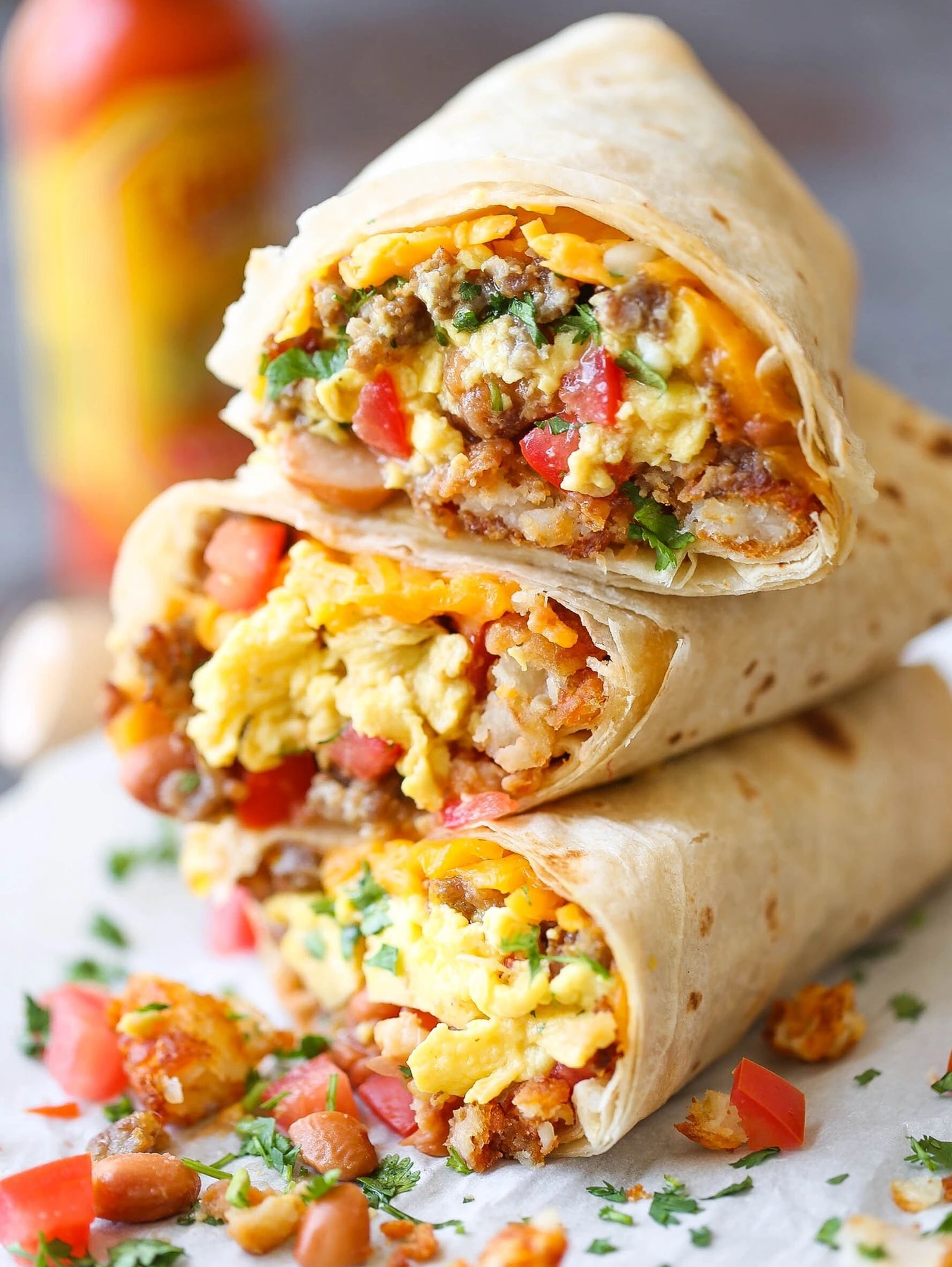
Burritos save preparation at camp, although thick, chilled fillings take time to reheat. Make two moderately filled burritos rather than two enormous ones.
You’ll need:
- 2 large flour tortillas
- 3 eggs
- ½ cup drained black beans
- ½ cup grated cheddar
- 1 teaspoon oil, plus a little for reheating
- Salsa, served separately
How to prepare them at home:
- Scramble the eggs in the oil until fully set.
- Transfer the filling to a shallow container and refrigerate promptly.
- Once chilled, divide the eggs, beans, and cheese between the tortillas. Fold securely and refrigerate or freeze.
At camp: Thaw frozen burritos under refrigeration. Place thawed burritos seam-side down in a lightly oiled pan, cover, and heat gently, turning regularly. Check that the center reaches 165°F/74°C.
What makes it easier: Keeping salsa outside the burrito reduces sogginess. Remove any transport wrapping before pan reheating.
3. Crispy Potato and Egg Skillet
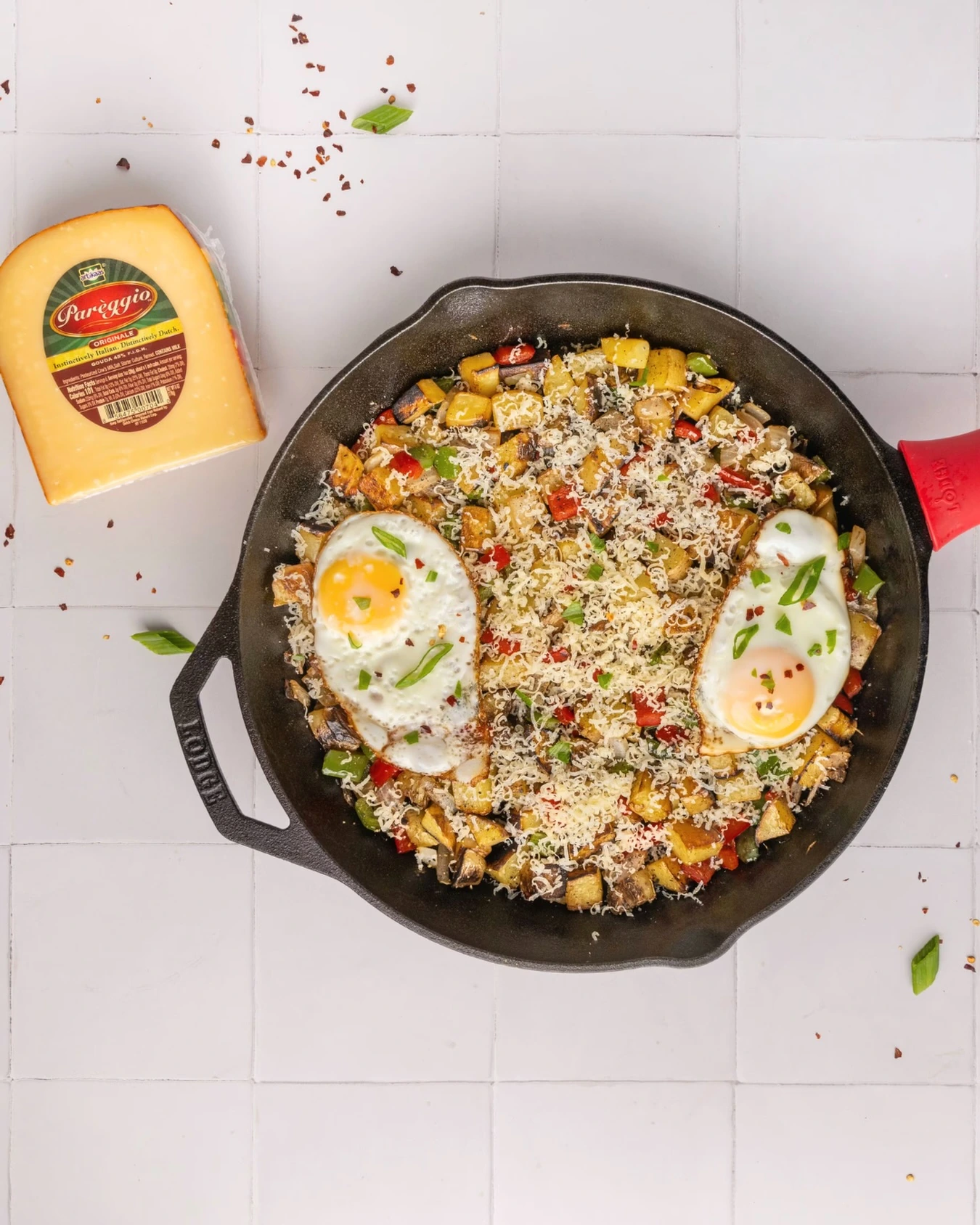
Cooked potatoes are the shortcut here. Starting with raw potatoes turns a fairly quick breakfast into a longer wait.
You’ll need:
- 2 cups cooked, chilled, diced potatoes
- ½ small onion, chopped
- 4 eggs
- 1 tablespoon oil
- ¼ cup grated cheddar
- Salt, pepper, and optional smoked paprika
How to make it:
- Heat the oil and soften the onion.
- Add the potatoes in a fairly even layer. Let them brown before turning.
- Push them aside to make four spaces. Crack in the eggs, cover, and cook gently until the whites and yolks are firm.
- Sprinkle with cheese before serving.
Do ahead: Cook and chill the potatoes, then portion them with the prepared onion kept separately.
What makes it easier: A wide pan gives the potatoes room to brown. A crowded saucepan will produce a softer result.
4. Banana Pancakes with a Packet-Mix Shortcut
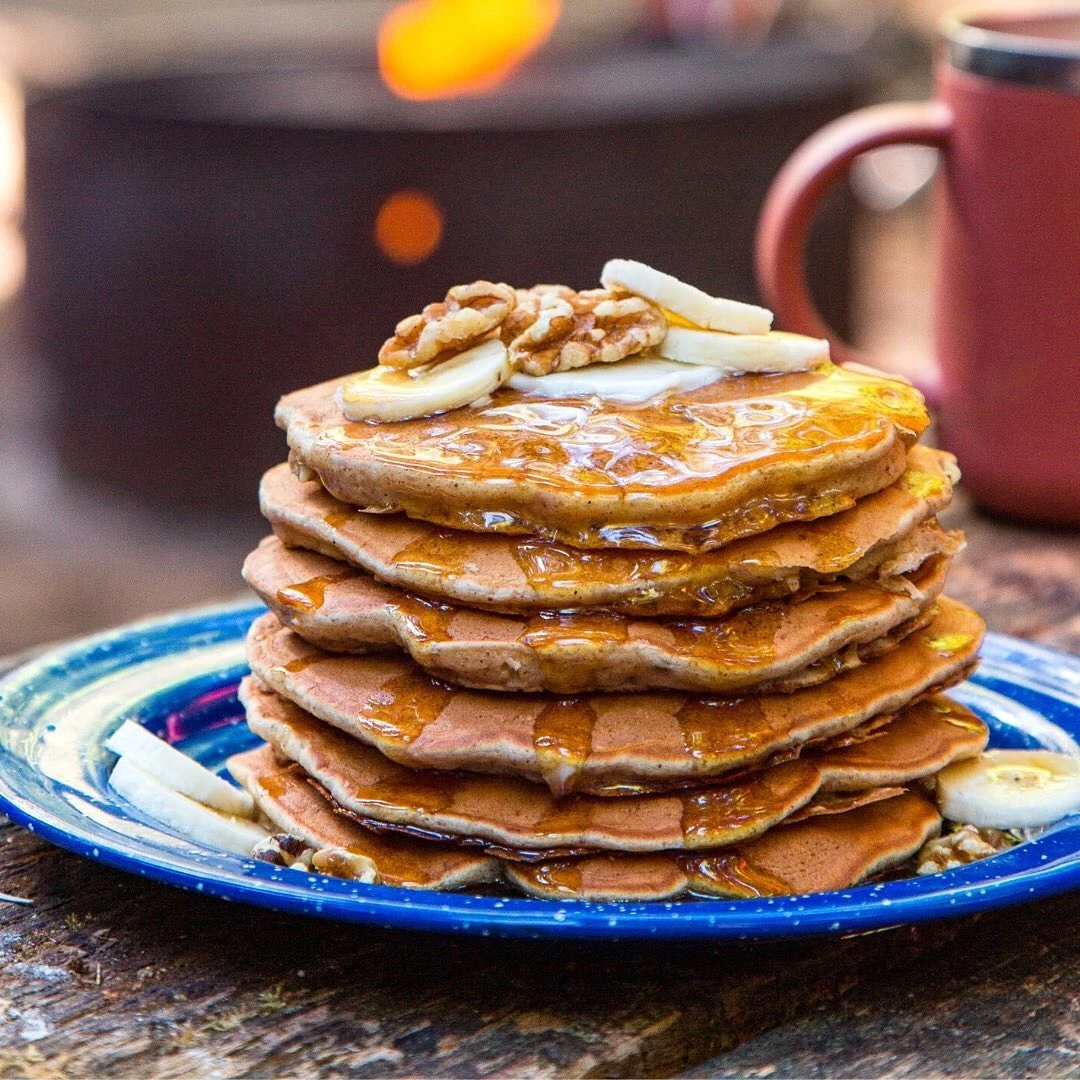
Pancakes suit a morning when nobody needs to rush. The mixing takes little effort; cooking several batches is what uses the time.
You’ll need:
- Complete, just-add-water pancake mix for two servings
- Water as directed on the package
- 1 large banana, sliced
- A little cooking oil
- 2 tablespoons peanut butter or syrup
How to make it:
- Mix the batter according to the package.
- Lightly oil a frying pan and heat over medium-low heat.
- Cook small pancakes, turning when bubbles form and the edges begin to set. Cook through on the second side.
- Serve with banana and peanut butter or syrup.
Do ahead: Measure the dry mix and note the water quantity on its container.
What makes it easier: Use banana as a topping rather than adding it to the batter. Small pancakes are easier to turn and check for doneness.
5. Yogurt, Fruit, and Crunchy Granola Bowls
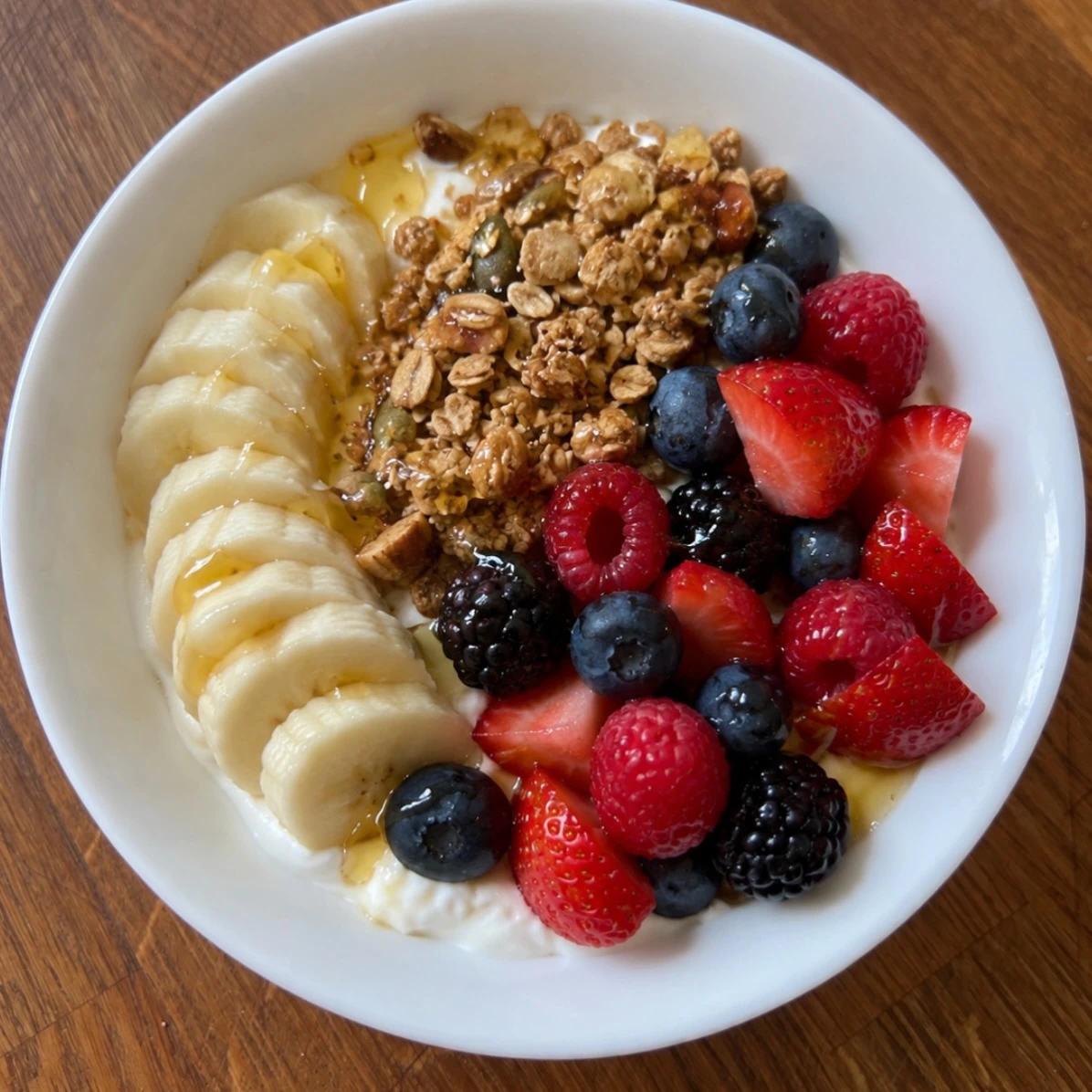
This is breakfast for the morning you want to eat before unpacking the stove.
You’ll need:
- 2 cups plain or Greek yogurt
- 1 cup granola
- 2 bananas, or 2 cups prepared fruit
- Optional: nuts or seeds
How to make it:
- Divide the yogurt and fruit between two bowls.
- Add the granola immediately before eating.
- Sprinkle with nuts or seeds if using.
Do ahead: Portion the granola into a dry container.
What makes it easier: Keep everything separate until serving. Combining it the night before softens the granola.
Our peanut butter honey granola is a make-ahead option when peanuts and dairy suit everyone eating it.
6. Tomato and White Bean Breakfast Toast
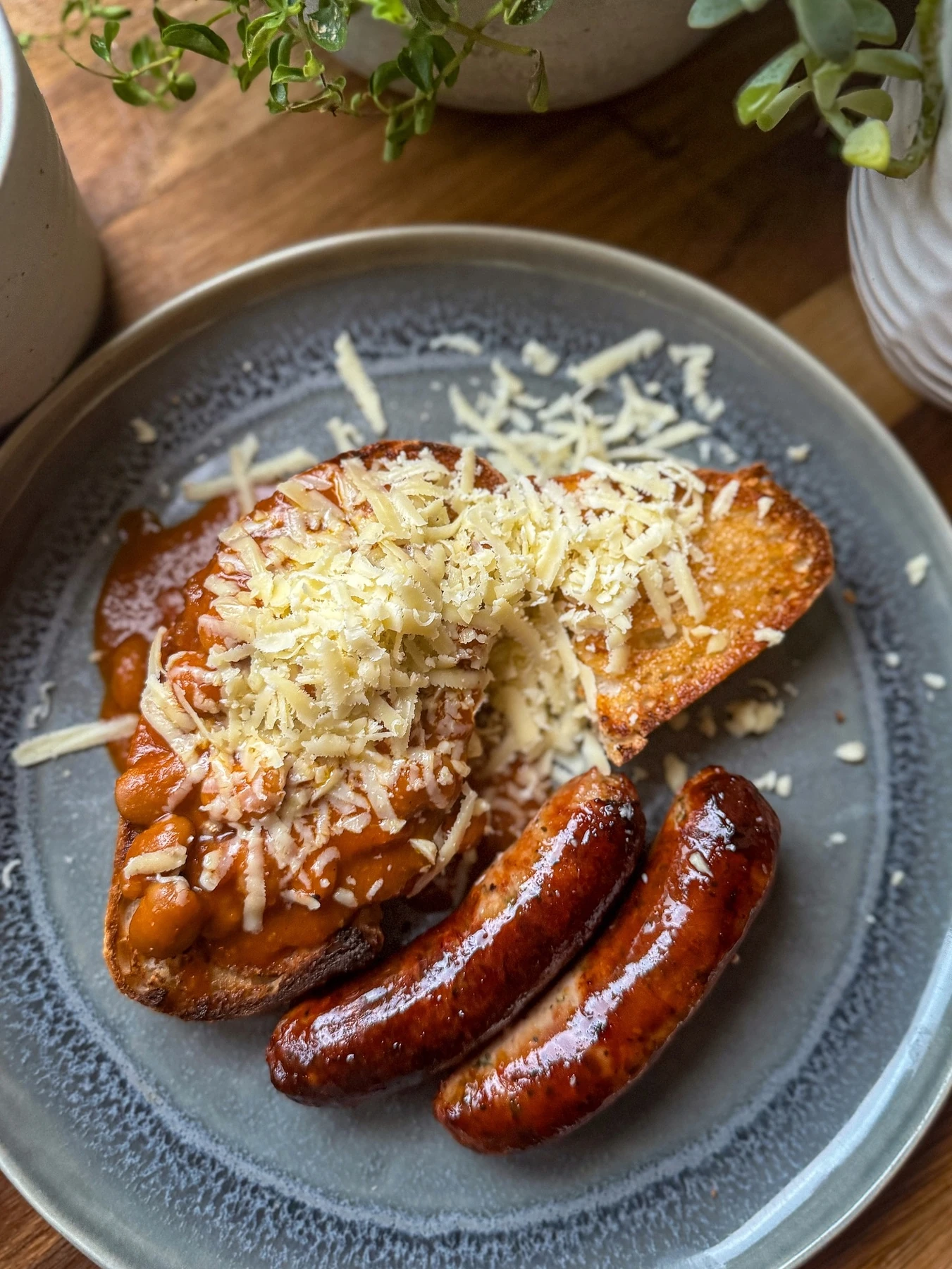
Beans on toast make a satisfying savory breakfast without needing eggs or cheese.
You’ll need:
- 1 can white beans, about 15 ounces/425 grams, drained
- 1 can chopped tomatoes, about 14 ounces/400 grams
- 1 tablespoon olive oil
- ¼ teaspoon garlic powder
- 4 slices sturdy bread
- Salt and pepper
How to make it:
- Toast the bread in a dry frying pan, then set aside.
- Add the oil, tomatoes, and garlic powder. Simmer until the tomatoes begin to thicken.
- Stir in the beans and heat thoroughly. Mash a few to thicken the sauce.
- Season and spoon over the toast.
What makes it easier: If the bread is fresh, skip toasting and let it soak up the sauce. That saves a cooking step and keeps everything warm together.
Quick Camping Lunches
7. Crunchy Chickpea Wraps
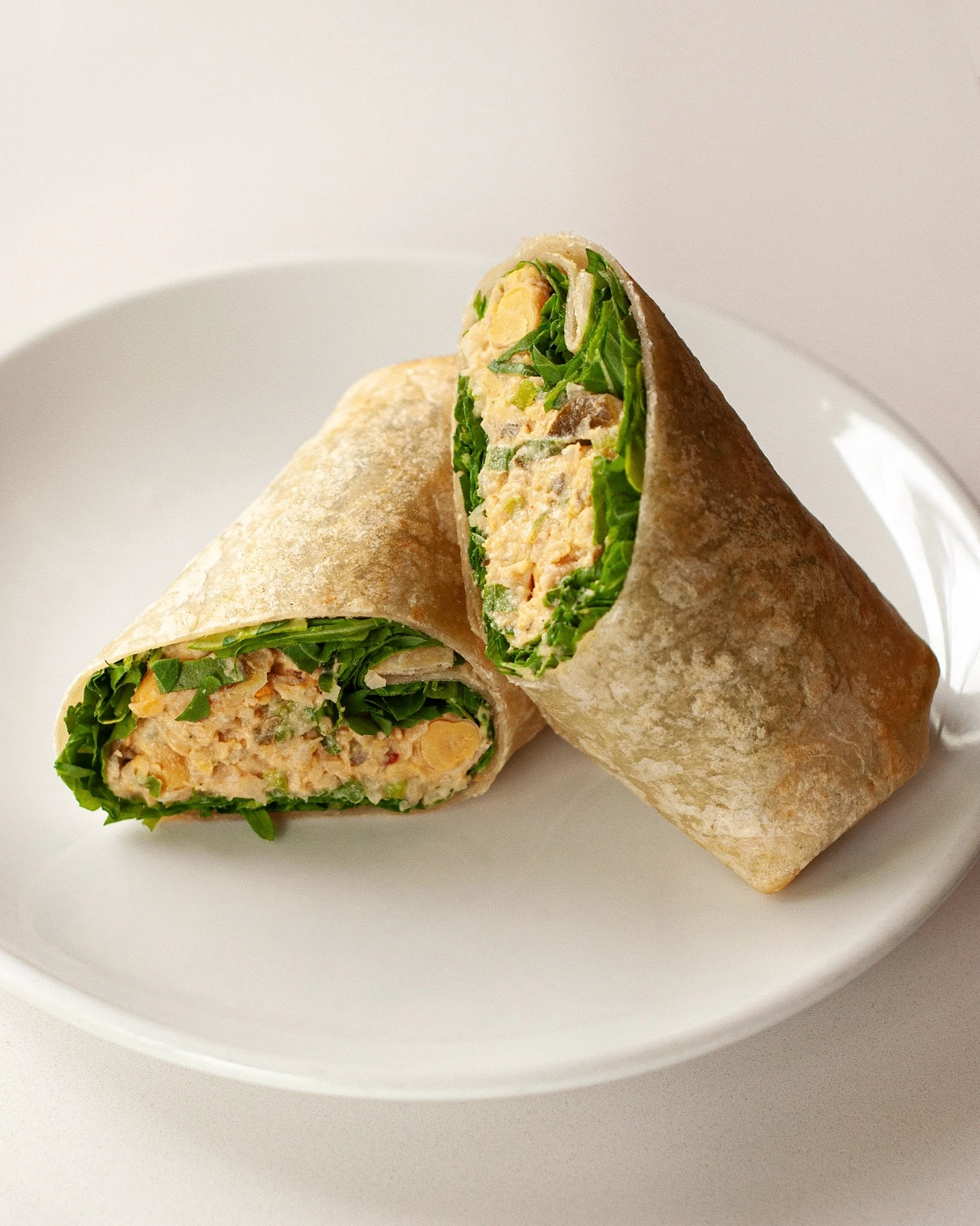
Roughly mashed chickpeas hold together well in a wrap. Cabbage adds crunch without needing delicate salad leaves.
You’ll need:
- 1 can chickpeas, about 15 ounces/425 grams, drained
- 2 tablespoons tahini
- 1 tablespoon lemon juice
- 1–2 tablespoons water
- ½ cup finely shredded cabbage
- 2 large tortillas
- Salt and pepper
How to make it:
- Mash the chickpeas with a fork, leaving some texture.
- Stir in the tahini, lemon juice, and enough water to make a spreadable filling.
- Fold in the cabbage, season, and divide between the tortillas.
- Fold in the ends and roll firmly.
Do ahead: Shred the cabbage and keep it chilled.
What makes it easier: Assemble close to lunchtime. Mayonnaise can replace tahini, with storage handled according to its label.
8. Tuna and White Bean Salad with Crackers
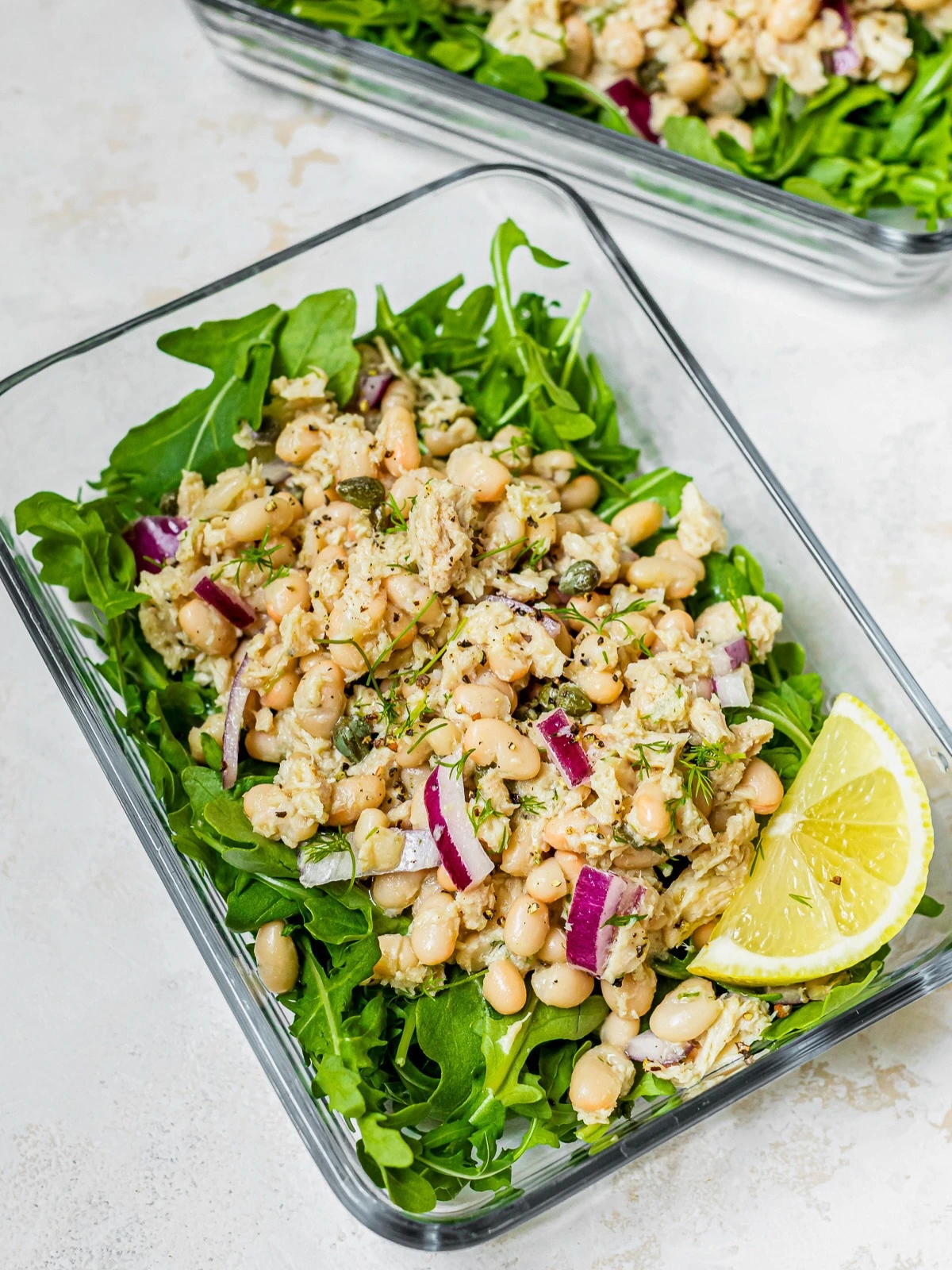
Beans stretch a can of tuna into lunch for two, with crackers doing the work of bread.
You’ll need:
- 1 can tuna, about 5 ounces/140 grams, drained
- 1 can white beans, about 15 ounces/425 grams, drained
- 1 tablespoon olive oil
- 1 tablespoon lemon juice
- Black pepper
- Crackers for two
How to make it:
- Flake the tuna into a bowl.
- Gently fold in the beans, olive oil, and lemon juice.
- Season with pepper and serve with crackers.
What makes it easier: Pull-tab cans or tuna pouches avoid needing a can opener. Optional cucumber adds freshness, but leaving it out keeps the core ingredients shelf-stable before opening.
9. Hummus and Vegetable Pita Pockets
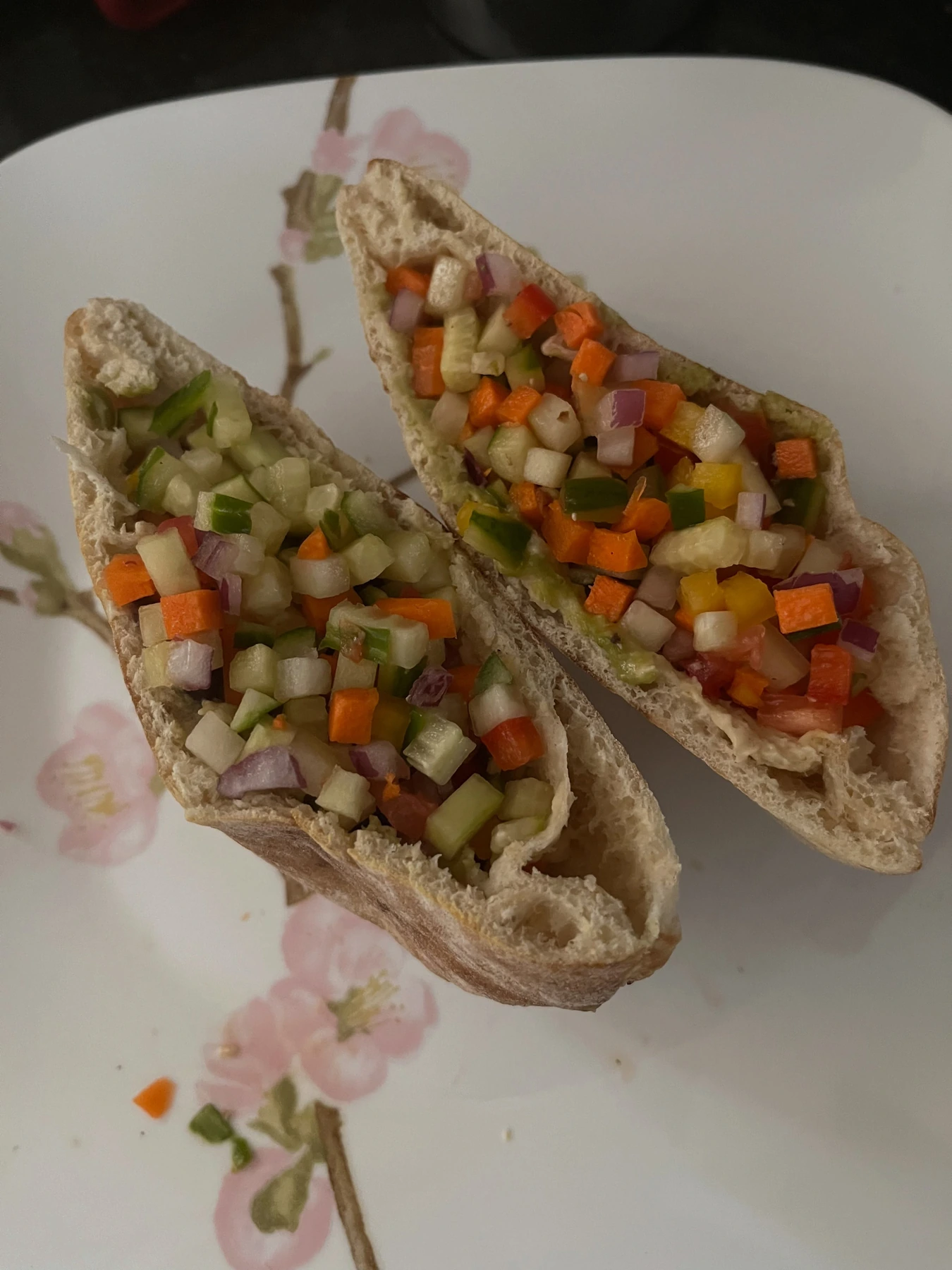
A cool, crunchy lunch is welcome when the afternoon is too warm to make cooking appealing.
You’ll need:
- 2 large pita breads
- ¾ cup hummus
- 1 medium carrot, grated
- ½ cucumber, thinly sliced
- 1 cup shredded cabbage
How to make it:
- Open the pitas carefully and spread hummus inside.
- Add the vegetables, keeping the filling below the opening.
- Serve immediately, with extra vegetables alongside.
Do ahead: Grate the carrot and shred the cabbage.
What makes it easier: If your pitas split, turn lunch into a plate of bread, hummus, and vegetables. Nothing needs replacing.
10. Black Bean and Cheese Quesadillas
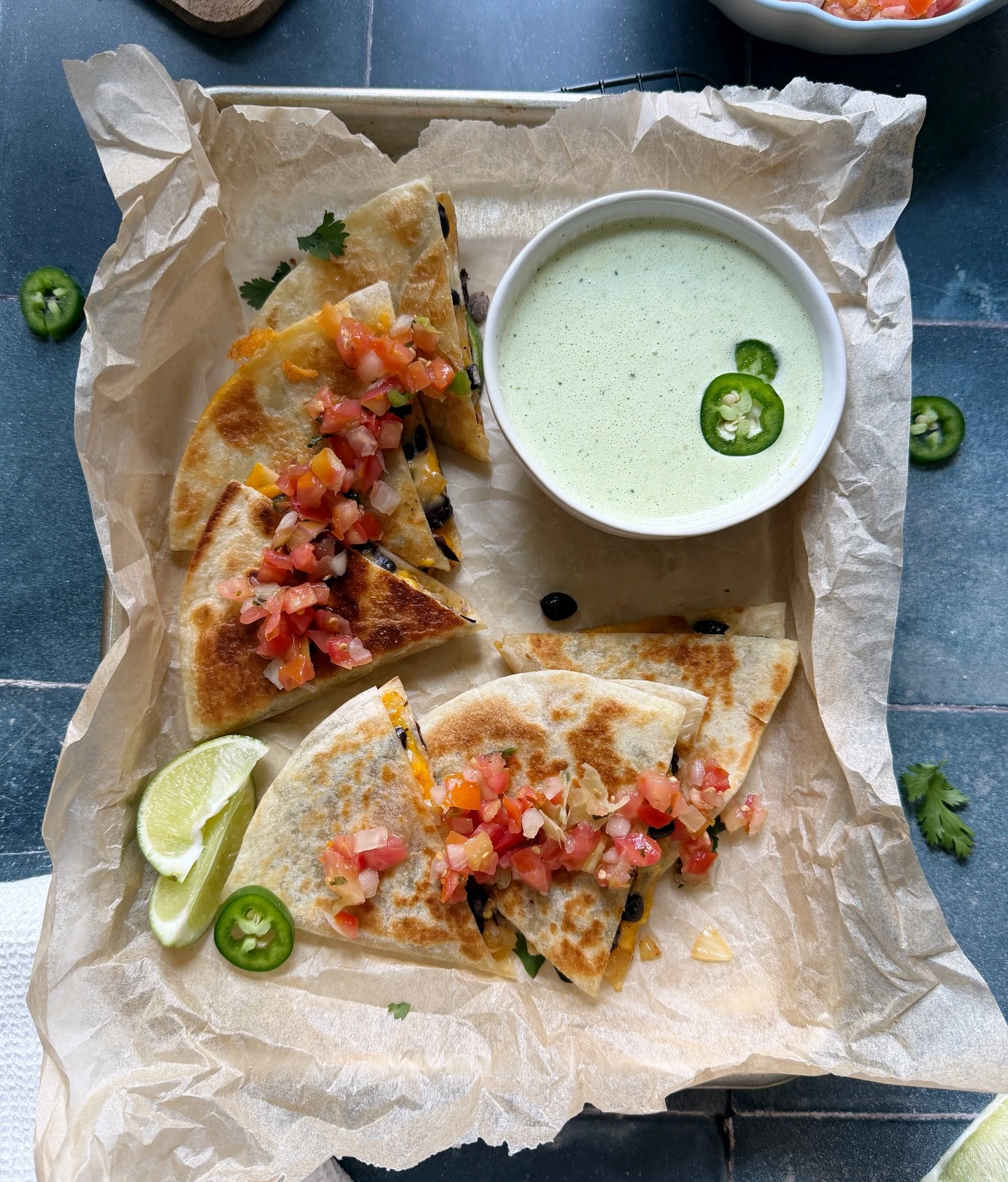
Quesadillas work best with a thin filling. Overstuffing them makes turning awkward and can leave the middle lukewarm.
You’ll need:
- 4 medium flour tortillas
- 1 cup drained black beans
- 1 cup grated cheddar
- A little oil, if needed
- Optional: salsa for serving
How to make it:
- Roughly mash the beans.
- Spread beans and cheese over half of each tortilla, then fold.
- Cook over medium-low heat in a dry or lightly oiled pan.
- Turn once and cook until both sides are golden and the filling is hot.
Do ahead: Grate the cheese.
What makes it easier: Cook one or two at a time, depending on the pan. Serve each batch as it’s ready rather than trying to keep a large stack crisp.
11. Couscous, Chickpea, and Apricot Bowls
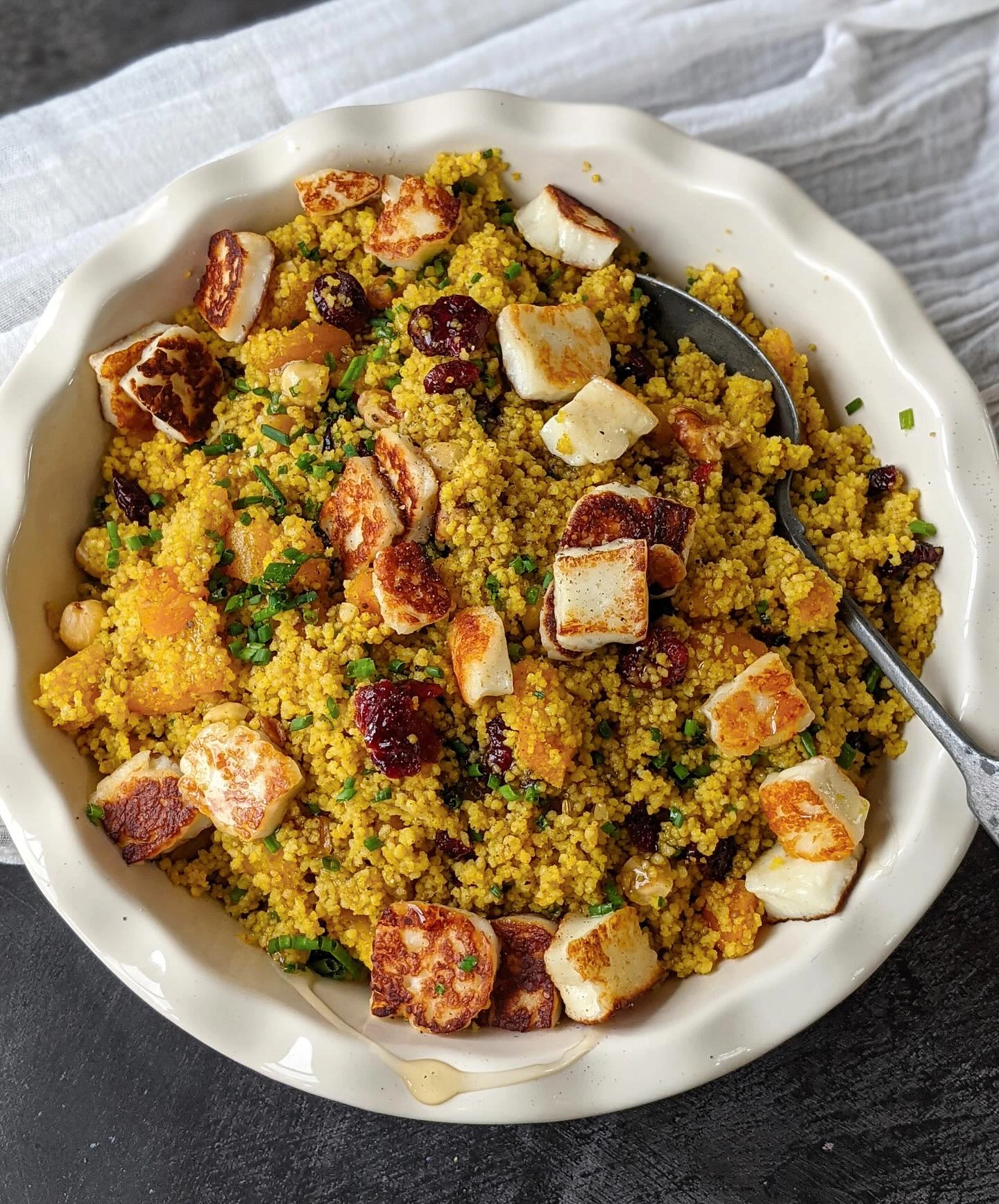
Quick-cooking couscous needs only a short covered rest, freeing the burner while the grains soften.
You’ll need:
- 1 cup regular quick-cooking couscous
- Water or broth as directed on the package
- 1 can chickpeas, about 15 ounces/425 grams, drained
- ¼ cup chopped dried apricots
- 1 tablespoon olive oil
- 1 tablespoon lemon juice
- Salt, pepper, and optional cumin
How to make it:
- Prepare the couscous with the directed amount of hot liquid, adding the apricots before covering.
- Leave for the time stated on the package.
- Fluff with a fork and stir in the chickpeas, oil, and lemon juice.
- Season and serve.
What makes it easier: Check that you bought regular couscous. Pearl couscous needs a different cooking method.
12. Peanut Butter, Banana, and Raisin Wraps
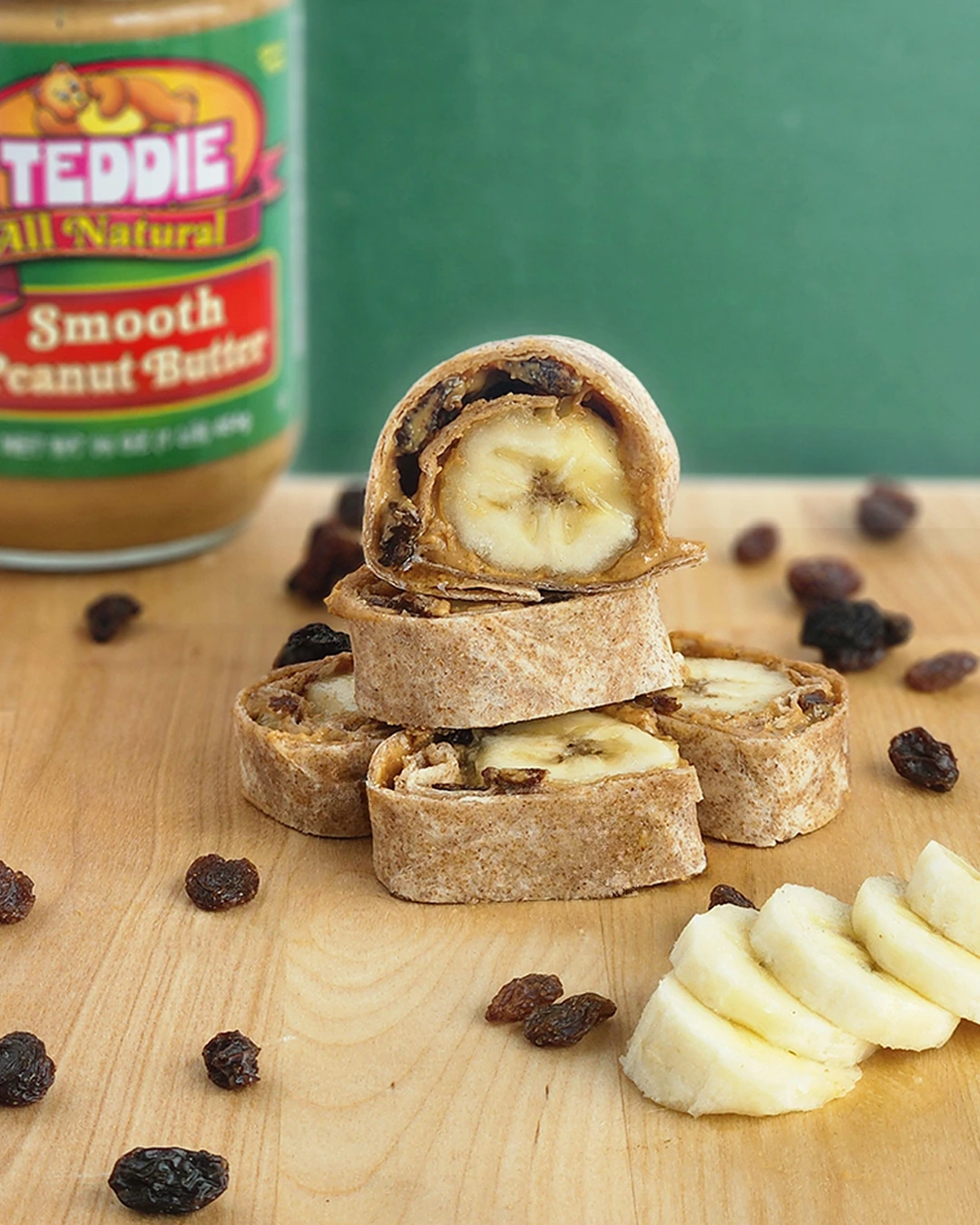
Keep these ingredients accessible for a delayed arrival, an early departure, or a lunch stop away from camp.
You’ll need:
- 2 large tortillas
- 4 tablespoons peanut butter
- 2 bananas
- ¼ cup raisins
How to make it:
- Spread peanut butter over each tortilla.
- Add sliced banana and raisins.
- Roll tightly and cut in half.
What makes it easier: Carry whole bananas and assemble when you’re ready to eat. Use a suitable seed butter if needed, checking labels for your group’s allergies.
Easy Camping Dinners
13. Smoky Black Bean and Corn Rice Bowls
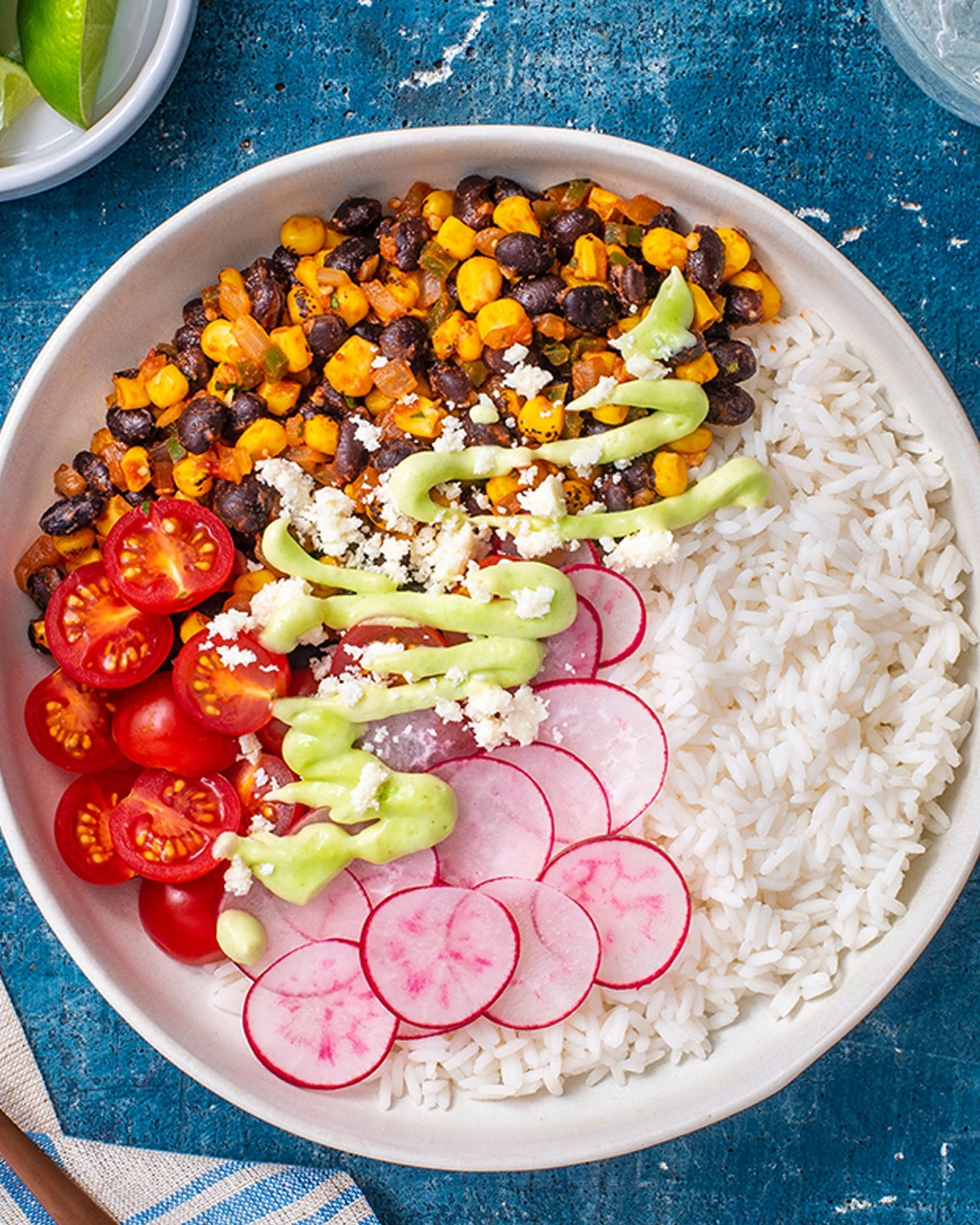
This is a useful arrival-night meal because most of the work involves opening packages.
You’ll need:
- 1 shelf-stable cooked rice pouch, about 8.8 ounces/250 grams
- 1 can black beans, about 15 ounces/425 grams, drained
- 1 small can corn, about 8–9 ounces/225–250 grams, drained
- ½ cup salsa
- ½ teaspoon smoked paprika
- 2–4 tablespoons water
- Optional: grated cheese or crushed tortilla chips
How to make it:
- Warm the beans, corn, salsa, and paprika in a saucepan.
- Add the rice and water.
- Cover and heat according to the rice package’s stovetop instructions, stirring regularly.
- Serve with any toppings.
What makes it easier: Choose rice with stovetop directions. Pack the rice, cans, salsa, and seasoning together so dinner is easy to find.
14. Chicken and Pepper Fajitas
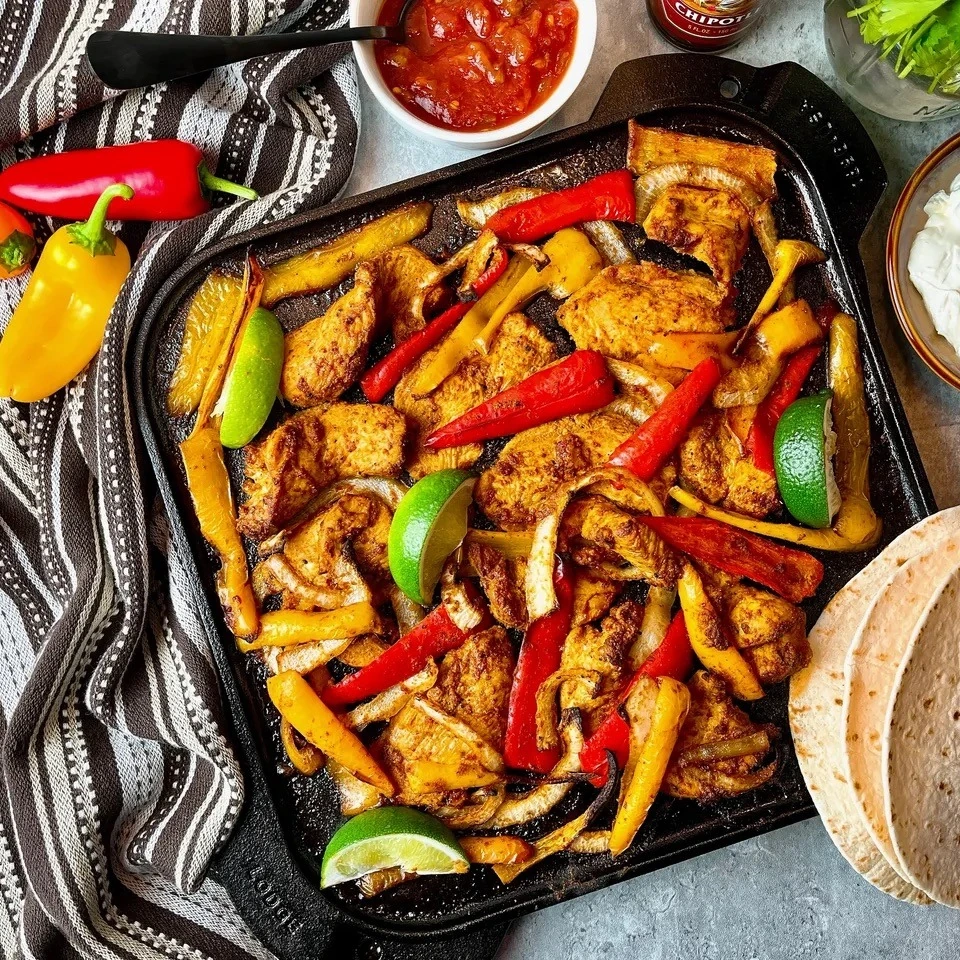
Cooked chicken reduces handling and preparation at camp. The peppers and onions provide most of the cooking work.
You’ll need:
- 2 cups cooked, chilled chicken strips
- 2 bell peppers, sliced
- ½ medium onion, sliced
- 1 tablespoon oil
- 2 teaspoons fajita seasoning, or to taste
- 4–6 medium tortillas
- Optional: salsa
How to make it:
- Heat the oil and cook the peppers and onion until softened and beginning to brown.
- Stir in the seasoning, chicken, and a splash of water.
- Cover briefly, then stir until the chicken reaches 165°F/74°C.
- Serve in tortillas.
Do ahead: Cook and chill the chicken; slice the vegetables.
What makes it easier: Let the vegetables cook before adding the chicken. Adding everything together can dry the chicken out while the peppers soften.
15. Sausage, Pepper, and Potato Foil Packets
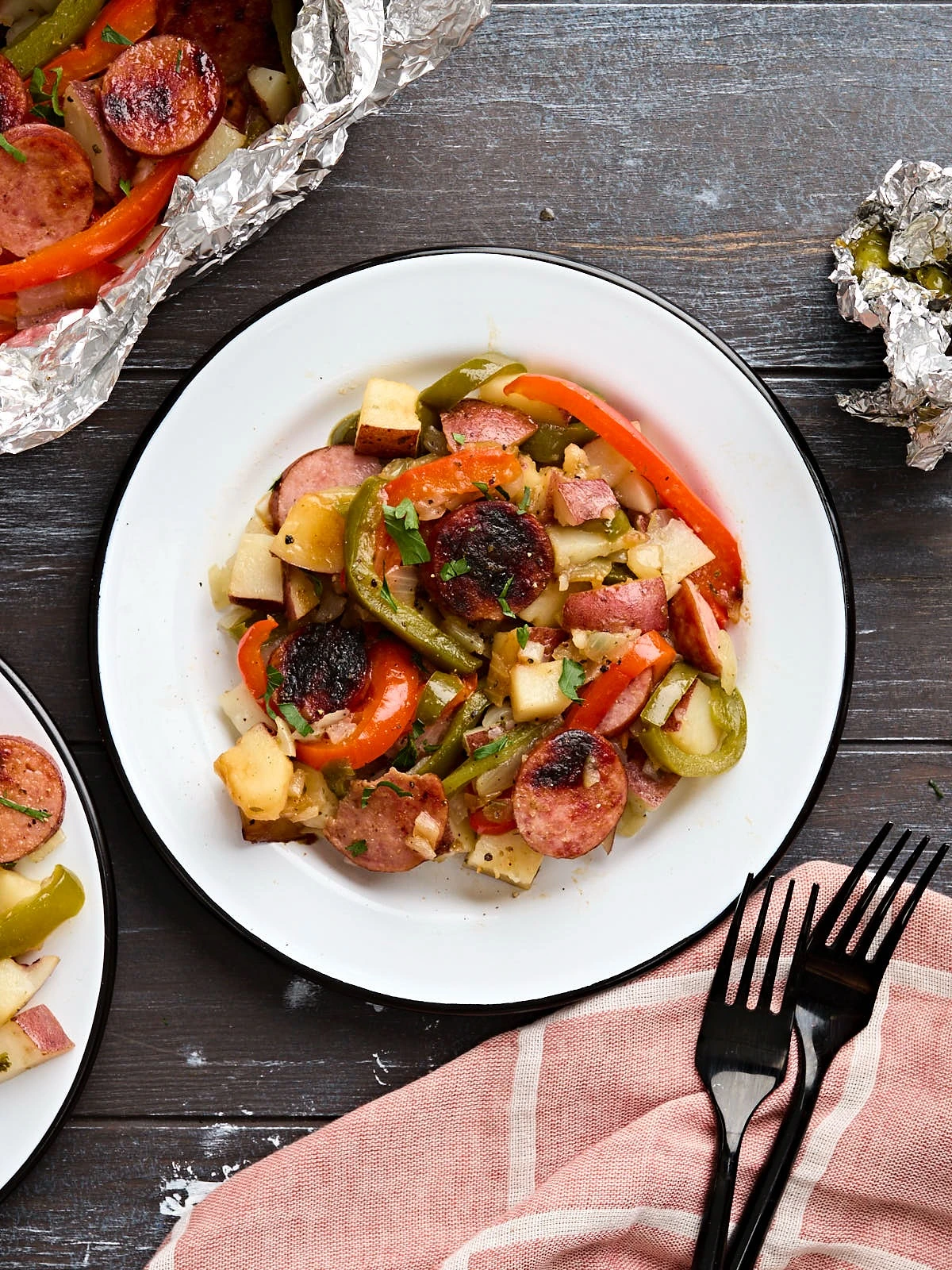
Foil packets reduce pan washing, but they still need a suitable heat source, careful handling, and a way to pack out the used foil.
You’ll need:
- 8 ounces/225 grams fully cooked sausage, sliced
- 2 cups cooked, chilled, diced potatoes
- 1 bell pepper, sliced
- ½ small onion, thinly sliced
- 1 tablespoon oil
- 2 tablespoons water
- Seasoning to taste
How to make it:
- Divide the ingredients between two large pieces of heavy-duty foil.
- Add a tablespoon of water to each and seal securely, leaving a little space inside.
- Cook on an approved grate over moderate heat, turning carefully with tongs.
- Check the potatoes and vegetables are tender and the food is thoroughly heated. Follow the sausage label’s directions and reheat the cooked potatoes to 165°F/74°C.
- Open the packets away from your face.
What makes it easier: Use a covered frying pan when cooking over a stove. Don’t place foil packets directly on a stove burner.
16. Creamy Tomato and Spinach Tortellini
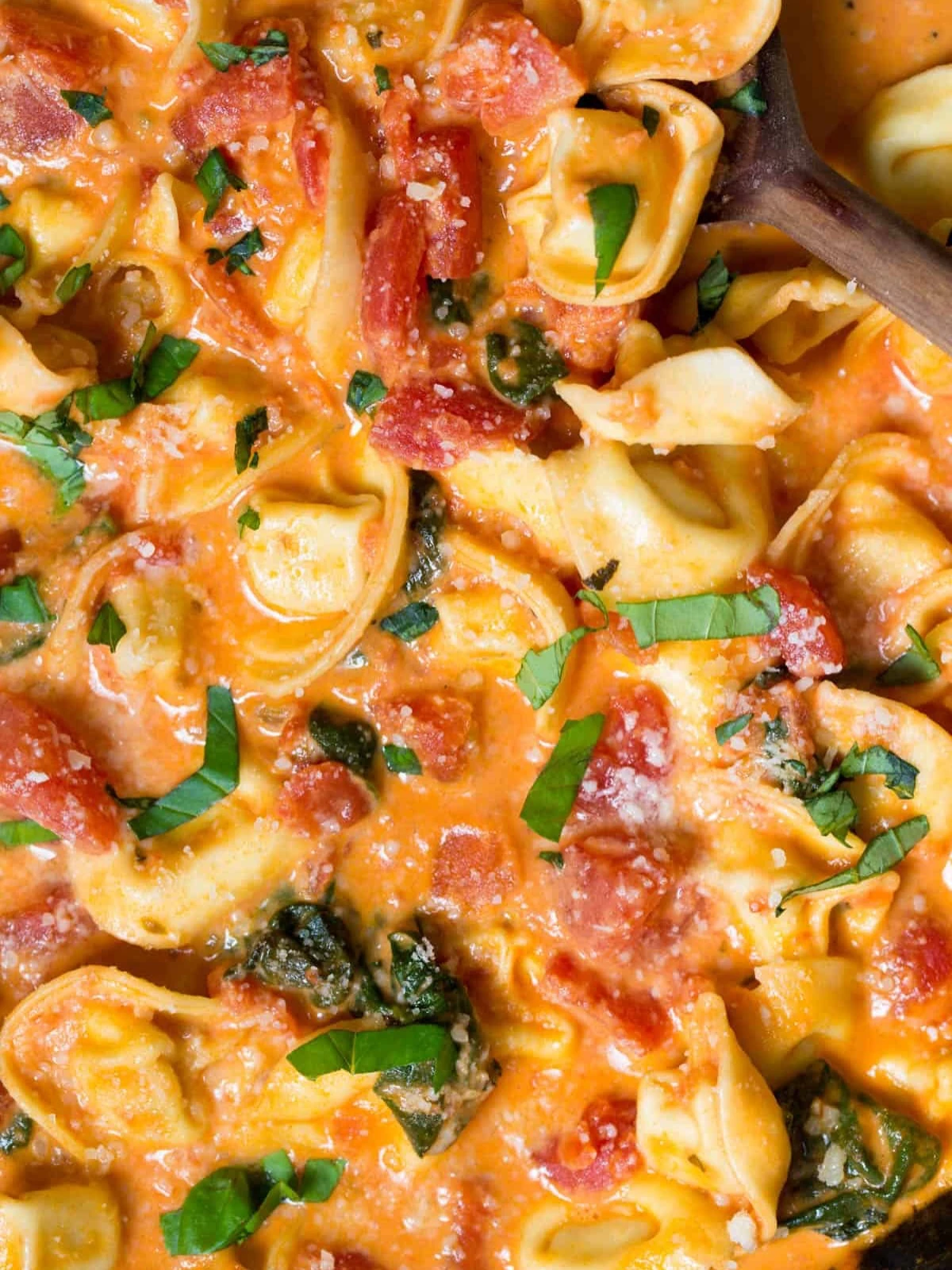
Refrigerated tortellini cooks quickly, though the exact liquid requirement depends on the pasta and thickness of the sauce.
You’ll need:
- 1 package refrigerated cheese tortellini, about 9 ounces/250 grams
- 1½ cups tomato pasta sauce
- ½–1 cup water, plus more if needed
- 2 generous handfuls spinach
- 3 tablespoons cream cheese
How to make it:
- Bring the sauce and ½ cup water to a gentle simmer.
- Add the tortellini and cook according to the package, stirring frequently. Add water gradually if the sauce thickens too soon.
- Once the pasta is tender, stir in the spinach.
- Add the cream cheese and stir until smooth.
What makes it easier: Keep the heat gentle. Thick sauce catches on a hot pan more readily than plain pasta water.
17. Coconut Chickpea and Pea Curry
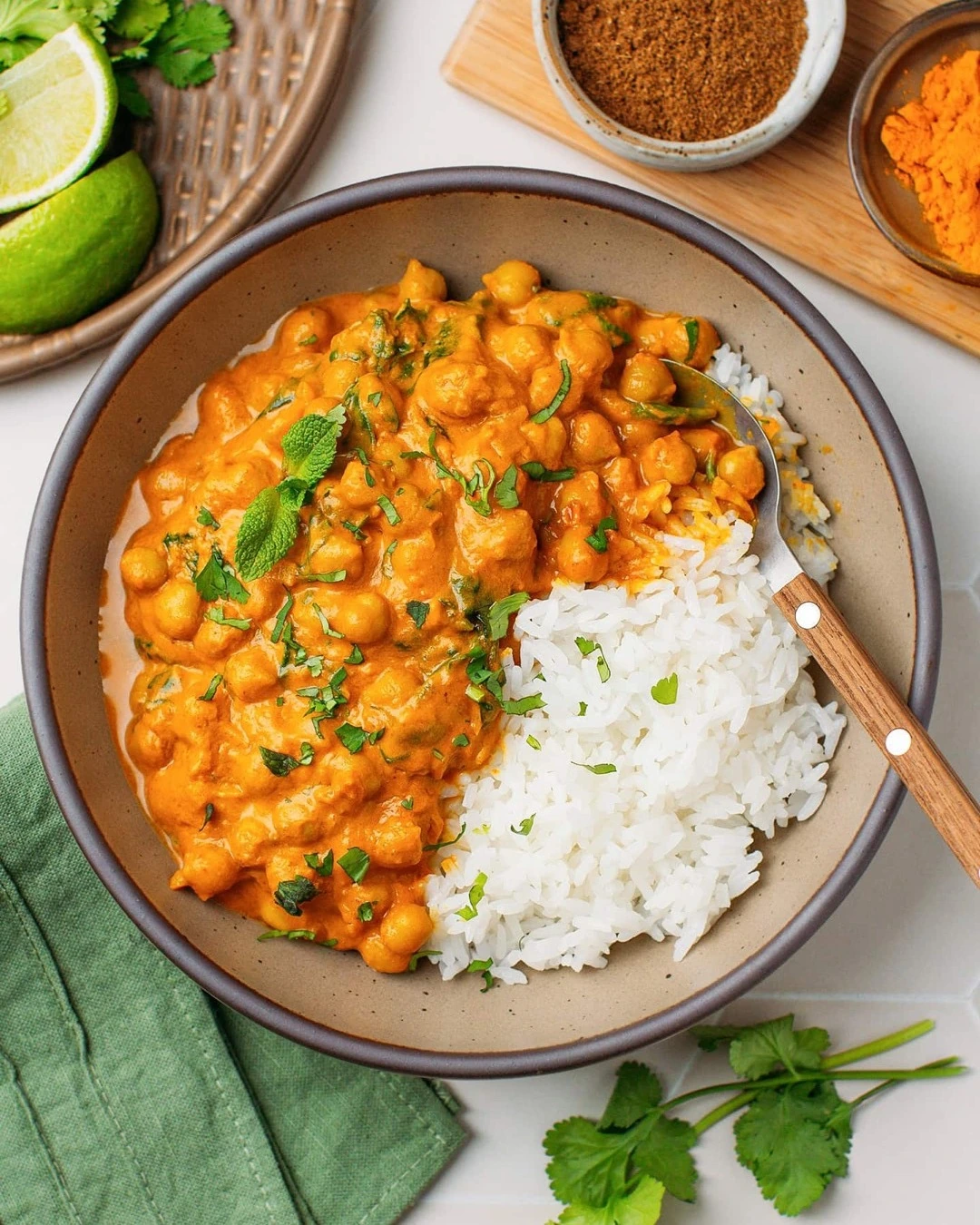
Canned ingredients make this a useful meal later in the trip, when you want to preserve cooler space.
You’ll need:
- 1 can chickpeas, about 15 ounces/425 grams, drained
- 1 can coconut milk, about 13.5 ounces/400 milliliters
- 1–2 tablespoons curry paste
- 1 cup canned peas, drained
- 2 large flatbreads
How to make it:
- Warm 1 tablespoon curry paste with a spoonful of coconut milk.
- Stir in the remaining coconut milk and chickpeas.
- Simmer gently for about 10 minutes.
- Add the peas, heat through, and taste before adding more curry paste.
- Serve with flatbread.
What makes it easier: Use mild paste when cooking for mixed preferences. Check ingredients if serving vegetarians or vegans, as some pastes contain fish or shellfish.
18. Loaded Sweet Potatoes with Beans and Salsa
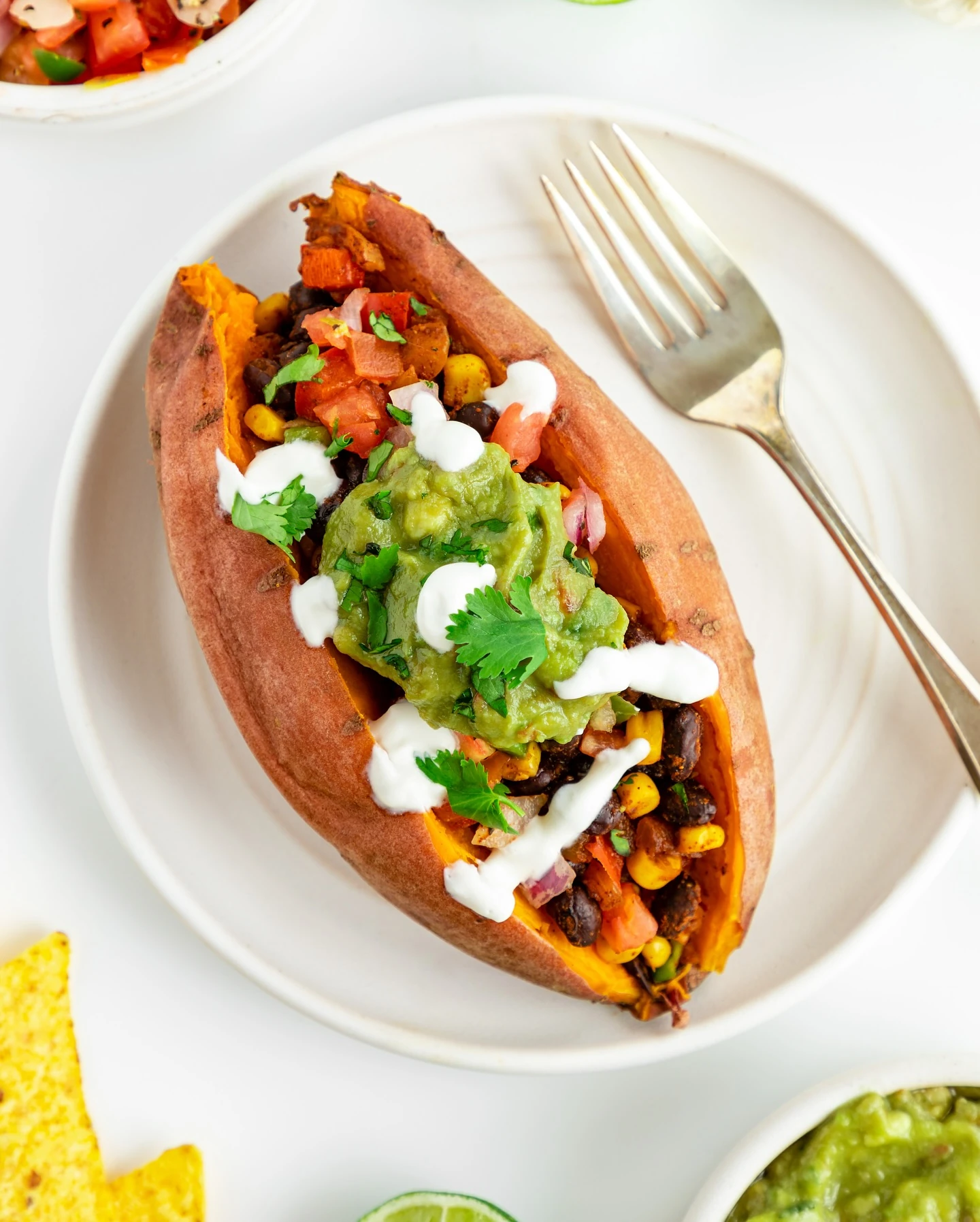
Cooking the sweet potatoes at home removes the longest part of this meal.
You’ll need:
- 2 medium cooked, chilled sweet potatoes
- 1 can black beans, about 15 ounces/425 grams, drained
- ½ cup salsa
- ½ cup grated cheddar
- 1 teaspoon oil
- A few tablespoons water
How to make it:
- Halve the sweet potatoes lengthwise.
- Place cut-side down in a lightly oiled pan. Add a splash of water, cover, and warm gently.
- Turn over, add the beans, salsa, and cheese, then cover again.
- Continue heating until the potatoes reach 165°F/74°C and the filling is hot.
Do ahead: Cook the potatoes and refrigerate promptly.
What makes it easier: Choose medium potatoes. Very large ones take longer to heat through and may not fit your pan.
19. Barbecue Chicken Sandwiches with Crunchy Slaw
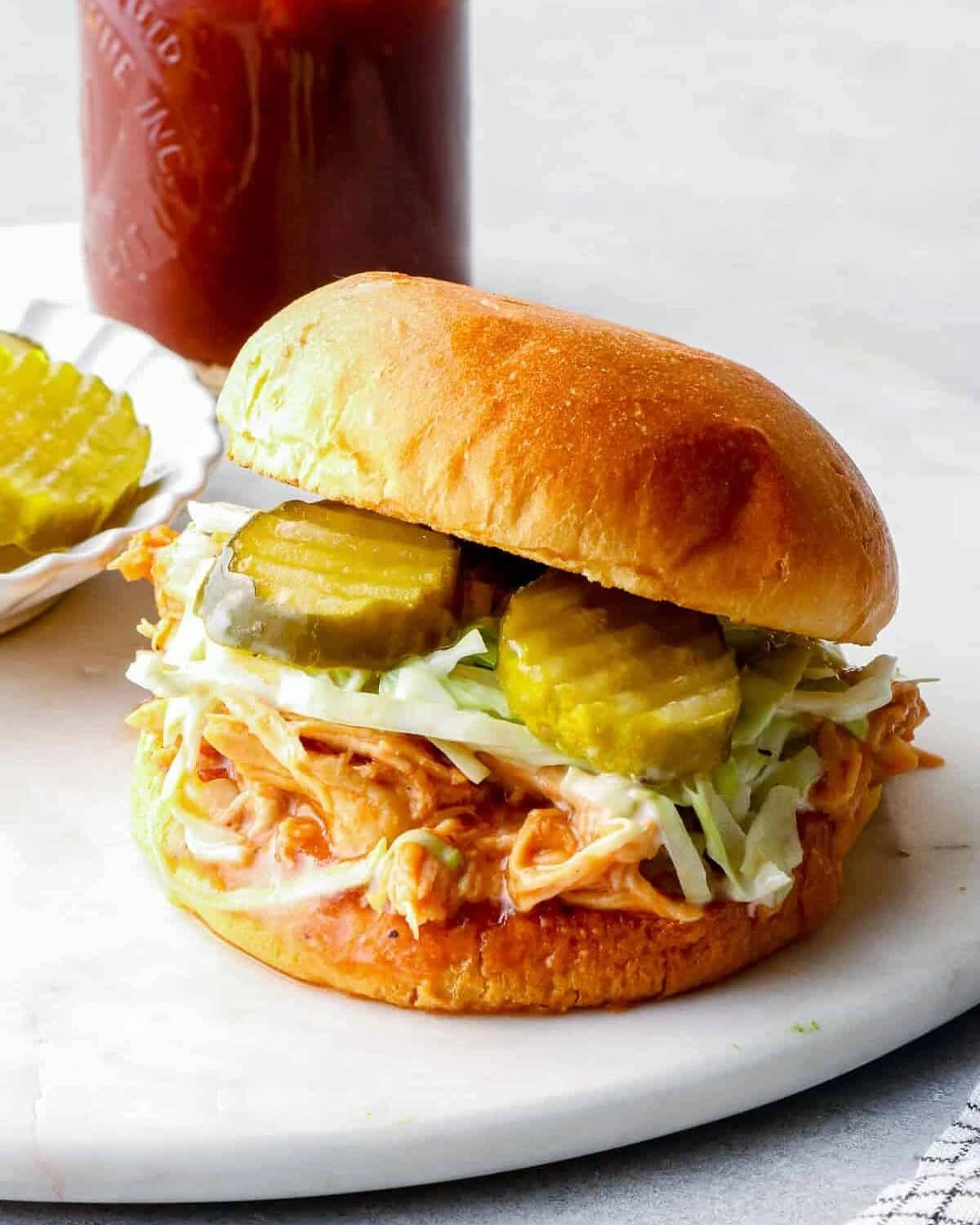
The warm filling and sharp, crunchy slaw make these feel like a full dinner without needing a separate cooked side.
You’ll need:
- 2 cups cooked, chilled shredded chicken
- ⅓–½ cup barbecue sauce
- 2 large sandwich rolls
- 2 cups shredded cabbage
- 1 tablespoon olive oil
- 1 tablespoon vinegar
- Salt and pepper
How to make it:
- Heat the chicken with barbecue sauce and a splash of water, stirring until it reaches 165°F/74°C.
- Toss the cabbage with the oil, vinegar, and seasoning.
- Fill the rolls with chicken and add some slaw.
- Serve the remaining slaw alongside.
Do ahead: Cook and shred the chicken, prepare the cabbage, and mix the slaw dressing separately.
What makes it easier: Dress the cabbage just before serving so it keeps its crunch.
20. Mushroom and White Bean Gravy over Instant Mash
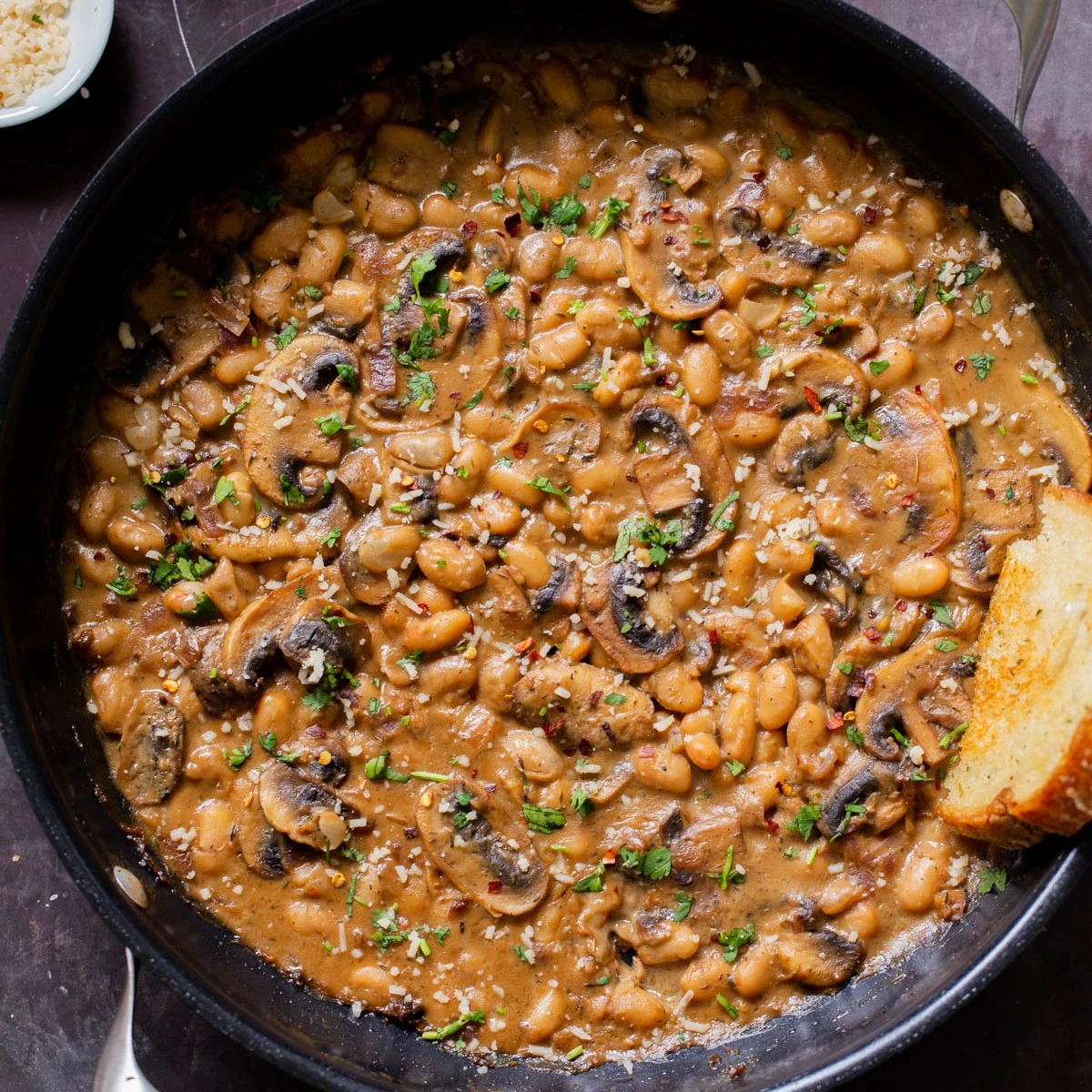
A packet of mash makes a quick base for a warm, substantial topping.
You’ll need:
- 8 ounces/225 grams mushrooms, sliced
- 1 can white beans, about 15 ounces/425 grams, drained
- 1 tablespoon oil
- Instant gravy mix sufficient for 1 cup prepared gravy
- Instant mashed potatoes for two
- Water and any additional ingredients required by the packets
How to make it:
- Prepare the mash in a suitable heatproof bowl according to its instructions. Cover.
- Heat the oil in the saucepan and brown the mushrooms.
- Add the beans and prepare the gravy in the pan using the quantity of water directed on its packet.
- Simmer until thickened and hot, then spoon over the mash.
What makes it easier: Choose mash that requires only hot water if you want fewer chilled ingredients. Check both packets before adding salt.
21. Tomato, Lentil, and Orzo Soup
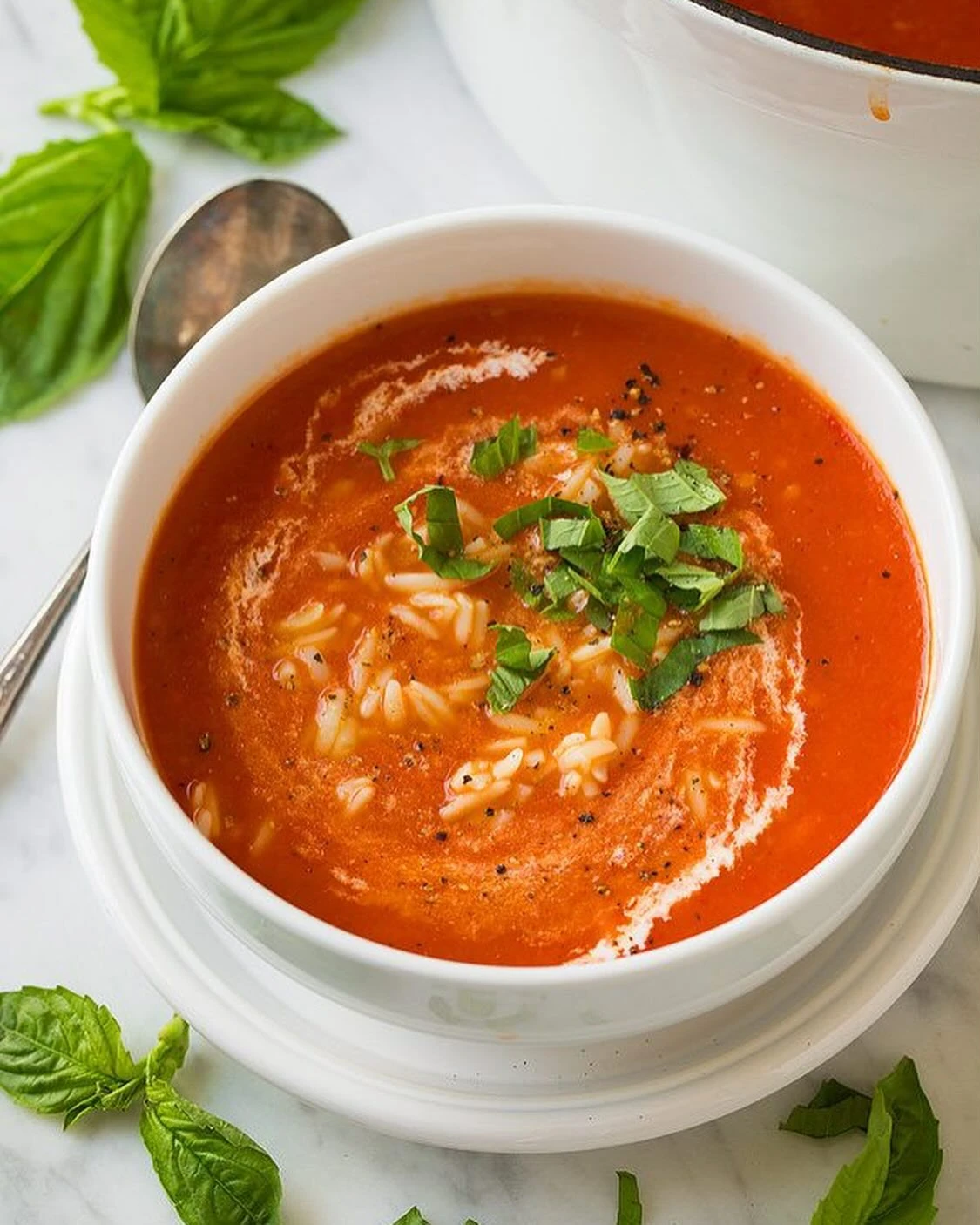
Canned lentils give this soup substance without the cooking time required for dried lentils.
You’ll need:
- 1 small onion, chopped
- 1 tablespoon oil
- 1 can chopped tomatoes, about 14 ounces/400 grams
- 1 can lentils, about 15 ounces/425 grams, drained
- ½ cup dry orzo
- 3 cups prepared vegetable broth, plus water as needed
- 1 teaspoon dried mixed herbs
- Optional: bread for serving
How to make it:
- Soften the onion in the oil.
- Add the tomatoes, broth, and herbs. Bring to a simmer.
- Stir in the orzo and cook according to its package, stirring regularly.
- Add the lentils for the last few minutes and heat thoroughly.
- Add water if the soup becomes thicker than you like.
What makes it easier: Use a pot with room for stirring. Orzo settles on the bottom and needs more attention than a soup without pasta.
A Complete Two-Night Camping Menu for Two
This plan covers Friday dinner through Sunday lunch. It uses the recipes above at their stated quantities and includes fruit alongside lunch.
| When | Meal |
|---|---|
| Friday dinner | Barbecue chicken sandwiches with slaw |
| Saturday breakfast | Apple, cinnamon, and peanut butter oatmeal |
| Saturday lunch | Hummus and vegetable pita pockets, plus an apple each |
| Saturday dinner | Smoky black bean and corn rice bowls |
| Sunday breakfast | Banana pancakes with peanut butter |
| Sunday lunch | Peanut butter, banana, and raisin wraps, plus an apple each |
This combination uses cooked chicken first, keeps lunch preparation short, and gives you meals made from shelf-stable ingredients later in the trip.
Shopping List for the Weekend Menu
The quantities below cover the six meals for two adults. Optional toppings, snacks, drinks, and the backup meal are separate.
Produce
- 5 medium apples: 1 for oatmeal and 4 to accompany lunches
- 3 large bananas: 1 for pancakes and 2 for wraps
- About 3 cups finely shredded cabbage: 2 for slaw and 1 for pitas
- 1 medium carrot
- ½ cucumber
Bread and grains
- 2 large sandwich rolls
- 2 large pita breads
- 2 large tortillas
- 1 cup rolled oats
- Complete, just-add-water pancake mix for two servings
- 1 shelf-stable cooked rice pouch, about 8.8 ounces/250 grams
Protein and spreads
- 2 cups cooked shredded chicken, roughly 10 ounces/280 grams
- ¾ cup hummus
- ½ cup peanut butter: 2 tablespoons for oatmeal, 2 for pancakes, and 4 for wraps
- 1 can black beans, about 15 ounces/425 grams
- 1 small can corn, about 8–9 ounces/225–250 grams
Sauces, seasoning, and extras
- ½ cup barbecue sauce
- ½ cup salsa
- ¼ cup raisins
- 1 tablespoon olive oil, plus a small amount for pancakes if needed
- 1 tablespoon vinegar
- ½ teaspoon cinnamon
- ½ teaspoon smoked paprika
- Salt and pepper
Water and cold storage
Bring safe water for drinking, cooking, and cleaning. Cooking water includes 2 cups for oatmeal, the amount specified by your pancake mix, and a little for reheating meals. Add sufficient ice or frozen packs to maintain safe cooler temperatures.
Optional additions: Cheese or tortilla chips for the rice bowls, pancake syrup, and extra fruit or snacks for larger appetites.
Preparation Before You Leave
The day before:
- Cook and shred the chicken, then cool it promptly in a shallow container in the refrigerator.
- Measure the oats and cinnamon together.
- Portion the pancake mix and write its required water quantity on the container.
- Prepare the cabbage and carrot. Store chilled; keep the cucumber whole until needed if convenient.
- Pack the slaw oil and vinegar together.
- Portion the barbecue sauce, peanut butter, raisins, and paprika.
- Group shelf-stable ingredients by meal.
Before departure:
- Check that the chicken and other perishables are properly chilled.
- Pack them in the cooler with enough cold sources and a thermometer.
- Put Friday’s dinner where you can reach it easily.
- Check the can opener, stove fuel, lighter, cookware, and washing-up kit.
- Add an extra shelf-stable meal in case the journey or weather changes your plans.
Pack food for the journey separately from the campsite meals; our road trip snack packing list offers a practical starting point.
A Simple Backup Meal
Pack crackers, a tuna pouch for each person, and whole fruit. Check that the products allow room-temperature storage before opening.
A backup meal should be something you can eat without needing the equipment or conditions that caused the original plan to fail.
Keep Food Cold and Cleanup Manageable
Keep perishable food at 40°F/4°C or below, checking with a cooler thermometer. Reheat leftovers to 165°F/74°C. Discard perishables left above safe refrigeration temperature for more than two hours, or one hour when the outside temperature is above 90°F/32°C. See the USDA’s guidance on camping food safety and handling leftovers.
Keep raw food separate from ready-to-eat ingredients. Preparing cooked fillings at home can reduce raw-food handling at camp, provided they stay properly chilled.
For easier cleanup:
- Measure ingredients before leaving rather than bringing extra utensils.
- Use a spatula to scrape pans before washing.
- Keep wet sauces out of wraps until serving.
- Choose appropriate portions so you don’t create leftovers you cannot keep cold.
- Follow campsite rules for wastewater, rubbish, and wildlife-safe food storage.
Foil reduces pan washing, but it creates rubbish to carry out. A single reusable pan may be the simpler option when you already have washing facilities.
Frequently Asked Questions
What are the easiest camping meals for beginners?
Oatmeal, peanut butter wraps, bean quesadillas, and black bean rice bowls are straightforward starting points. They use familiar ingredients and have relatively few steps.
Choose meals you already enjoy at home, then simplify the equipment and preparation.
What can you eat while camping without a stove?
Peanut butter and banana wraps, tuna and white bean salad, and yogurt bowls require no cooking. The yogurt needs reliable refrigeration, while unopened shelf-stable tuna, beans, and nut butter can suit trips without a cooler when their labels permit.
Remember that “no cooking” and “no refrigeration” are different requirements.
Which meals work best with one burner?
Choose meals where everything heats together: rice bowls, curry, tortellini, soup, or a breakfast skillet.
Avoid planning several separate hot components unless you’re happy to cook and serve them in stages.
How do you make camping meals cheaper?
Build the menu around oats, beans, lentils, rice, potatoes, and tortillas. Reuse ingredients across meals and shop from a written list.
Convenience ingredients can still be useful. A cooked rice pouch costs more than a portion of dry rice, but it may save cooking time and simplify dinner. Decide which tradeoffs matter for your trip.
Can these meals be doubled for a family?
Most can, but cookware capacity matters. A larger pot can handle more soup or curry, while a small frying pan may require several batches of pancakes or quesadillas.
For family meals, dishes served from one pot are often easier to coordinate than individual items cooked one at a time.
For a larger group, use our camping meals for a crowd guide, with quantities and a weekend plan for 12.
What should you make on the first night?
Choose something accessible and quick: rice bowls, barbecue chicken sandwiches, or quesadillas.
Keep the ingredients together so you can start dinner without unpacking every food container. Save longer cooking projects for a day when you have more time.
Leave Yourself Time to Enjoy the Evening
Start with one easy arrival dinner, a dependable breakfast, and lunches that don’t interrupt the day.
Then check the practical details: whether the pan is big enough, which ingredients need chilling, and what you can prepare before leaving home.
A short menu that fits your equipment will do more for your trip than a cooler full of ingredients with no plan. Dinner can be warm, filling, and enjoyable—and still leave you time to sit down.
2 thoughts on “21 Easy Camping Meals to Make Your Next Trip Less Work”