
Lowcountry marsh views from Bowens Island Restaurant near Charleston | Image credit: decaturpen / Tripadvisor
Charleston Lowcountry food is easiest to appreciate when you give it a few meals. A bowl of crab rice, a cup of she-crab soup, and a tray of oysters tell different stories; ordering all three alongside a large shrimp-and-grits entrée usually leaves more leftovers than understanding.
Use these 15 foods as a menu of possibilities. Each has a specific place to try it, plus advice about portions, ingredients, or getting there. Several restaurants cover more than one dish, so you can build a satisfying trip without collecting 15 reservations. Menus and service details were checked in October 2026; confirm them again before a special journey.
Disclosure: This article contains affiliate links. We may earn a commission if you book through them.
What makes Charleston food Lowcountry?
The coastal setting matters: rice, shrimp, crab, oysters, and vegetables connect many of these meals. So do the people who developed and maintained the region’s cooking traditions. Gullah Geechee foodways preserve West African culinary knowledge, including rice dishes and ways of gathering and preparing seafood. The National Park Service’s foodways lesson is a useful introduction to those connections.
Some foods below belong to the wider Southern table, while others have a particularly strong Charleston association. Neither a fried tomato nor coconut cake needs an invented local origin story to be worth eating here. For another locally grounded starting point, South Carolina tourism’s guide to iconic Charleston dishes connects regional foods with the businesses that serve them.
1. Shrimp and grits: start with a smaller portion
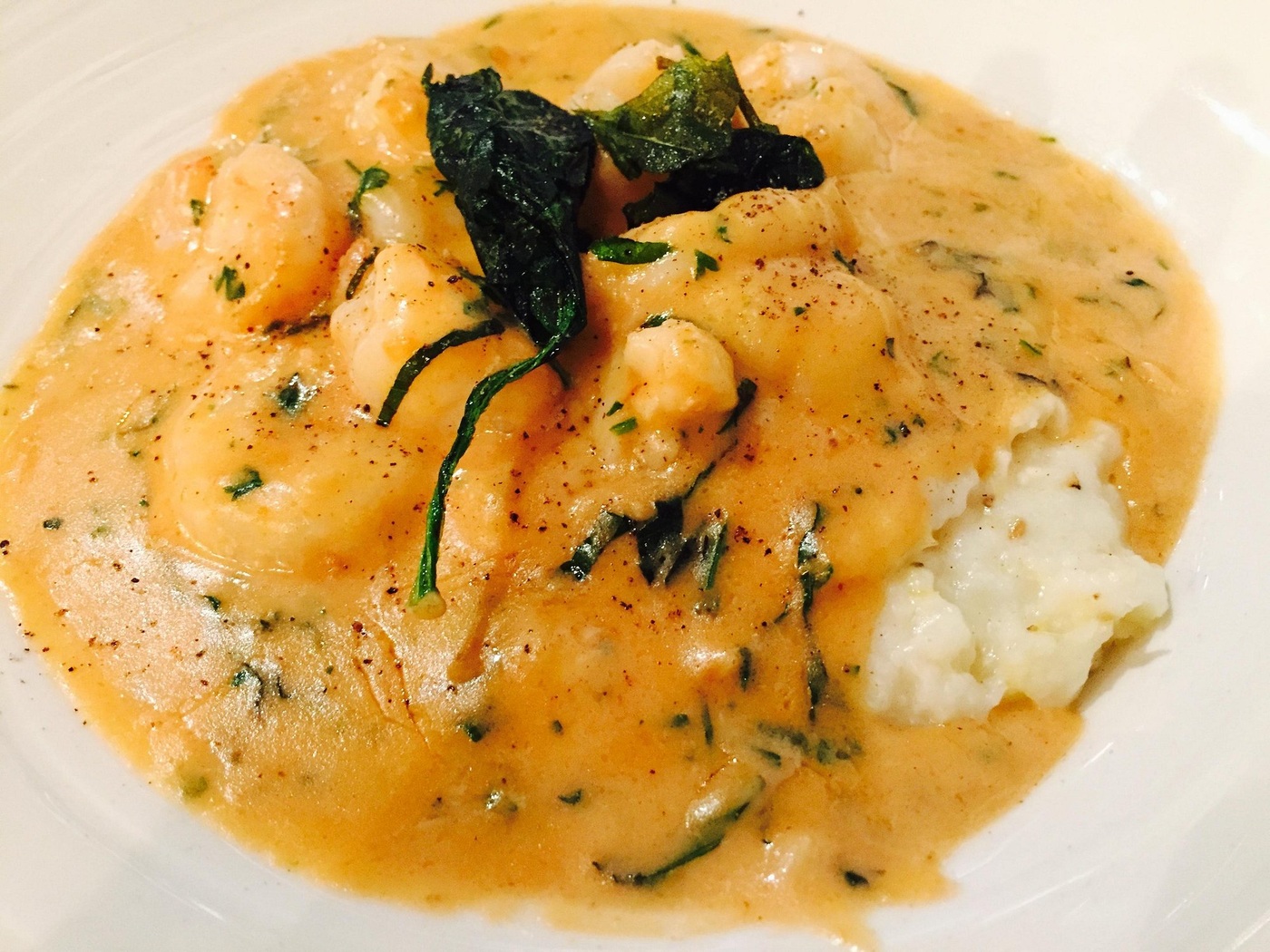
This is a useful first order because you can taste the contrast between shrimp, creamy ground corn, and a savory sauce in one forkful. Preparations vary considerably: a deeply seasoned gravy makes a different meal from a lighter seafood preparation, so read the description instead of assuming every restaurant serves the same thing.
At Magnolias on East Bay Street, the checked lunch menu offers shrimp and sausage over creamy white grits with tasso gravy. A half portion is $18 and a full portion $28. The smaller serving leaves room for a starter or another food stop; adding soup, cheese, and dessert to a full entrée takes more appetite than it sounds. The sausage and tasso also make this an unsuitable default choice for someone avoiding pork. The photograph shows an earlier shellfish-and-grits preparation, rather than promising that today’s plate looks identical.
2. She-crab soup: a cup can be enough
Put she-crab soup on your list if crab is the flavor you want most from lunch. Its appeal is a concentrated, rich bowl rather than a light vegetable starter. A cup is a sensible way to try it before an entrée, especially if you are comparing several Lowcountry foods over the same day. Ask the restaurant about the current recipe when dairy, shellfish, or alcohol in cooking matters to you.
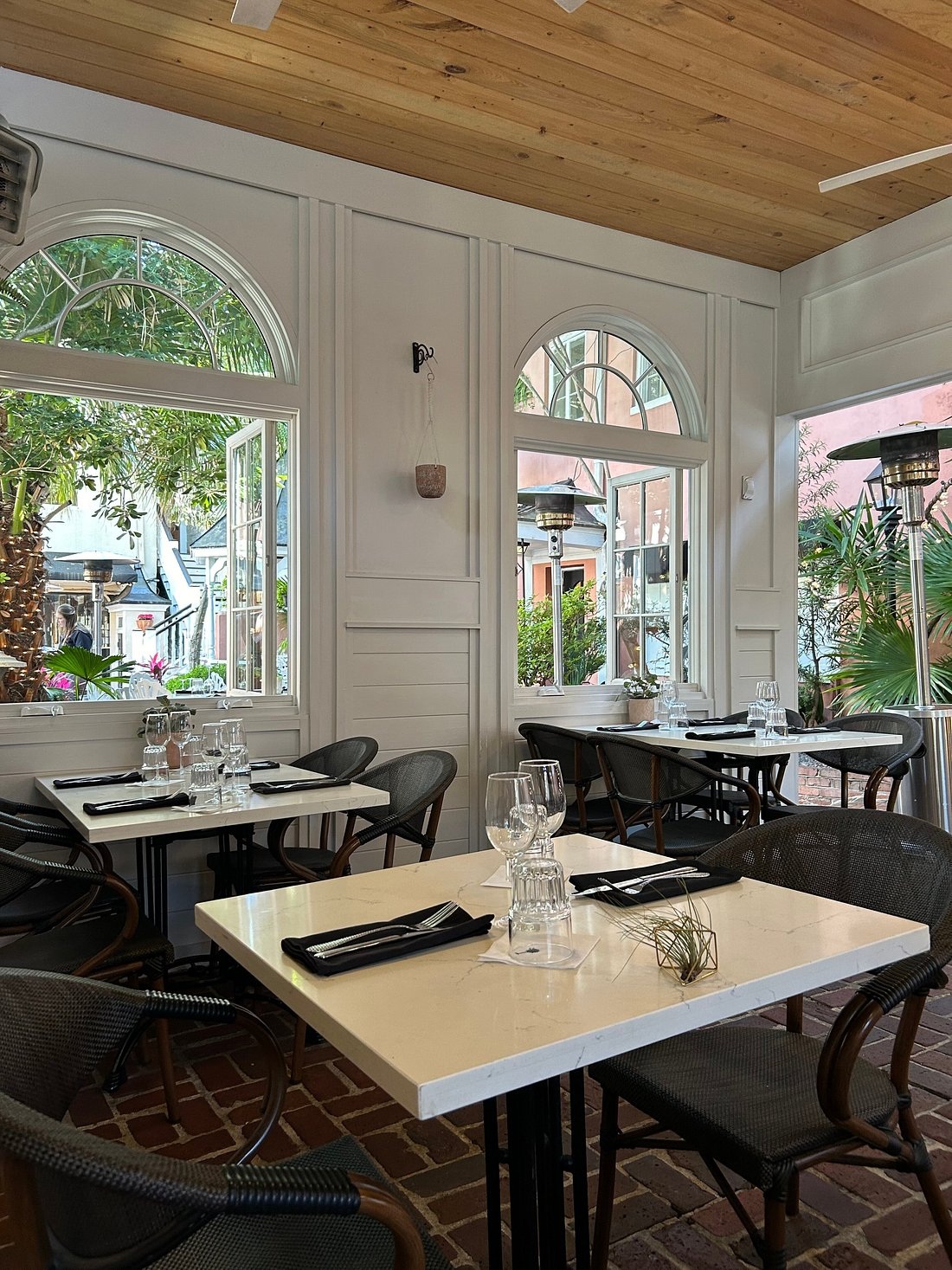
82 Queen’s menu lists its she-crab soup at $9 for a cup or $13 for a bowl. Its Queen Street location makes it an easy downtown meal to pair with sightseeing. Reserve a table if the courtyard is part of your plan, and ask about seating rather than assuming a reservation guarantees that particular area. The image shows the restaurant’s courtyard dining setting.
3. Lowcountry boil, also called Frogmore stew
Despite the name, Frogmore stew is a seasoned seafood boil: think shrimp, sausage, corn, and potatoes, rather than frogs or a bowl of broth. It is especially useful for a group that wants several textures in one order. Confirm the serving size before treating a single restaurant portion as a platter for the whole table.
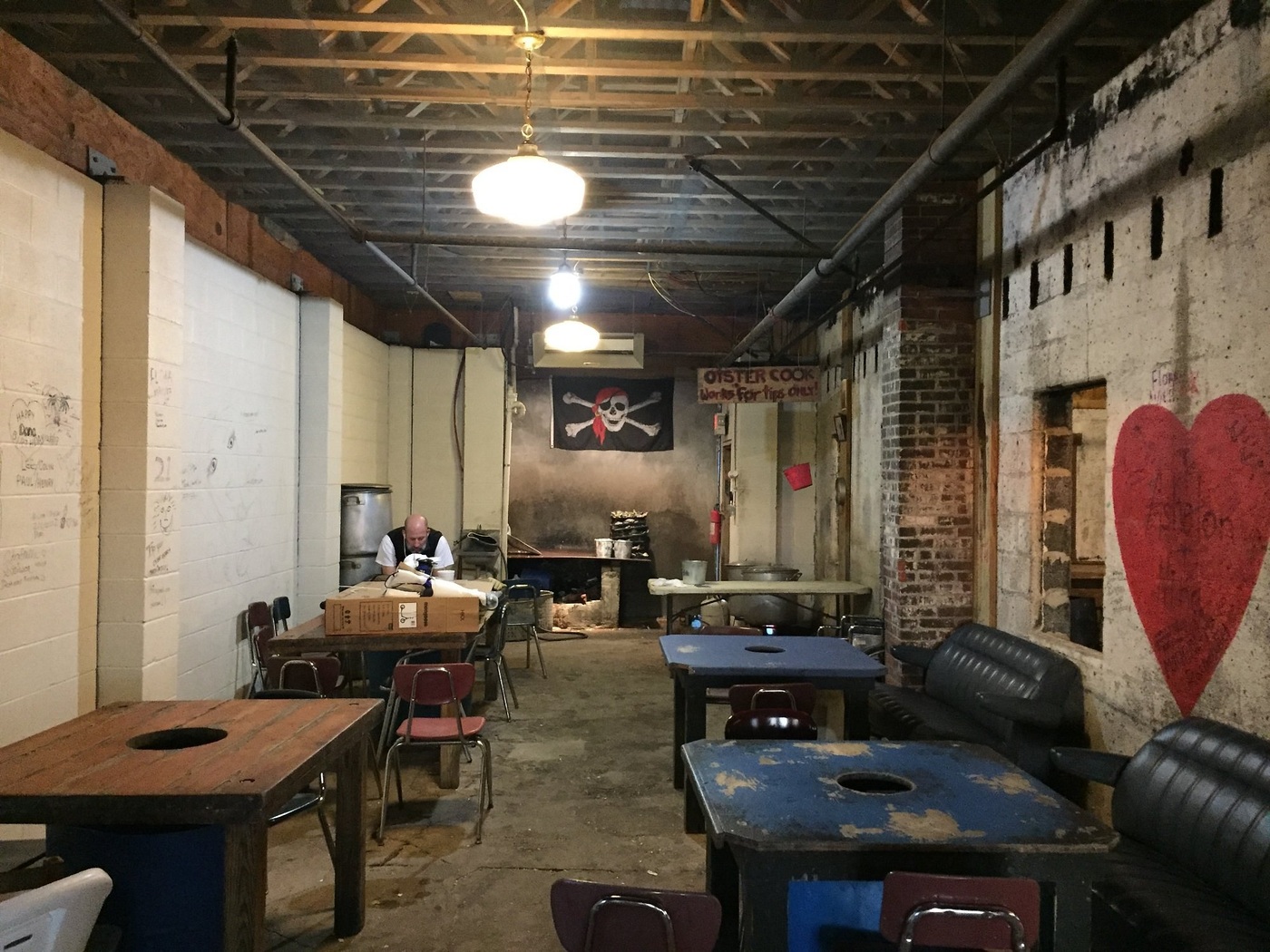
Bowens Island’s current menu lists those four core ingredients in its Frogmore stew. The restaurant sits at 1870 Bowens Island Road, near Folly Beach, so plan it with a beach-area outing instead of squeezing it between downtown reservations. Decide whether the boil or an oyster order will be your main event; both together, with fried sides, can turn a casual stop into a substantial meal. The photo shows its ground-floor oyster room, giving you a sense of the restaurant rather than depicting a boil.
4. Crab rice: make the rice the reason for lunch
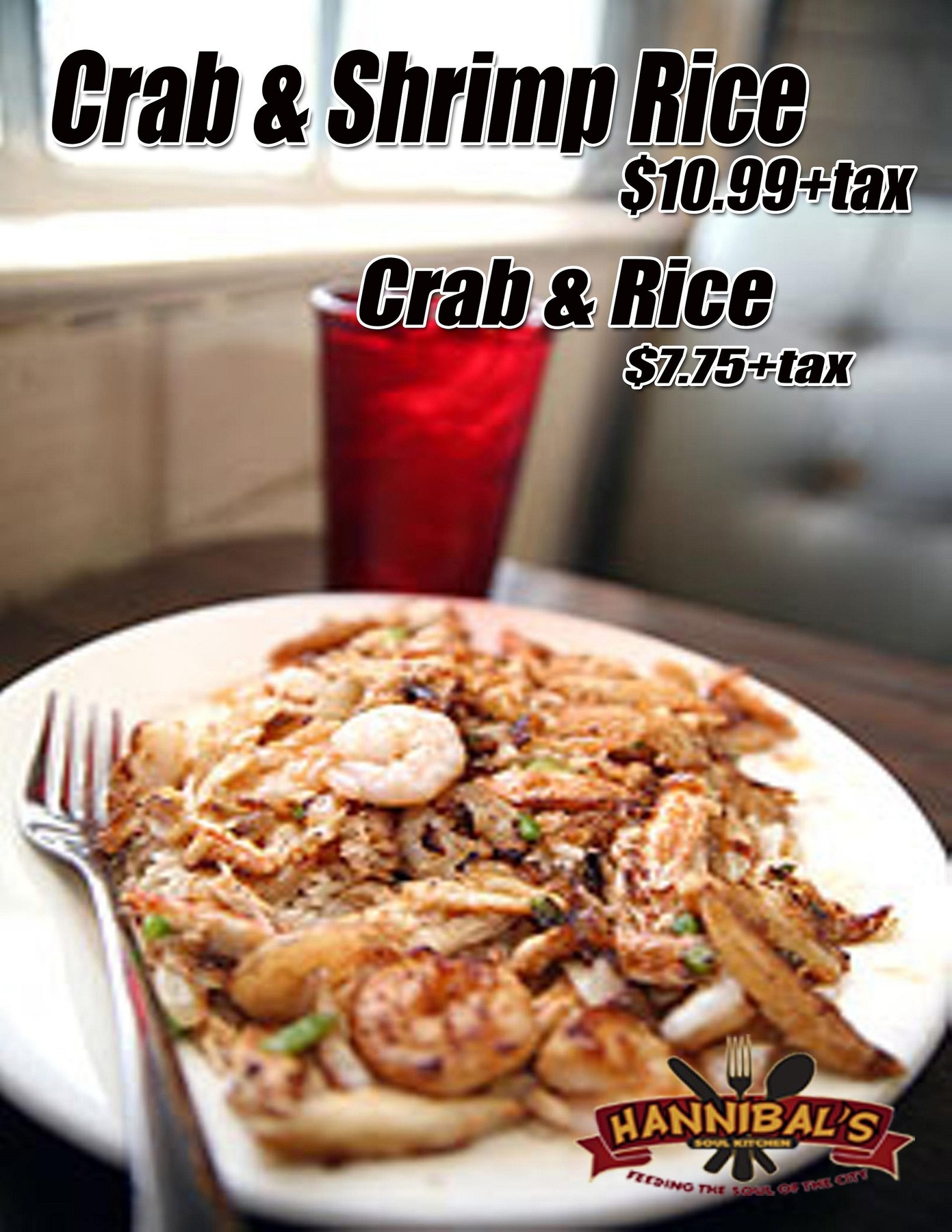
Crab rice deserves its own order even if you have already eaten shrimp and grits. Rice makes a different base for seafood, and a simple preparation lets you pay attention to the crab instead of a rich sauce. It is also an opportunity to explore a central part of Gullah Geechee cooking beyond the dishes most often promoted to visitors.
At Hannibal’s Kitchen on Blake Street, the current crab-rice description lists crabmeat, sautéed onion, and bell pepper over white rice. The menu distinguishes the rice entrée from a meal, so check which format you are ordering before adding sides. The pictured shrimp-and-crab-rice combination is an archival restaurant image; its printed prices are historical. Use the live menu for today’s cost. If you want crab rice and red rice at the same meal, share the former and order a side of the latter rather than buying two full meals.
5. Charleston red rice: a side worth planning around
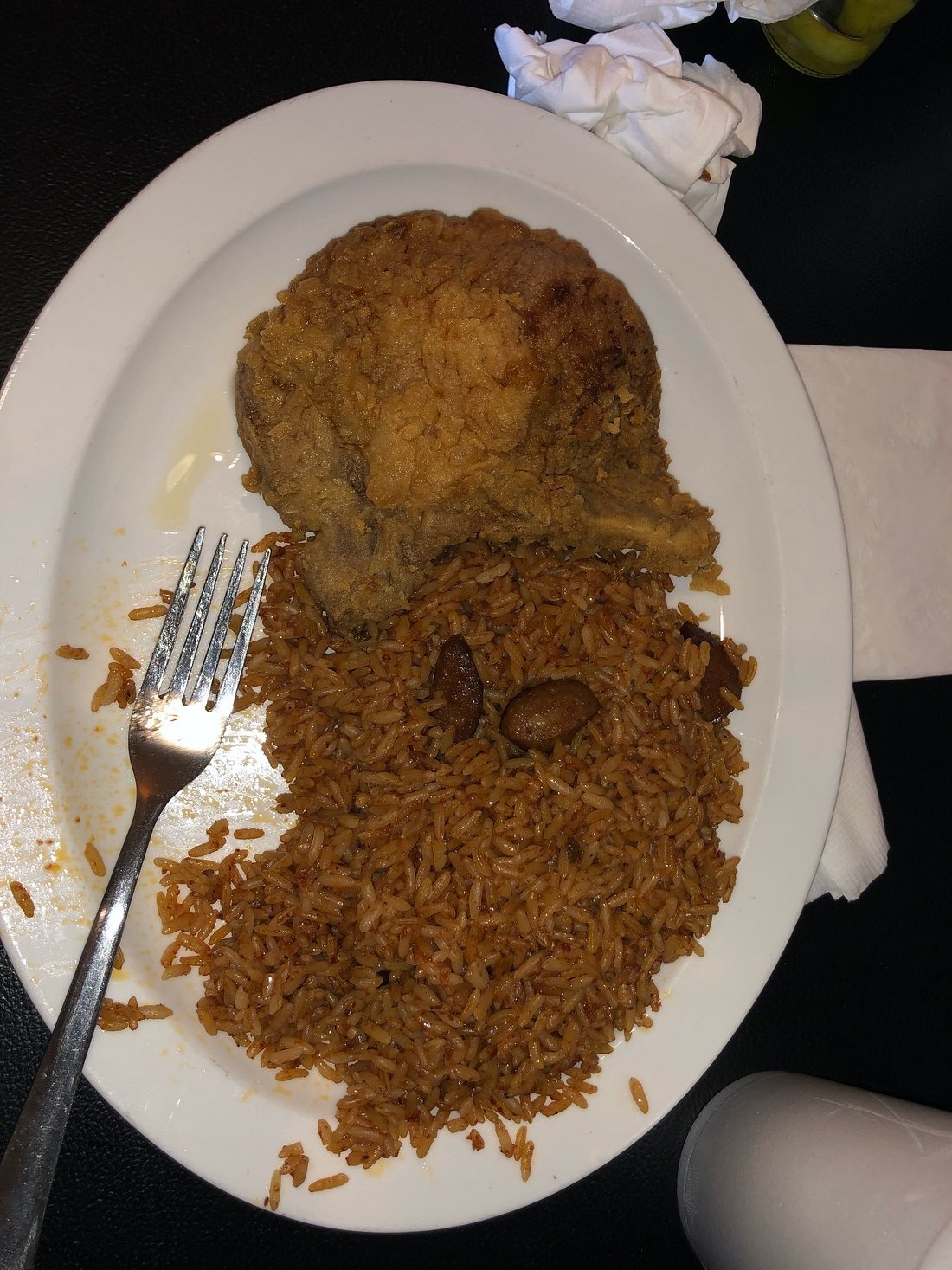
Red rice and crab rice are separate dishes. In red rice, tomatoes and seasoning flavor the rice itself; it is not simply white rice with seafood on top. That distinction makes the two useful to compare, particularly if your idea of Charleston food has mostly involved shrimp.
Hannibal’s red rice currently includes tomato paste and beef sausage, and is listed as a $4 side. It can accompany a fish meal without requiring another large entrée. The sausage matters: red rice should not be assumed vegetarian, and a person avoiding pork still needs to check the whole preparation rather than infer ingredients from its color. Order the rice while it is part of a meal you already want, then notice how its seasoning differs from the milder base of crab rice. The photograph includes a previous pork-chop order; it does not identify the meat in today’s rice recipe.
6. Steamed oysters and the oyster-roast tradition
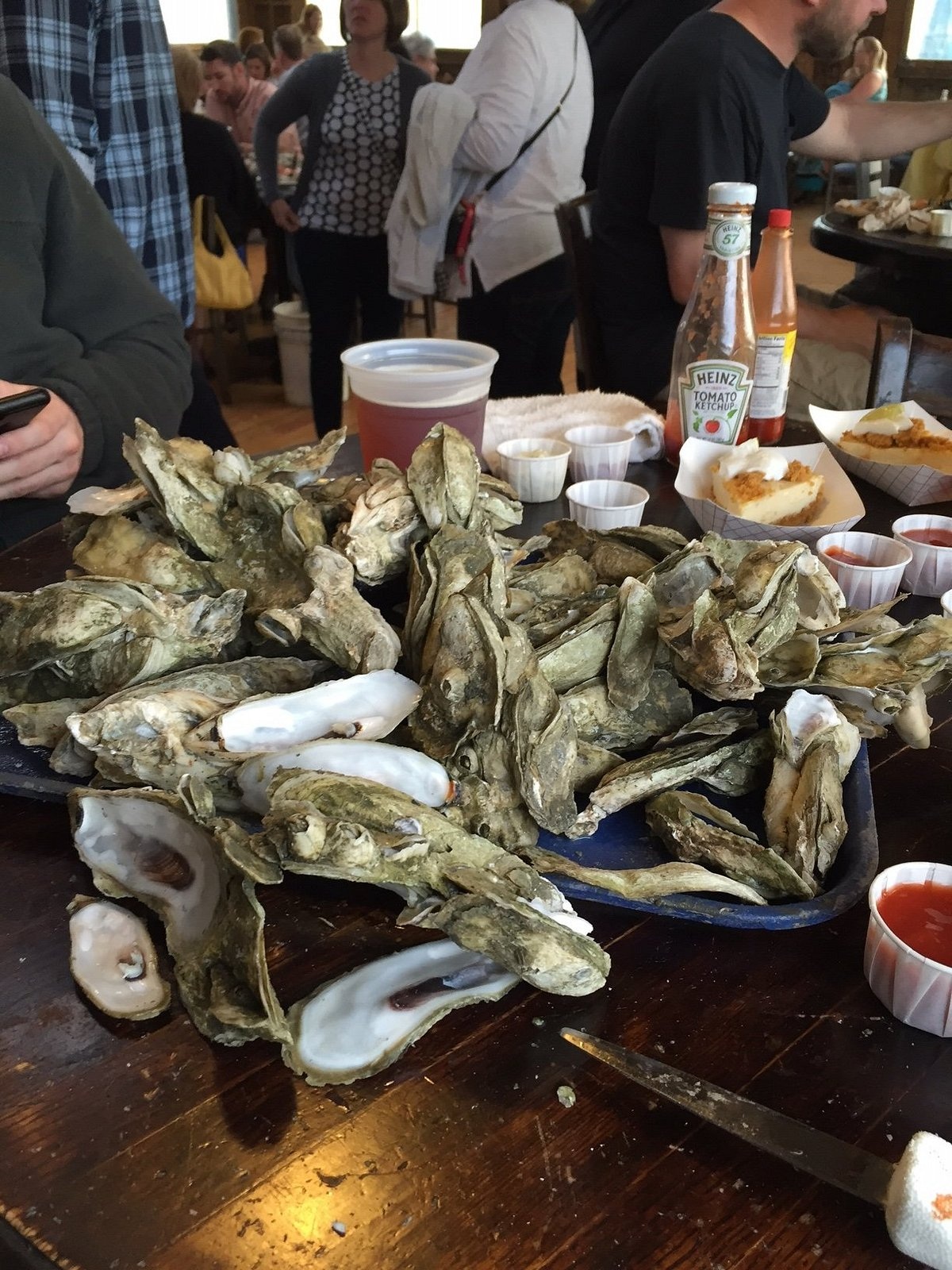
An oyster meal can take longer than a neatly plated seafood entrée. Opening shells, passing food, and eating at the table are part of the experience. Plan enough time to enjoy that pace, and ask how the oysters are sold and what equipment the restaurant provides before ordering for a group.
Bowens Island says its steamed oysters begin at 4 p.m. Its menu describes local wild clustered oysters as seasonal, generally September through the first half of May, while farmed raw half-shell oysters are listed year-round. Those are different offerings: a summer oyster listing does not mean the seasonal steamed clusters are available. The restaurant currently lists service Tuesday through Saturday. Check both the day and oyster availability before driving out; arriving at lunchtime will not move the steamed-oyster service earlier.
7. Fried whiting: build a fish-and-sides plate
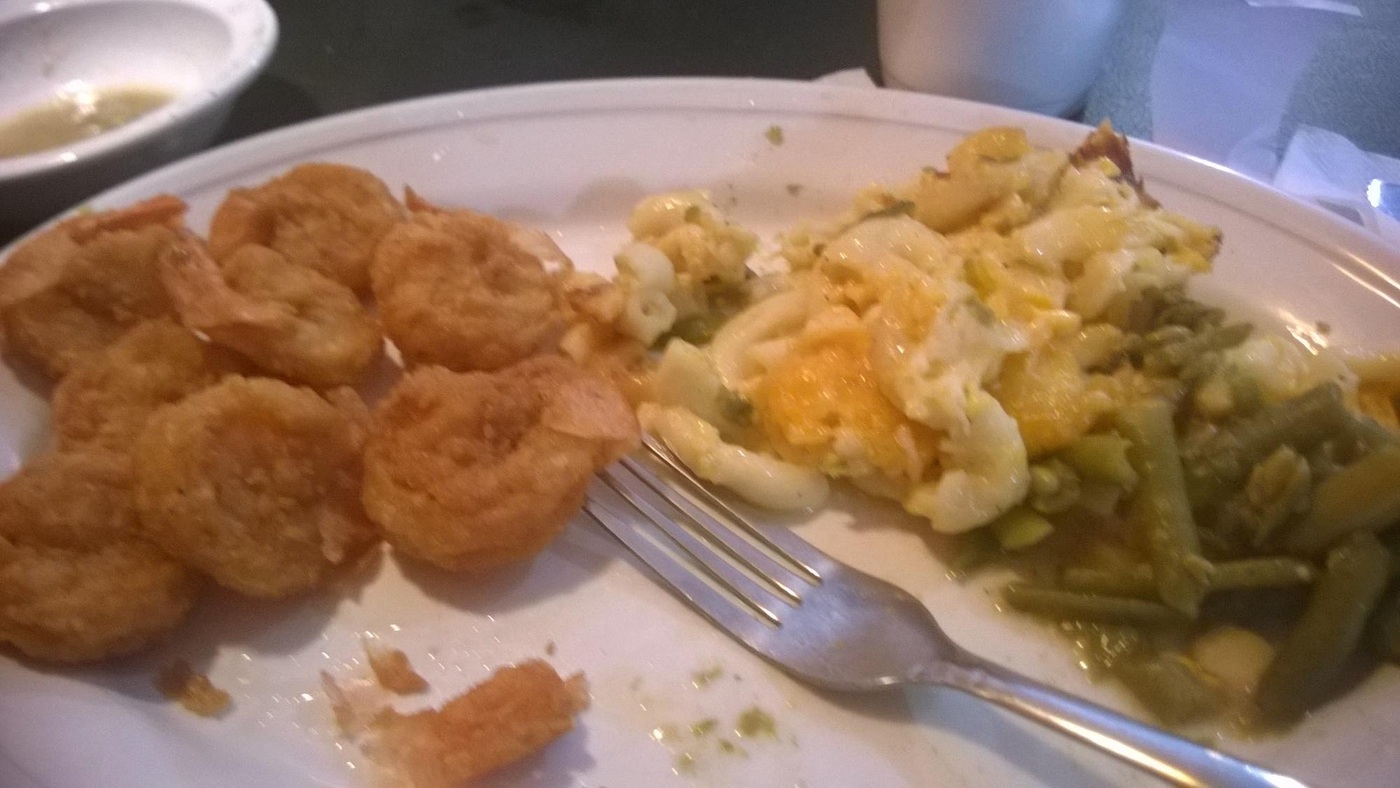
A fish meal gives you a straightforward way to try a main dish and two vegetable or rice preparations together. Whiting is one option to look for on the current menu, rather than using “fried fish” as if it always describes the same species. Ask about bones and the exact preparation if either affects how comfortably you can eat it.
Hannibal’s whiting-fillet meal is listed at $15 with two sides, with a choice of fried or grilled preparation. Red rice and collards would cover three items from this guide in a single order; choose according to your dietary needs rather than automatically collecting the combination. If crispness is your priority, eat the fried order promptly instead of carrying it through a long afternoon of sightseeing. The image is an earlier fried-seafood meal at the restaurant and is not presented as a verified photograph of its current whiting dish.
8. Okra soup: leave room for the vegetables
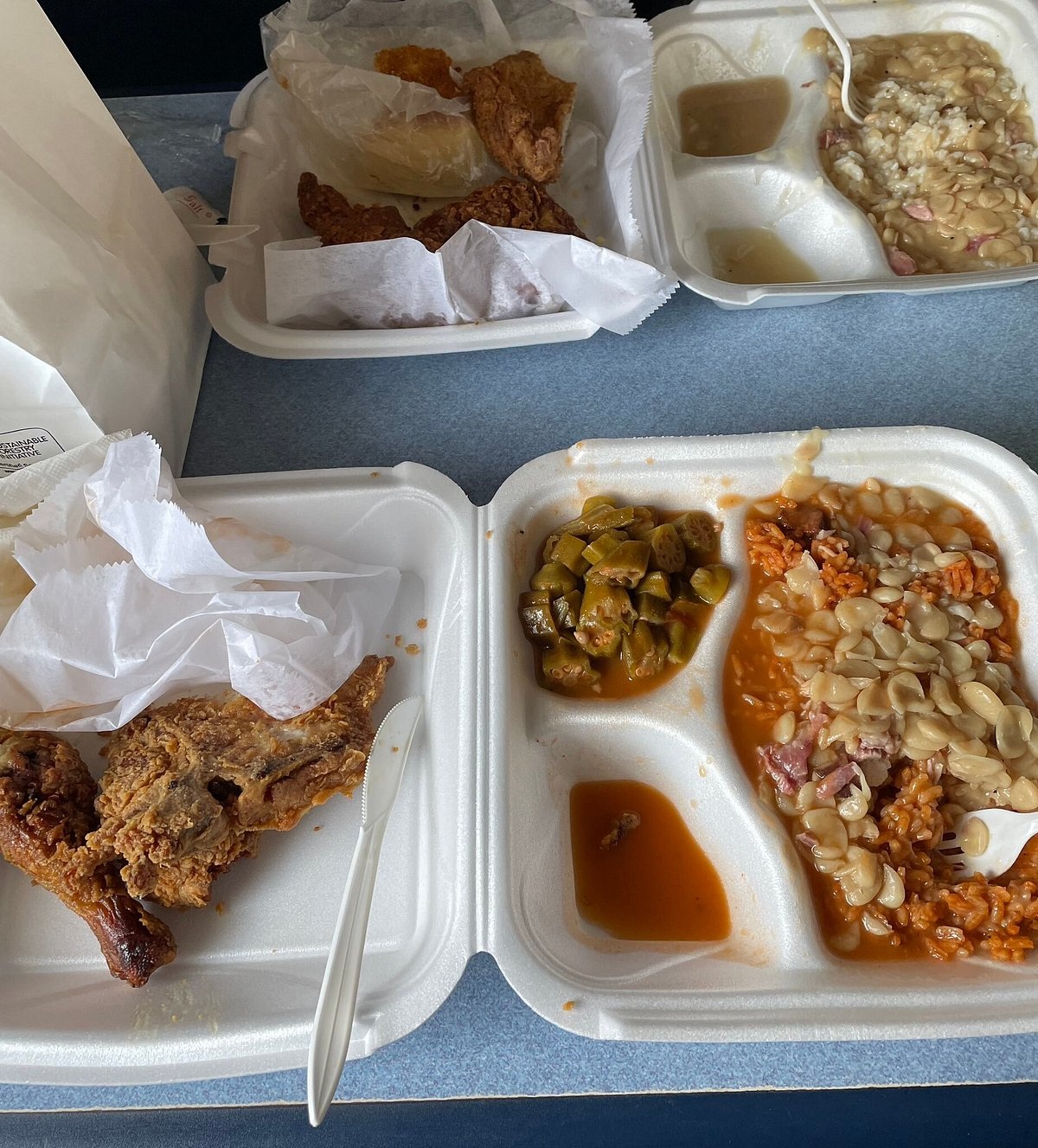
Okra soup brings a different texture and tomato flavor to a trip dominated by fried seafood. Expect a stew-like dish, not a clear broth with a few vegetables floating in it. Rice makes a useful accompaniment, but you may prefer a smaller helping if you are ordering several sides.
North Charleston’s tourism office specifically recommends the okra soup at Bertha’s Kitchen on Meeting Street Road. This is a separate North Charleston stop, not a quick detour on a walking route around City Market. Call ahead to check current service and availability. Vegetable names do not establish a vegetarian recipe: ask about the broth and meat seasoning before ordering. A takeaway order can work well when you are heading through the area, but plan where you will actually sit and eat hot food instead of assuming every sightseeing stop has a suitable picnic space.
9. Collard greens: ask what goes into the pot
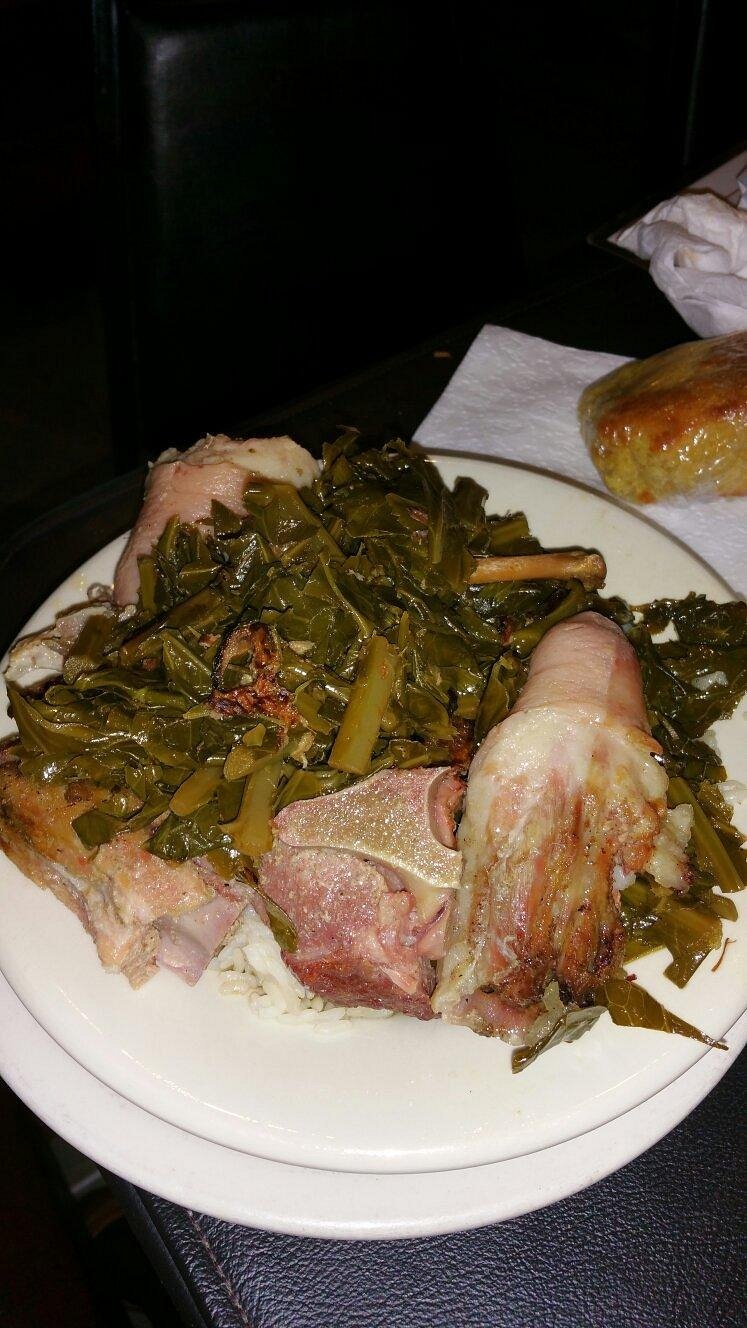
Collards offer a welcome change from another fried appetizer, with their soft leaves and savory cooking liquid. They can still be a substantial dish. If you are curious about traditional sides, taste them alongside rice so the meal includes more than a succession of creamy or battered foods.
The current Hannibal’s menu lists its $4 collard-green side with smoked turkey. Its separate collard-green plate names neckbones and pigtails. These are materially different orders, so point to the item you want and explain any restrictions. The older photograph shows a meat-heavy collard plate, not the current turkey-seasoned side. For someone avoiding animal ingredients, asking for “just the greens” is not enough if the greens have already cooked with meat. Choose another verified preparation instead of expecting the kitchen to remove a seasoning after cooking.
10. Fried green tomatoes: check the toppings
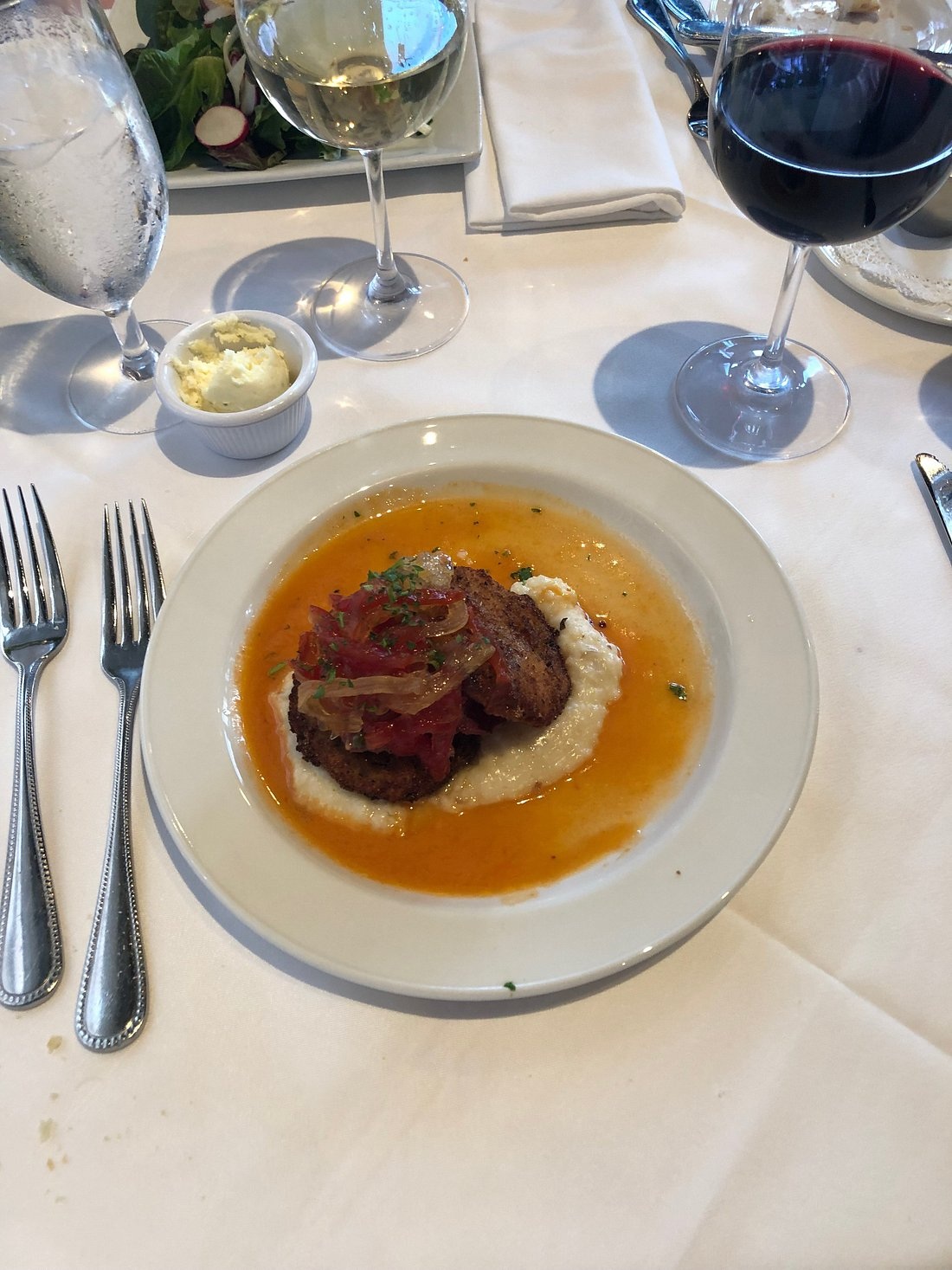
Fried green tomatoes give you tangy tomato beneath a crisp coating, making them a good contrast to creamy grits or a cheese spread. They are also easy to underestimate as a starter: a dish with grits, sauce, and meat garnish can be closer to a small meal than a light vegetable snack.
At Magnolias, the checked lunch version costs $17 and comes with white-cheddar and caramelized-onion grits, country ham, tomato chutney, and tomato butter. That particular appetizer is not vegetarian. A separately listed vegetarian entrée uses fried green tomatoes differently, so order by the full menu description rather than by the shared ingredient. If your group wants both pimento cheese and tomatoes, consider sharing starters and choosing a smaller main; the repeated grits, cheese, and fried elements add up quickly.
11. Pimento cheese: an easy shared taste
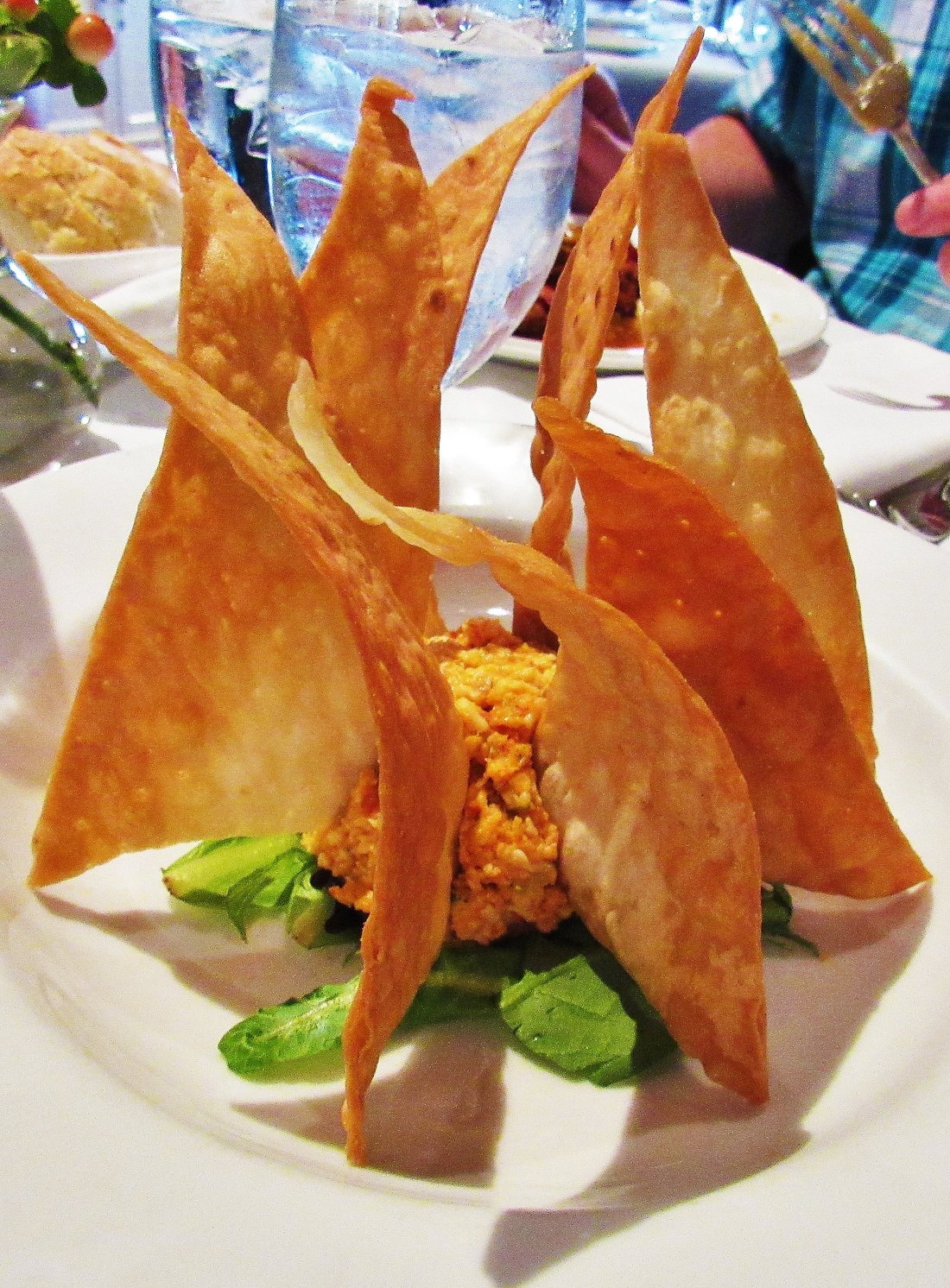
Pimento cheese works well when you want something snack-sized to share rather than another seafood course. The cheese spread and its pepper flavor can be quite filling, particularly with a generous bread or cracker accompaniment. Let it replace another starter instead of adding it automatically to an already large meal.
Magnolias’ housemade pimento cheese is listed with Charleston flatbread at $12 on the checked lunch menu. The photograph shows an earlier presentation with the restaurant’s flatbread. This is an uncomplicated way for a table to try a Southern staple while keeping the main-course decisions separate. It is also a reminder to look beyond seafood allergies: cheese introduces dairy, and the bread accompaniment needs its own ingredient check. Ask whether a suitable alternative is available before deciding that a spread alone solves a dietary restriction.
12. Boiled peanuts: expect a soft, salty snack
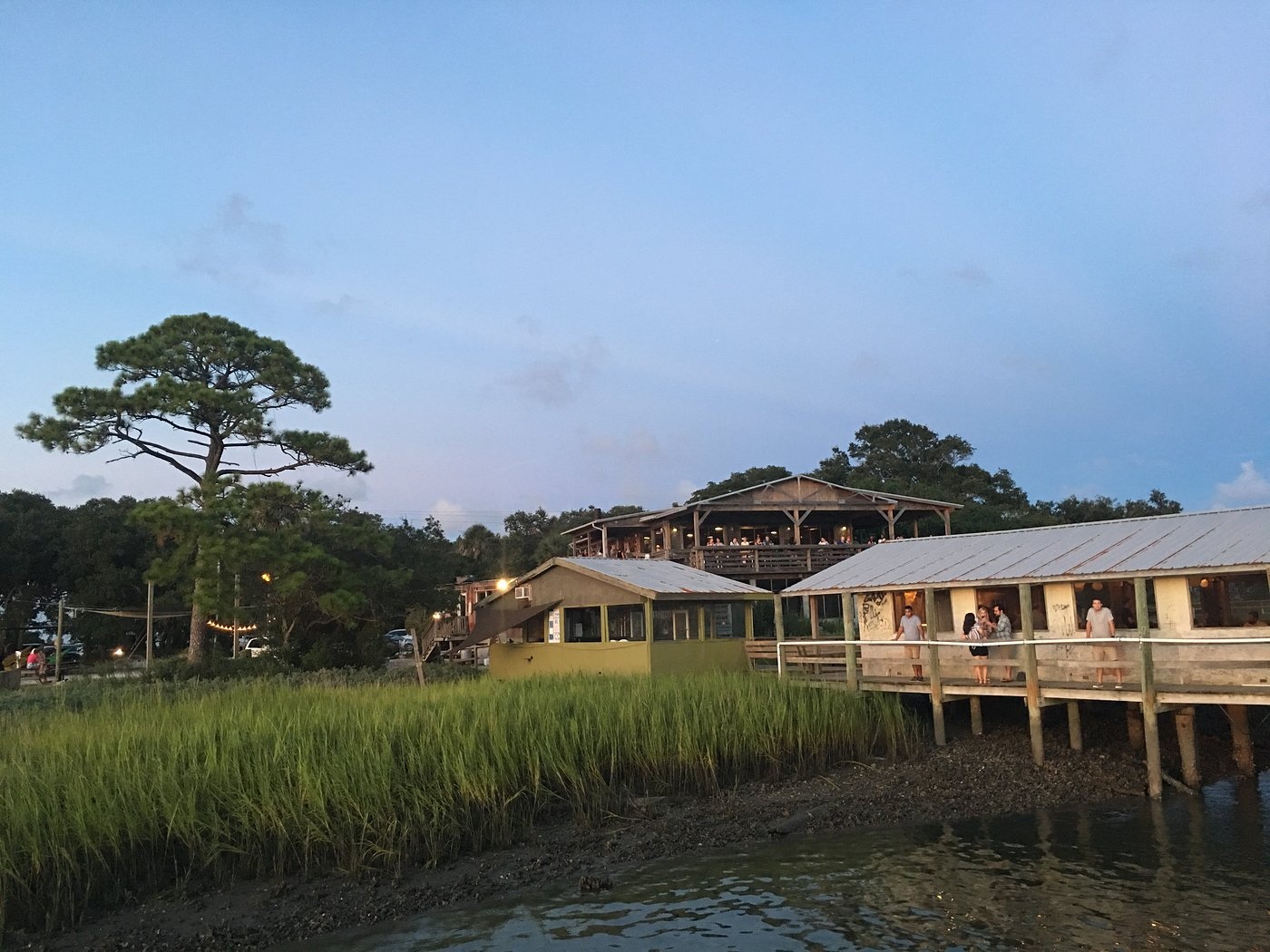
Boiled peanuts are a different experience from crunchy roasted peanuts. The shells are opened to reach soft nuts, and eating them is slower and messier than tipping a packet into your hand. Try a small order if you are curious about the texture rather than buying a large quantity before you know you enjoy it.
Bowens Island lists boiled peanuts among its appetizers, making them an option during a meal you have already planned near Folly Beach. The accompanying photo shows the restaurant from its pier. Ask what size the order is and whether the preparation has additional seasoning. Peanuts are a sensible snack for people who can eat them, but an especially poor communal choice when someone at the table has a peanut allergy. Keep that decision with your group rather than assuming a local specialty suits everyone.
13. Hushpuppies: order a side while it is hot
Hushpuppies bring a crisp fried exterior and a softer cornmeal center to a seafood meal. They are best approached as a shared side when the rest of your order is already substantial. A basket can disappear quickly, but it does not have to become the thing that leaves no room for fish or oysters.
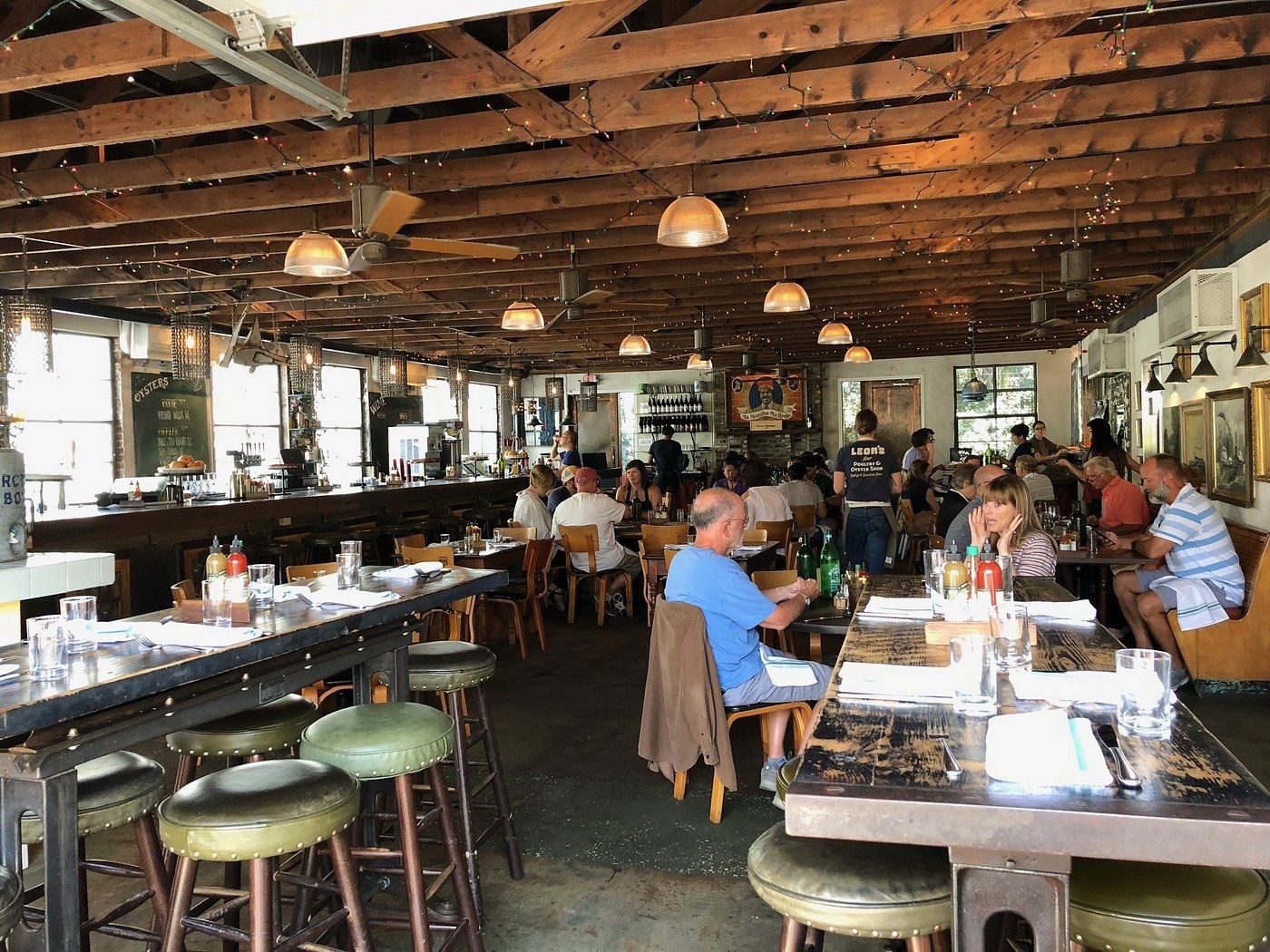
Leon’s Oyster Shop on King Street lists hushpuppies with honey butter for $7 on its October 15, 2026 menu. The restaurant’s checked hours are 11 a.m. to 10 p.m. daily, with the full menu throughout service. Its reservation policy is aimed at parties of six to twelve, with considerable space held for walk-ins; a couple should check that policy rather than assume every table is reservable. This Upper King-area meal belongs in a different outing from the compact East Bay–Queen Street cluster. The photograph shows Leon’s dining room.
14. Benne wafers: a useful edible souvenir
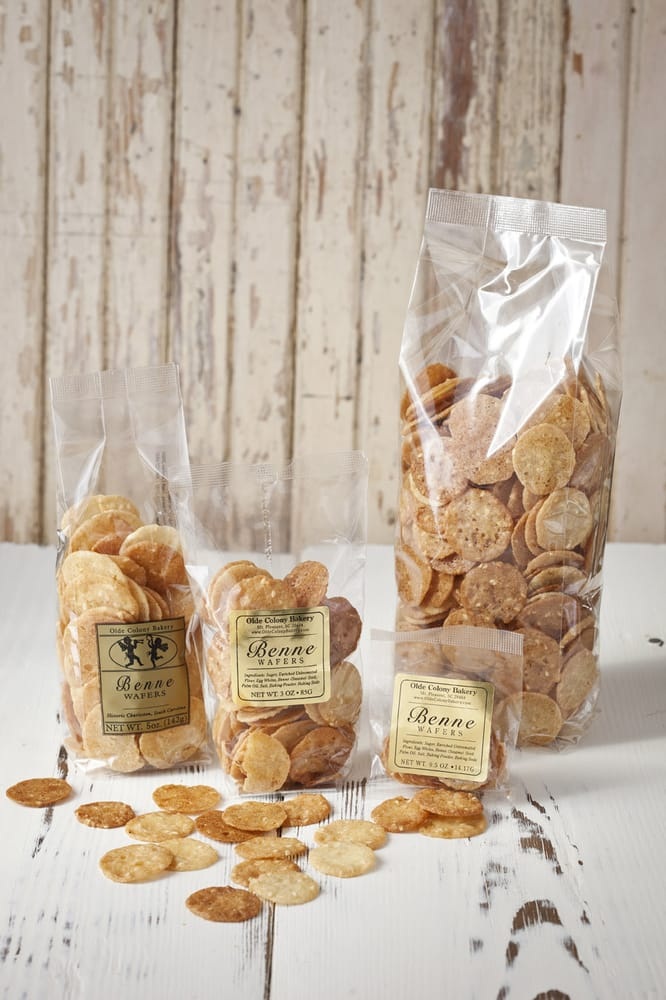
These thin sesame cookies let you try something sweet without committing to another plated dessert. Their nutty, sweet-and-salty character is different from coconut cake, and a bag is easier to share gradually over the rest of a trip. Handle it gently if you are carrying it around all day: delicate wafers are less forgiving of a tightly packed sightseeing bag than a sturdy loaf.
Olde Colony Bakery specializes in Charleston benne wafers and lists its bakery at 519 Wando Lane in Mount Pleasant. Plan that stop on the Mount Pleasant side of your itinerary, and check shop hours before crossing town for it. The bakery explicitly notes sesame and tree nuts in its facility information. Benne wafers contain sesame; do not describe them as an allergy-friendly alternative simply because they are small cookies. Packaged products can be easier to bring home, but read their actual storage instructions.
15. Coconut cake: check the right place for a slice
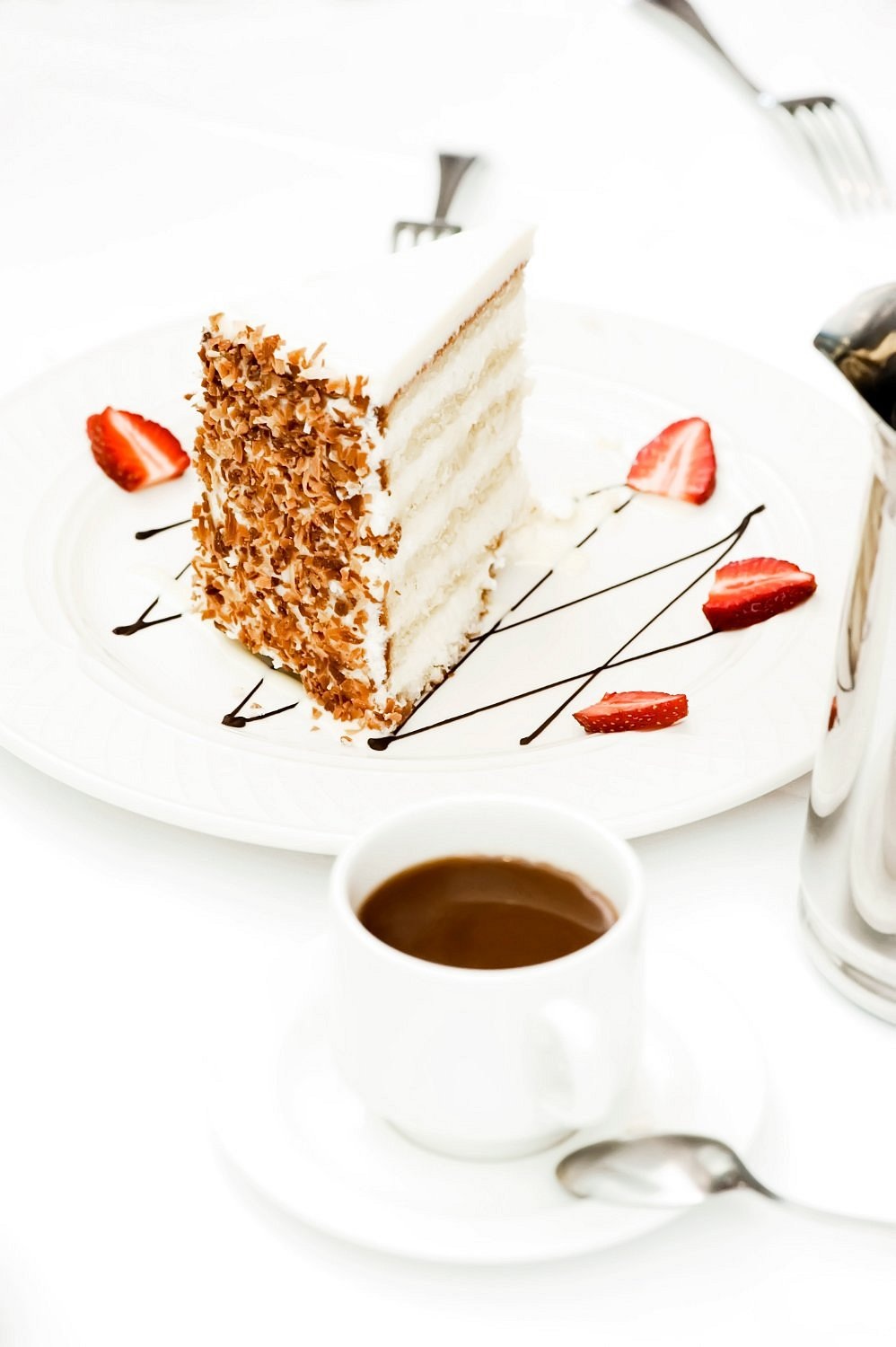
A layered coconut cake is a good reason to leave space after dinner, although sharing a slice may make more sense than ordering one per person. The coconut, filling, and frosting make it a much richer finish than a handful of benne wafers.
Peninsula Grill’s Ultimate Coconut Cake is the well-known 12-layer version. At the October 2026 check, Peninsula Grill itself said it was temporarily closed for renovation. Its neighboring café, Benne’s, advertises slices of that same cake at 112 North Market Street. Check Benne’s directly for availability before making it your final stop. The whole-cake product page also offers local pickup by telephone; that is a separate arrangement, not evidence that you can walk into the closed dining room. There is no need to buy a whole cake just to taste this dessert.
Two food experiences worth considering
A downtown tasting walk
The Downtown Charleston Food Tour on Expedia is operated by Charleston Culinary Tours and describes four food establishments over about 2½ hours around the French Quarter and City Market. It can replace a lunch and several separate decisions, rather than being squeezed in immediately after a large meal. The advertised tastings vary; do not book expecting every restaurant or all 15 foods above.
Read the specific departure’s conditions. The checked listing asks for dietary requests at least 36 hours ahead and says vegan, dairy/lactose, and soy restrictions cannot be adequately accommodated. Its itinerary text contains a shorter notice period, so use the stricter 36-hour requirement and confirm directly. The selected ticket’s terms also matter more than a generic cancellation badge.
Check the Downtown Charleston Food Tour
A chef-led history walk and lunch
Undiscovered Charleston on Viator combines a historical walk with chef Forrest Parker’s cooking demonstration and a wine-paired lunch, with an advertised duration of about four hours. Choose it if understanding ingredients and preparation interests you more than visiting a sequence of restaurant counters. It is a demonstration and meal, so do not assume you will have an individual cooking station.
The checked listing says it is not wheelchair accessible and gives age conditions tied to the wine experience. Discuss dietary requirements and access needs with the operator before paying. Menus can change, so the value is the guided culinary experience rather than a guarantee of a particular dish in this list.
Explore the Chef-Led Charleston Food Experience
Choose by the kind of meal you want
| Your priority | A useful starting order | Check first |
|---|---|---|
| A smaller introduction | She-crab soup cup or half shrimp-and-grits portion | The meal period and current portion options |
| Rice and Gullah Geechee foodways | Crab rice, with red rice to compare | Meat seasoning and whether you ordered a meal or the rice alone |
| A coastal seafood outing | Frogmore stew or seasonal steamed oysters | Oyster availability, 4 p.m. service, and transport |
| Something sweet without another full meal | Benne wafers or a shared coconut-cake slice | Bakery hours or café slice availability |
How to fit these foods into a Charleston trip
For a first downtown day: choose Magnolias or 82 Queen as your main meal, with one or two shared starters. Keep Benne’s coconut-cake slice for a later break near City Market. Booking both a substantial tasting tour and a large lunch is usually more scheduling than your appetite needs.
For an Eastside or Upper King outing: make Hannibal’s your fish-and-rice meal, or choose Leon’s for hushpuppies alongside the rest of its menu. These are separate restaurant decisions; you do not have to eat full lunches at both to have explored Charleston food properly.
For trips beyond the downtown core: pair Bowens Island with time near Folly Beach, and check its 4 p.m. steamed-oyster start. Bertha’s belongs in a North Charleston plan. Olde Colony Bakery is in Mount Pleasant. Map those three directions before arranging transport, rather than treating them as neighboring stops.
With only one day, choose one main meal, a smaller snack, and dessert. With two or three days, alternate rich seafood dishes with a rice-and-vegetable plate and leave some meals unbooked. Published menu prices here are examples from the checked menus, not a final bill including tax, gratuity, drinks, or other charges.
Questions to ask before ordering
Can I eat Lowcountry food without shellfish? There are possibilities, including fish, vegetable preparations, cheese, and sweets, but the kitchen must confirm ingredients and preparation arrangements. A dish name alone cannot establish suitability. Our guide to traveling with food allergies can help you organize those conversations before your trip.
Are the vegetable sides vegetarian? Often the crucial question is the cooking liquid. The checked menus include turkey in collards, beef sausage in red rice, chicken broth in okra soup, and ham on a fried-green-tomato appetizer. Ask about the exact item rather than asking whether the restaurant “has vegetables.”
Do I need dinner reservations everywhere? No single rule covers these places. A downtown courtyard meal, a walk-in restaurant, a counter-service lunch, and a scheduled food tour have different arrangements. Confirm each directly, especially for a larger party or a meal you would be disappointed to miss.
What should I bring home? Packaged benne wafers are a practical starting point if their ingredients suit your household. Buy hot dishes for a meal you can eat promptly; a day of sightseeing is a poor storage plan for a seafood takeaway. For cake, distinguish a café slice from a prearranged whole-cake pickup before placing an order.