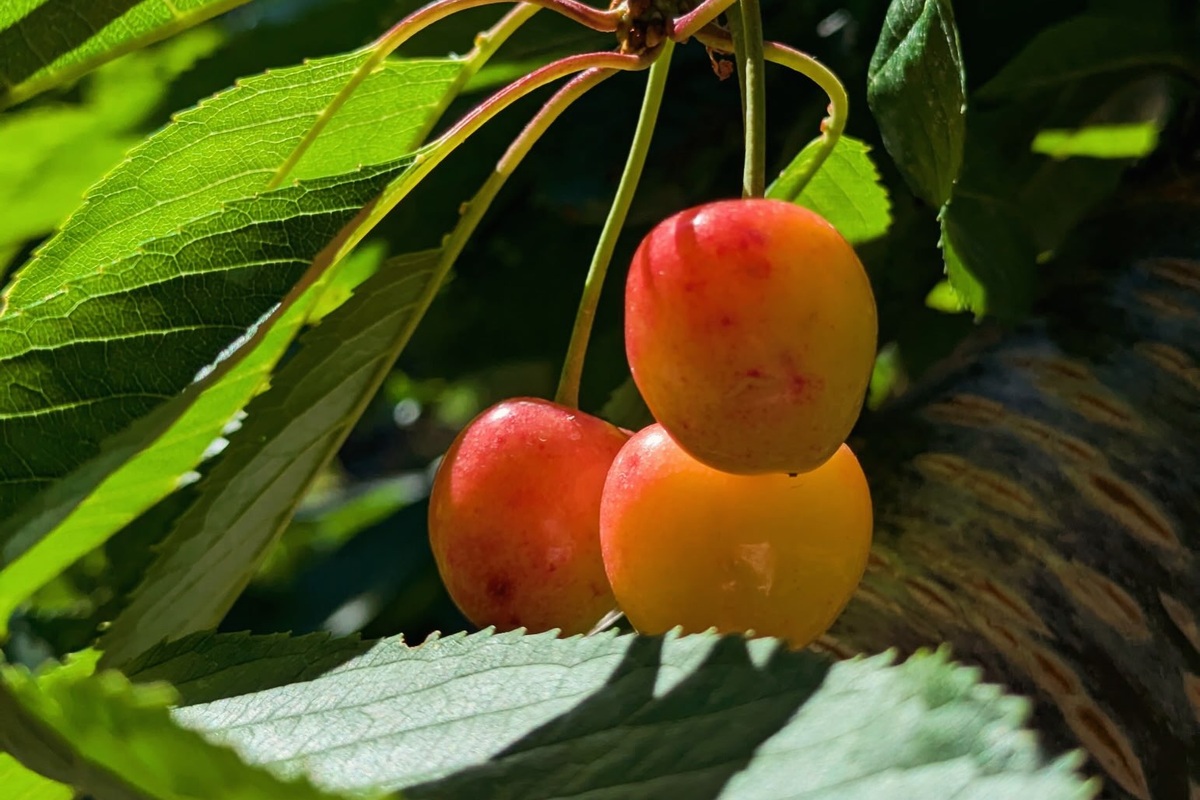
Featured image: Rainier cherries at Third Coast Fruit Co. | Image credit: @cherryupick / Instagram
A Michigan cherry-picking trip works best when you plan around a ripe crop, a manageable drive, and a cooler with room to spare. The tricky part is that “cherry season” can describe several weeks across the state, while the orchard you choose might have good picking for only a few days.
July is a useful starting point for summer planning, especially around Traverse City, but it is not a reservation with nature. Decide whether you want sweet cherries to eat or tart cherries for baking, choose one region, and confirm the actual picking conditions before you leave.
Season note: Checked October 19, 2026. Summer cherry picking has ended at the orchards whose seasonal updates are discussed below. The 2026 dates and prices are historical examples; they are not confirmed 2027 offers. Check each grower’s new-season announcement before booking a trip.
1. Use July as a starting point, then follow the orchard’s crop update
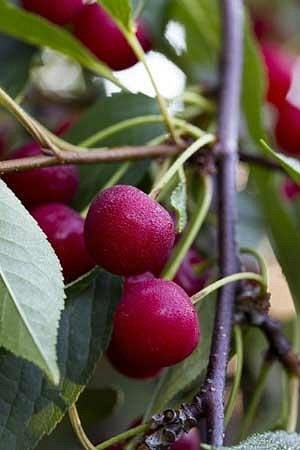
For a first Michigan cherry-picking getaway, look at July dates before searching for a particular weekend. King Orchards’ seasonal guide, for example, describes sweet-cherry picking as beginning around July 4 and lasting approximately three weeks. That is a planning window, not a promise that every variety will be available throughout it.
A single farm’s window can be much shorter. North Star Organics’ 2026 crop update shortened its sweet-cherry U-pick season to July 18–21 and said no tart cherries were available for U-pick that year. That is why an old list saying a farm “has cherries in July” cannot confirm your visit.
Choose flexible arrangements where possible, then check again shortly before departure and on the morning you intend to pick. If you must travel on fixed dates, build a trip you would still enjoy if you buy pre-picked fruit instead.
2. Pick one region instead of chasing orchards across Michigan

Traverse City is an obvious base, but Michigan cherry picking is not limited to that area. A southwest Michigan weekend or a shorter southeast Michigan outing may suit your starting point better. Choose your base first, then an orchard in that region; a long statewide checklist is less useful than one confirmed stop.
These are places to investigate for their next cherry season, not a list of farms open for cherries today:
| Area and orchard | Where to go | Useful distinction |
|---|---|---|
| Old Mission Peninsula: Third Coast Fruit Co. | 555 Wilson Road, Traverse City | Dark sweets, light sweets, and tart cherries; ask which rows are ready. |
| Central Lake / Kewadin: King Orchards | M-88 home farm: 4620 N. M-88, Central Lake; US-31 market: 986 US-31 South, Kewadin | Two sites: confirm the fruit and picking location rather than navigating to the nearest market. |
| Williamsburg: Rennie Orchards | 11221 Munro Road, Williamsburg | Offers U-pick cherries; its hayrides and other fall attractions have a different season. |
| Frankfort: North Star Organics | 1139 Forrester Road, Frankfort | A certified-organic option; the grower’s crop notice determines what is actually available. |
| Southwest Michigan: Crane Orchards | 6080 124th Avenue, Fennville | Cherry U-pick is separate from the neighboring Pie Pantry restaurant business. |
| Southeast Michigan: Wasem Fruit Farm | 6580 Judd Road, Milan | Lists pick-your-own tart cherries; do not use its fall opening calendar as a cherry schedule. |
For a relaxed outing, choose one main orchard and keep one nearby alternative in mind. Save the precise entrance in your map app before setting off. An orchard’s mailing address, farm shop, and seasonal picking entrance are not automatically interchangeable.
3. Choose sweet or tart cherries before choosing your farm
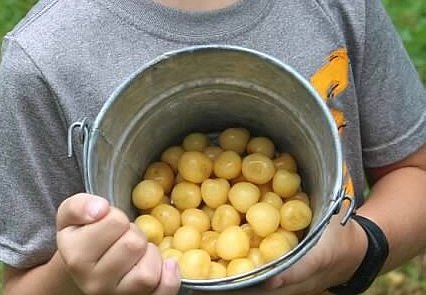
If you picture eating fresh cherries during your getaway, ask about sweet varieties. If your goal is pie, a crumble, or a batch for the freezer, ask specifically about tart cherries and use a recipe written for that fruit. Swapping one type for the other can change the balance of a dish.
Color needs a little care, too. A ripe cherry does not always mean a nearly black cherry. Crane’s variety list includes dark sweet cherries as well as Rainier cherries, which are yellow and red. Ask staff what ripeness looks like in the variety you are picking; otherwise, you could walk past perfectly good light-colored fruit.
Make your question precise: “Do you have tart cherries for visitors to pick today?” is more useful than “Do you have cherries?” The latter might mean bagged sweets in the shop. If you want organic fruit, ask about certification rather than assuming that “local” or “U-pick” means organic.
4. Confirm the details that could change your visit
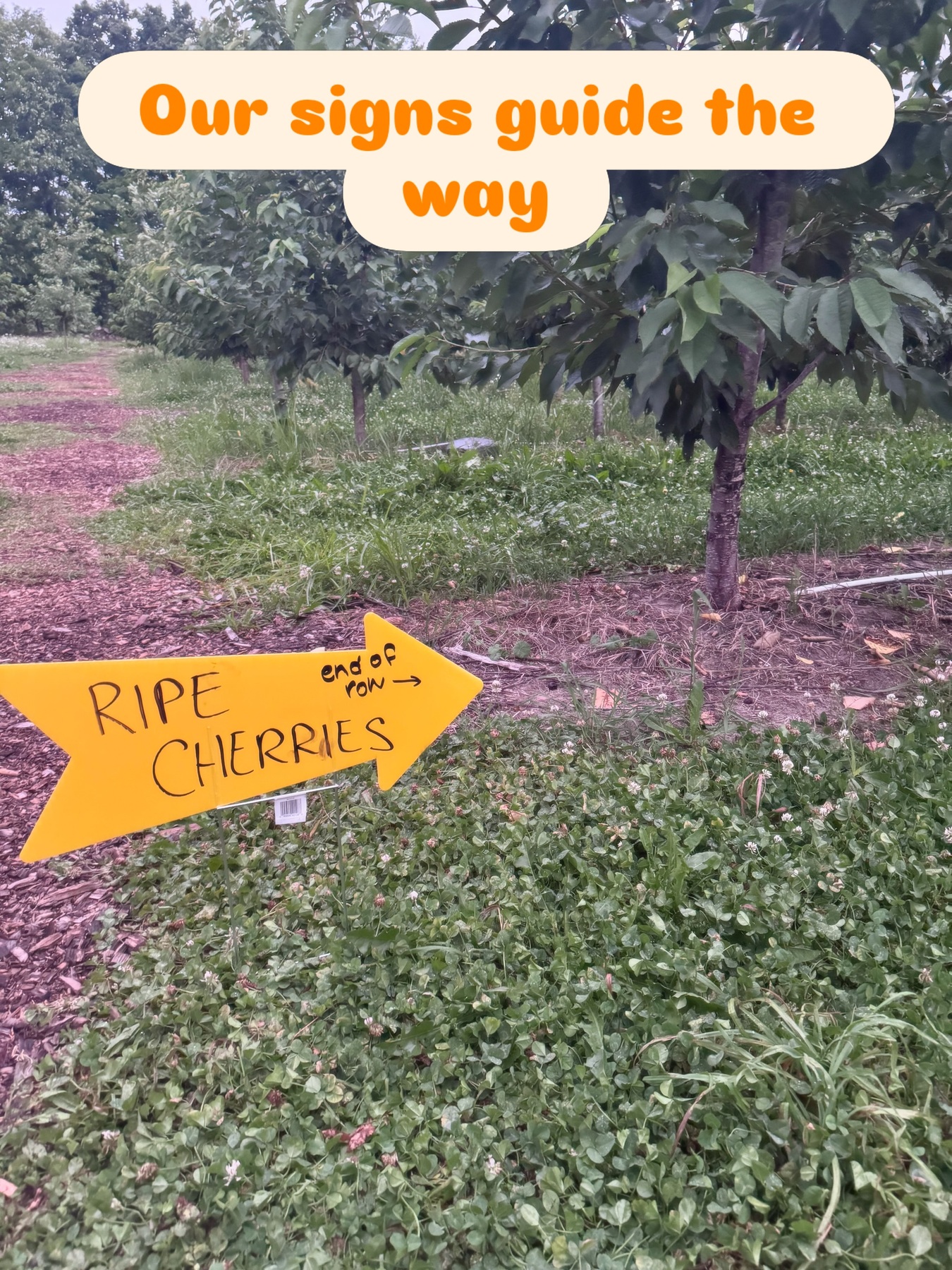
Before you drive, check the orchard’s own website or recent social post, then call if anything important remains unclear. Look for the date and year of the update. Search results can display a summer schedule even when the farm’s homepage has moved on to apples.
Ask which cherry varieties are open, whether picking has finished for the day, the last check-in time, and whether storms or field conditions have changed access. Confirm any reservation requirement, minimum purchase, container rule, payment restriction, and pet policy that affects your group.
Policies differ. Third Coast Fruit Co.’s FAQ currently says reservations are unnecessary, but that does not establish a rule for every farm. If your schedule depends on a specific service, such as pitting a large tart-cherry purchase, confirm that separately before picking.
5. Check in before taking a bucket into the trees
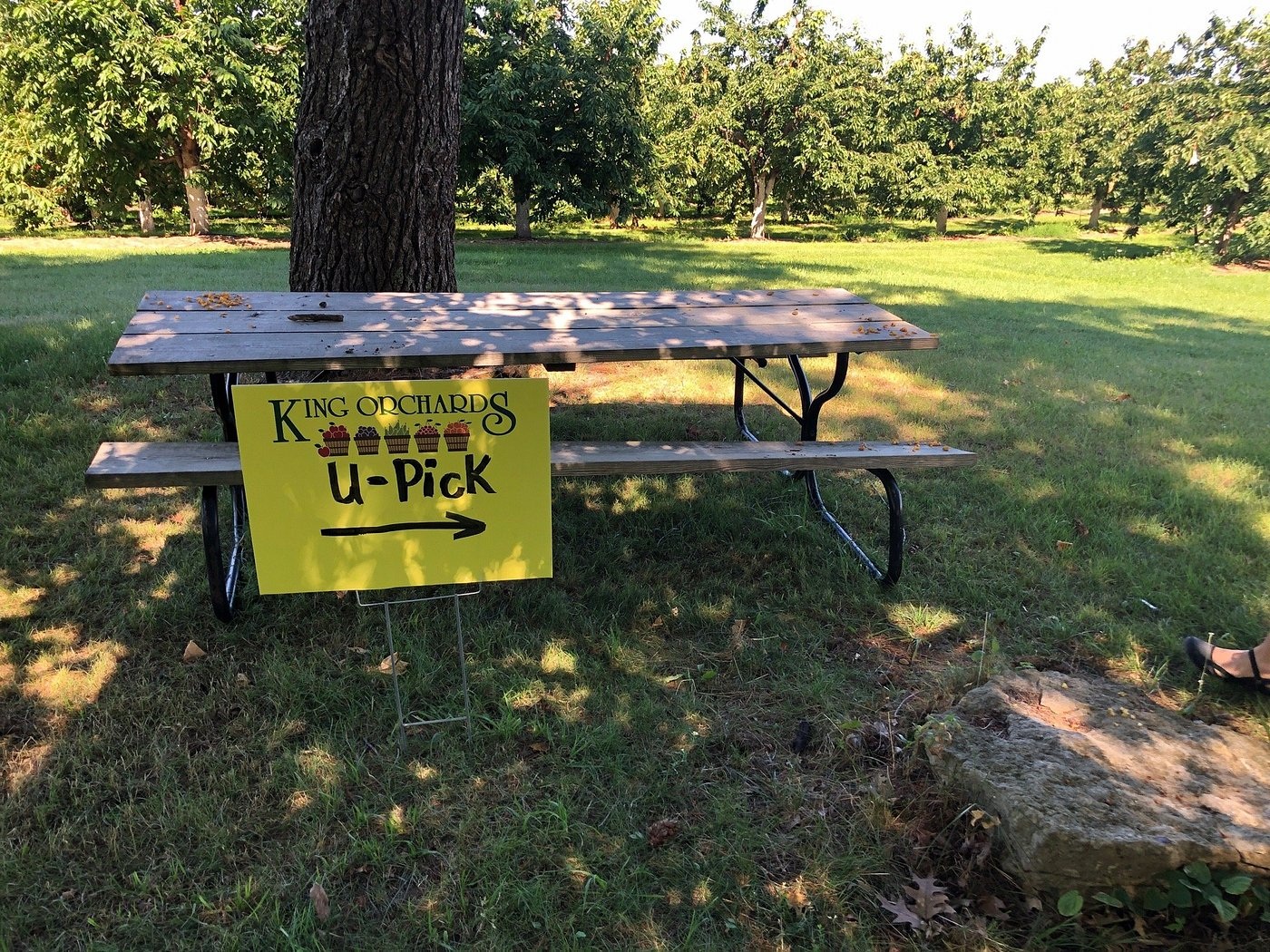
Go to the farm’s check-in point first, even when the ripe fruit looks close to the parking area. Staff can identify the open rows, explain how payment works, and keep you out of working areas.
King Orchards’ instructions tell visitors to check in at the market and prepay for a container. Elsewhere, a farm may weigh what you picked afterward. At Crane Orchards, visitors bringing their own basket or box should have it weighed before picking so the container’s weight can be accounted for.
Ask whether the farm supplies containers for both picking and taking fruit home. A bucket you carry through the orchard may need to stay there. Bring a clean, sturdy container as a backup, but let staff approve it before filling it.
6. Set a fruit budget before everyone starts filling containers
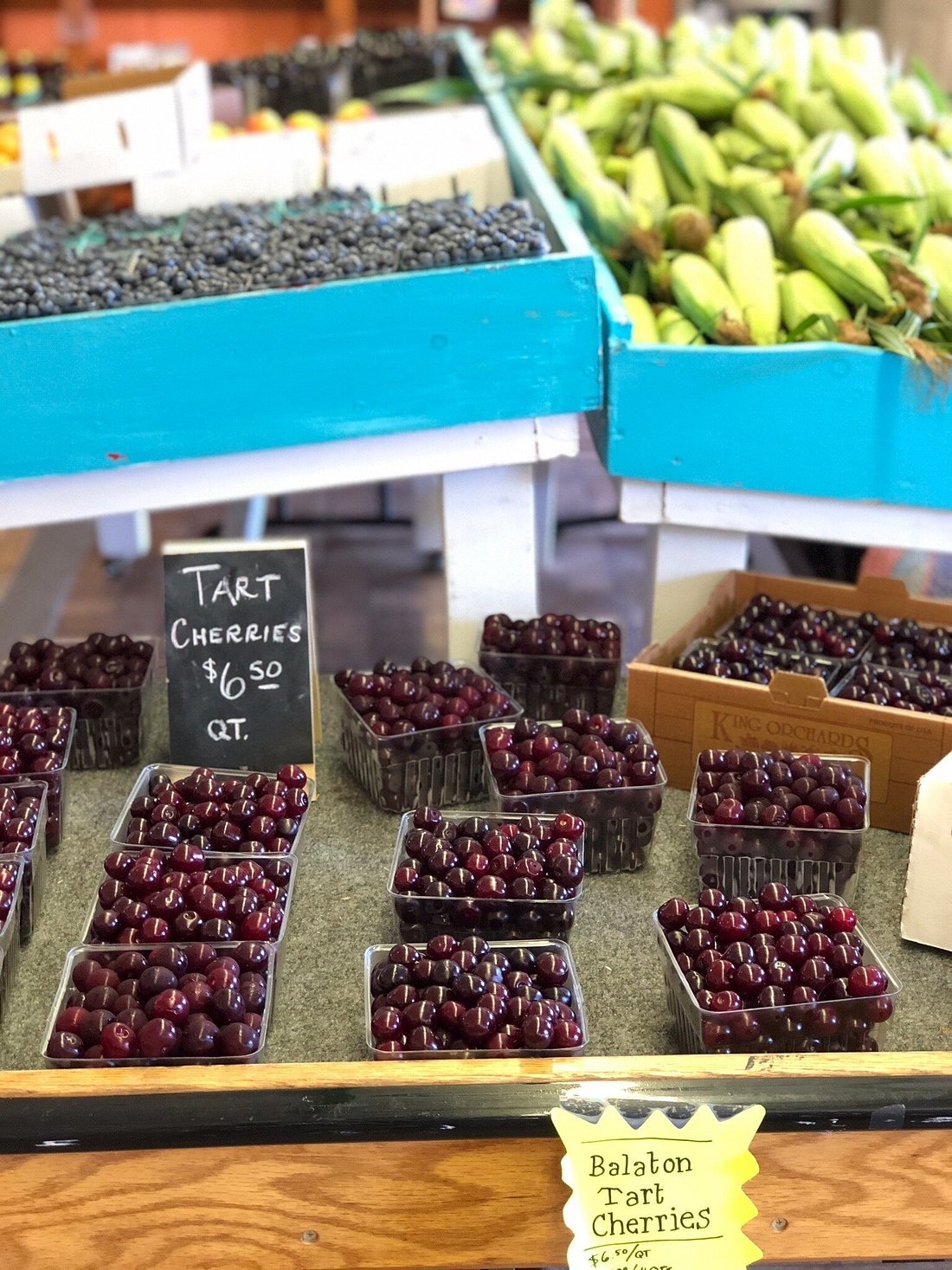
A small bucket can feel like an activity ticket, but at a farm charging by weight, the bill depends on how much you pick. Agree on a household quantity and share containers if the orchard allows it. This is particularly useful when several children each want to fill their own.
For a dated example, Third Coast’s posted 2026 price was $6.50 per pound. At that rate, four pounds would cost $26 and eight pounds would cost $52, before any applicable fees. Its FAQ also listed a credit-card threshold and processing fee. Check the next season’s price and payment terms rather than carrying those figures forward.
Do not compare a price per quart directly with a price per pound: one measures volume and the other weight. Ask what you will actually be charged, whether a container costs extra, and whether there is an admission fee. Keep a little of the budget for the farm shop instead of accidentally spending it all on fruit you cannot finish.
7. Plan for the people doing the picking
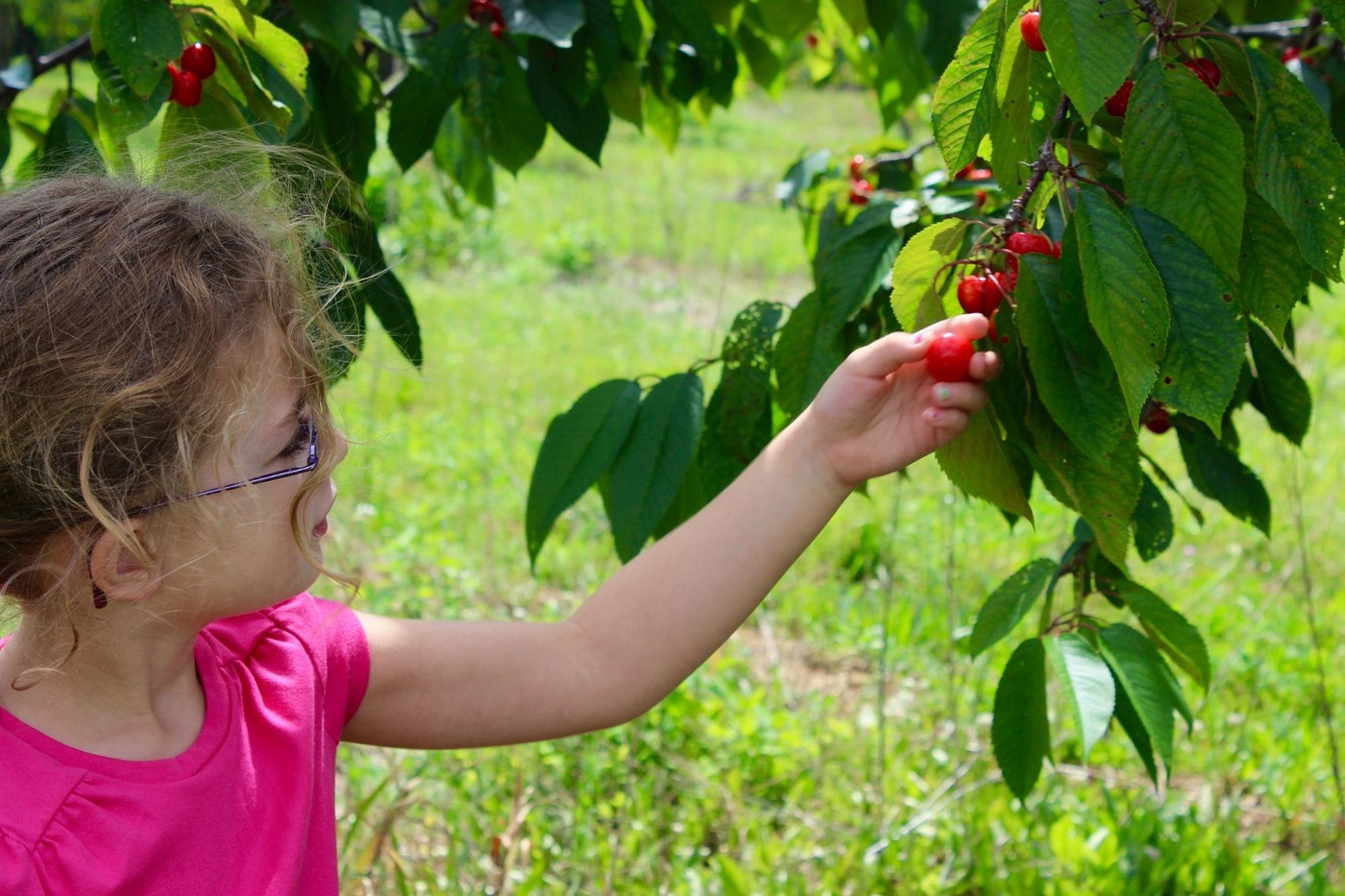
For a family’s first outing, start with a short picking session and leave time for check-in and checkout. A practical allowance is roughly 60–90 minutes for the whole stop, but that is a suggested buffer, not a farm’s guaranteed visit duration. Heat, queues, walking distance, and your group’s pace can change it.
Bring drinking water, sun protection, comfortable closed-toe shoes, and a cooler. Pack a proper snack rather than relying on sampling to keep children happy; our road-trip snack ideas can help with the drive.
If mobility, a stroller, or reaching fruit is a concern, ask about the current rows’ distance, slope, ground surface, low branches, seating, and restrooms. “Family-friendly” does not answer those questions. Crane’s FAQ, for example, identifies portable toilets and allows visitors to bring their own child wagons or strollers, while its loan wagons are for produce. Also check pet rules before bringing a dog.
8. Let staff show you the picking technique
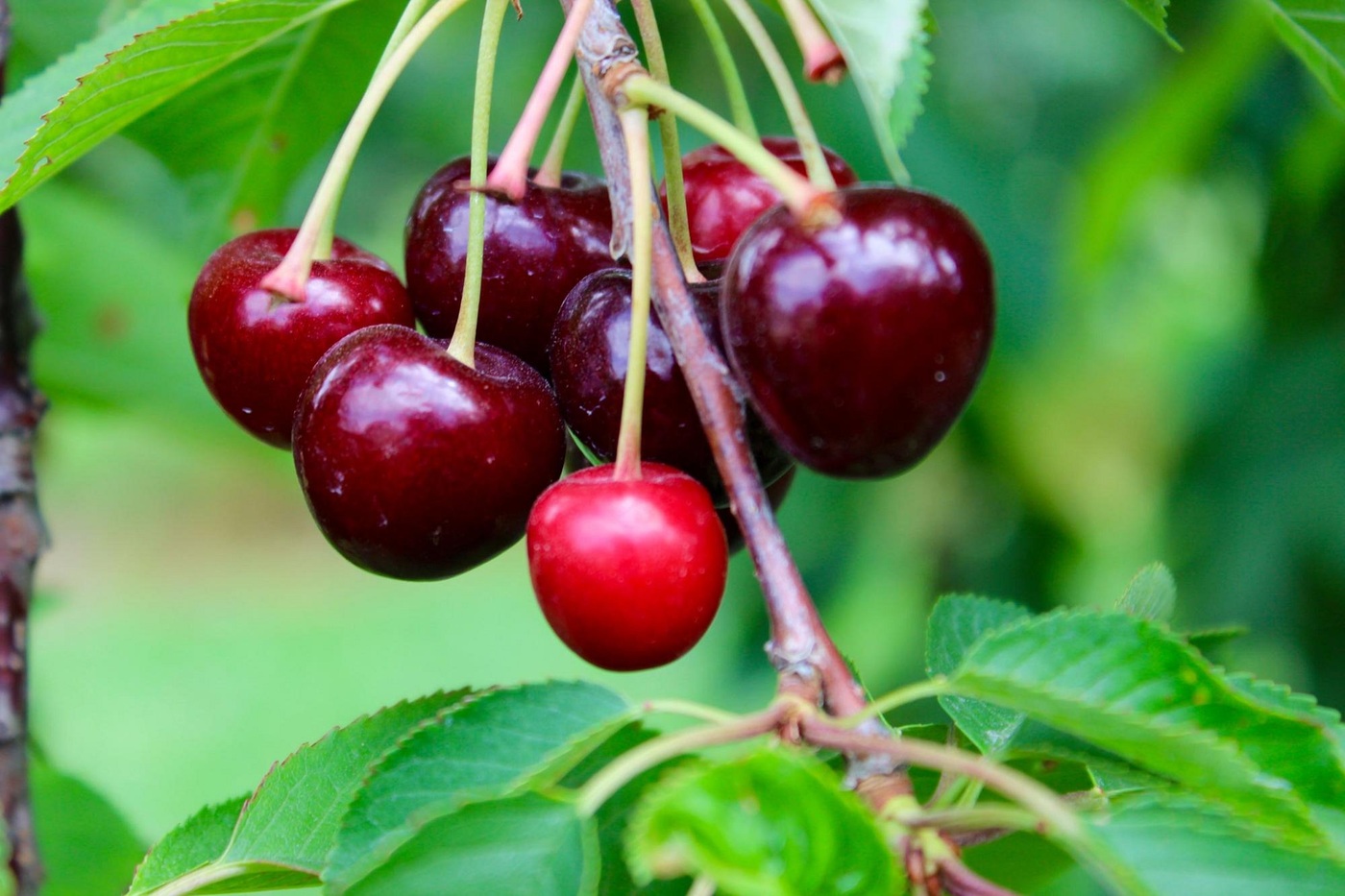
Ask for a quick demonstration in the actual rows you will use. Pick the fruit staff identify as ready, handle it gently, and follow their instructions about stems. Avoid tugging on whole clusters or bending branches toward you. Choose fruit you can reach comfortably and ask for help rather than climbing a tree or improvising a step stool.
Sampling is a farm-specific privilege. Ask first, and do not assume the admission or fruit price includes unlimited eating. Keep dropped or damaged fruit out of your clean harvest container, and avoid piling so much into it that the bottom layer gets crushed.
A morning visit can be more comfortable when the farm’s hours allow it. In Traverse City Tourism’s farmer interviews, Third Coast grower Isaiah Wunsch recommends morning picking for cooler conditions. Build the rest of the day around getting the fruit chilled, rather than leaving it in the car while you head to the beach.
9. Give your cherries a cool ride home
Put a cooler and ice packs in the car before leaving for the orchard. Keep the fruit protected from crushing and from loose meltwater; a clean container makes the transfer easier. A long, hot afternoon in a parked car is a poor follow-up to careful picking.
Michigan State University Extension’s cherry guidance advises refrigerating cherries at or below 41°F and washing them under cool running water, without soap. Keep them separate from raw-meat juices when packing a picnic or shared cooler.
For storage, MSU’s produce-storage guide recommends washing cherries immediately before use. Refrigerate your harvest promptly, then wash the portion you are about to eat or prepare. Check for damaged fruit when unpacking so it does not sit unnoticed beneath the good cherries.
10. Know what you will do with the fruit before picking extra
It is easy to collect a generous bag and underestimate the work waiting at home. Decide which cherries are for eating soon, which are for a particular recipe, and which you will pit and freeze. If your accommodation has only a small fridge and no freezer, buy accordingly.
MSU’s cherry guide gives an approximate yield of 1¾ cups of pitted cherries from one pound of unpitted fruit. That makes about 2⅓ pounds a starting estimate for a recipe calling for four cups pitted, before allowing for damaged fruit or variation in yield. Weighing your planned purchase is more reliable than guessing how much a decorative basket holds.
Make sure you have a pitter or another practical way to remove pits, suitable storage containers, and time to sort the harvest. Ask about any on-site pitting service before committing to a large quantity, including its hours, cost, minimum batch, and which cherries it accepts. A service mentioned in an old review may not operate on your visit day.
11. Leave room for a backup that still feels like a getaway

Give your orchard visit its own space in the day. Pair it with a nearby lunch or scenic stop after you have handled the fruit, rather than scheduling several distant farms back to back. If rain closes picking, call about pre-picked stock instead of assuming the entire farm business is closed.
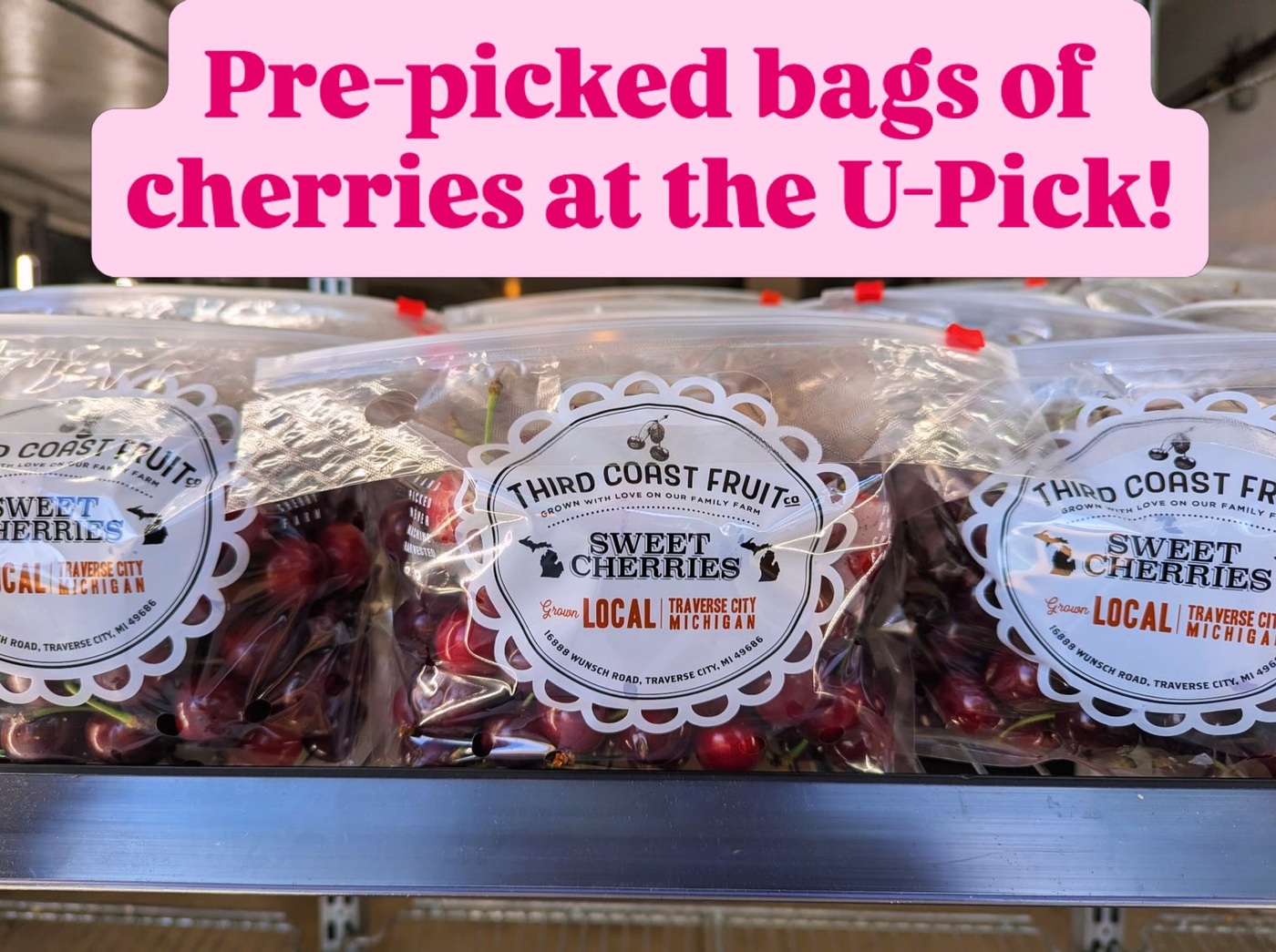
Third Coast Fruit Co. describes both U-pick and pre-picked cherries, but availability still depends on the season. Buying a bag is a useful alternative when trees are picked out or walking the rows will not suit your group.
If you want to attend the National Cherry Festival, check its current-year program separately. A festival celebrates cherries; its dates do not verify that your chosen orchard has your preferred variety ready. Likewise, spring blossom viewing and summer fruit picking are different trips. Confirm which experience you are arranging before booking around a photograph of flowering trees.
A simple plan for your picking day
- Before leaving: confirm today’s crop update, entrance, final check-in time, price, and payment method. Save the farm’s phone number.
- At check-in: agree on a quantity, ask for the ripe rows and picking demonstration, and have your own container weighed if required.
- Before the next stop: pay, protect the fruit in your cooler, and choose a nearby activity that fits the remaining time.
- When you get home: refrigerate promptly and set aside time to pit or prepare the portion you bought for cooking.
The best souvenir is an amount of fruit you will enjoy using. One well-timed orchard visit, a sensible cooler, and an unhurried afternoon can make a much better cherry trip than a car full of warm fruit and a schedule you cannot keep.