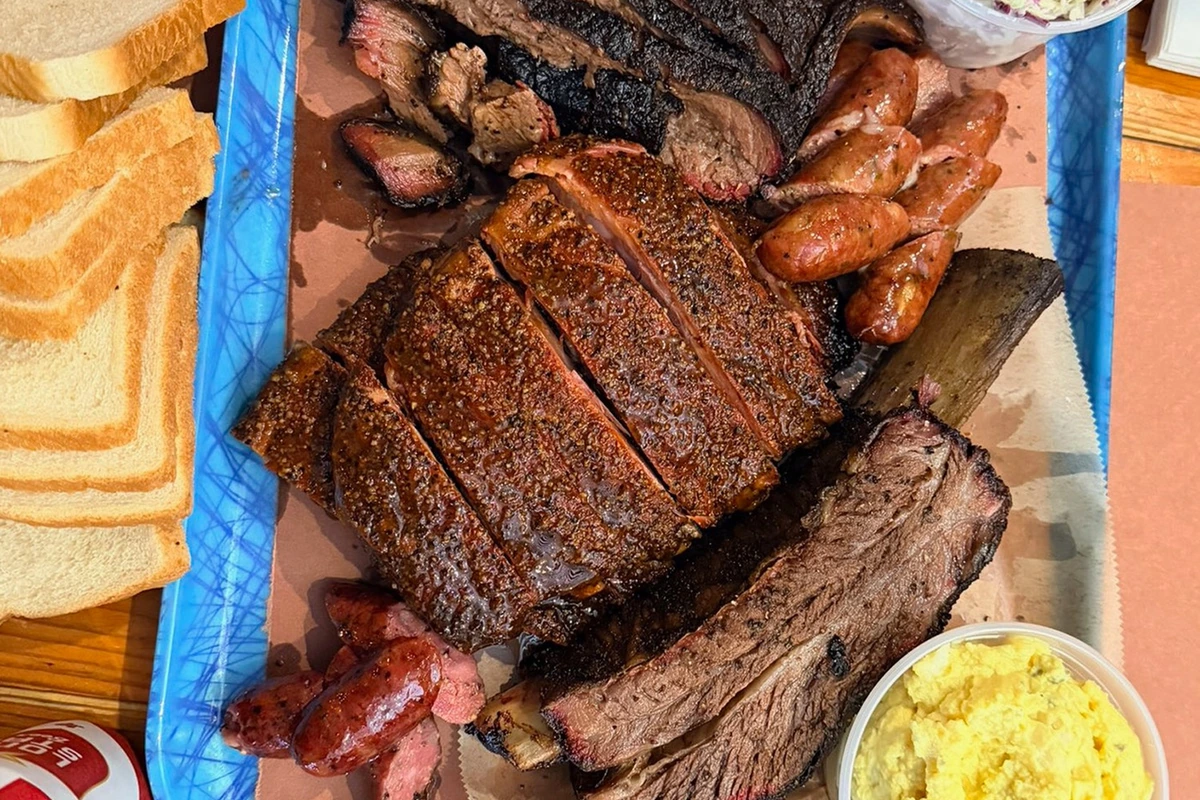
Image Credit: Adam Blonker, via @franklinbbq / Instagram
This article contains affiliate links. If you book through a button, we may earn a commission at no extra cost to you.
A good food road trip gives you a reason to take the next exit: a lobster roll beside a working waterfront, a cider donut still warm from the fryer, or brisket sliced in front of you. The driving connects those meals, but the meals should leave room for the places around them.
These 11 USA food road trips are separate regional vacations. Choose one for a long weekend or a week away; trying to join them all would turn a food holiday into a cross-country driving project. Each route below includes specific stops, suggested overnight bases, and the scheduling details most likely to affect your plans.
The suggested durations are planning recommendations, with arrival and departure travel extra. Restaurant schedules and tour menus can change, so check your chosen dates before committing to a room or rental car.
Choose your food road trip
For a short culinary road trip, start with Vermont or Central Texas. For a longer vacation, the Northeast and New Mexico routes give you more distinct stops. The table compares the time each route needs without implying that you must visit every suggested restaurant.
| Route | Suggested time | Food to plan around | Overnight approach |
|---|---|---|---|
| Portland to Maine’s Midcoast | 3–4 days | Lobster rolls and waterfront seafood | Portland, then Rockland or Camden |
| Burlington, Waterbury and Stowe | 2–3 days | Cider donuts, cheddar and ice cream | One base in Waterbury or Stowe |
| New York, New Haven and Boston | 5–7 days | Dumplings, apizza and cannoli | Two city stays, with New Haven between |
| Charleston, Beaufort and Savannah | 4–5 days | Crab rice and Southern lunch tables | Split nights between Charleston and Savannah |
| New Orleans, Lafayette and Scott | 4–5 days | Beignets, gumbo and boudin | New Orleans, then Lafayette |
| Nashville to Memphis | 3–4 days | Hot chicken and ribs | A night or two in each city |
| Austin to Lockhart | 3 days | Brisket and smoked sausage | Austin, with a day in Lockhart |
| Chicago, Milwaukee and Madison | 4–5 days | Pizza, frozen custard and cheese curds | Chicago, then Milwaukee and/or Madison |
| Santa Fe to Hatch and Las Cruces | 4–5 days | Red chile, Pueblo cooking and chile burgers | Santa Fe, Albuquerque and Las Cruces |
| Portland to Tillamook and Newport | 3–4 days | Food carts, dairy and clam chowder | Portland, then the central Oregon coast |
| San Francisco to Tomales and Bodega bays | 3–4 days | Oysters, crab sandwiches and chowder | San Francisco, then West Marin or Bodega Bay |
1. Portland to Maine’s Midcoast: lobster rolls beside the water
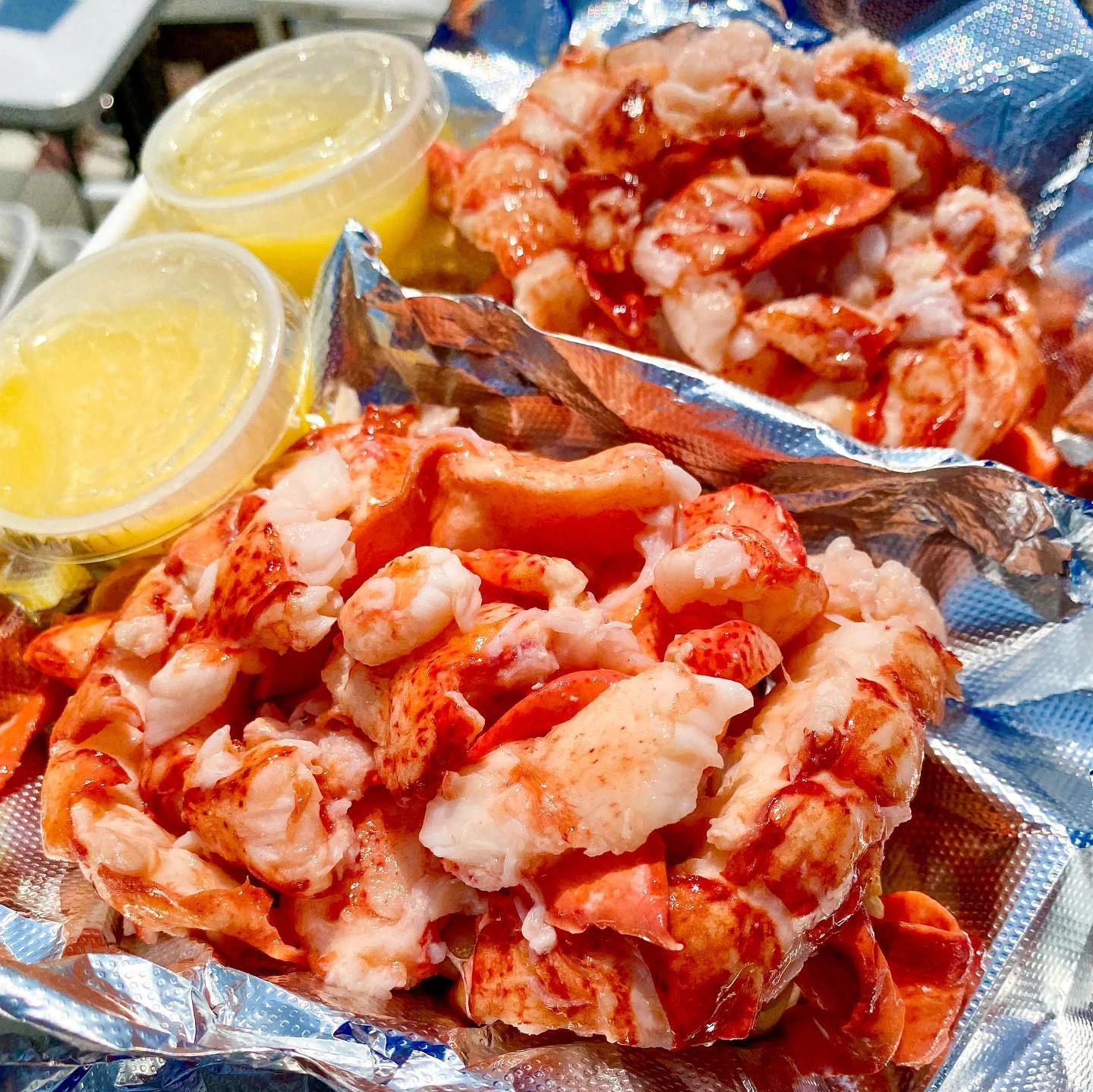
Route: Portland → Wiscasset → Rockland → Camden. Allow: three or four days, with a summer or early-fall trip giving you the widest choice of seasonal seafood stops.
Start with a night in Portland so you can walk the Old Port before collecting the car or heading up the coast. Then make Wiscasset a proper meal stop. Red’s Eats serves its lobster roll with butter or mayonnaise on the side, letting you decide how to dress it. Don’t schedule a timed attraction immediately after lunch: a famous roadside counter and a fixed appointment make an awkward pairing.
There is a real seasonal catch here. Red’s lists its usual season as late April or May through mid-October, and its website confirms it has closed for the 2026 season. Check the next opening announcement before building a trip around it. Visit Maine’s Wiscasset guide also identifies Sprague’s as another lobster stop; check that counter’s season separately.
Continue north for a second base around Rockland or Camden. McLoons in South Thomaston is another waterfront option in Maine’s official lobster guide. Pick one substantial lobster meal a day and spend the intervening hours around the harbors. This route rewards unhurried stops more than a checklist of identical rolls.
For a guided start, Portland’s Old Port Culinary Walking Tour combines local food tastings with neighborhood history. It is a Portland walking experience, separate from the Midcoast drive; check the current menu and dietary arrangements before booking.
2. Burlington, Waterbury and Stowe: Vermont’s dairy-and-cider weekend
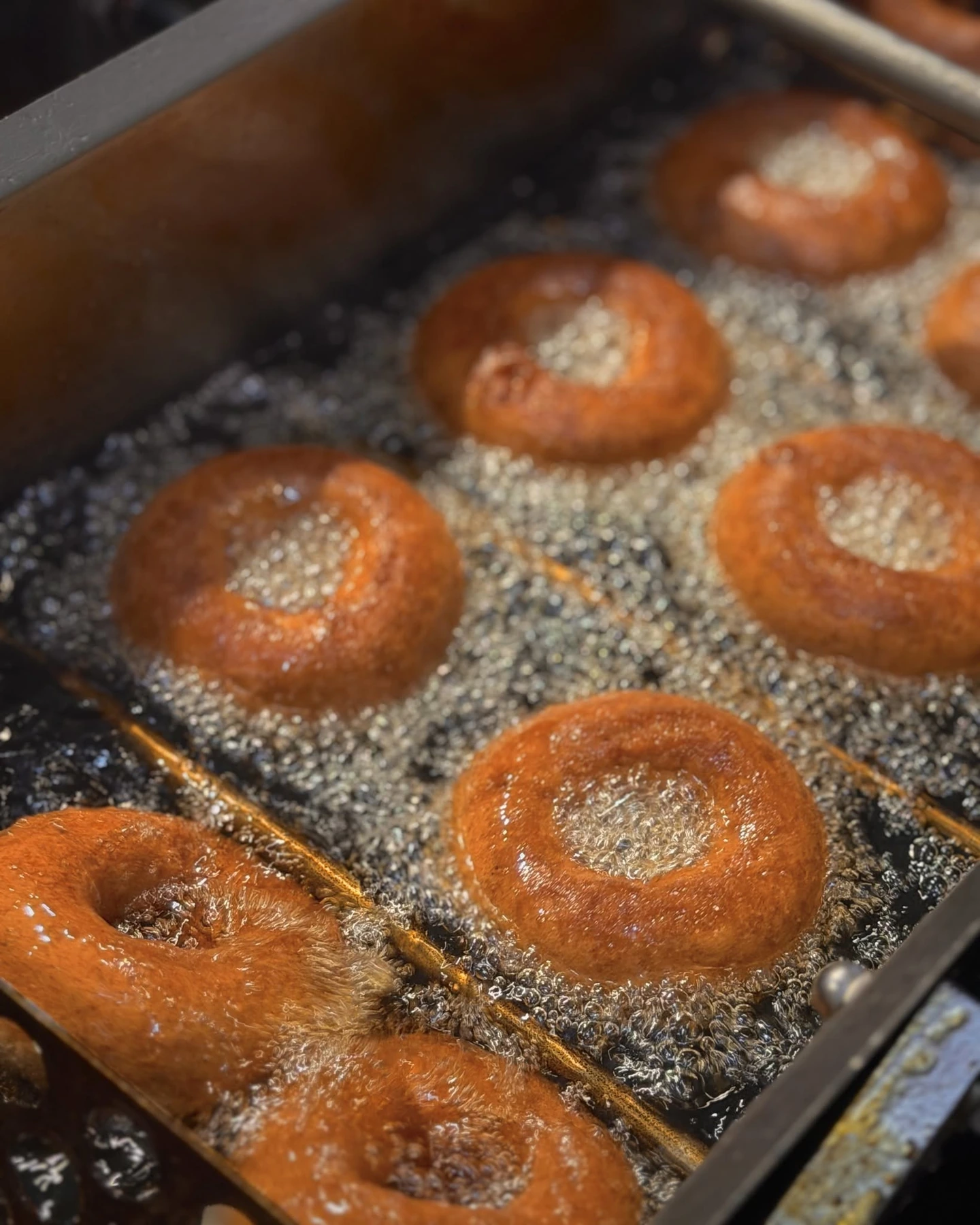
Route: Burlington → Waterbury → Stowe. Allow: two or three days. This is one of the easiest choices if you want short driving stages and a single overnight base.
Give Burlington an afternoon, then concentrate the tasting stops around Waterbury. At Cold Hollow Cider Mill, cider donuts and apple cider make a better first stop than a huge breakfast elsewhere. The official Vermont listing describes a year-round mill with donuts made daily, so this needn’t be an autumn-only trip.
Stop at the Cabot Farmers’ Store on Waterbury–Stowe Road for cheddar and other Vermont foods. This is a retail stop, not a promise of a cheese-production tour. Buy a small selection for later rather than treating every stop as another full meal.
Ben & Jerry’s Waterbury factory adds an ice-cream stop to the same area. Vermont’s Waterbury itinerary is a useful starting point, but book any factory-tour slot through the operator’s current schedule. A scoop-shop visit and a scheduled tour are different commitments.
Finish in Stowe with time for a walk and a normal dinner. Families can spread these stops over two afternoons; adults traveling without children may prefer a longer Burlington stay and just one day on this corridor. Autumn foliage weekends call for earlier room planning. Outside that period, the food stops still give this short route a clear purpose.
3. New York to New Haven and Boston: pizza, dumplings and pastry
Route: New York City → New Haven → Boston. Allow: five to seven days. Choose this for the biggest variety of cuisines, provided you are comfortable with city parking costs.
Spend the first two nights in New York without driving between meals. Choose a neighborhood and walk: Chinatown and Little Italy work well together for dumplings, a pizza slice and pastry. Our New York food guide can help you make a short list instead of crossing the city for every course. A guided Chinatown and Little Italy food walk is an alternative when you want history along with the tastings.
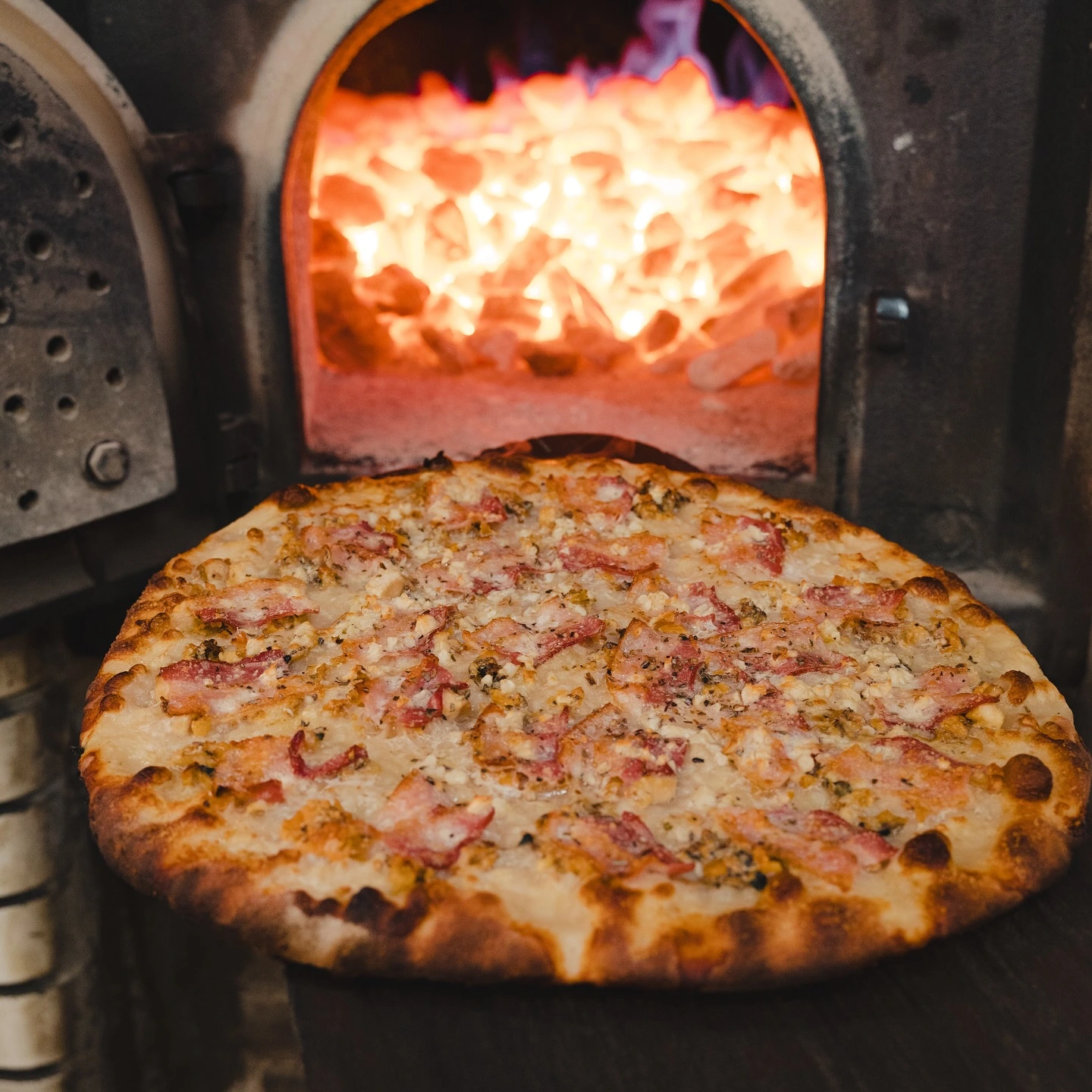
Collect a rental car when you leave New York, if the prices and pickup location make that practical. New Haven is the deliberate food stop between the two major cities. At Frank Pepe’s New Haven location, try the white clam pizza or original tomato pie. The photograph shows the clam pizza with added bacon; that is a variation, not the standard order. Connecticut’s Pizza Trail offers other stops if you want to turn New Haven into an overnight stay.
Finish with at least two nights in Boston. A cannoli from Mike’s Pastry in the North End gives the trip a sweet final stop. Park once and explore the neighborhood on foot. For a five-day version, avoid adding a string of extra cities: New Haven already provides the worthwhile break in the journey.
If the food is your only reason to travel and rural detours do not appeal, compare rail fares with the full rental-and-parking cost. This route can also work without a car.
4. Charleston to Savannah: Lowcountry rice and Southern lunch tables
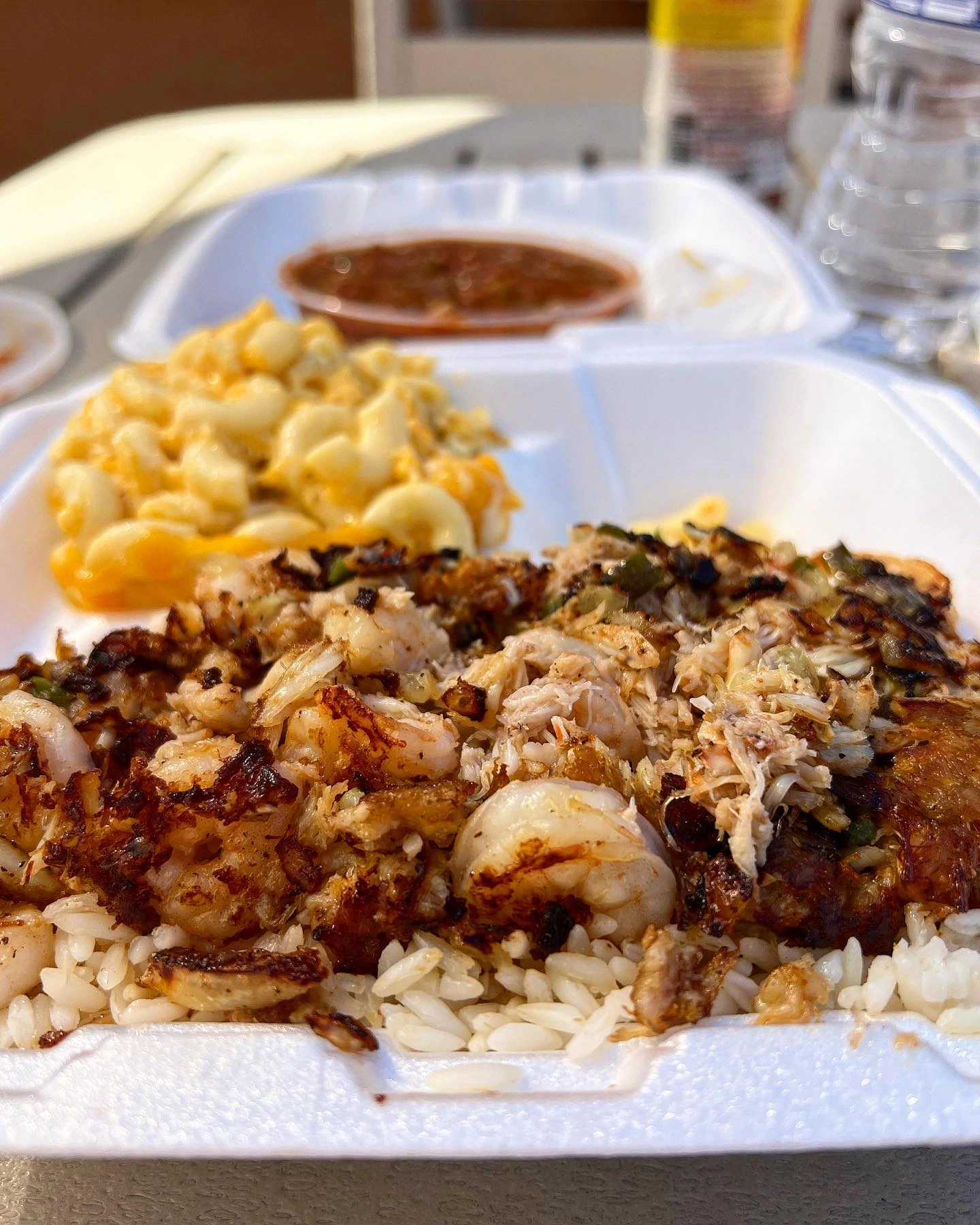
Route: Charleston → Beaufort → Savannah. Allow: four or five days. Plan the Savannah portion around a weekday if Mrs. Wilkes is a priority.
In Charleston, make Hannibal’s Kitchen a meal rather than a photo stop. Its crab rice combines crab, onion and bell pepper over rice; shrimp can be added. The menu also offers red rice and okra soup. Looking closely at these rice dishes gives the route more substance than treating the Lowcountry as interchangeable fried-food stops.
Use Beaufort as a slower break between the two cities. Walk around town, then consider a Gullah heritage experience through the Lowcountry tourism guide if you want more context for the region’s food and history. Allow time for that visit; it isn’t something to squeeze between two fixed restaurant reservations.
In Savannah, Mrs. Wilkes’ Dining Room serves a communal lunch with fried chicken and changing Southern sides. Its published service is Monday through Friday, 11 a.m.–2 p.m., with cash or check accepted. It also takes an annual winter break. A Saturday arrival will not give you a Saturday lunch there, however well the rest of the route fits.
The Southern & Secret Walking Food Tour is another way to spend a Savannah afternoon, sampling several dishes while walking the historic district. Treat it as a meal and check the day’s itinerary; it does not promise a stop at Mrs. Wilkes. Leave the evening flexible after either experience.
5. New Orleans to Lafayette and Scott: beignets, gumbo and boudin
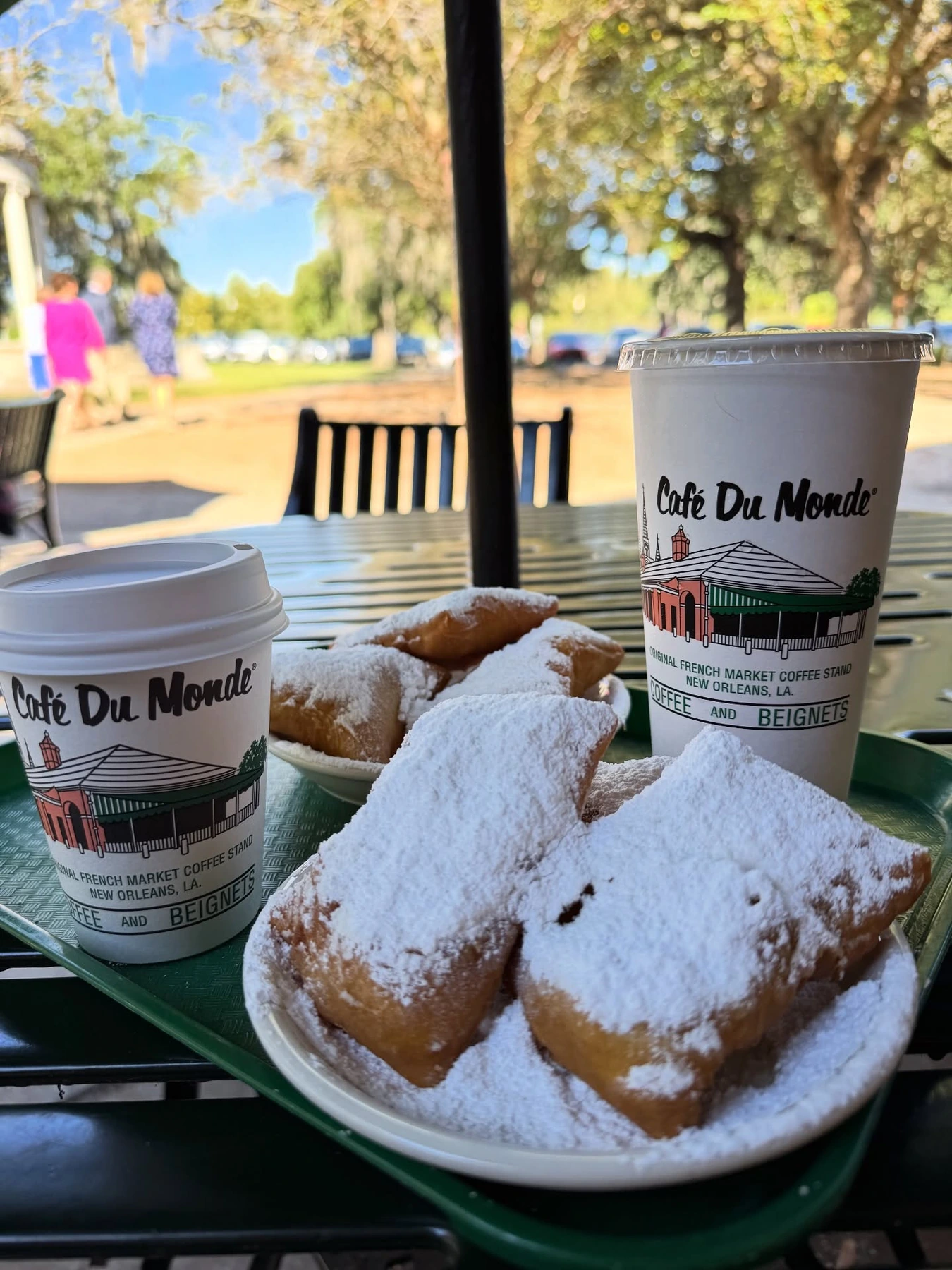
Route: New Orleans → Lafayette → Scott. Allow: four or five days, divided between New Orleans and Lafayette.
Start with beignets and café au lait. Café du Monde’s menu pairs powdered-sugar beignets with coffee and chicory; the photograph shows its City Park setting. Choose that outing if you want time in the park, or keep a French Quarter day focused on the Quarter. They are separate parts of the city, not adjacent stops.
Use our New Orleans food guide to choose your gumbo, po’boy and other meal priorities. A French Quarter tasting walk can provide an introduction to local dishes and their history. Its sample menu changes, so avoid promising yourself one particular dish solely from a booking photograph.
Then shift the trip west to Lafayette and nearby Scott. Boudin is the central reason to make this drive: a seasoned pork-and-rice sausage sold at meat markets and roadside stops. Louisiana’s boudin guide identifies The Best Stop in Scott as one place to try it. Buy a modest portion first; a tasting afternoon becomes uncomfortable if every purchase is sized as lunch.
Give Lafayette another meal slot for a plate lunch. The state’s Lafayette culinary guide explains the familiar combination of a main dish, starch and sides. This is a chance to experience everyday cooking as well as the headline foods. Do not reduce the journey to a simple “Creole here, Cajun there” rule: the places have distinct traditions, but restaurant menus and family histories overlap.
Scott can be a short outing from Lafayette, so there is little reason to change accommodation again just for the final food stop.
6. Nashville to Memphis: hot chicken, ribs and music between meals
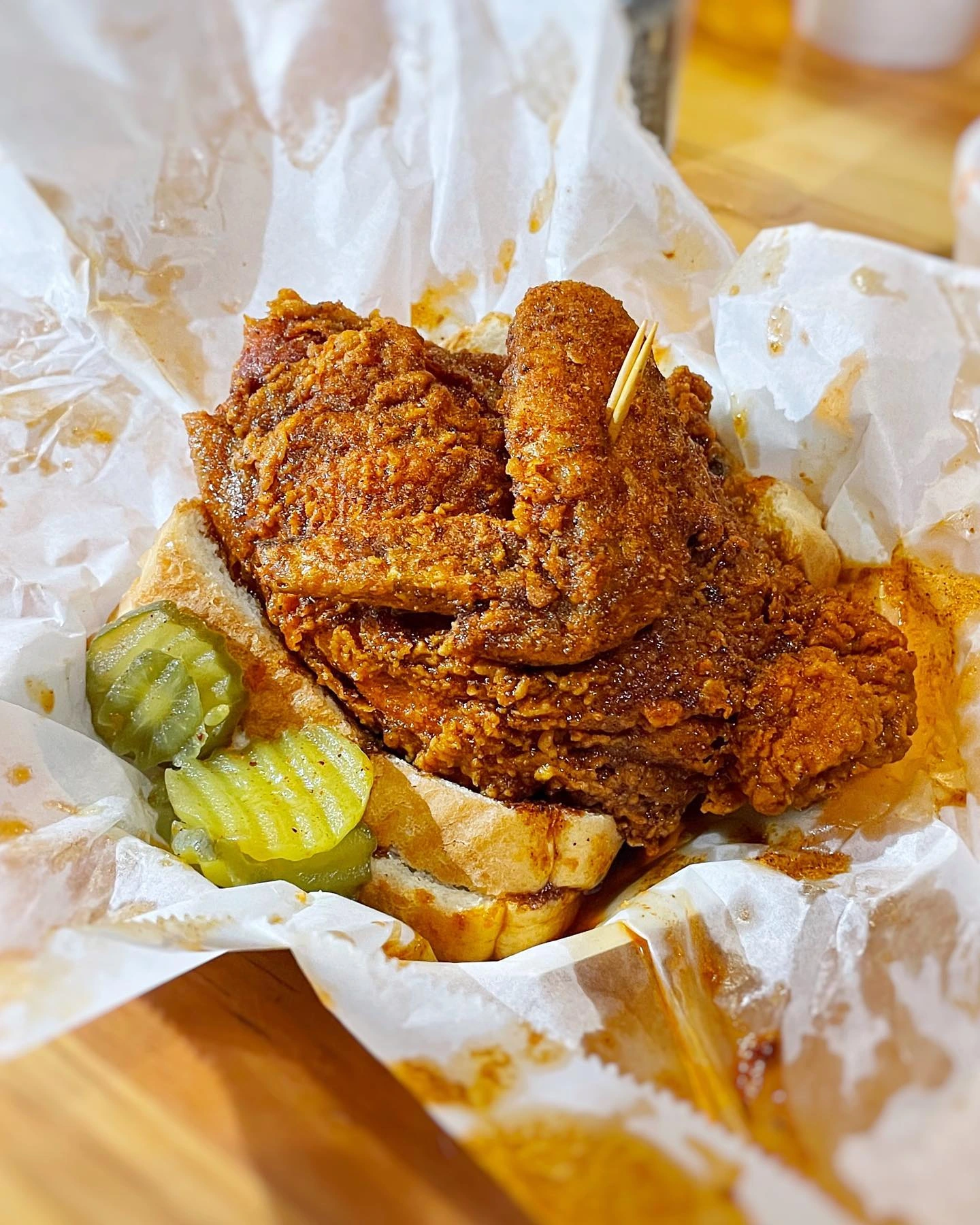
Route: Nashville → Memphis. Allow: three or four days. Keep the intercity drive as its own part of the day, with a flexible meal at the far end.
Start with Prince’s Hot Chicken in Nashville. Choose a heat level you can comfortably enjoy, especially if this is your first hot-chicken meal. There is no benefit to ordering the hottest option and losing the rest of your afternoon to it. The chicken, bread and pickles make a substantial stop; share sides if you have another dinner planned.
Check the particular Prince’s branch you intend to visit. The South Nashville restaurant and food-hall locations do not all follow the same schedule, and a brand name on a map is not enough to plan an arrival time.
In Memphis, Charlie Vergos’ Rendezvous provides a contrasting rib stop downtown. Its published restaurant days are Tuesday through Saturday. Arrange the trip so you have a Memphis meal on one of those days if it is your chosen restaurant, rather than arriving late on Sunday and expecting the same options.
Use the meals to anchor a wider music trip: leave an afternoon for a museum or neighborhood walk and an evening for a show. A four-day visit can give each city two proper meal windows without making every hour about eating. This route is less convenient for a group needing several meat-free main meals, so agree on alternatives before making hot chicken and ribs the center of the itinerary.
7. Austin to Lockhart: a manageable Central Texas barbecue trip
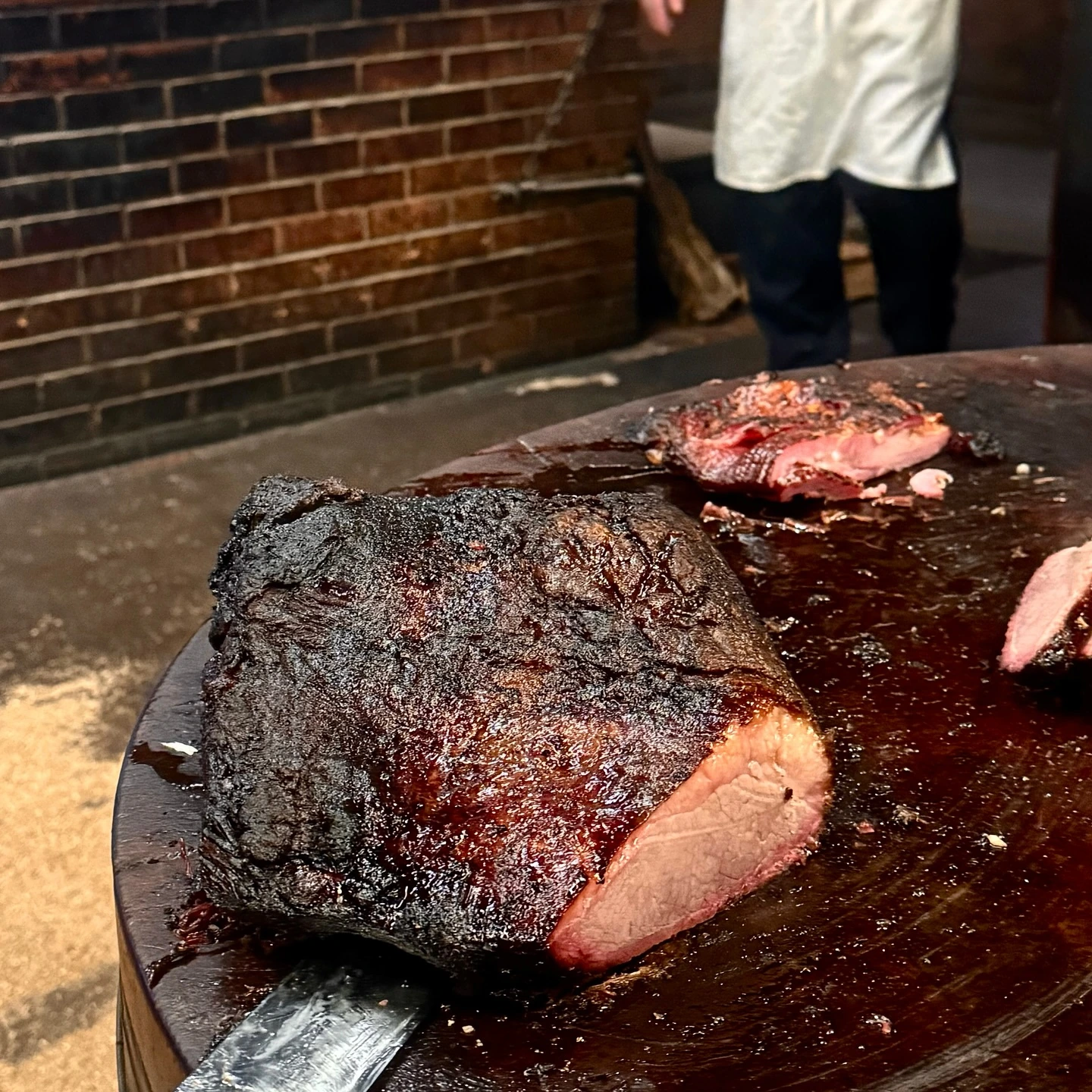
Route: Austin → Lockhart → Austin. Allow: three days. Staying in Austin keeps this simple and avoids moving rooms after a heavy lunch.
Choose one Austin barbecue commitment, then devote a separate day to Lockhart. Franklin Barbecue opens Tuesday through Sunday at 11 a.m. and serves until sold out. That makes it a morning plan, not a dependable late lunch after sightseeing. Bring water, check the current queue guidance, and keep your afternoon free.
Preordering is useful for the right group, but it is not automatically a shortcut for two people. Franklin’s pickup information specifies a five-pound minimum for preorders. Compare that quantity with what your group can actually eat and store before choosing it.
In Lockhart, order brisket and sausage at Kreuz Market. Ordering meat by weight lets you build a tasting-sized meal rather than committing to several full plates. Tell the counter staff how many people are sharing and start smaller than your eyes suggest; you can decide on sides after seeing the meat.
The point of separating Austin and Lockhart across different days is that you arrive hungry for both. There is also time to walk around Lockhart before heading back. Adding Taylor, Luling and San Antonio can make sense on a longer trip, but they should not all be treated as compulsory stops in this three-day version.
For mixed-diet groups, Austin works well as the base because the non-barbecue meals can be chosen independently. Do not assume that beans or other smokehouse sides are vegetarian without asking.
8. Chicago to Milwaukee and Madison: pizza, custard and cheese curds
Route: Chicago → Milwaukee → Madison. Allow: four or five days. This order keeps the trip moving north before turning west.
Give Chicago two nights if possible. Deep-dish pizza is a full meal, so pair that day with a lighter lunch rather than another heavy reservation. Our Chicago food guide helps narrow the choices. A downtown food walking tour can combine several Chicago staples with sightseeing if you would rather sample than order full portions everywhere.
In Milwaukee, make Leon’s Frozen Custard a dessert stop. You can keep the rest of that day flexible around a walk or another meal; every famous food does not need its own elaborate itinerary.
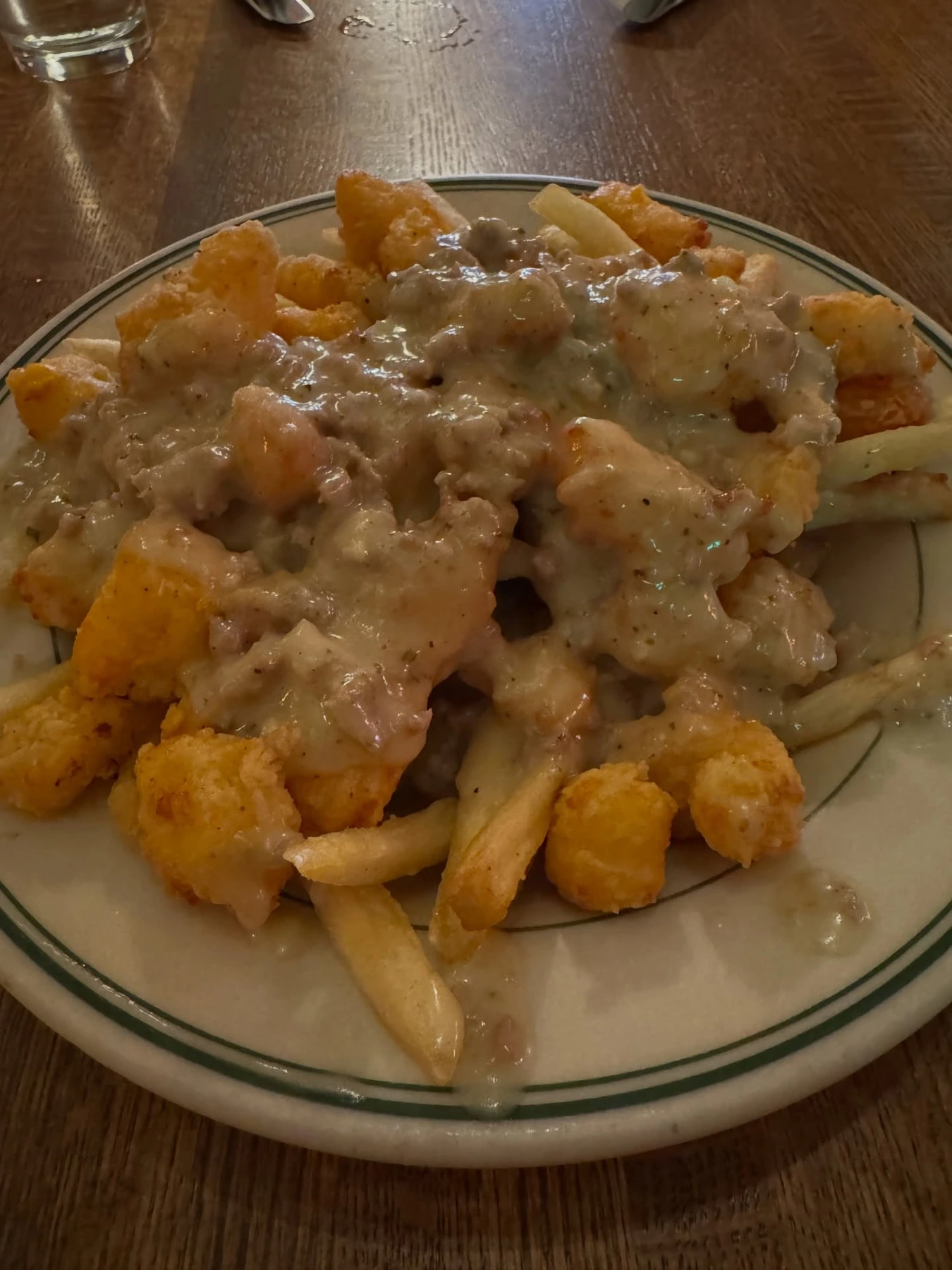
Continue to Madison for The Old Fashioned’s beer-battered cheese curds. Start with curds for the table, then decide how substantial a main course you want. The photograph shows the restaurant’s poutine with fried curds, illustrating just how filling a curd-based order can become.
Wisconsin’s official food-travel guide also points to Friday fish fries and farmers markets. If you want a market visit, check its particular season, venue and weekday before setting your Madison night; a market name alone does not establish that it runs every day.
This route works best when the Chicago stay and the driving days are separate. Delay collecting a rental until departure if practical. For a shorter weekend, choose Chicago–Milwaukee or Milwaukee–Madison rather than giving all three cities a rushed meal and an overnight bag.
9. Santa Fe to Hatch and Las Cruces: follow New Mexico’s chile
Route: Santa Fe → Albuquerque → Hatch → Las Cruces. Allow: four or five days. The southern portion is a substantial change of base, so this is not a Santa Fe day trip.
Start with red chile in Santa Fe. The Shed serves red-chile enchiladas and accepts dinner reservations, while lunch is walk-in. Its menu includes blue-corn tortillas, giving you something specific to compare with the green-chile burger later in the journey. Ask about heat and ingredients instead of assuming every red or green sauce tastes the same.
In Albuquerque, make room for Indian Pueblo Kitchen. Its current menu includes blue-corn atole, Pueblo beans and other dishes that broaden the trip beyond burgers. Choose a meal here as part of a visit to the Indian Pueblo Cultural Center, with time for the cultural experience as well as the kitchen.
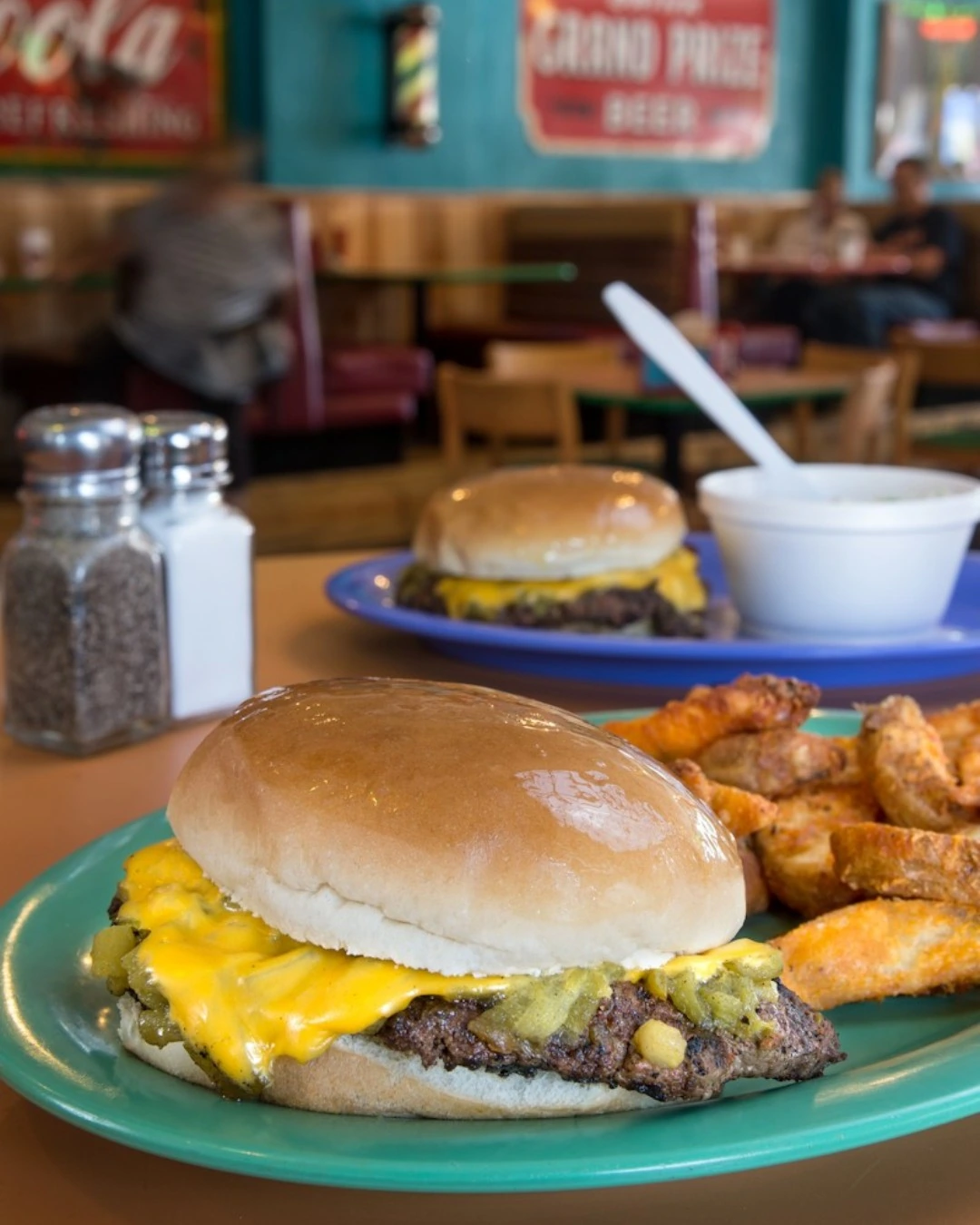
Continue south to Hatch for Sparky’s green chile cheeseburger. Its published opening days are Thursday through Sunday, with Monday through Wednesday closed. That constraint should determine which way around you run the route: reverse the trip if it puts you in Hatch on an open day.
Stay in Las Cruces for the final night rather than driving straight back north after the burger. If you rent a car one way, compare the return location and fee before booking flights. For three days, concentrate on Santa Fe and Albuquerque; saving Hatch for another visit is a better decision than adding a long drive solely to photograph lunch.
10. Portland to Tillamook and Newport: food carts meet the Oregon coast
Route: Portland → Tillamook → Newport. Allow: three or four days, including a coastal overnight rather than an immediate return to Portland.
Begin with a Portland food-cart meal. Hawthorne Asylum groups numerous vendors in one place, which is useful when traveling companions want different cuisines. Check the individual carts’ hours and choose what is operating that day; the pod’s opening does not mean every vendor is serving.
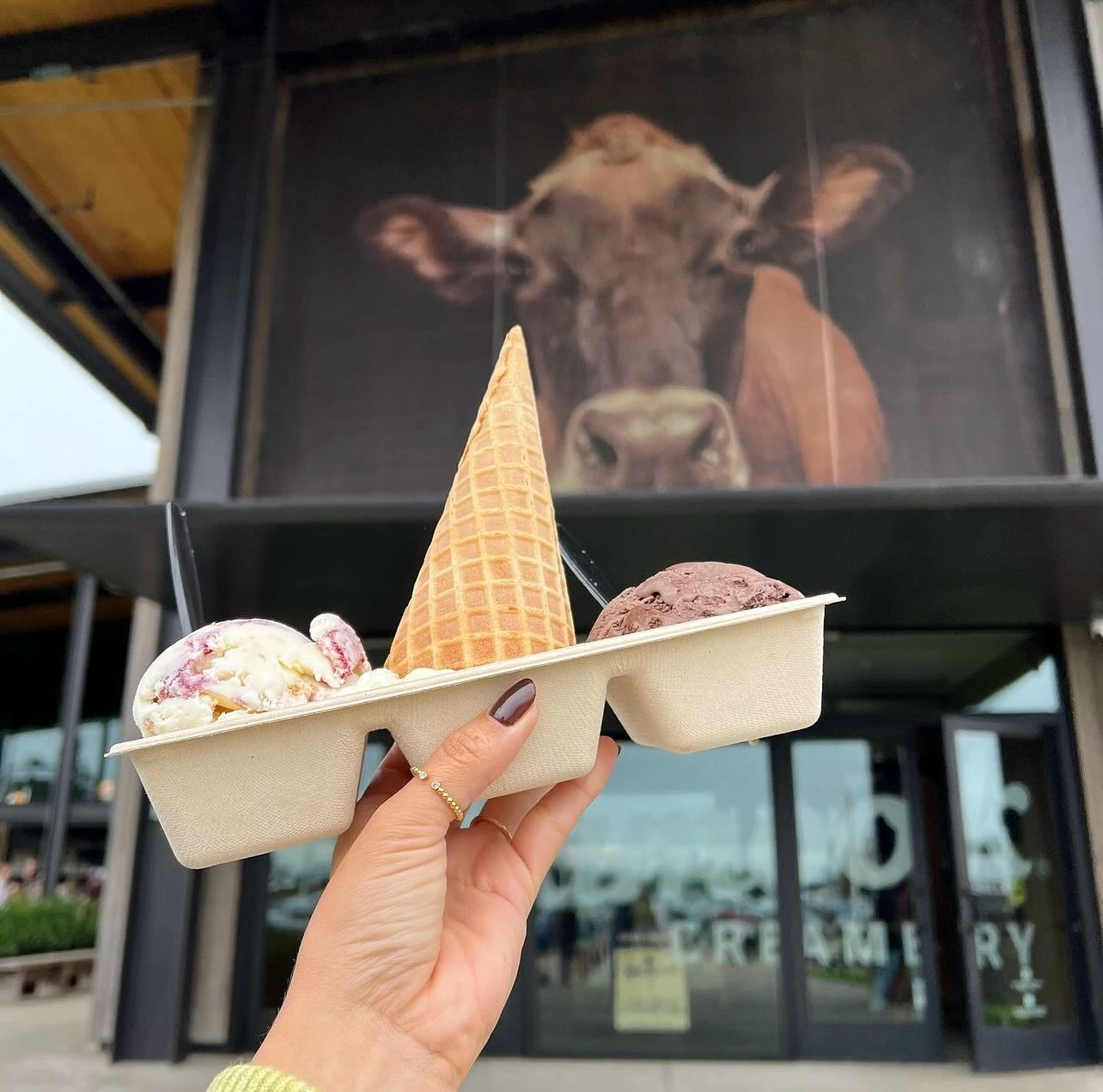
Drive west for Tillamook Creamery. General admission and the self-guided experience are free, while premium experiences have separate reservation arrangements. Decide whether you want a quick look and ice cream or a longer booked activity before scheduling the next coastal stop.
At the café, cheese dishes and ice cream can easily become a whole lunch. A shared tasting is sensible if you want seafood later. The visit is particularly useful for families because the food and production exhibits give the driving day a clear break.
Continue down the coast to Newport and make clam chowder at Mo’s Original or Mo’s Annex one straightforward meal choice. Match the location to your walking plans instead of doubling back between branches. Spend the remaining time around the waterfront and coast, with an extra night if the weather invites longer stops.
Coastal driving deserves more slack than a map’s fastest arrival time suggests. Build in viewpoints and daylight, and keep a rainy-day option. This route suits travelers who want both city food variety and a quieter finish, rather than a different restaurant reservation every few hours.
11. San Francisco to Tomales Bay and Bodega Bay: oysters and coastal seafood
Route: San Francisco → Point Reyes Station → Marshall → Bodega Bay. Allow: three or four days. Book the oyster stop first, then fit the coastal drive around it.
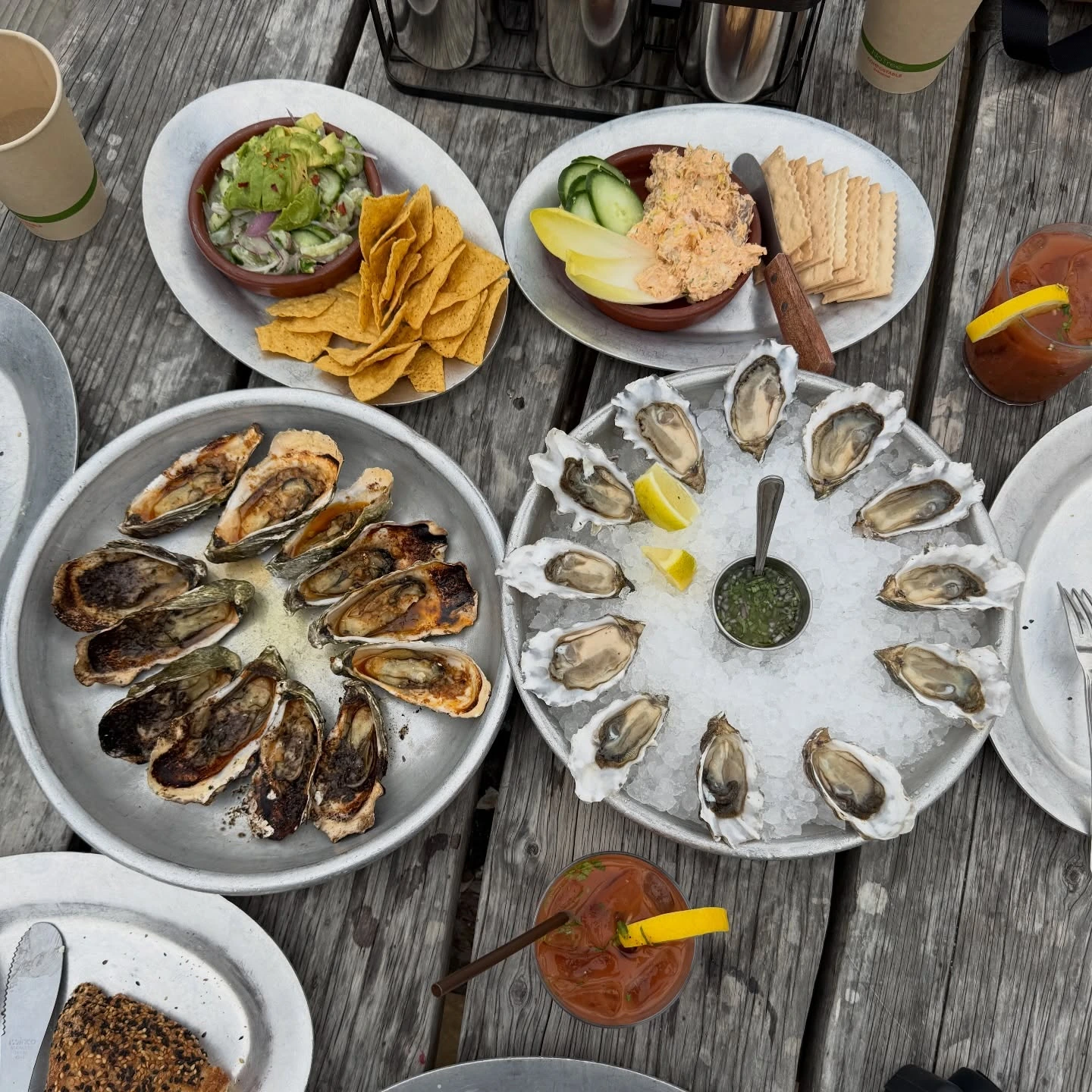
Give San Francisco its own food day before heading north. You do not need to combine a city tasting marathon with an ambitious coastal drive. Leave time to stop in Point Reyes Station, then continue to Marshall for oysters at Hog Island.
The Boat at Hog Island’s farm is an outdoor dining experience with reservations recommended. Read its current rules carefully: outside food and drink are not allowed, and the old idea of bringing supplies for your own barbecue does not describe its present setup. Retail oyster pickup, restaurant dining, farm tours and occasional shuck-your-own sessions are different offerings.
Choose one of those experiences and confirm what is included. A farm tour requires its own booking; buying oysters from the retail counter does not automatically give you a tour or a restaurant table. If anyone in the group does not eat oysters, check the current cooked-food alternatives before reserving.
Continue to Bodega Bay for a crab sandwich or clam chowder from Spud Point Crab Company. Treat whole-crab availability as something to confirm for your visit, not a year-round promise based on an old trip report. This stop makes a simple counterpoint to a longer oyster-farm meal.
Stay on the coast for a night if your budget allows. That leaves space for a walk and takes pressure off the return drive. Keep alcohol out of the driver’s tasting plan, and check road conditions when storms affect the coast.
How to plan a food road trip you will actually enjoy
Build each day around one essential meal
Before booking accommodation, put the stops in a map in the order shown and check the drive at the time you expect to leave. Then add time for parking, queues and a walk. The durations in this guide allow for eating and visiting; they are not estimates of nonstop driving time.
Pick the reservation, limited-hours lunch or likely sellout first. Put a flexible snack stop on either side, then add sightseeing. Two substantial meals plus several tastings can be too much; sharing helps, but it does not make your appetite unlimited. A walking tour with included tastings usually replaces a meal.
Keep one backup near each essential stop. It should serve food your group wants and fit the same day’s route. An alternative an hour in the wrong direction is not a useful backup when everyone is hungry.
Budget for the drive as well as the food
Use your actual menus and room quotes to build the budget. As a planning example—not a destination price guarantee—two people allowing $60 each per day for food over four days would set aside $480. Add lodging, fuel, rental charges, parking, tolls, tours, taxes and tips separately. A premium seafood dinner or guided tasting can push the food allowance higher, while breakfasts in your room can leave more for the meal that matters most.
Compare round-trip and one-way rental totals before choosing airports. For the New York–Boston and Chicago–Wisconsin routes, city parking and extra rental days can cost more than the convenience is worth. For a compact Vermont or Austin trip, keeping one base can save both money and packing time.
Plan for different appetites and dietary needs
Ask restaurants and tour operators about specific ingredients and preparation before booking. A meat-free side may contain stock or pork, and a seafood tour may offer fewer substitutions than a regular restaurant. For groups with allergies, our food-allergy travel planning guide provides questions to consider; confirm suitability directly with each business rather than relying on a destination’s reputation.
Keep a few familiar road trip snacks in the car for delays. They are particularly useful with children or when a planned counter has sold out. Buy perishable take-home food only when you have a suitable cooler and a realistic storage plan.
Common questions about food road trips in the USA
Which route is easiest for a three-day weekend?
Waterbury and Stowe are the simplest compact option here, particularly with one base. Austin and Lockhart also fit three days well if barbecue is the main purpose. Choose Maine only if your arrival point and the seafood season work; avoid using most of a short weekend to reach the starting city.
Which is best for a first food-focused vacation?
New Orleans to Lafayette offers a clear contrast between a walkable city stay and a regional driving section. Chicago to Wisconsin is a good alternative for familiar foods and flexible portions. The best choice is the one where everyone likes the central dishes: an oyster-and-lobster route is a poor fit for a seafood-averse group.
Can you do one of these trips in winter?
Yes, but choose year-round restaurants and check individual closures. Maine’s seasonal lobster shacks are a particular limitation; northern routes also need room for weather-related changes. A city-based version of New Orleans, Austin or Nashville–Memphis may be easier to adapt than a trip dependent on outdoor counters. Winter does not remove the need to check forecasts and opening days.
Do you need a guided food tour?
No. Independent stops work well when you already know what you want to order. A walking tour is useful for neighborhood context, shared tastings and a first introduction to a city. Compare its route, walking requirements, dietary options and cancellation terms with your own plans before booking. Do not assume the tour includes every restaurant named in this article.