
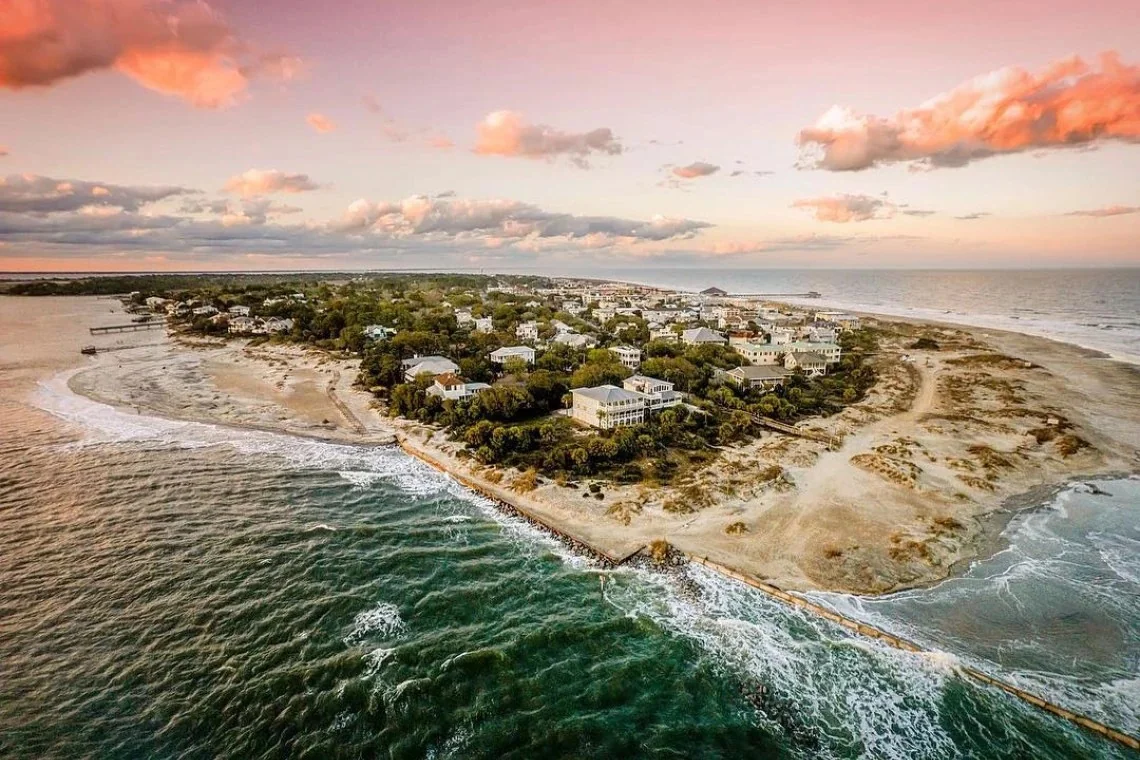
Image Credit: @jdwolfjr/Visit Tybee via Explore Georgia
Tybee Island makes a beach trip feel wonderfully uncomplicated: a morning on the sand, something cold after lunch, and a sunset that gives you a reason to put your phone away. Look a little farther, though, and the island has a working lighthouse, a Civil War fort nearby, tidal creeks full of life, and small businesses that give each part of town its own character.
The best things to do in Tybee Island, GA depend on the kind of day you want. South Beach puts the pier and restaurants close together. The north end combines history with marine science and a longer beach walk. Across the tidal water, Little Tybee offers a much wilder outing that takes proper planning. You can fill a weekend without trying to squeeze all three into every afternoon.
These 31 ideas mix the big sights with smaller pleasures worth leaving time for. Some are quick stops, others deserve half a day, and several work well together. Use the regional groupings to build a trip with room for the beach itself.
On this page10
Beach Days, Sunrise, and Waterfront Walks
1. Settle Into a Proper South Beach Day
South Beach is the easiest introduction to Tybee when you want sand, swimming, food, and a little people-watching in the same place. The pier gives the shoreline a recognizable center, while the nearby streets let you step away for lunch without giving up the whole afternoon. It is a good choice for a group whose members do not all want to sit under an umbrella for six hours.
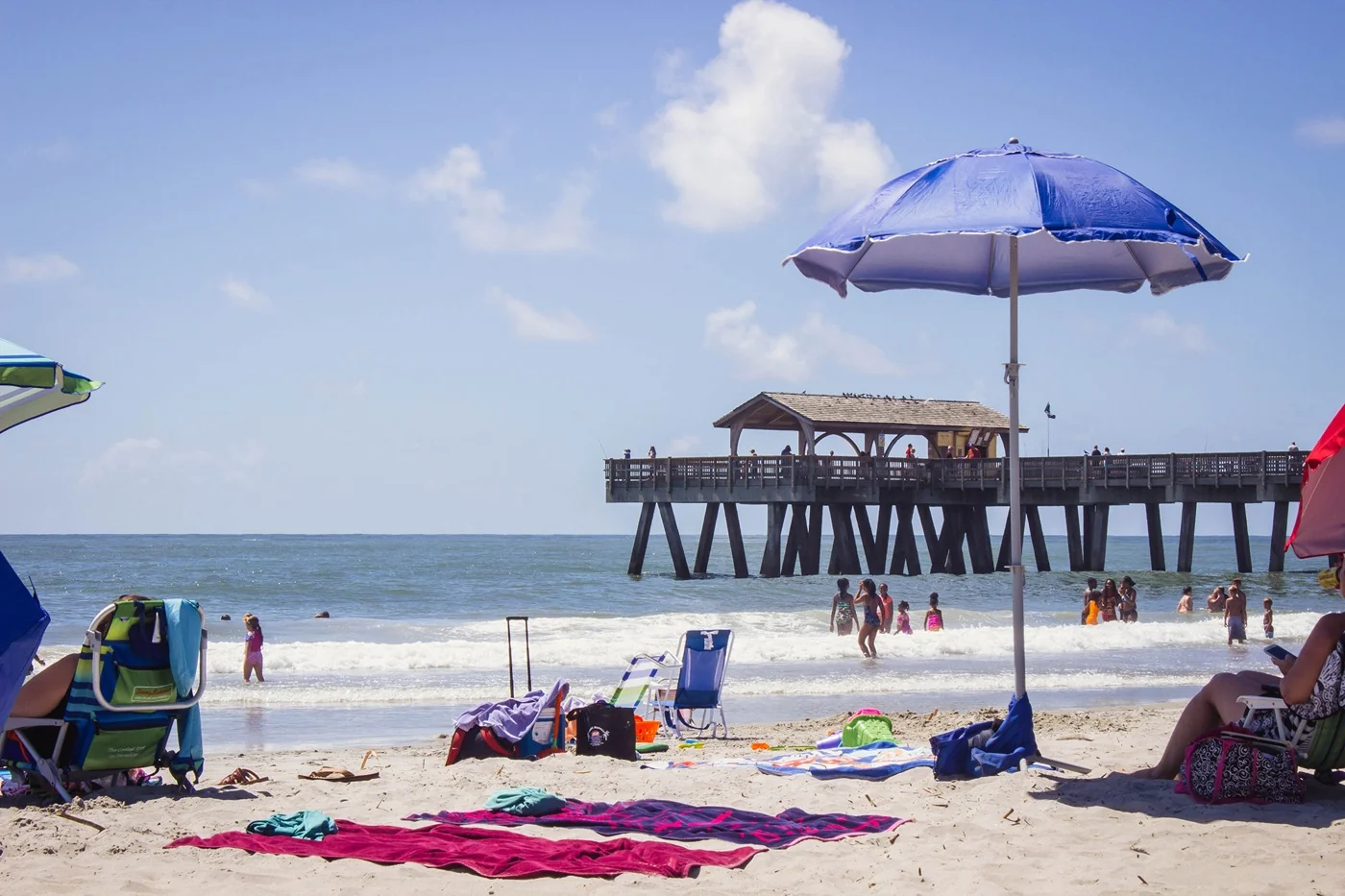
Arrive early enough to choose a legal parking space and establish your beach spot before the busiest part of the day. Bring water and shade, then keep valuables and spare clothing in a bag that can handle blowing sand. The walk back to the car feels longer once everyone is hot and carrying wet towels.
This is one of the island's more active stretches, particularly around holidays and summer weekends. Choose it for convenience and atmosphere; head to Mid Beach if you prefer a simpler beach session with fewer commercial distractions. Check the day's flags, conditions, and staffed lifeguard locations before entering the water.
2. Walk the Tybee Island Pier and Pavilion
The pier is worth visiting even if you have already spent hours on South Beach. Walking out above the water changes the view: the beach becomes a long curve behind you, waves move beneath the pilings, and anglers concentrate at the rail. The pavilion also provides a useful meeting point when a group has scattered between the sand and nearby shops.
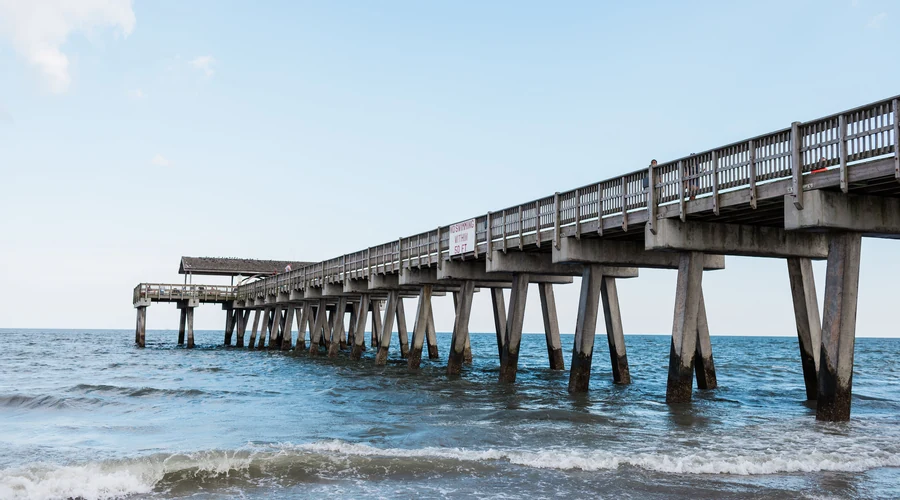
Give yourself time to watch rather than treating it as a quick photograph. A morning visit pairs naturally with breakfast, while late afternoon is a pleasant alternative to the hottest beach hours. Events can change the atmosphere and available space, so check the local calendar if you want a leisurely stroll.
Leave room around fishing lines and do not assume the shaded pavilion will be empty on a busy day. Walking the pier and fishing from it are different plans: anglers need to check license requirements, posted rules, and any event restrictions. Families with young children should stay attentive along the rail and around tackle.
3. Watch the Sun Come Up Over the Atlantic
One of Tybee's most rewarding activities asks very little beyond getting out of bed. The ocean-facing shore gives you open eastern sky, and the light often changes before the sun itself clears the horizon. You do not need to plan an elaborate photography expedition; a towel, a warm layer when needed, and a drink in a reusable cup are enough.
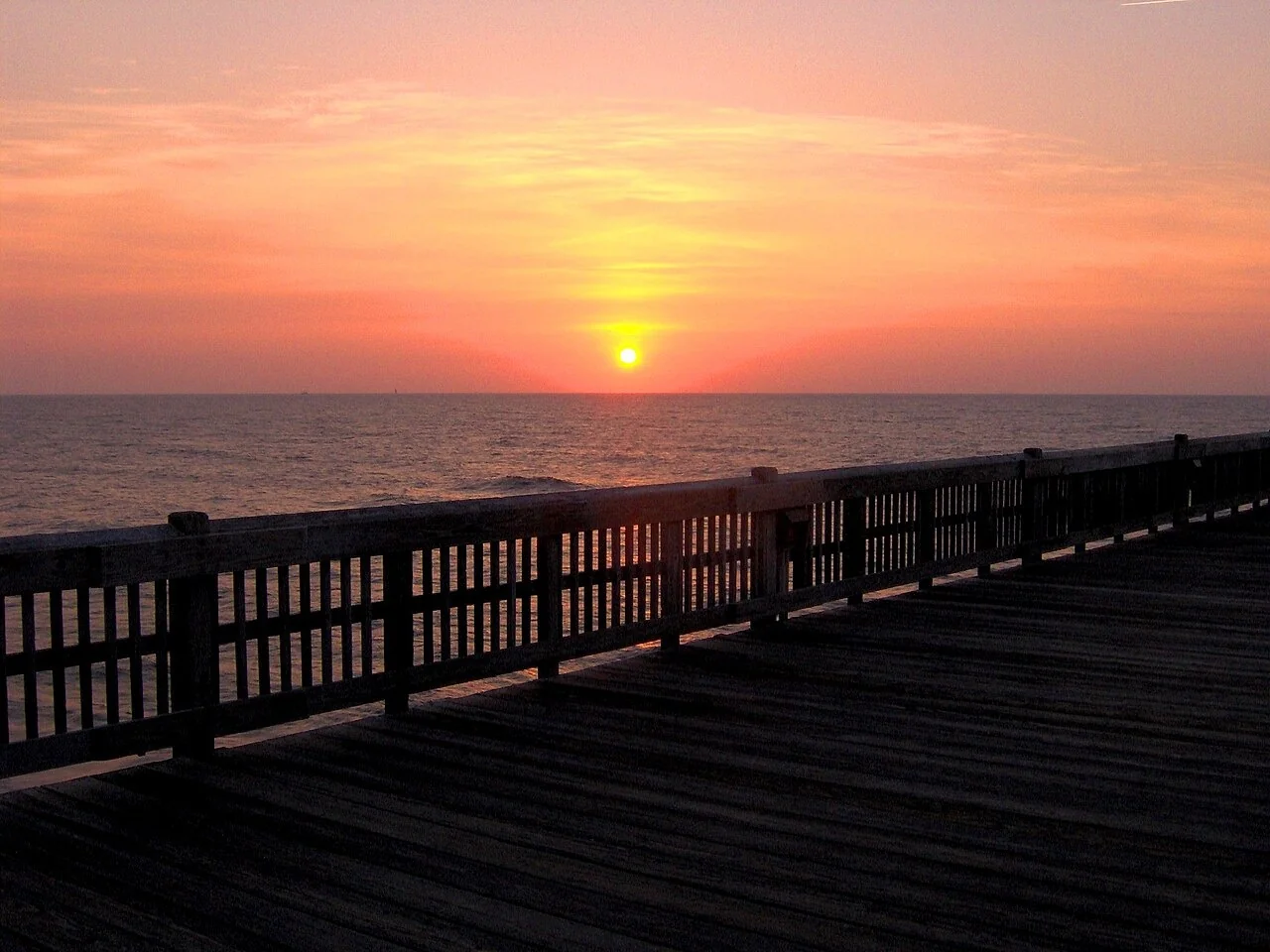
Choose a public crossover near your accommodation, or use South Beach if you want the pier in the scene. Arrive before the published sunrise time so you catch the softer colors. Cloud cover can produce a beautiful morning or hide the horizon entirely, so think of it as an early beach walk with a possible bonus.
Keep to marked access routes and away from the dunes. During turtle season, avoid shining lights across the sand and give any protected area a wide berth. This is an easy experience to pair with breakfast rather than another long attraction: after an early start, a slow morning may be exactly what the trip needs.
4. Give Mid Beach an Unscheduled Afternoon
Mid Beach suits the part of a vacation when you want to stop making decisions. Between the north-end landmarks and the South Beach hub, this oceanfront stretch offers room for a walk, a book, and a swim when conditions permit. Its appeal is having fewer reasons to interrupt the beach session, rather than an entirely different kind of sand or water.
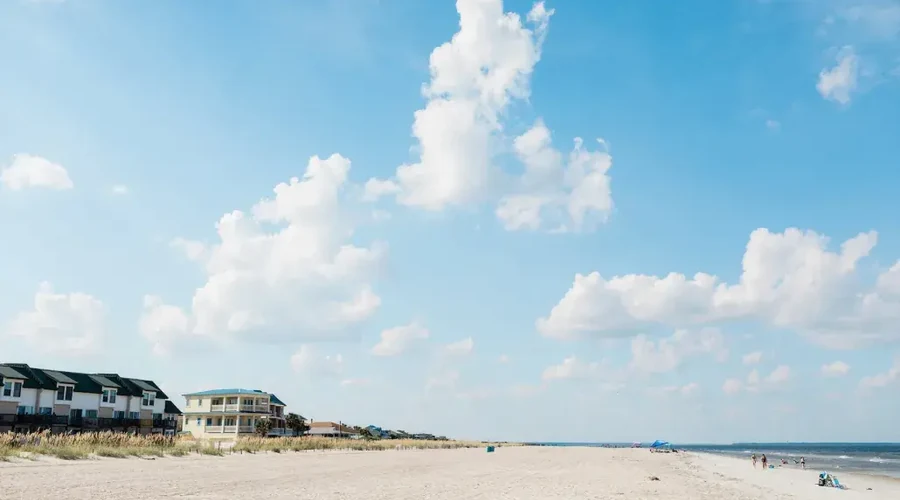
Use a signed public crossover and check nearby parking carefully. Some approaches sit among homes and vacation rentals, so an inviting-looking path or empty driveway is not an invitation to enter private property. Bring what you need instead of assuming every access point has the same facilities as the major beach lots.
Mid Beach works particularly well when you are staying within walking distance. You can return for lunch, wait out the strongest heat, then come back later. The tradeoff is that facilities and staffed swimming areas may be farther away; choose your exact access with the needs of children, older travelers, or anyone using mobility equipment in mind.
5. Spend Time on North Beach
North Beach is the best place to combine a beach day with the island's major historic and educational stops. The lighthouse, Battery Garland, and Marine Science Center are all in the north-end area, so you can alternate sand with a climb or an indoor visit. It makes a full day feel varied without a string of cross-island drives.
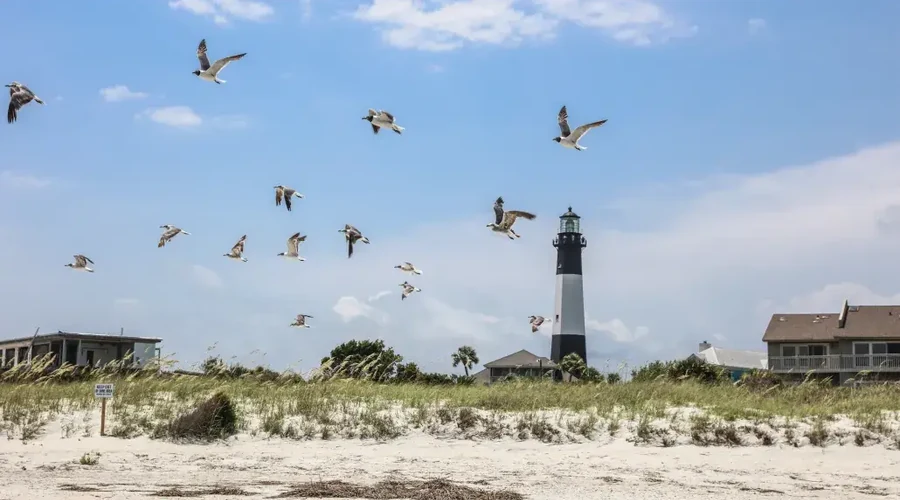
The setting also gives you a sense of Tybee's position beside the Savannah River entrance. Ships pass offshore, shorebirds gather, and the lighthouse appears behind the dunes from certain viewpoints. Watch from a comfortable distance and stay clear of jetties and restricted wildlife areas.
Use the public beach lot for beach time. A lighthouse ticket's limited parking allowance is for that visit, not an all-day beach pass. If you are combining attractions, decide in advance which parking arrangement covers your whole plan. The water near river entrances and structures deserves particular care; a gentler-looking surface does not establish safe swimming conditions.
6. Finish the Day at Back River Beach
Back River Beach offers a different ending to the day from the Atlantic shore. Here the view takes in tidal water, docks, marsh edges, and the land across the channel. As the light lowers, people gather to sit, take photographs, and watch boats returning. It is a natural choice when you want the evening to revolve around the view rather than another reservation.
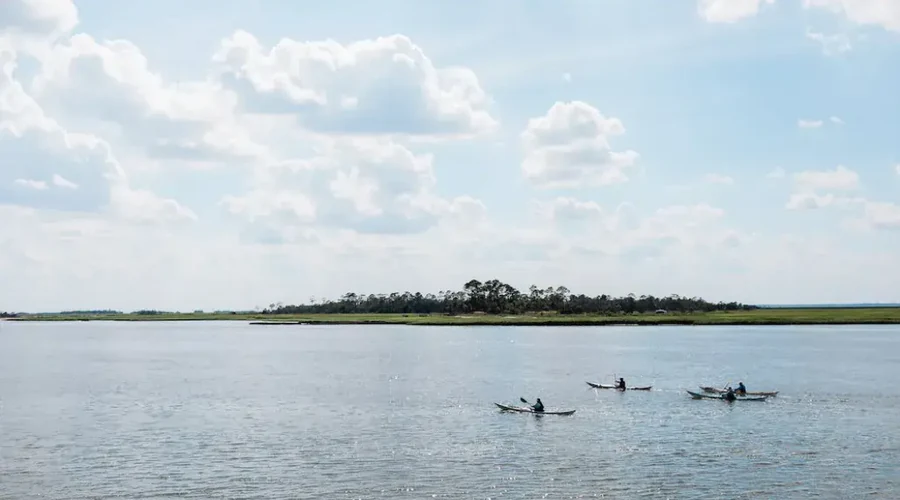
Plan around the tide as well as sunset. The available sand changes, and a walk that looks straightforward at one water level may be awkward later. Use public access and stay off private docks. A small bag and a place to sit are more practical than hauling your whole beach setup for a short evening visit.
Treat this as a shoreline outing. Back River has powerful tidal currents despite its sheltered appearance, and it is not a place to assume children can wade independently. Never attempt to swim or walk across to Little Tybee. If you want to get onto the water, arrange a suitable guided trip with an operator who understands the tide and weather.
Lighthouses, Island History, and Coastal Science
7. Climb the Tybee Island Light Station
The black-and-white lighthouse is Tybee's defining landmark, but the visit is more satisfying when you allow time for the whole station. The climb brings a broad view of the shoreline and surrounding neighborhoods, while the buildings below explain the work behind keeping a coastal light running. This is a useful first major stop because it helps you understand the island's geography.
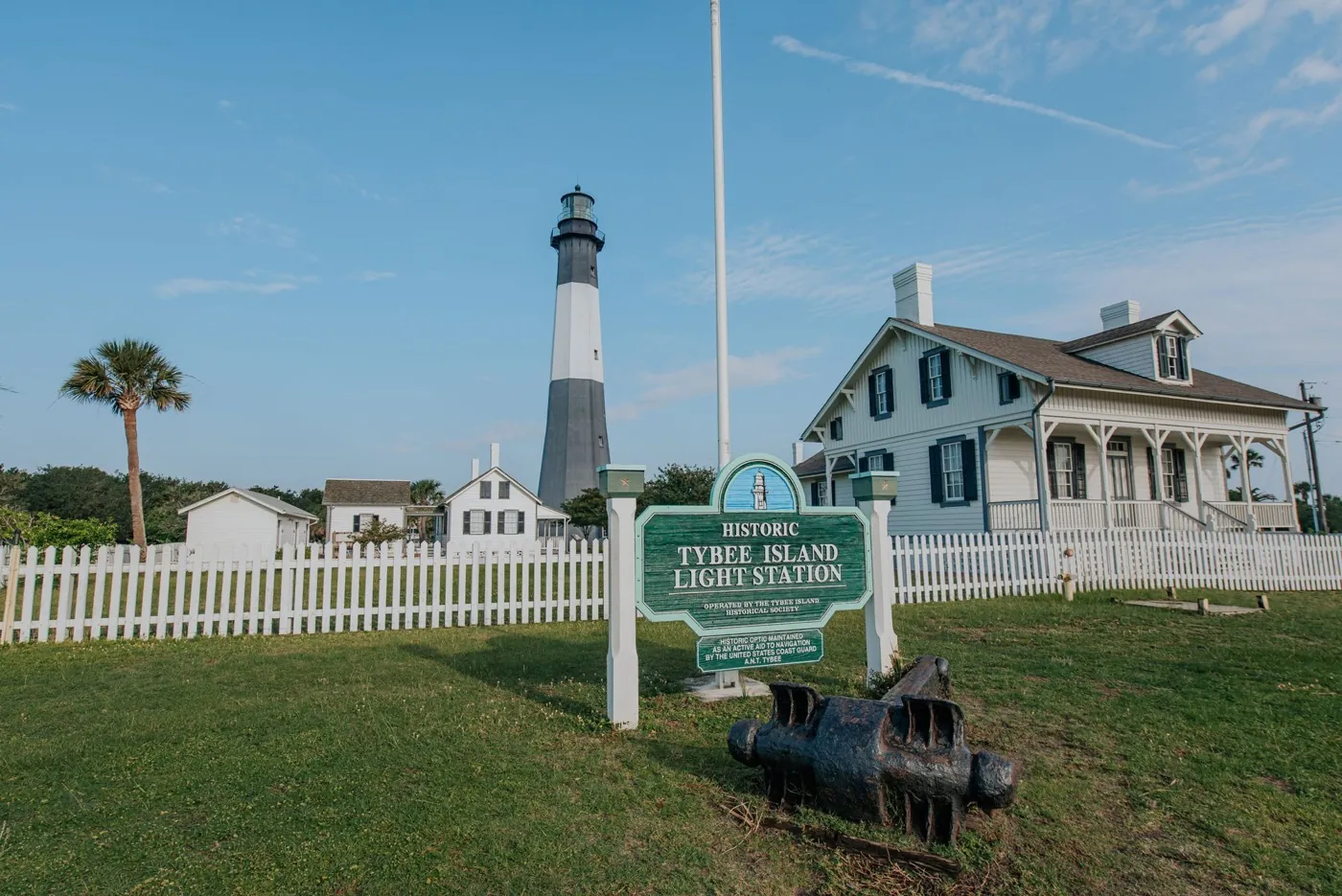
There are 178 steps to the top. Take the climb at your own pace, use the resting opportunities, and consider whether everyone in the group will enjoy the enclosed staircase. The view is a reward, but the grounds and exhibits offer reasons to visit even when someone decides against climbing.
The official site currently lists Tuesday closures and warns that adverse weather can close the tower or catwalk. It also prohibits backpacks on the grounds and requires shoes, shirts, and covered swimwear. Check the current visiting information before arriving straight from the beach.
Admission includes the Tybee Museum across the road and two hours of lighthouse-lot parking. Leave time for the keeper buildings and domestic exhibits instead of spending the entire allowance on the tower. The station's long history involves several structures and rebuilding campaigns; the present tower should not be mistaken for an untouched building from the 1730s.
8. Explore the Tybee Museum in Battery Garland
Battery Garland gives the Tybee Museum a setting that is part of the story. The former coastal-defense structure stands across from the light station, with substantial walls and spaces quite different from the keeper buildings. Visiting both sites reveals how the north end combined navigation, military defense, and ordinary island life.
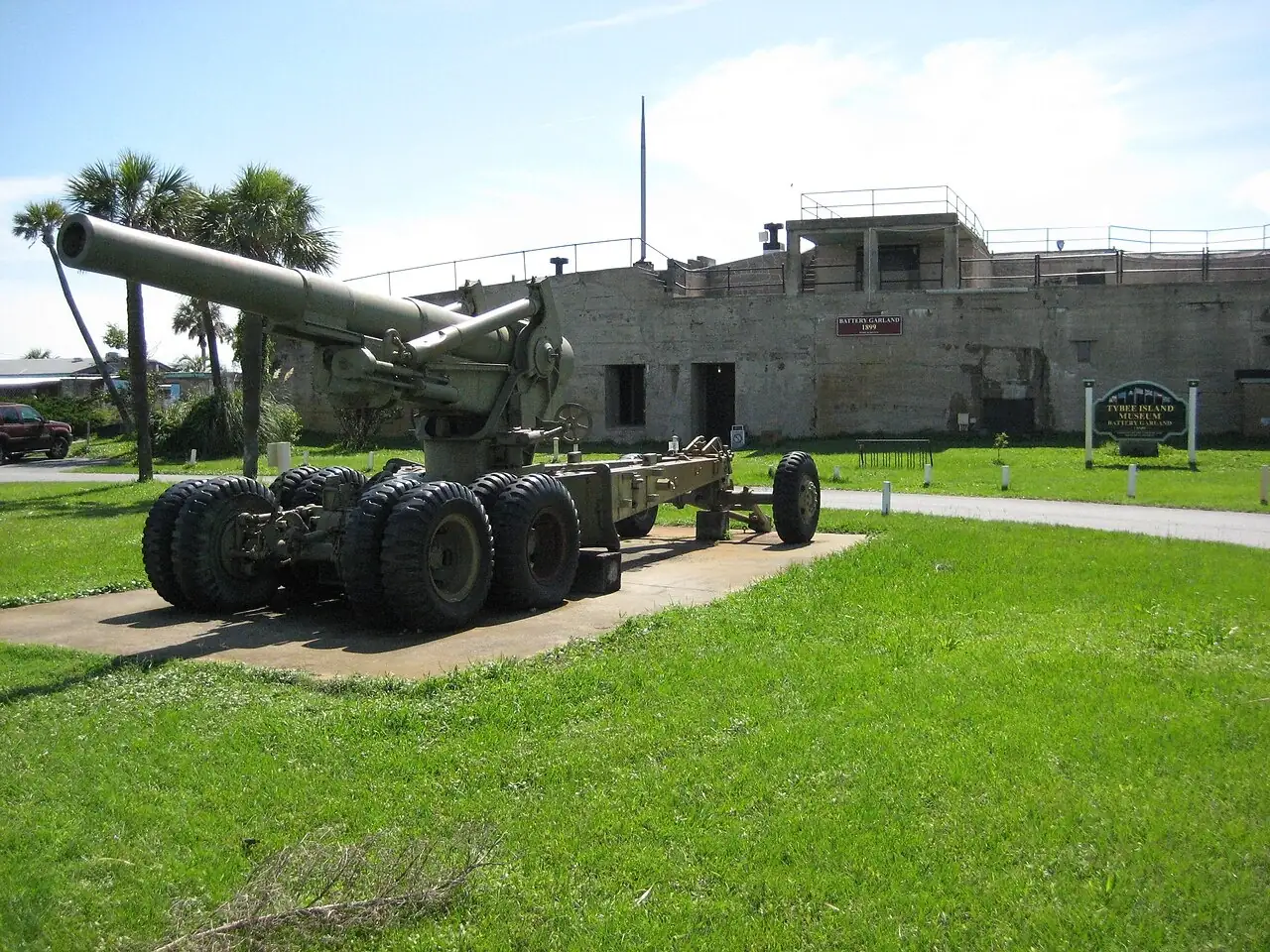
The museum's exhibits broaden the trip beyond the lighthouse climb. Look for the island's changing roles as a strategic coastal location, a military community, and a beach destination. Historic objects and photographs make the transformation easier to picture than a string of dates on a sign.
Use the combined light-station admission and check which spaces are open that day. This is particularly worthwhile for someone who enjoys history but does not want to climb the tower. It is still sensible to ask about steps and routes if access is a concern; a historic battery has different constraints from a purpose-built modern museum.
9. Walk Through the Fort Screven Historic District
Fort Screven is woven into the north end rather than contained inside a single attraction gate. Former military buildings, batteries, and officers' homes help explain why this part of Tybee looks different from the commercial blocks near the pier. A walk after the museum lets you connect the exhibits with the surrounding streets.
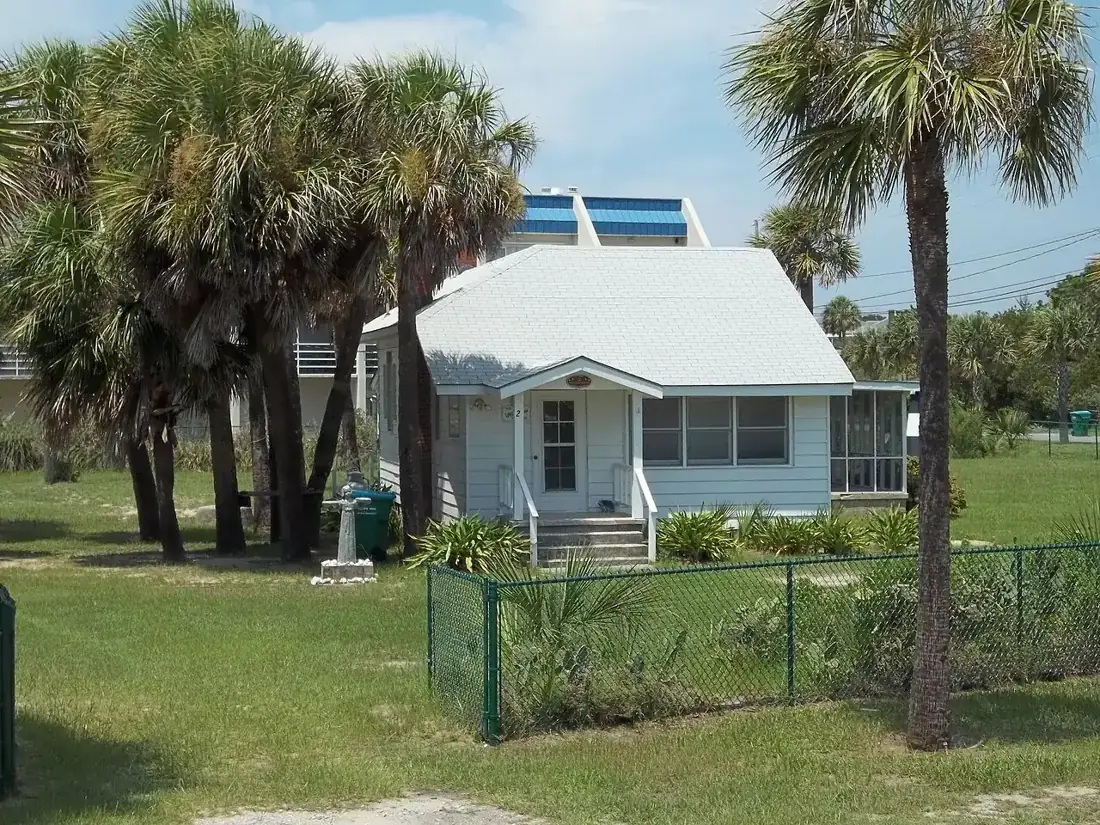
Focus on the public routes around the light station, the theater, and the historic neighborhood. Read the available markers and notice how buildings have been adapted to later uses. Much of the former installation is now private property, so this is an exterior history walk rather than permission to enter every old structure.
Go early or later in the day when the heat is less tiring, and keep the route short enough that everyone remains interested. A guided history outing can add context if military history is a priority. Avoid climbing batteries or crossing barriers for a photograph; the best way to appreciate the district is from the places visitors are allowed to stand.
10. Visit the Tybee Island Marine Science Center
The Marine Science Center makes the water outside more interesting. Instead of treating the coast as scenery, you can look closely at its animals, habitats, and the connections between ocean, beach, and marsh. The North Beach location makes it easy to pair with the lighthouse or break up a hot afternoon on the sand.
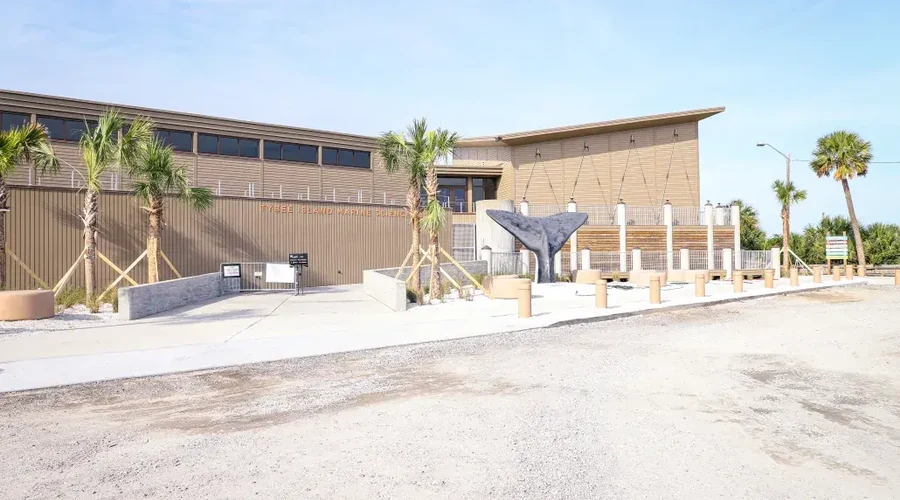
The center describes most of its live exhibits as catch-and-release, with a few permanent residents. That means the animals on display can change. Enjoy the touch-tank experience under staff guidance, explore the fossil room, and leave time for the interactive exhibits instead of arriving with a fixed list of creatures you expect to see.
Its current visitor information lists Wednesday-through-Monday opening and Tuesday closure for tank maintenance. Public programs can operate separately, so a closed exhibit day does not necessarily mean every educational activity is unavailable. Check the program you actually want.
The center is at 37 Meddin Drive, at the end of the city-owned North Beach parking lot. Parking is paid separately. Families should compare general admission with a program that includes entry, since buying the two independently may be unnecessary.
11. Join a Guided Beach Ecology Walk
A beach ecology walk changes what you notice during the rest of the holiday. A shell, a burrow, or a scrap of material along the tide line becomes a clue to how the shoreline works. The Marine Science Center's educator-led walk uses North Beach as an outdoor classroom, making it a good fit for curious adults as well as children.
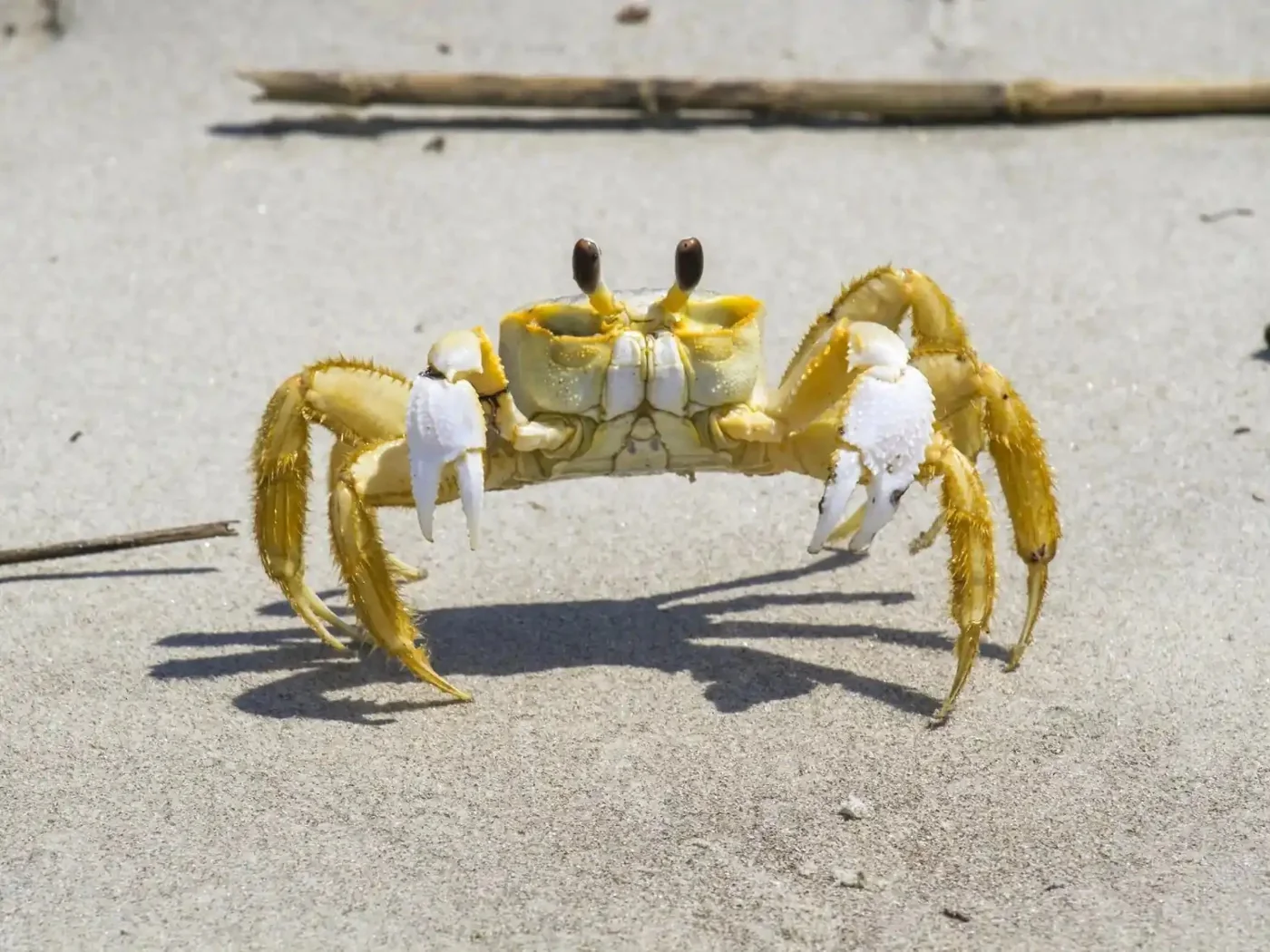
The published program lasts about an hour and includes general admission to the center. Book the actual time slot and follow its meeting instructions rather than assuming a walk begins whenever you arrive at the building. Wear footwear and clothing that can handle sand, sun, and the day's weather.
This is an especially useful early-trip activity: afterward, an ordinary beach walk has more to offer. Keep handling and collecting within the educator's instructions, leave living animals where they belong, and do not turn the outing into a race to fill a bag with shells. The point is learning to see the coast more clearly.
12. Bring Binoculars to North Beach
Birdwatching gives North Beach a reason to visit beyond swimming weather. Shorebirds work along the waterline, gulls and terns move offshore, and migration brings different possibilities through the year. A short, attentive walk can be rewarding even if you cannot name every bird you see.
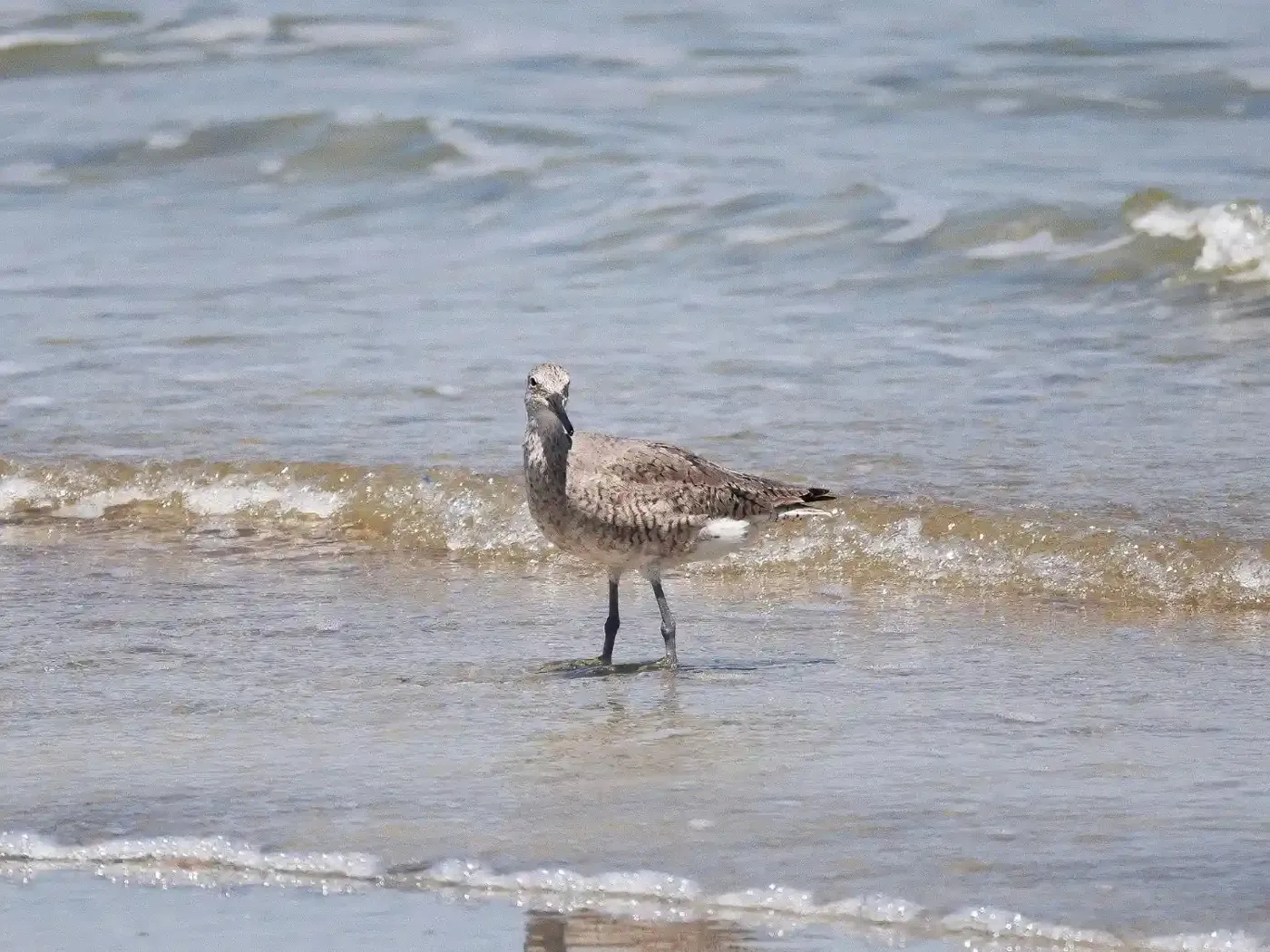
Begin from public beach access near the lighthouse and follow current signs around protected areas. Keep binoculars handy and use a camera's zoom instead of closing the distance. If birds repeatedly move away from you, give them more space; feeding and resting are more important than a close photograph.
Fall and winter can be particularly interesting for visiting shorebirds, while the wider coast offers wildlife throughout the year. Sightings depend on tide, season, and luck. Combine a modest birding session with the science center rather than promising a child a particular species that may not appear.
13. Cross the Drawbridge at Fort Pulaski National Monument
Fort Pulaski is a worthwhile break from beach routines, with a moat, heavy brick walls, and a story that is easy to connect to the building in front of you. During the Civil War, Union rifled artillery breached the fort and forced the Confederate garrison to surrender. Looking at the surviving damage makes the effect of that technology more tangible than a summary in a guidebook.
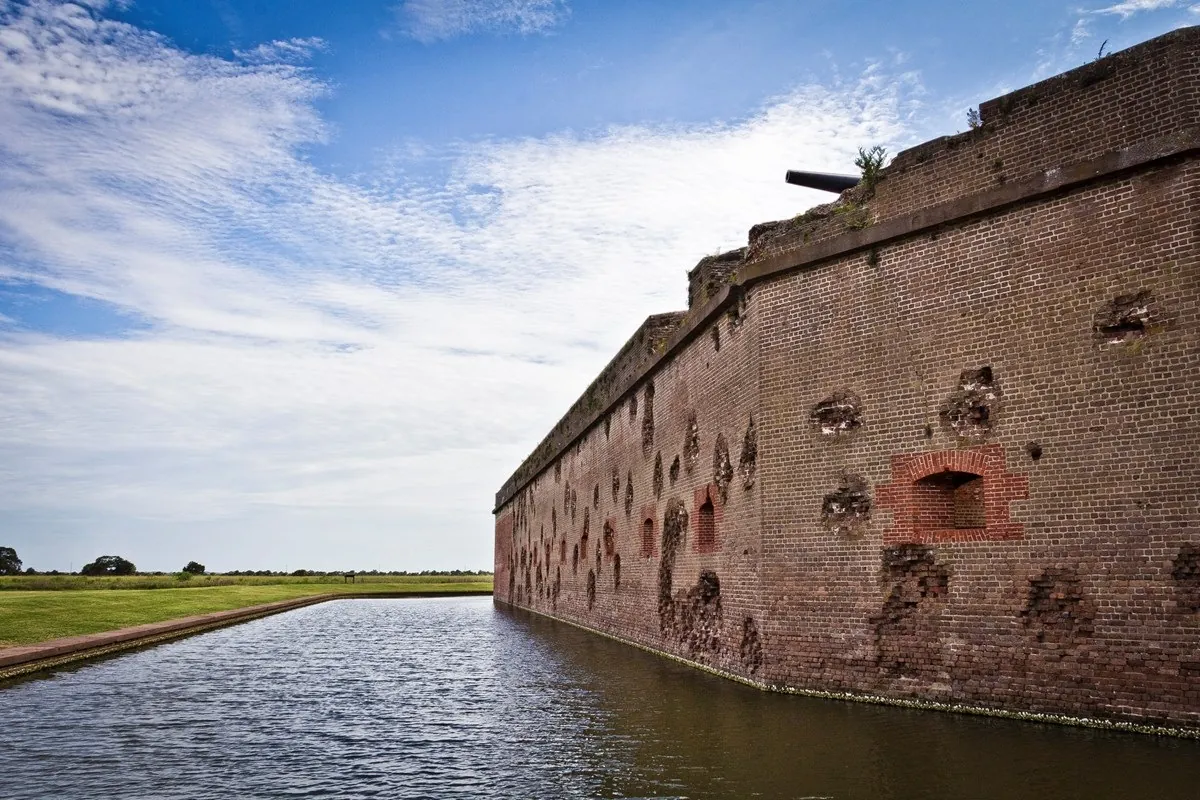
The monument is on Cockspur Island, along the drive between Savannah and Tybee, rather than in the island's beach district. Allow a substantial part of a morning or afternoon for the fort, exhibits, and outdoor spaces. Bring water and sun protection: a historic structure does not make every part of the visit shaded.
Check the National Park Service alerts before leaving. Preservation work can close individual rooms or routes, and ranger programs or firing demonstrations should be treated as scheduled activities rather than daily guarantees. Follow current barricades even if an older map shows access.
If you are traveling with a dog, check the park's current pet rules and permitted areas before making plans. A visit to the monument and a Tybee beach day have different restrictions; the city's beach dog ban still applies when you return to the sand.
14. Add a Nature Walk Around Fort Pulaski
The landscape around the fort deserves time too. Marsh views, open ground, and birds along the water provide a change of pace after the indoor exhibits. A short walk can turn a fort visit into a fuller coastal outing without adding another drive.
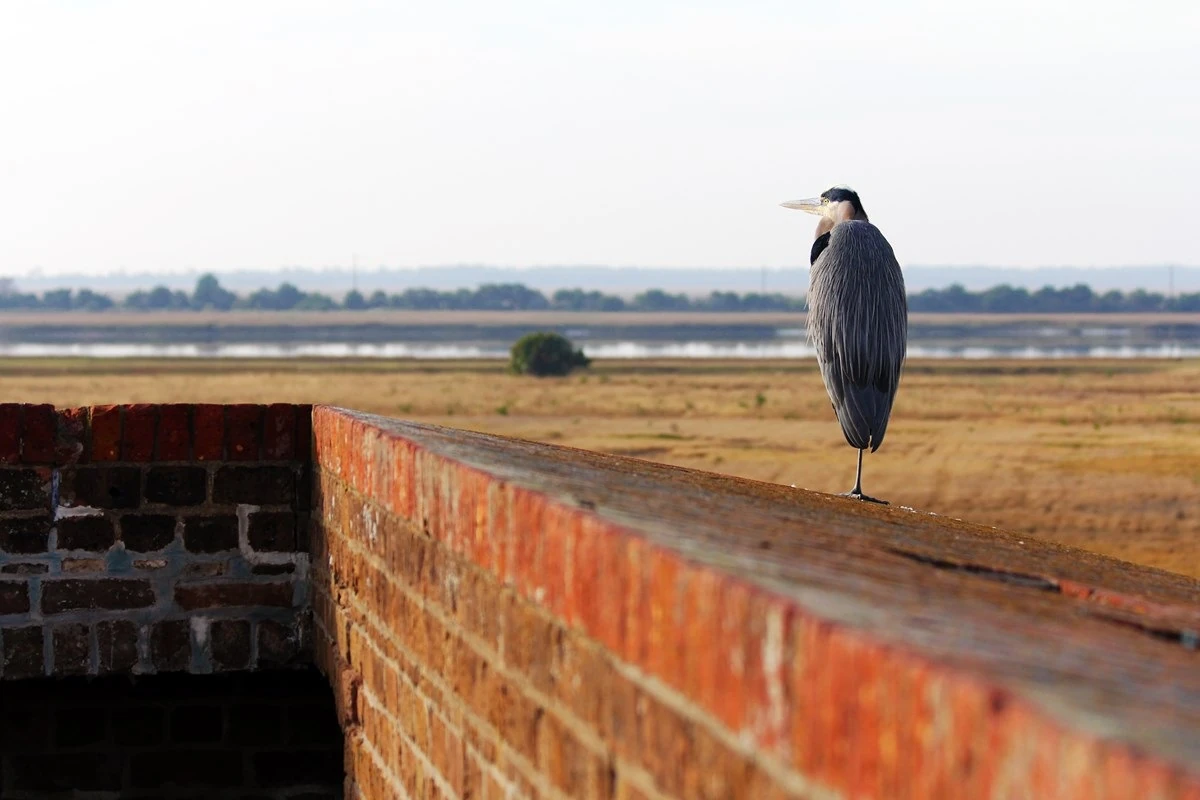
Ask at the visitor center which trails are open and appropriate for the time and conditions available. Choose a route you can finish comfortably before the park closes. Exposed stretches can be hot, and insects or wet ground may make a shorter walk more enjoyable than the ambitious route you imagined at breakfast.
Do not follow older cycling guides automatically onto McQueen's Island Trail; check its restoration-related closure status first. The north shoreline of Cockspur Island is permanently closed, and marsh access is restricted. Stay on authorized trails rather than treating the fort's surroundings as unrestricted beach or wetland access.
15. See Cockspur Island Lighthouse From an Authorized Viewpoint
Cockspur Island Lighthouse has a very different presence from Tybee's tall tower. The smaller white structure sits beside the water, with marsh and river traffic setting the scene. It is a good subject for a longer-lens photograph and a useful reminder that this coastline has more than one historic navigation landmark.
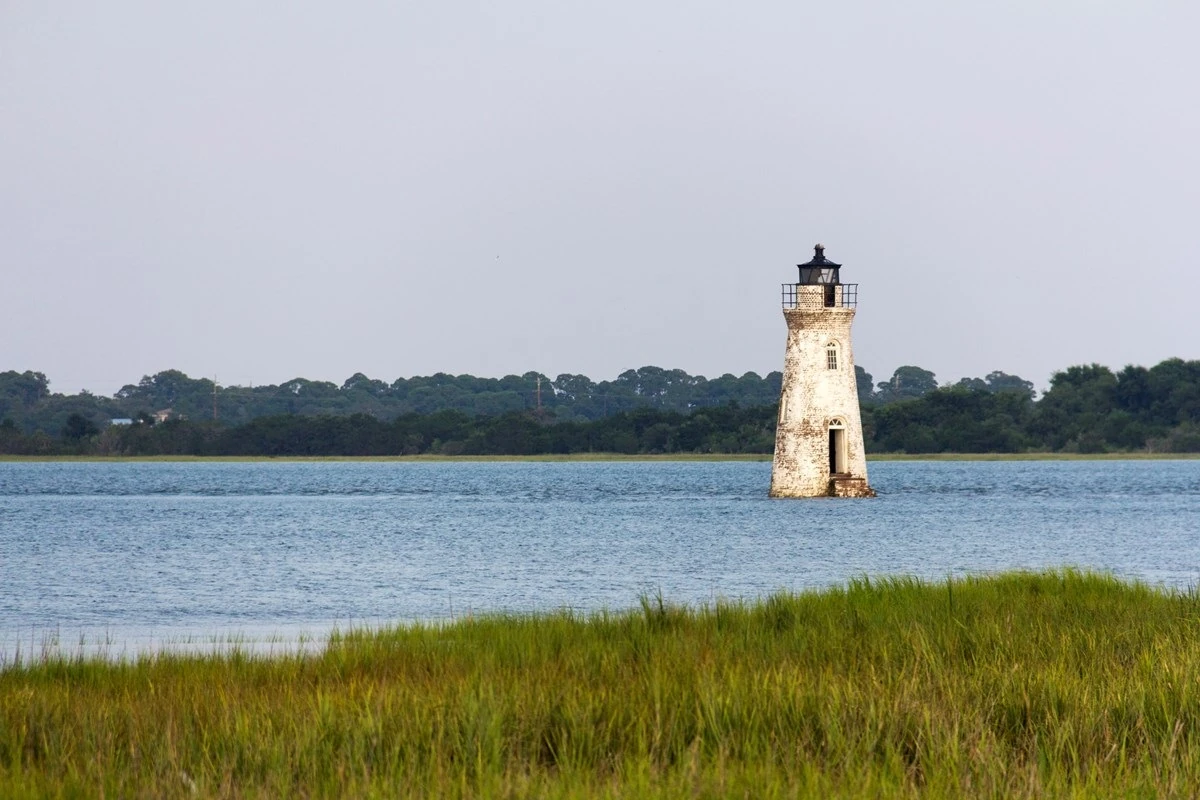
Ask the National Park Service about the current land-based viewing route, or choose a boat tour that identifies the lighthouse as part of its itinerary. A boat sighting is not a landing or a tower tour, and changing water conditions can affect the route and view.
The lighthouse and its island are closed to public access. Do not beach a kayak there, cross the marsh, or attempt to enter the structure. Older descriptions that invite visitors to paddle directly to it need to be read against the current restriction. This entry is about seeing the lighthouse from an allowed location.
Dolphins, Paddling, and On-the-Water Adventures
16. Take a Dolphin-Watching Cruise
A dolphin cruise is one of the easiest ways to experience the tidal waterways without organizing your own boat. Local operators depart around Lazaretto Creek and the island's waterways, combining wildlife watching with views of marsh, boats, and coastal landmarks. The journey itself is part of the attraction, even before a dolphin surfaces.
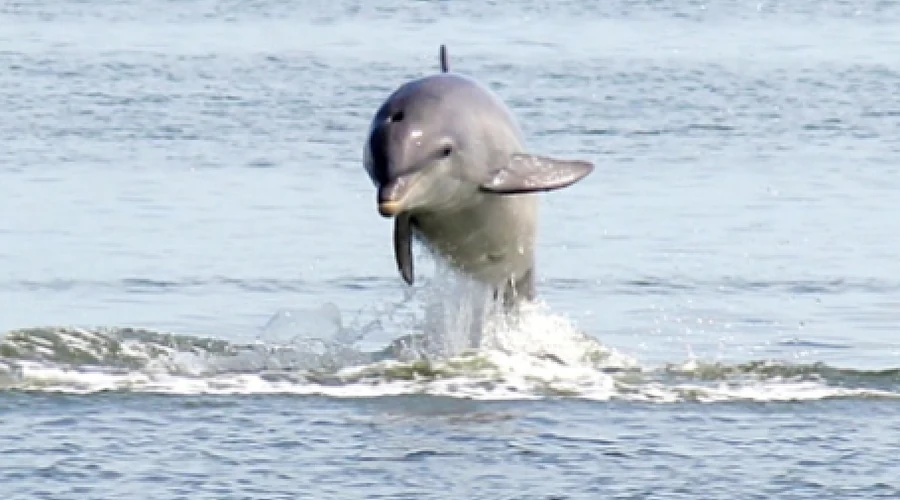
Compare the departure dock, boat size, shade, duration, and bathroom arrangements before booking. A daytime nature trip and a sunset cruise can feel quite different. Families should ask about children's life jackets and seating, while anyone concerned about boarding should confirm the actual steps and dock setup.
Keep the wildlife expectations realistic. Dolphins are wild animals, and a particular jump, close approach, or number of sightings is not something a travel article can promise. Follow the crew's instructions and leave feeding or touching entirely out of the plan.
Some booking products combine the cruise with transportation from Savannah. Those are useful for a Savannah-based visitor, but different from a boat-only departure for someone already staying on Tybee. Read the meeting point before buying so you do not reserve a city pickup you cannot conveniently use.
For a Savannah-based visit, this transport-and-dolphin-cruise option starts in Savannah. Check its full itinerary and what lighthouse access, meals, and free time are included before booking.
17. Make a Guided Trip to Little Tybee Island
Little Tybee offers the clearest contrast with the developed island. Across the tidal water are marshes, undeveloped beaches, and maritime vegetation, with no road bridge bringing a line of cars behind you. A guided boat or paddling trip lets you experience that landscape without trying to turn an unfamiliar crossing into a casual beach errand.
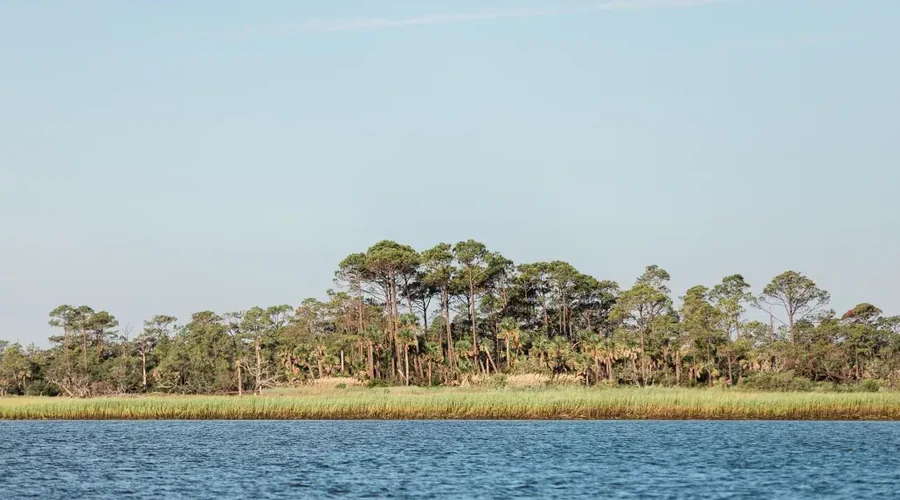
Choose the kind of trip first. A boat excursion can concentrate on scenery, wildlife, and a beach stop; a kayak outing involves more physical effort and may spend much of its time among the creeks. Confirm whether landing time is included and what you need to bring for sun, insects, water, and wet footwear.
Never try to swim or walk across from Tybee, even when a sandbar appears inviting. Strong currents and changing tides shape the whole visit. Go with an experienced operator, follow protected-area restrictions, and carry everything back out.
Overnight camping requires another level of preparation and a current check of rules, weather, tides, and return transport. For most first-time visitors on a weekend, a guided day trip is the more manageable introduction. There are no ordinary beach-town services waiting across the water if you forget supplies.
18. Paddle the Salt Marsh With a Kayak Guide
Kayaking brings you closer to the marsh edges than a larger sightseeing boat can. From a lower seat, you notice the texture of the grass, the bends in a creek, and birds working along the banks. It is a good choice when you want an active outing that still leaves time to look around.
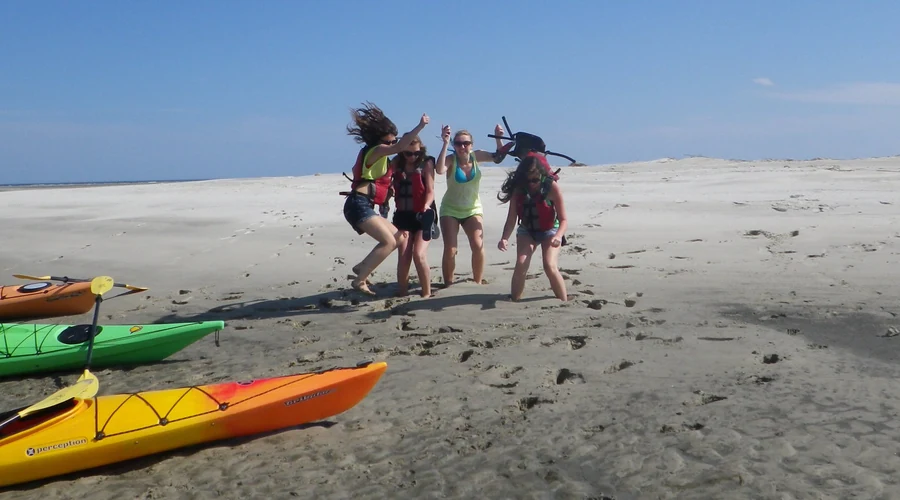
Sea Kayak Georgia offers guided trips for different experience levels. Discuss your group's swimming comfort, fitness, children's ages, and previous paddling before selecting an itinerary. A beginner estuary outing and an exposed-water trip should not be treated as equivalent simply because both use kayaks.
Let the operator match departure time and route to the tide, wind, and weather. Wear the supplied flotation equipment, take drinking water, and protect anything that cannot get wet. The group may cover less distance than you expected and still have a rewarding trip; observation is a better goal than mileage on a first visit.
Ask for the actual launch location after booking. The outfitter's shop address is a planning reference, not a guarantee that every tour enters the water there. This matters when you are arranging transport or trying to fit lunch immediately after the trip.
19. Try Stand-Up Paddleboarding With Instruction
Stand-up paddleboarding gives a familiar stretch of water a new perspective, but the first session is easier when someone helps with balance, turning, and the conditions. Book an introductory lesson or guided outing instead of choosing a board solely because the water looks smooth from shore.
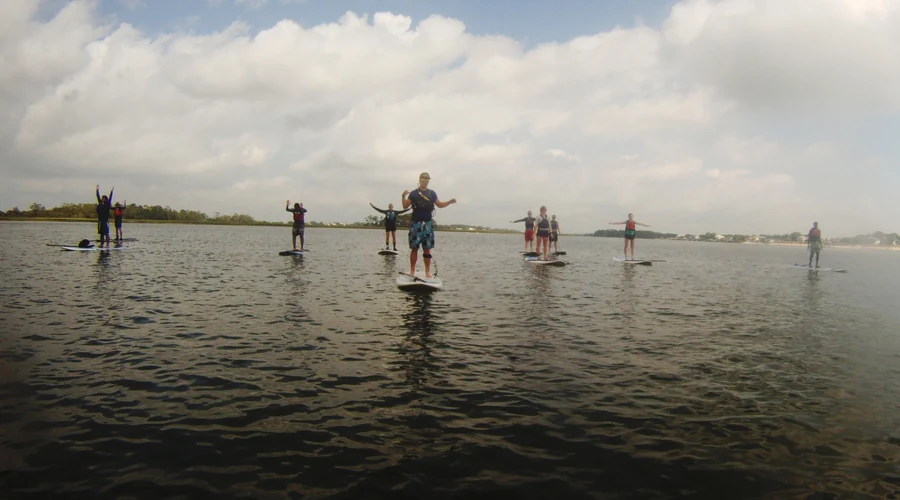
Tybee-area paddling operators offer SUP experiences alongside other watersports. Ask about the launch, the expected current, the wind limit, and whether the session fits a complete beginner. A sheltered-looking channel can still carry a strong tide, so the setting must be chosen for the day's conditions and your ability.
Expect to get wet. Bring sun protection, water, and a way to leave dry clothing ashore. If standing is uncomfortable, tell the instructor; adapting the session or choosing a kayak may make the outing more enjoyable. Avoid scheduling a rigid reservation straight afterward when tide or weather changes could shift the departure.
20. Book a Beginner Surf Lesson
A surf lesson adds a satisfying challenge to a beach trip. The first goal is usually learning how to handle the board, move through the water, and attempt a controlled ride, rather than producing a perfect photograph. It works well for travelers who enjoy practicing something new and do not mind repeated tumbles.
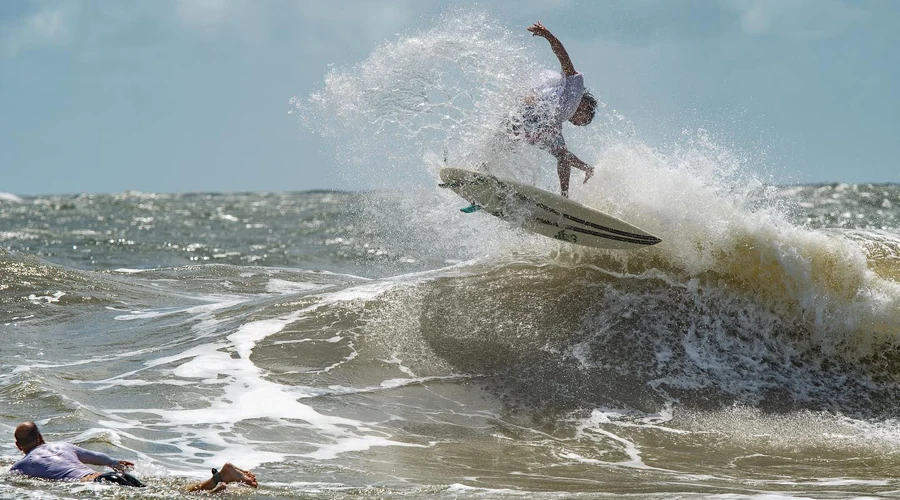
Tybee Surf Lessons lists the North Beach jetty area as its meeting zone and provides boards and instruction. Confirm the precise meeting point, session type, and current seasonal availability when reserving. Parents should discuss a child's swimming ability and comfort in moving water, not just age.
Conditions determine the lesson. Waves may be modest, weather may force a change, and the instructor may need to adjust the plan. Take the safety briefing seriously, keep clear of other beach users, and budget for public parking near the meeting area. A rescheduled lesson is preferable to trying to preserve a vacation timetable in unsuitable surf.
21. Spend a Few Hours Fishing
Fishing slows a Tybee visit down in a useful way. You can watch the water from a public fishing pier or join a charter that supplies equipment and local knowledge. The better choice depends on whether you want a low-key session near shore or a more organized part of the holiday.
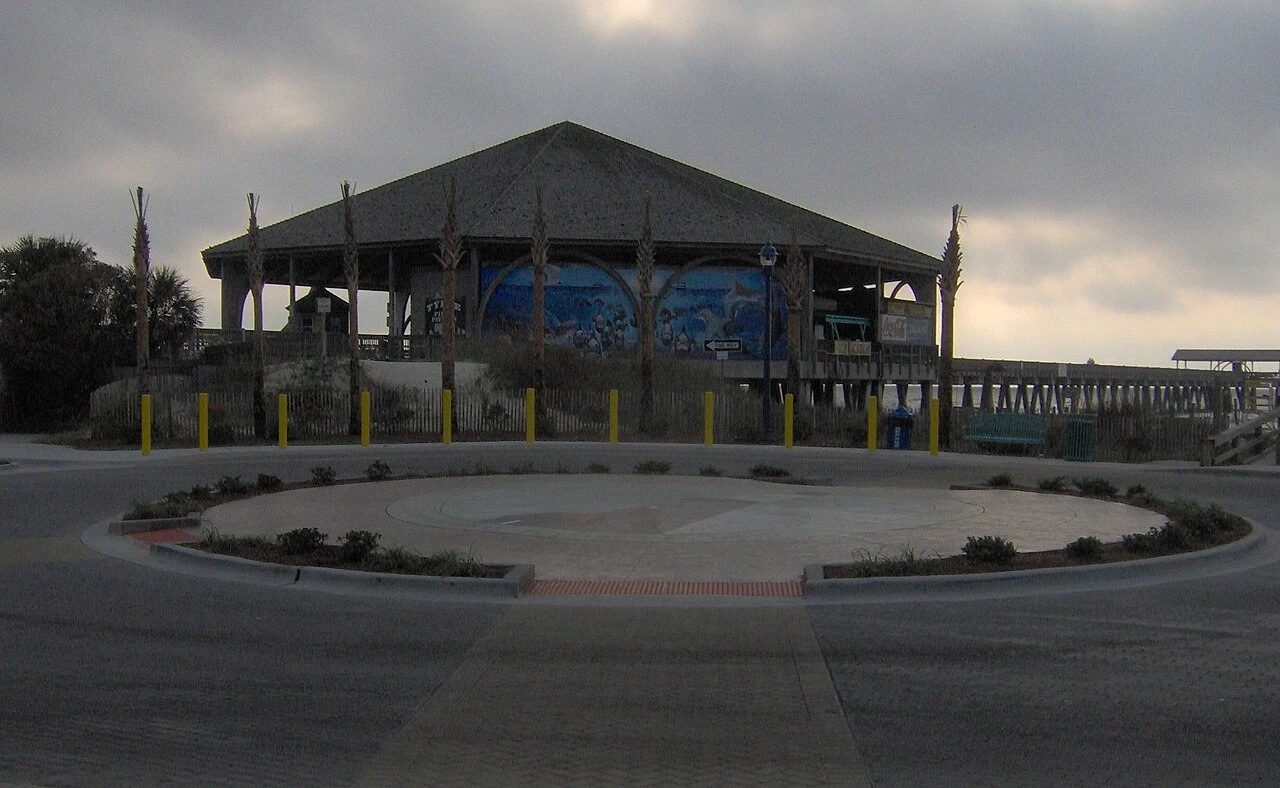
For a shore-based plan, compare the Tybee Pier, Fisherman's Walk on Back River, and the Lazaretto Creek fishing area. Check current access and posted restrictions before setting up. Keep tackle and hooks away from walking routes and give other anglers enough space to cast.
Georgia license and saltwater requirements depend on the angler and activity, so verify them with the Georgia Department of Natural Resources before fishing. Do not assume that standing on a public pier or paying a charter automatically settles every requirement. Ask a charter specifically what its license covers and what passengers must provide.
Bring water, sun protection, and realistic expectations about the catch. A guided inshore trip may suit a first outing better than a long offshore departure, especially for someone unsure about motion sickness. Ask about duration and cancellation terms before committing the whole group's afternoon.
22. Look for Shark Teeth on a Guided Fossil Outing
Fossil hunting gives the coast another timescale. Instead of looking out to sea, you spend time studying small shapes and textures underfoot, with the possibility of finding an old shark tooth or another trace of the region's past. A guide helps explain what you are seeing and which areas visitors may legally search.
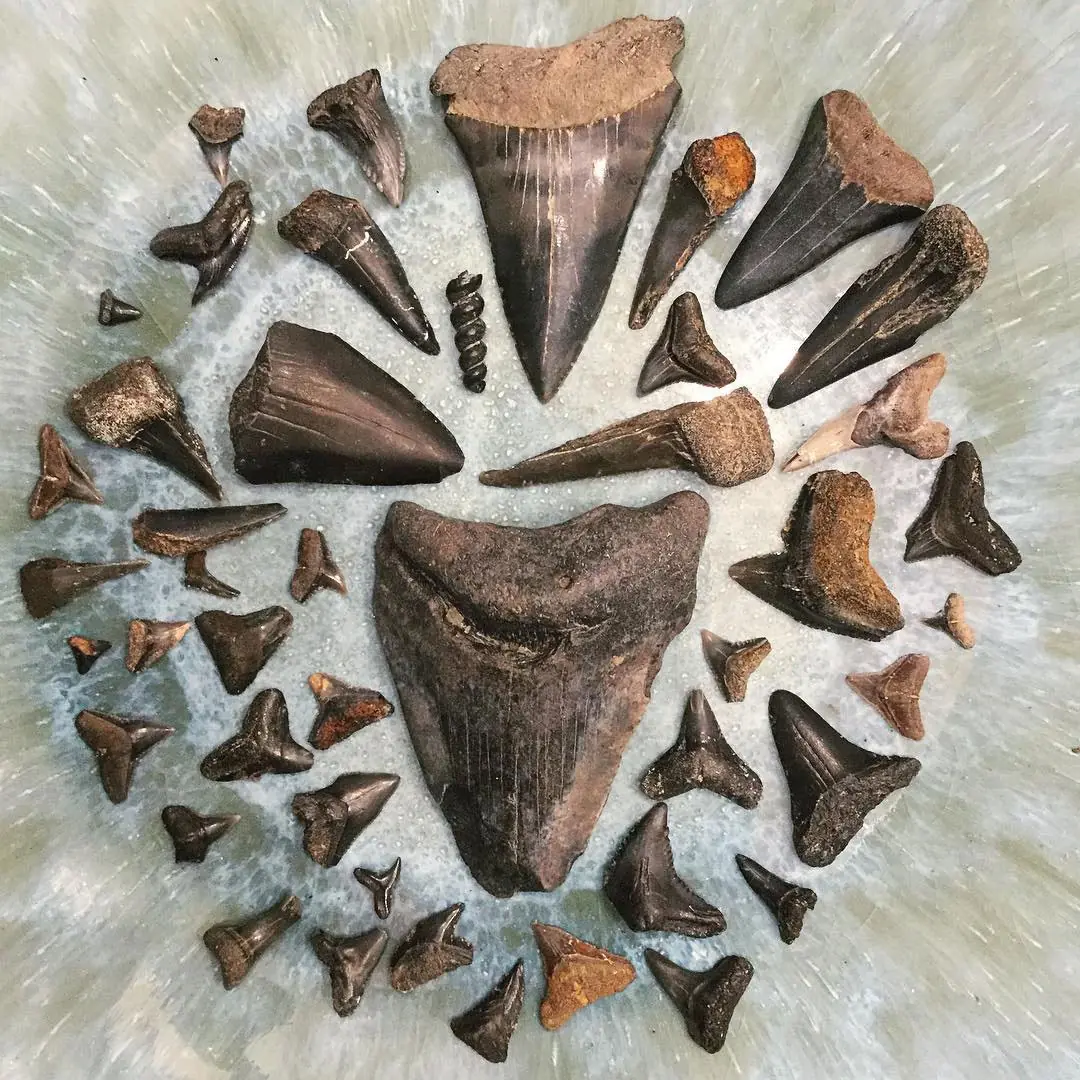
Compare a shore-based walk with a boat-supported excursion. Sundial Charters offers nature and fossil-focused trips, while Tybee Shark Teeth Tours provides beach-based outings. The departure, walking distance, terrain, and tide window can differ substantially, so choose the format that fits the group.
Finds are variable. Treat the lesson and time outside as the experience rather than buying an expectation of a large tooth. Wear shoes suitable for the operator's route, follow collecting rules, and keep away from protected nesting areas. Do not dig into dunes or remove material from a historic site because an older travel photograph makes it look tempting.
Local Streets, Art, and an Evening Out
23. Explore the Island by Bicycle
A bicycle can make Tybee feel more connected. You can move between neighborhoods, stop for a cold drink, and enjoy the smaller streets without hunting for another parking space at every stop. Renting near your accommodation is often more convenient than collecting bikes far from the part of the island you plan to explore.
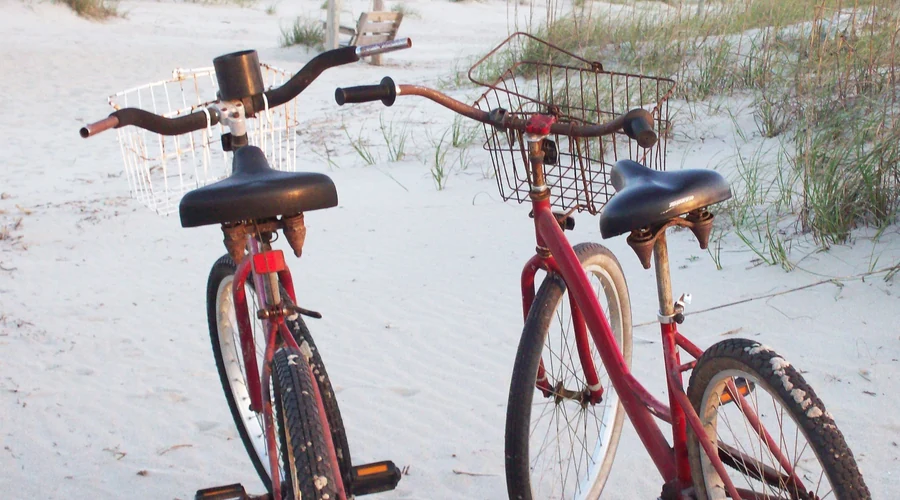
Ask the rental shop for a current route that suits your confidence and everyone else's ability. The Back River streets and Jaycee Park can be useful parts of a gentle ride, while busier roads require more care. Do not interpret the island's compact size as a promise of a separated cycle path everywhere.
Check brakes, seat height, helmets, locks, and lights before leaving. Share paths considerately and obey traffic signs. If the ride ends after sunset, lighting and a clear return route matter more than squeezing in another stop. The beach itself may be less pleasant to ride than it looks, depending on sand and tide.
24. Browse Tybrisa Street and T.S. Chu's
Tybrisa Street makes a useful change from beach time because you can browse without planning a separate excursion. The South Beach blocks combine shops, casual food, and a steady flow of people heading to the pier. It is a good place to pick up a forgotten beach item or choose a small souvenir with everyone in the group nearby.
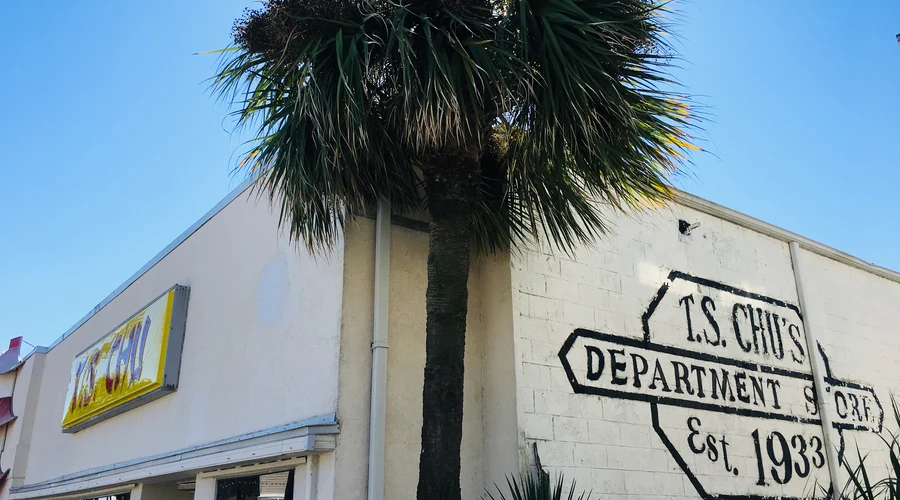
T.S. Chu's Department Store is one of the longstanding names on the street. Look beyond the first rack of T-shirts and enjoy the old-fashioned mix of practical supplies and beach-town browsing. Other shops give the area plenty of variety, so it is worth taking a slow pass rather than buying the first thing you see.
Combine the shopping with a pier walk or an early dinner so you do not pay for another parking session solely for a short errand. Busy evenings can feel crowded, and shop hours vary. If you are looking for local makers rather than general beach souvenirs, save time for the galleries and north-end shopping clusters too.
25. Visit a Local Art Gallery
Tybee's small galleries give you something different to take home from the island. Coastal paintings, pottery, jewelry, and handmade objects offer a more personal reminder than a standard souvenir. You can browse for a few minutes or make the art itself the focus of a quieter afternoon.
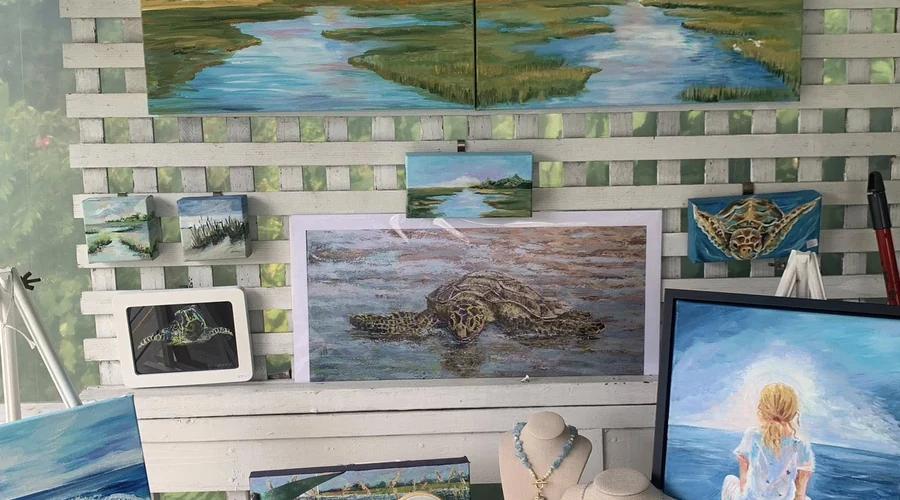
Tybee Art Gallery, Gallery 80, and the Irritable Pelican are useful names to check as you plan. Gallery 80 is in the Highway 80 shopping area; the Irritable Pelican identifies its Tybee location inside the visitor-center building at 802D First Street. Confirm the current address and opening day of the particular gallery you want, since listings can preserve older business details.
Ask which work is locally made and how a fragile purchase can travel home. If you want a class or demonstration, reserve the actual session rather than assuming one will be running during normal shop hours. Galleries are also a sensible weather alternative, though the short walks between businesses still require a plan in heavy rain.
26. Catch a Film or Live Show at the Tybee Post Theater
The Tybee Post Theater is a good reason to leave a gap in the evening schedule. Built as a movie house for the military community at Fort Screven, the restored venue now hosts films, concerts, comedy, and other performances. Its smaller scale makes an evening here feel different from a large city theater outing.
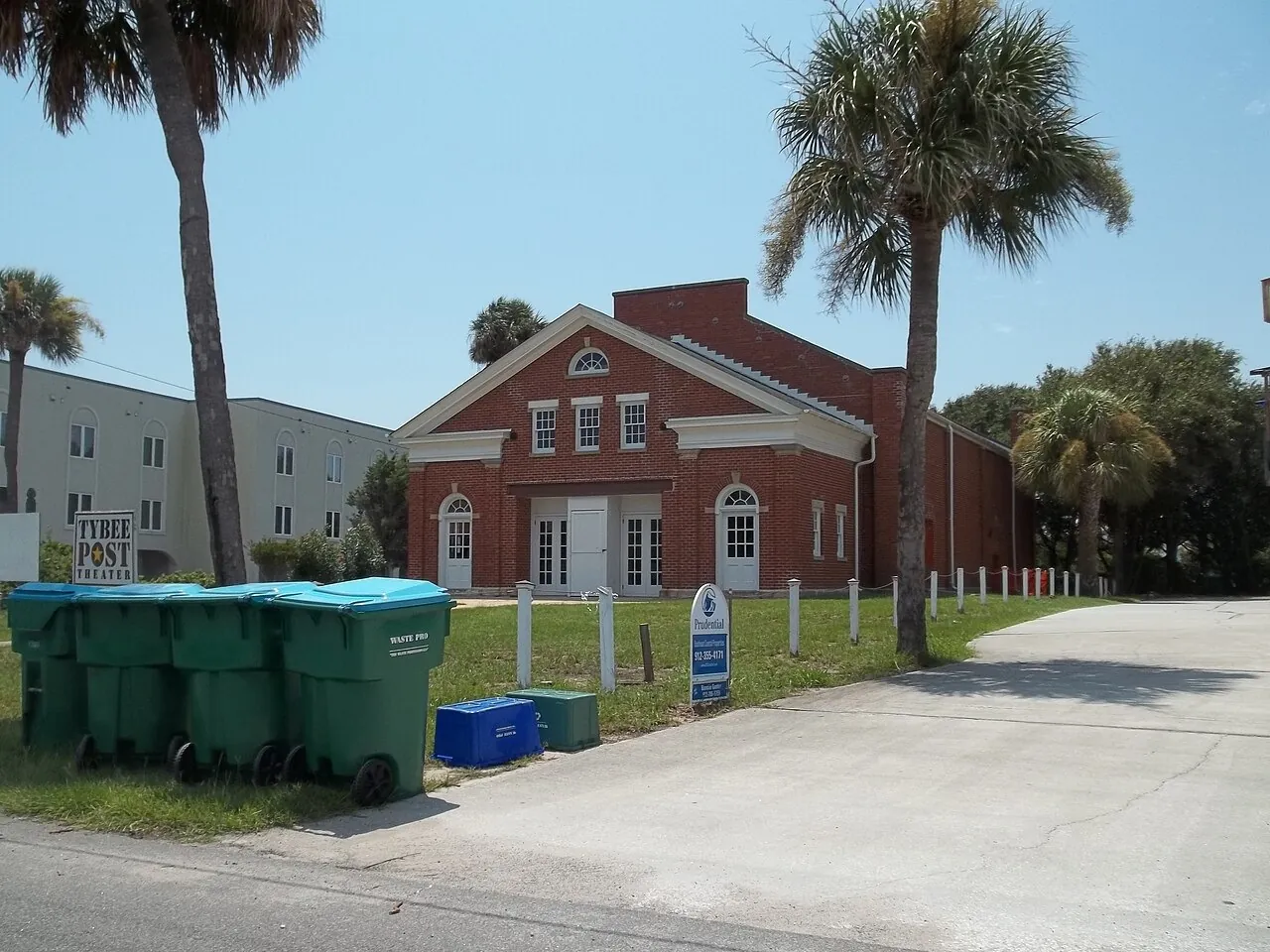
Look at the calendar before choosing your dinner time. A concert, children's film, and special screening have different audiences, ticket arrangements, and running times. Buy through the theater's official ticket links and check accessibility or seating needs directly if they affect your visit.
The theater is on the north end at 10 Van Horne Avenue. Allow time for parking and finding your entrance rather than arriving at showtime after a hurried cross-island meal. It is a particularly useful option when you want evening entertainment that does not revolve around a bar, and a welcome indoor plan when beach weather fades.
Food Stops and a Slower Finish
27. Share a Seafood Meal at The Crab Shack
The Crab Shack is as much a change of setting as a meal. Along Chimney Creek, tables, trees, and waterside views create a different atmosphere from the restaurants near the pier. It is a good choice when you want lunch or dinner to become a substantial part of the day's outing.
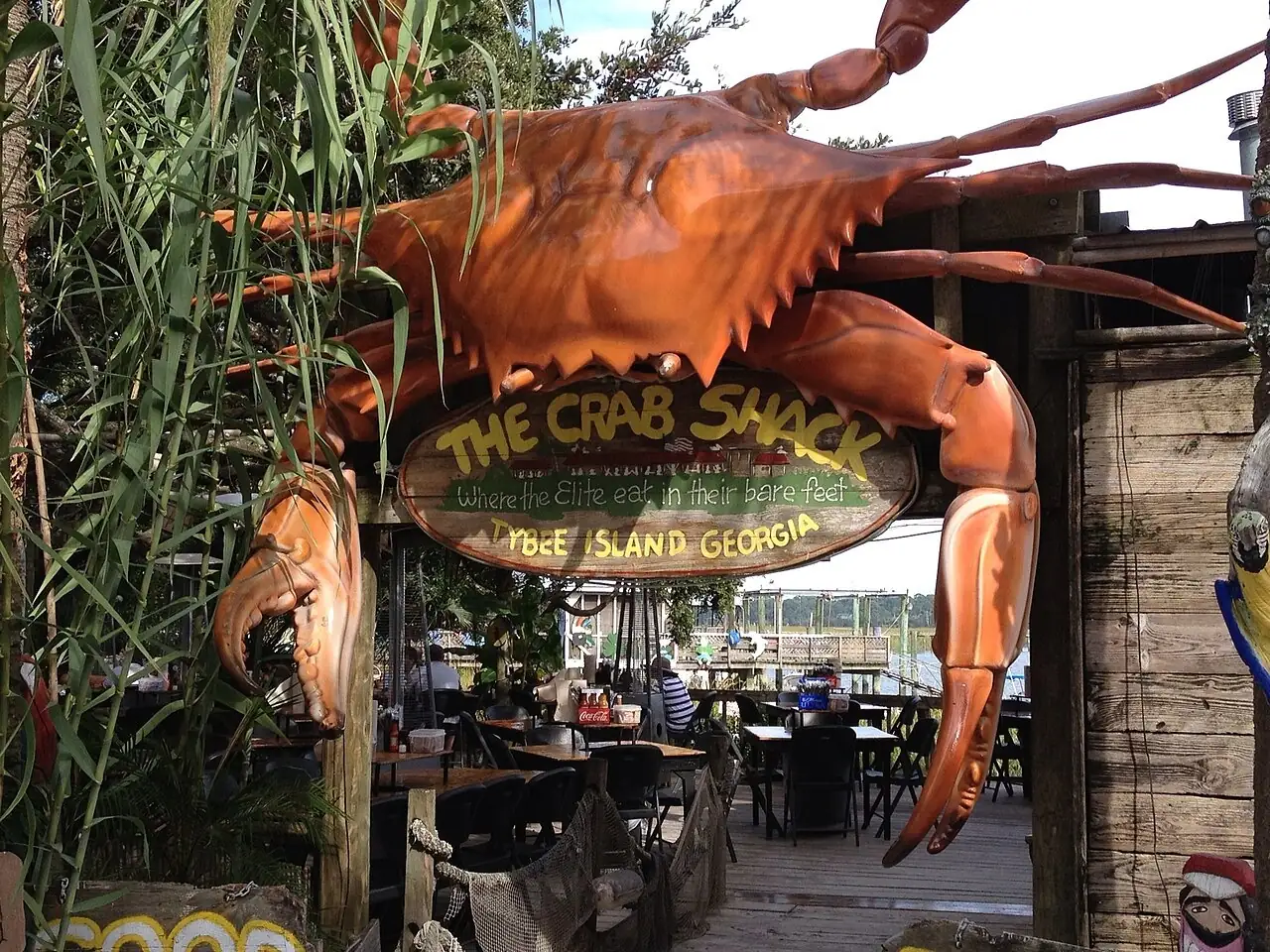
Look through the current menu and decide whether a shared steamed-seafood order fits the group. Platters can be sociable, but portion size, shellfish preferences, and dietary restrictions matter more than choosing the biggest-looking item. Ask about ingredients and cross-contact where needed instead of assuming a seafood-focused kitchen suits every diner.
This is on the creek side of the island area, so plan the trip rather than expecting to walk over from a South Beach towel. Popular meal periods can bring a wait. An earlier visit may be easier for families, while anyone wanting a particular outdoor table should remember that the view cannot always be reserved on demand.
28. Have Dinner by the Water at AJ's Dockside
AJ's Dockside pairs a seafood meal with Back River scenery. The appeal is being able to settle at a table, watch the water, and let the evening unfold at a slower pace. It is a good alternative to another meal in the South Beach commercial blocks when you would rather look toward the marsh and docks.
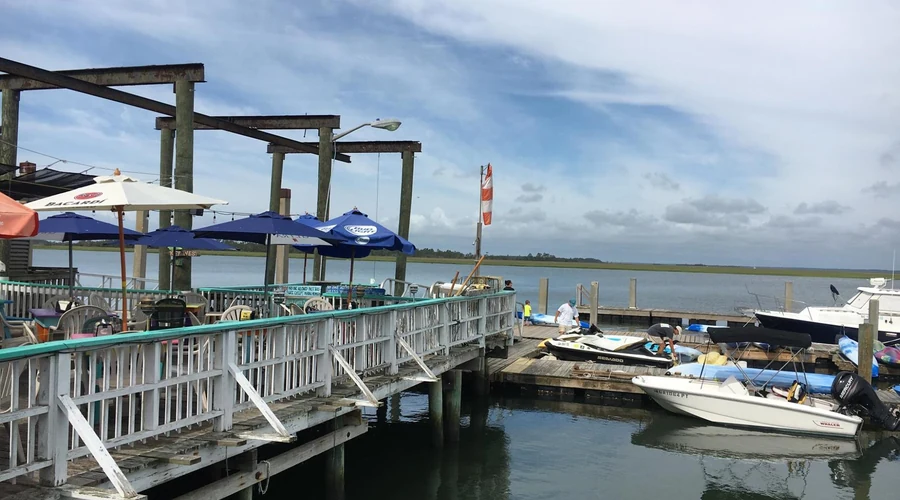
Choose it for the setting as well as the food, and check the current menu before going with a group. Outdoor seating is part of the draw, but wind, rain, heat, and availability can change the experience. Keep an indoor alternative in mind rather than making the whole evening depend on one specific table.
If sunset matters, work backward from the time, the likely wait, and your transport. Do not arrive at the last minute expecting an unobstructed view. A nearby shoreline stop can be the backup plan if dinner takes longer, but keep to public access and leave private docks to their owners.
29. Start the Morning at The Breakfast Club
The Breakfast Club is a South End option for a substantial start before the beach. Its diner format and hearty breakfast dishes suit a day when you would rather sit down and eat properly than assemble a hurried snack on the way to an attraction. Omelets, grits, and a sweet breakfast choice can keep a mixed group happy without making the meal formal.

Arrive with some flexibility. The space and demand can make a popular morning busy, and current opening days should be checked before you walk over. Published directories do not all agree on the weekly schedule, so confirm directly rather than relying on an old claim that it opens every day.
Pair breakfast with the pier and South Beach so the day's route stays simple. If the wait does not suit your plans, Sunrise Restaurant is another established breakfast option to check. A meal stop should make the morning easier, not force you to miss a booked tour because you felt committed to one restaurant name.
30. Stop for Ice Cream at The Sugar Shack
The Sugar Shack is a small pleasure worth keeping in the itinerary. An ice-cream stop gives a hot afternoon a natural pause, especially after a north-end visit or a bike ride. The First Street shop is separate from the pier area, so it can fit neatly into a day around the lighthouse and nearby businesses.
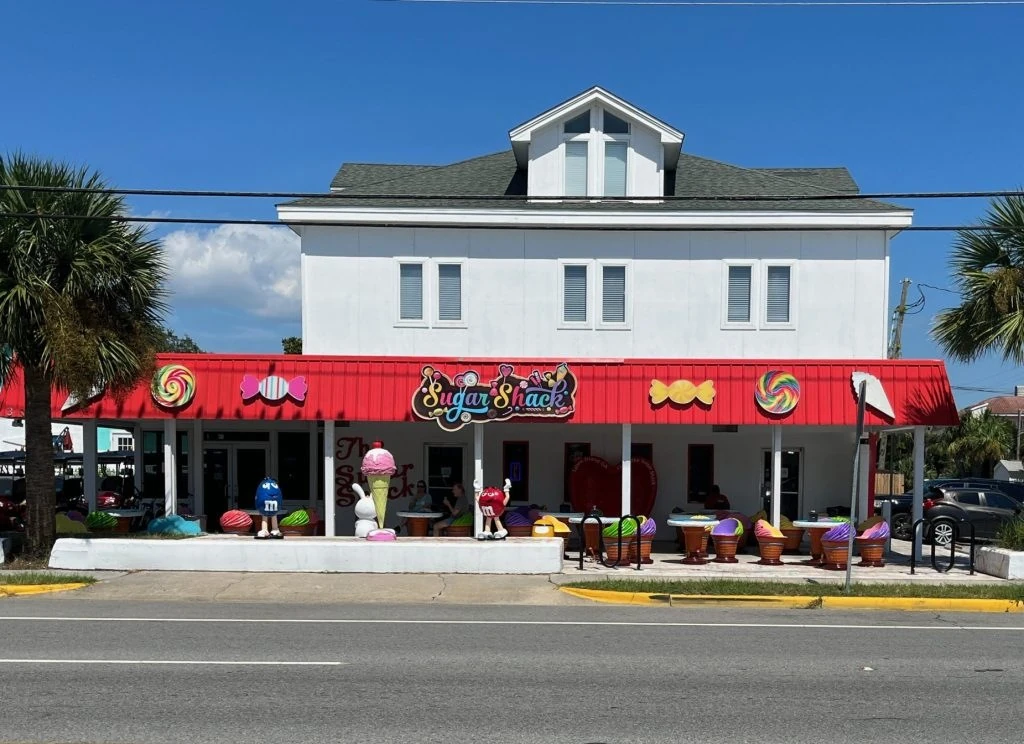
Choose from what is available when you arrive rather than building the trip around a flavor seen in an old photograph. A cone is the classic choice, while a cup can be easier for a child or anyone trying to avoid melting ice cream on the walk outside. Ask about allergens and dairy-free options directly if they matter.
There is no need to turn this into a long attraction stop. Let it be the easy half-hour between bigger plans, and check opening hours before making a special cross-island trip. Sometimes the most memorable part of a beach holiday is simply sitting down together with something cold.
31. Take a Shaded Break at Jaycee Park
Jaycee Park is a useful change of pace when the family wants to stay outside but has had enough sand. On the north end near the Fort Screven district, its paths, waterway, play area, and picnic spots offer a different kind of downtime. Children can move around while adults enjoy a break from carrying beach equipment.
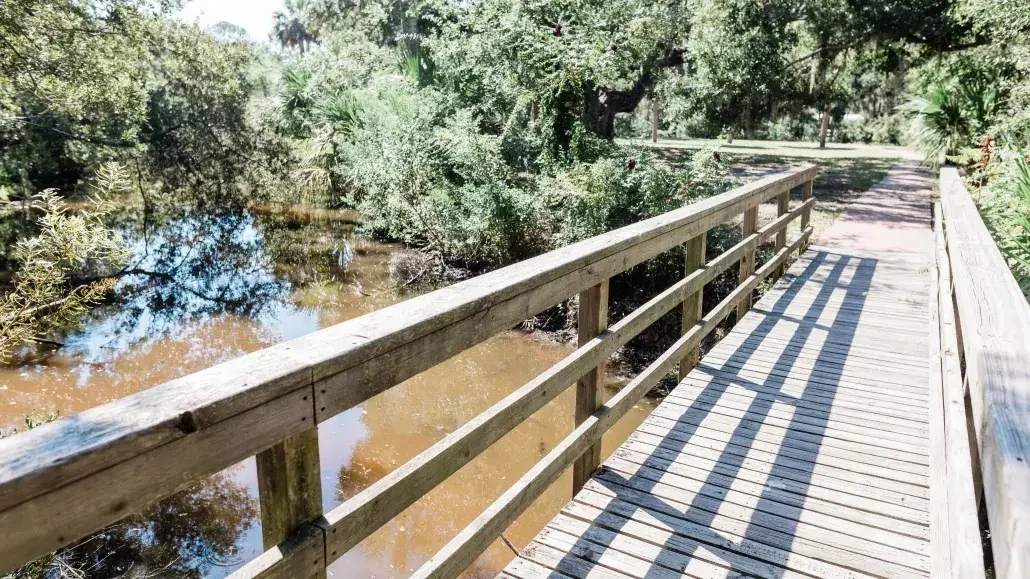
Keep the plan simple: a short walk, a playground session, or lunch at an available picnic table. Check current notices and any work affecting paths or facilities when you arrive. Shared recreation areas may be in use, and first-come picnic space is not the same as a reserved gathering area.
The park pairs well with a north-end bicycle ride or a visit to the nearby historic district. Check parking signs and payment requirements rather than assuming a community park has free visitor parking. Stay back from the water's edge, supervise children, and bring insect protection if conditions call for it.
How to Turn the List Into a Great Weekend
For a first full day, concentrate on the north end: lighthouse and museum in the morning, a beach or science-center session afterward, then ice cream and a theater performance if the calendar suits. On the other day, choose South Beach and the pier, or commit a substantial block to a guided water excursion. A sunset at Back River can finish either day without adding another major attraction.
Fort Pulaski works well on an arrival or departure day because it lies along the route between Savannah and Tybee. Leave enough time to visit before closing rather than treating it as a five-minute roadside stop. If you want Savannah sightseeing too, give it a separate block of time; the single-road approach and peak beach traffic make a rigid promise of a 20-minute drive unhelpful.
Food does not have to mean seafood at every meal. Alongside the stops above, compare current menus at North Beach Bar & Grill, Sting Ray's, Fannie's, Pier 16, Chamaco's, and Sea Wolf according to where you are spending the day. The Deck Beachbar & Kitchen is another option to check for a Mid Beach meal with an ocean setting. Confirm opening days, dietary options, and any live-music schedule before making a particular venue the centerpiece of an evening.
Tybee's event calendar can change the trip as much as the weather. Look for the Beach Bum Parade, sand-art events, summer celebrations, the Pirate Festival, and the New Year's Polar Plunge when planning dates. Their programs, access, and traffic arrangements vary by year. Choose an event weekend because you want the activity and atmosphere, or select another date if a less busy visit is the priority.
Where to Stay for These Activities
Stay near South Beach if walking to the pier, restaurants, and Tybrisa Street matters most. A north-end base puts you closer to the lighthouse and historic district, while a Mid Beach stay can make returning to your room between beach sessions much easier. Check the exact public beach access and walking route, not just a listing's broad neighborhood label.
DeSoto Beach Hotel is a property to compare for a hotel-based beach stay, with room categories that differ by view and layout. Confirm the final rate, cancellation policy, parking, and included breakfast for your booking. A B&B such as Surf Song or Beachview can suit travelers who prefer a smaller property; a cottage or condo with a kitchen can work better for a longer family visit. River's End is a separate campground/RV option to investigate if that is how you travel.
Tybee has the feel of a compact beach town with independent businesses and several accommodation styles. If you are comparing it with a larger resort stay around Hilton Head or elsewhere along the neighboring coast, our South Carolina resort guide explains the differences in setting and included benefits. Match the destination to the holiday you want rather than treating the two as interchangeable beach addresses.
Practical Details Before You Go
Tybee is a pay-to-park community. The city's current information lists public parking at $4 per hour, enforced from 8 a.m. to 8 p.m. daily, including weekends and holidays. Read the signs where you park, use the correct vehicle details when paying, and allow for limited space on busy beach weekends. A restaurant or attraction may have its own arrangements; that does not make the surrounding public streets free.
On the beach, keep off the dunes and use marked crossovers. Pets are prohibited on the city beaches, as are smoking, glass containers, fires, and other restricted activities. Review the city rules before packing, particularly if you are traveling with a dog or bringing equipment. Golf carts have route restrictions and are not a substitute for understanding the island's traffic rules.
Check the marine forecast, beach conditions, and tide times each day. River mouths and the water separating Tybee from Little Tybee can carry strong currents. Swim near a staffed lifeguard area when available and follow posted directions. If thunder interrupts the beach day, leave the exposed sand and water for a substantial enclosed building or vehicle; an open pavilion is not reliable lightning shelter.
For a summer visit, leave space for heat, humidity, and sudden storms. Spring and fall can be comfortable for walking and cycling, but water activities still depend on conditions and operator schedules. Coastal travel during the June-through-November Atlantic hurricane season calls for close attention to forecasts and the cancellation terms of prepaid stays and tours.
Ask about accessibility for the exact activity rather than relying on a general island description. Beach mats, surface conditions, boarding steps, stairs, and historic buildings pose different questions. Check with the city about current beach-access equipment and with operators about assistance before booking. Also keep seasonal sea-turtle protections in mind: avoid nests and wildlife, limit lights on the beach, remove belongings, and leave the sand clear when you go.
Map of the Tybee Island Places in This Guide
Use the markers to compare the island’s north end, South Beach, Back River, and nearby Cockspur Island. Several activities share a location. Tour pins identify an operator or planning reference; confirm the meeting point on your reservation. The Cockspur lighthouse marker uses the national monument as a viewing-route reference, not permission to land at the closed lighthouse.
Open the full interactive Tybee Island map.
Final Thoughts
The best Tybee Island trip balances a few planned experiences with time that belongs to the beach. A lighthouse climb, a guided marsh outing, or a show at the Post Theater gives the visit shape; a slow breakfast and an unhurried sunset keep it from feeling like a checklist.
Choose the part of the island that fits each day, book the weather-dependent activity with some flexibility, and leave more space than you think you need between stops. You will get more from Tybee by enjoying a handful of places properly than by hurrying through all 31.