This article contains affiliate links. We may earn a commission if you book through them, at no extra cost to you.
Ordering your first coffee in Italy can feel surprisingly difficult when there’s a queue behind you and the words you practiced have disappeared from memory.
A few useful Italian travel phrases can make that moment easier. You need a way to greet someone, explain what you want, and ask them to repeat an answer you didn’t catch.
This guide follows the situations you’ll encounter during a trip: arriving at the airport, taking trains, ordering meals, checking into accommodation, and asking for help. Alongside the phrases, you’ll find pronunciation support, likely replies, and short conversations to practice before you go.
Start with the essentials, then learn the sections that match your itinerary. The compact cheat sheet at the end is designed to save on your phone.
Start With Five Essential Italian Phrases
These five expressions give you the beginning, middle, and end of many everyday exchanges.
| Italian | English | Approximate pronunciation |
|---|---|---|
| Buongiorno | Good morning / Good day | bwon-JOR-noh |
| Mi scusi | Excuse me | mee SKOO-zee |
| Vorrei… | I would like… | vor-RAY |
| Per favore | Please | pehr fah-VOH-reh |
| Grazie | Thank you | GRAH-tsyeh |
Put them together:
Buongiorno. Vorrei un cappuccino, per favore. Grazie.
Good morning. I’d like a cappuccino, please. Thank you.
The pronunciation guides here are approximate aids for English speakers. Capital letters mark the stressed syllable. Listening to native audio will help with sounds that English spelling cannot represent accurately.
Italian Pronunciation: The Rules Worth Knowing
Clear pronunciation matters more than speaking quickly. Give each vowel its sound, and avoid swallowing the ends of words.
Keep the vowels clear
| Vowel | Approximate sound | Example |
|---|---|---|
| A | “ah” | Pasta |
| E | “eh,” with open and closed varieties | Bene |
| I | “ee” | Vino |
| O | “oh,” with open and closed varieties | Nome |
| U | “oo” | Uno |
The final vowel is usually pronounced. In grazie, for example, don’t drop the ending and say only “grats.”
Watch C, CH, G, and GH
Before e or i, c usually sounds like “ch”: cena, meaning dinner, begins with “CHEH.”
The combination ch keeps a hard “k” sound: che sounds like “keh.”
Before e or i, g usually sounds like the “j” in “jam,” as in gelato. The combination gh keeps a hard “g,” as in spaghetti.
Listen closely to GN, GLI, and double consonants
The gn in bagno sounds roughly like “ny” in “canyon.”
The gli in biglietto is less familiar to English speakers. Listening and repeating is more useful than trying to pronounce every letter separately.
Double consonants should be held slightly longer. In notte, meaning night, give the double t a distinct pause before releasing it.
Greetings and Polite Expressions
Use buongiorno or buonasera when greeting unfamiliar adults, including shopkeepers and hotel staff. Ciao is informal and can mean both hello and goodbye. Arrivederci is a dependable polite farewell. Daily Italian Words
| Italian | English | Approximate pronunciation |
|---|---|---|
| Salve | Hello | SAL-veh |
| Ciao | Hi / Bye, informal | chow |
| Buonasera | Good evening | bwoh-nah-SEH-rah |
| Buonanotte | Good night | bwoh-nah-NOT-teh |
| Arrivederci | Goodbye | ah-ree-veh-DEHR-chee |
| Grazie mille | Thank you very much | GRAH-tsyeh MEEL-leh |
| Prego | You’re welcome | PREH-goh |
| Mi dispiace | I’m sorry | mee dees-PYAH-cheh |
| Permesso? | Excuse me / May I pass? | pehr-MEHS-soh |
There isn’t a single fixed hour when everyone changes from buongiorno to buonasera. If someone greets you first, replying with the same greeting is an easy choice.
Buonanotte is used when parting for the night or going to bed, rather than as your usual greeting when entering a restaurant.
Scusi or scusa?
Scusi is polite singular; scusa is informal. When approaching an unfamiliar adult, use mi scusi.
You’ll see the same distinction in:
- Parla inglese? — Do you speak English? Polite singular.
- Parli inglese? — Do you speak English? Informal singular.
Learn the polite versions as complete phrases; you don’t need to master the grammar before using them.
Understanding prego
After grazie, prego means “you’re welcome.” At a counter, it can also invite you to order or step forward. Look at the situation as well as listening to the word.
When You Don’t Understand
Knowing how to ask for a slower explanation is useful from your first day.
| Italian | English | Approximate pronunciation |
|---|---|---|
| Parla inglese? | Do you speak English? | PAR-lah een-GLEH-zeh |
| Parlo poco italiano | I speak a little Italian | PAR-loh POH-koh ee-tah-LYAH-noh |
| Non capisco | I don’t understand | non kah-PEE-skoh |
| Può ripetere, per favore? | Can you repeat that, please? | pwo ree-PEH-teh-reh, pehr fah-VOH-reh |
| Può parlare più lentamente? | Can you speak more slowly? | pwo par-LAH-reh pyoo len-tah-MEN-teh |
| Può scriverlo? | Can you write it down? | pwo SKREE-vehr-loh |
| Può indicarmelo sulla mappa? | Can you show me on the map? | pwo een-dee-KAR-meh-loh SOOL-lah MAP-pah |
For an address, platform number, or departure time, asking someone to write it down may be easier than hearing the explanation again.
You can begin with:
Mi scusi, parlo poco italiano. Parla inglese?
Excuse me, I speak a little Italian. Do you speak English?
If the conversation switches to English, continue comfortably. You can still use Italian for your greeting and thanks.
At the Airport: Arrivals, Shuttles, and Missing Bags
Keep your flight number, baggage receipt, and accommodation address available on your phone. They give staff something concrete to check if you cannot explain the problem fully.
| Italian | English |
|---|---|
| Dov’è il ritiro bagagli? | Where is baggage claim? |
| Dove parte la navetta per il centro? | Where does the shuttle to the city center leave from? |
| Dove sono i taxi? | Where are the taxis? |
| Qual è il terminal del mio volo? | Which terminal is my flight in? |
| Dov’è il banco del check-in? | Where is the check-in desk? |
| Il mio bagaglio non è arrivato | My luggage hasn’t arrived |
| Dove posso segnalare un bagaglio smarrito? | Where can I report missing luggage? |
| Ecco la ricevuta del bagaglio | Here is the baggage receipt |
Two phrases worth practicing aloud are:
Dov’è il ritiro bagagli?
doh-VEH eel ree-TEE-roh bah-GAH-lyee
Il mio bagaglio non è arrivato.
eel MEE-oh bah-GAH-lyoh non eh ar-ree-VAH-toh
If asked ha il numero del volo?, the staff member wants your flight number. You can say sì, eccolo—“Yes, here it is”—and show your booking.
Ordering Coffee, Breakfast, and Gelato
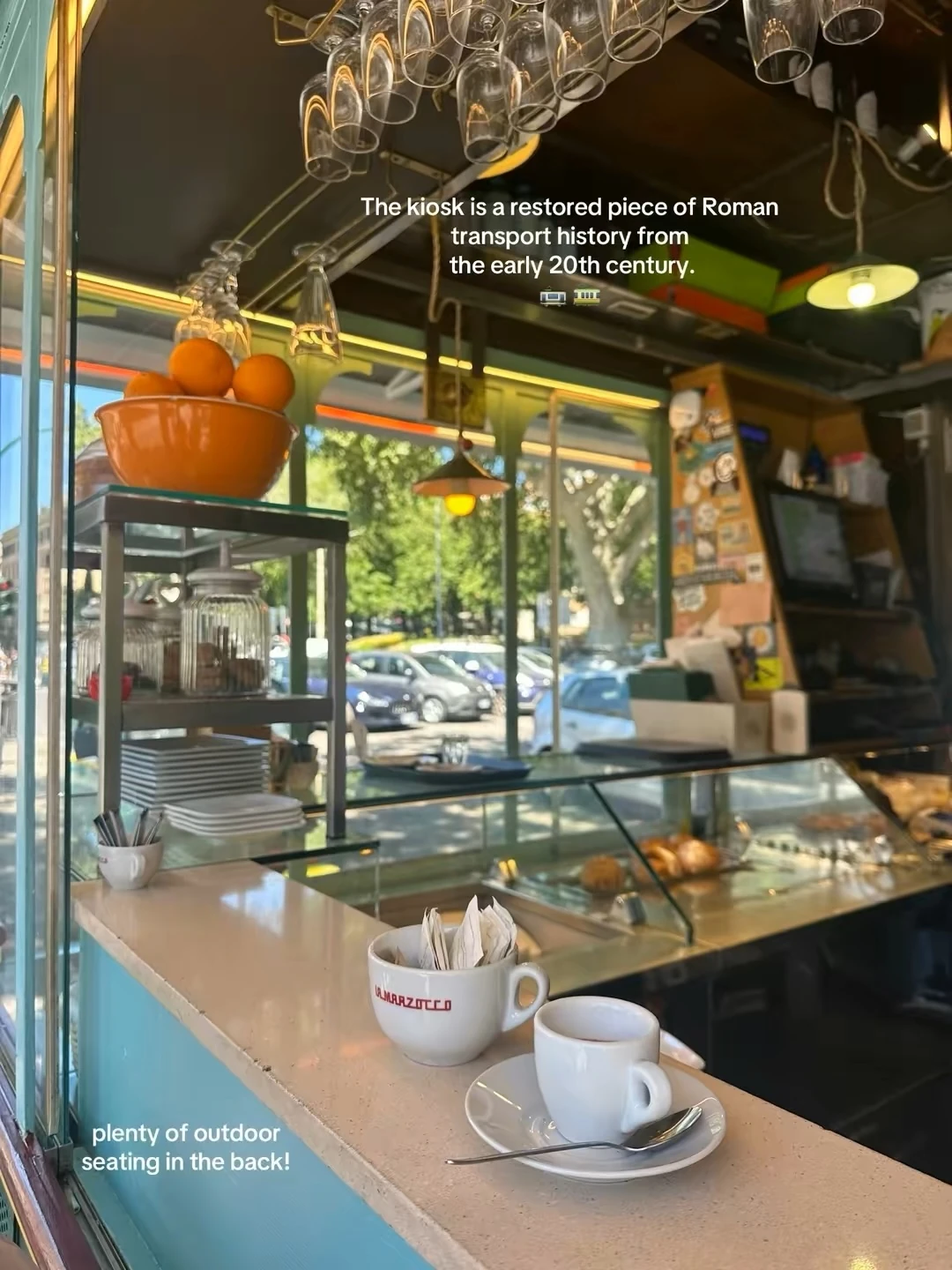
Use vorrei… followed by what you want. For a brief order, naming the item and adding per favore also works.
| Italian | English | Approximate pronunciation |
|---|---|---|
| Un caffè, per favore | A coffee, please | oon kaf-FEH, pehr fah-VOH-reh |
| Un cappuccino, per favore | A cappuccino, please | oon kap-poot-CHEE-noh, pehr fah-VOH-reh |
| Un tè, per favore | A tea, please | oon teh, pehr fah-VOH-reh |
| Un decaffeinato | A decaf coffee | oon deh-kaf-feh-ee-NAH-toh |
| Avete latte d’avena? | Do you have oat milk? | ah-VEH-teh LAT-teh dah-VEH-nah |
| Senza zucchero | Without sugar | SEN-tsah DZOOK-keh-roh |
| Da portare via | To take away | dah por-TAH-reh VEE-ah |
| Pago qui? | Do I pay here? | PAH-goh kwee |
At an Italian café, un caffè normally means an espresso. Name a different drink if that is what you want. Latte on its own means milk; ask for un caffè latte if you want coffee with milk. Short Girl Travels
Payment routines differ between cafés. If you’re unsure, ask pago qui? or devo pagare prima?—“Do I need to pay first?”
What staff might ask
| You hear | Meaning | A possible reply |
|---|---|---|
| Altro? | Anything else? | Basta così, grazie — That’s everything, thank you |
| Al banco o al tavolo? | At the counter or at a table? | Al banco, grazie — At the counter, thank you |
| Da portare via? | To take away? | Sì, grazie — Yes, thank you |
| Contanti o carta? | Cash or card? | Carta, grazie — Card, thank you |
A café conversation
You: Buongiorno. Un cappuccino e un cornetto, per favore.
Good morning. A cappuccino and a cornetto, please.
Staff: Altro?
Anything else?
You: Basta così, grazie. Pago qui?
That’s everything, thank you. Do I pay here?
Ordering gelato
- Un cono — A cone.
- Una coppetta — A cup.
- Piccolo / Piccola — Small, matching the noun.
- Due gusti — Two flavors.
For example:
Una coppetta piccola, cioccolato e limone, per favore.
A small cup, chocolate and lemon, please.
If you hear quali gusti?, you’re being asked which flavors you want.
Restaurant Phrases: Getting a Table, Ordering, and Paying
Restaurant conversations usually follow a predictable sequence. Learn the phrases in that order so they’re easier to retrieve.
Finding a table
| Italian | English | Approximate pronunciation |
|---|---|---|
| Un tavolo per due, per favore | A table for two, please | oon TAH-voh-loh pehr DOO-eh, pehr fah-VOH-reh |
| Siamo in quattro | There are four of us | SYAH-moh een KWAHT-troh |
| Ho una prenotazione a nome Taylor | I have a reservation under Taylor | oh OO-nah preh-noh-tah-TSYOH-neh ah NOH-meh Taylor |
| Possiamo sederci fuori? | Can we sit outside? | pohs-SYAH-moh seh-DEHR-chee FWOH-ree |
| Quanto c’è da aspettare? | How long is the wait? | KWAHN-toh cheh dah ahs-peht-TAH-reh |
To book ahead:
Vorrei prenotare un tavolo per due, domani alle otto di sera.
I’d like to reserve a table for two tomorrow at eight in the evening.
Reading the menu
These headings tell you how dishes are grouped:
| Menu word | Meaning |
|---|---|
| Antipasti | Starters |
| Primi | First courses, often pasta, rice, or soup |
| Secondi | Main courses, often meat or fish |
| Contorni | Side dishes |
| Dolci | Desserts |
You can choose the dishes that suit your appetite; the categories help you understand what you’re ordering.
Ordering food and drinks
| Italian | English |
|---|---|
| Possiamo vedere il menù? | Can we see the menu? |
| Cosa ci consiglia? | What do you recommend for us? |
| Che cos’è questo piatto? | What is this dish? |
| Per me…, per favore | For me…, please |
| Una bottiglia d’acqua naturale | A bottle of still water |
| Una bottiglia d’acqua frizzante | A bottle of sparkling water |
| Un bicchiere di vino rosso | A glass of red wine |
| Senza formaggio, per favore | Without cheese, please |
If asked naturale o frizzante?, choose still or sparkling water.
A restaurant conversation
Staff: Avete prenotato?
Have you booked?
You: Sì, a nome Taylor.
Yes, under Taylor.
Staff: In quanti siete?
How many are you?
You: Siamo in due.
There are two of us.
Paying and checking the bill
Il conto, per favore.
The bill, please.
eel KON-toh, pehr fah-VOH-reh
Useful follow-up questions are:
- Posso pagare con la carta? — Can I pay by card?
- Possiamo pagare separatamente? — Can we pay separately?
- Il servizio è incluso? — Is service included?
- Può controllare il conto? — Can you check the bill?
To ask about a specific charge, point to it and say che cos’è questa voce?—“What is this item?”
If Rome is on your itinerary, a pasta and tiramisu class is one way to build a meal around local cooking. The linked workshop is offered in English; it is a cooking experience rather than an Italian language lesson.
Food Preferences, Allergies, and Coeliac Disease
For a preference, state what you don’t eat:
- Non mangio carne. — I don’t eat meat.
- Non mangio pesce. — I don’t eat fish.
- Avete piatti vegani? — Do you have vegan dishes?
- Questo piatto contiene latte o formaggio? — Does this dish contain milk or cheese?
For an allergy or coeliac disease, be explicit.
| Italian | English |
|---|---|
| Ho un’allergia alle arachidi | I have a peanut allergy |
| Ho un’allergia alle noci | I have a walnut allergy |
| Ho un’allergia al latte | I have a milk allergy |
| È un’allergia, non una preferenza | It’s an allergy, not a preference |
| Questo piatto contiene uova? | Does this dish contain eggs? |
| Ho la celiachia | I have coeliac disease |
| È possibile evitare la contaminazione crociata? | Is it possible to avoid cross-contact? |
Arachidi means peanuts; noci means walnuts. Use the exact ingredient that applies to you.
For pronunciation:
Ho un’allergia alle arachidi.
oh oon-al-lehr-JEE-ah AL-leh ah-RAH-kee-dee
Ho la celiachia.
oh lah cheh-lee-ah-KEE-ah
For a serious allergy or coeliac disease, carry a professionally translated card explaining your exact requirements. Show it before ordering so staff can assess ingredients and preparation methods.
For the wider preparation behind those conversations, see our guide to traveling with severe food allergies, including translation cards and restaurant communication.
Asking for Directions and Understanding the Answer
Begin with dov’è…?, meaning “where is…?”
| Italian | English |
|---|---|
| Dov’è la stazione? | Where is the station? |
| Dov’è la fermata dell’autobus? | Where is the bus stop? |
| Dov’è il bagno? | Where is the bathroom? |
| Dov’è l’ingresso? | Where is the entrance? |
| Dov’è l’uscita? | Where is the exit? |
| È lontano? | Is it far? |
| Posso arrivarci a piedi? | Can I get there on foot? |
| Cerco questo indirizzo | I’m looking for this address |
Two especially useful questions are:
Dov’è il bagno?
doh-VEH eel BAH-nyoh
Dov’è la stazione?
doh-VEH lah staht-TSYOH-neh
Keep the address or place name visible on your phone so you can show it.
Words to listen for
| Italian | Meaning |
|---|---|
| A destra | To the right |
| A sinistra | To the left |
| Sempre dritto | Keep going straight |
| Vicino | Near |
| Lontano | Far |
| Qui / Lì | Here / There |
| Di fronte | Opposite / In front |
| Accanto a | Next to |
| All’angolo | At the corner |
| Al semaforo | At the traffic light |
You don’t need to catch every word to understand a useful instruction. To confirm it, say:
Quindi, dritto e poi a sinistra?
So, straight ahead and then left?
Trains, Buses, and Taxis
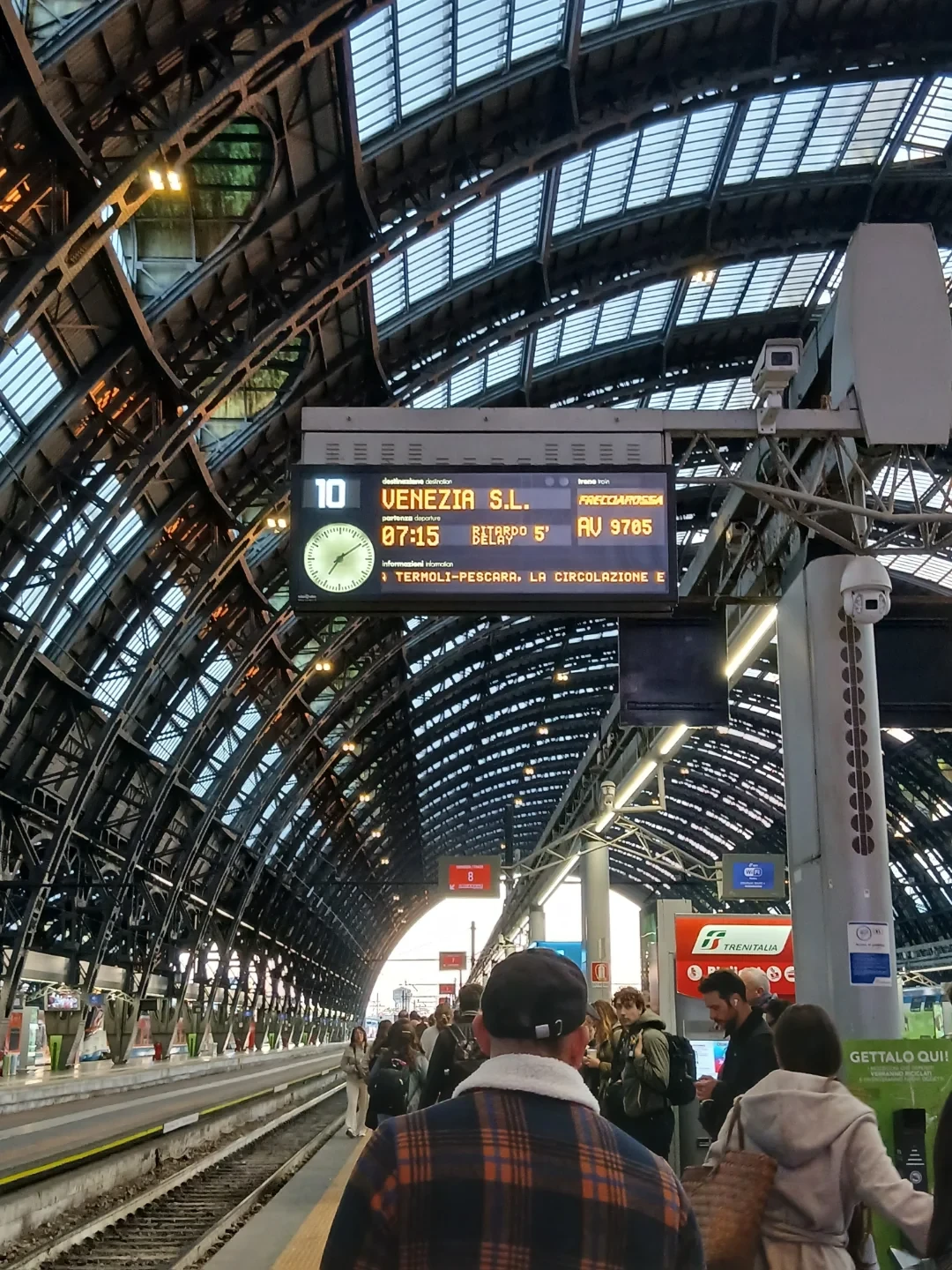
At a station, focus on your destination, departure time, platform, and any connection.
Buying tickets and finding the platform
| Italian | English | Approximate pronunciation |
|---|---|---|
| Un biglietto per Firenze | One ticket to Florence | oon bee-LYEHT-toh pehr fee-REN-tseh |
| Solo andata | One way | SOH-loh an-DAH-tah |
| Andata e ritorno | Round trip | an-DAH-tah eh ree-TOR-noh |
| Questo treno va a Bologna? | Does this train go to Bologna? | KWEH-stoh TREH-noh vah ah boh-LOH-nyah |
| Devo cambiare treno? | Do I need to change trains? | DEH-voh kam-BYAH-reh TREH-noh |
| Dove devo scendere? | Where do I need to get off? | DOH-veh DEH-voh SHEN-deh-reh |
For the platform, ask:
Da quale binario parte il treno per Roma?
Which platform does the train to Rome leave from?
You may hear dal binario cinque—“from platform five.”
Other useful questions include:
- A che ora parte il prossimo treno? — What time does the next train leave?
- Questo posto è libero? — Is this seat free?
- Devo convalidare questo biglietto? — Do I need to validate this ticket?
Validation procedures depend on the operator and ticket type. Ask staff and follow the instructions for your ticket.
A ticket-counter conversation
You: Un biglietto per Firenze, per favore.
One ticket to Florence, please.
Staff: Solo andata o andata e ritorno?
One way or round trip?
You: Solo andata. Devo cambiare treno?
One way. Do I need to change trains?
If your journey is disrupted
| Italian | English |
|---|---|
| Ho perso la coincidenza | I missed my connection |
| Il mio treno è stato cancellato | My train has been cancelled |
| Quale treno posso prendere? | Which train can I take? |
| Questo biglietto è valido sul prossimo treno? | Is this ticket valid on the next train? |
| Da dove parte l’autobus sostitutivo? | Where does the replacement bus leave from? |
Ask staff to confirm which service you can use before boarding an alternative train.
Recognize these words on boards and announcements:
- Partenze: departures.
- Arrivi: arrivals.
- Binario: platform or track.
- Ritardo: delay.
- Cancellato / Soppresso: cancelled.
- Carrozza: carriage.
- Posto: seat.
Check the full station name against your booking. Italian names include Roma, Firenze, Venezia, Milano, Napoli, and Torino.
Buses and taxis
- Questo autobus va in centro? — Does this bus go to the city center?
- Dove posso comprare un biglietto? — Where can I buy a ticket?
- Mi può portare a questo indirizzo? — Can you take me to this address?
- Quanto costa la corsa fino all’aeroporto? — How much is the ride to the airport?
- Può fermarsi qui, per favore? — Can you stop here, please?
Show taxi drivers the complete address to avoid confusion over similar place names.
Hotels and Apartment Check-In
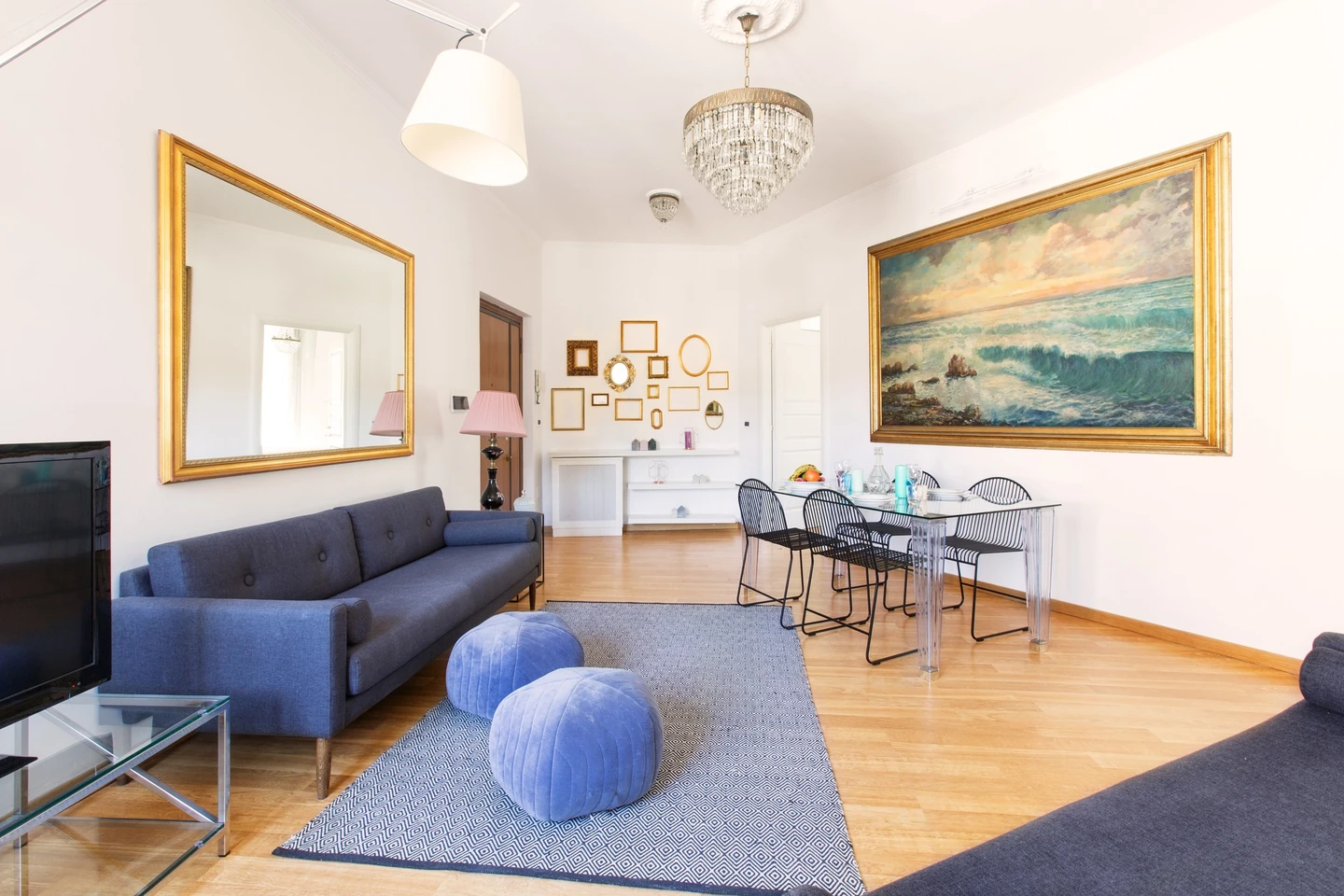
Have your reservation name ready, then ask about anything you need for your stay.
| Italian | English |
|---|---|
| Ho una prenotazione a nome Taylor | I have a reservation under Taylor |
| A che ora devo lasciare la camera? | What time do I need to leave the room? |
| La colazione è inclusa? | Is breakfast included? |
| Qual è la password del Wi-Fi? | What is the Wi-Fi password? |
| C’è un ascensore? | Is there an elevator? |
| Posso lasciare qui i bagagli? | Can I leave my luggage here? |
| Come funziona l’aria condizionata? | How does the air conditioning work? |
| L’acqua calda non funziona | The hot water isn’t working |
| La chiave non funziona | The key isn’t working |
Practice:
Posso lasciare qui i bagagli?
POHS-soh lah-SHAH-reh kwee ee bah-GAH-lyee
La chiave non funziona.
lah KYAH-veh non foon-TSYOH-nah
A hotel conversation
You: Buonasera. Ho una prenotazione a nome Taylor.
Good evening. I have a reservation under Taylor.
Staff: Per quante notti?
For how many nights?
You: Per tre notti. La colazione è inclusa?
For three nights. Is breakfast included?
For an apartment arrival, useful messages include:
Sono davanti al portone.
I’m in front of the main entrance door.
Qual è il codice d’ingresso?
What is the entrance code?
If arriving late:
Arriverò verso le ventidue. Come posso ritirare le chiavi?
I’ll arrive around 10 p.m. How can I collect the keys?
Still arranging your stay? Compare accommodation in Italy, then confirm arrival instructions and any facilities you need before booking.
Shopping and Paying
These phrases cover prices, sizes, purchases, and politely declining help.
| Italian | English |
|---|---|
| Quanto costa questo? | How much does this cost? |
| Quanto costano questi? | How much do these cost? |
| Posso provarlo? | Can I try it on? |
| Avete una taglia più grande? | Do you have a larger size? |
| Avete una taglia più piccola? | Do you have a smaller size? |
| Sto solo guardando, grazie | I’m just looking, thank you |
| Lo prendo | I’ll take it |
| No, grazie | No, thank you |
| Posso avere lo scontrino? | Can I have the receipt? |
Quanto costa questo? sounds approximately like KWAHN-toh KOH-stah KWEH-stoh.
For a feminine item, such as una giacca—a jacket—use posso provarla? and la prendo.
At a food market, un etto means 100 grams, due etti means 200 grams, and mezzo chilo means half a kilogram.
Vorrei due etti di questo formaggio.
I’d like 200 grams of this cheese.
Attractions and Accessibility
| Italian | English |
|---|---|
| Due biglietti per adulti, per favore | Two adult tickets, please |
| È necessario prenotare? | Is booking necessary? |
| A che ora apre? | What time does it open? |
| A che ora chiude? | What time does it close? |
| C’è una visita guidata in inglese? | Is there a guided tour in English? |
| Si possono fare fotografie? | Is photography allowed? |
| Dove posso lasciare lo zaino? | Where can I leave my backpack? |
For accessibility, describe the feature or assistance you need:
- C’è un ingresso senza gradini? — Is there a step-free entrance?
- C’è un percorso senza gradini? — Is there a step-free route?
- C’è un bagno accessibile? — Is there an accessible bathroom?
- Ho bisogno di assistenza per salire sul treno. — I need assistance boarding the train.
- L’ascensore è abbastanza grande per una sedia a rotelle? — Is the elevator large enough for a wheelchair?
If a particular dimension or assistance arrangement matters, send those details to the venue or operator before traveling.
Numbers, Times, and Days
Numbers are useful for reservations, prices, platforms, and room numbers.
| Number | Italian | Number | Italian |
|---|---|---|---|
| 1 | Uno | 7 | Sette |
| 2 | Due | 8 | Otto |
| 3 | Tre | 9 | Nove |
| 4 | Quattro | 10 | Dieci |
| 5 | Cinque | 11 | Undici |
| 6 | Sei | 12 | Dodici |
Other useful numbers are venti (20), trenta (30), cinquanta (50), and cento (100).
Practice them in phrases: due persone, tre biglietti, quattro notti, and dieci euro.
Understanding the time
Timetables commonly use the 24-hour clock: 18:30 is 6:30 p.m., and 21:00 is 9 p.m. Untold Italy
- A che ora? — At what time?
- Alle otto. — At eight.
- Alle otto e mezza. — At half past eight.
- All’una. — At one.
- Oggi. — Today.
- Domani. — Tomorrow.
- Stasera. — This evening.
Days of the week
| Italian | English |
|---|---|
| Lunedì | Monday |
| Martedì | Tuesday |
| Mercoledì | Wednesday |
| Giovedì | Thursday |
| Venerdì | Friday |
| Sabato | Saturday |
| Domenica | Sunday |
Chiuso il lunedì means “closed on Mondays.”
Asking for Help in an Emergency
For an emergency in Italy, call 112. Italy’s official tourism website identifies it as the number to call for emergency assistance. Italia.it
| Italian | English | Approximate pronunciation |
|---|---|---|
| Aiuto! | Help! | ah-YOO-toh |
| È un’emergenza | It’s an emergency | eh oo-neh-mehr-JEN-tsah |
| Chiami un’ambulanza! | Call an ambulance! | KYAH-mee oo-nam-boo-LAN-tsah |
| Chiami la polizia! | Call the police! | KYAH-mee lah poh-lee-TSEE-ah |
| Ho bisogno di un medico | I need a doctor | oh bee-ZOH-nyoh dee oon MEH-dee-koh |
| Non mi sento bene | I don’t feel well | non mee SEN-toh BEH-neh |
| Non riesco a respirare | I can’t breathe | non RYEH-skoh ah reh-spee-RAH-reh |
To give your location, say sono a…—“I’m at…”—then give the address, station, or landmark.
For example:
Sono in Via Roma, numero dieci.
I’m at 10 Via Roma.
For lost belongings:
- Ho perso il passaporto. — I’ve lost my passport.
- Mi hanno rubato il portafoglio. — Someone has stolen my wallet.
- Dov’è la farmacia più vicina? — Where is the nearest pharmacy?
Keep your accommodation address saved offline so it’s available when you need it.
How to Practice Before Your Trip
Choose a small set of phrases that matches your plans, then practice both the request and a likely response.
- Read five phrases aloud. Keep the final vowels clear.
- Listen to native pronunciation. Copy the stress and rhythm.
- Cover the Italian. Recall the phrase from its English meaning.
- Rehearse one exchange. Order breakfast or buy a train ticket.
- Save your personal essentials offline. Include addresses and any dietary information.
If you forget a sentence, pause and show it on your phone. A short, clear request is easier to follow than a longer phrase spoken in a rush.
Frequently Asked Questions
Can I travel around Italy without speaking Italian?
You can manage many tourist interactions with English and translation tools, but availability varies. Basic Italian helps with short requests, signs, and conversations with people who speak little English. Keep booking details and addresses in writing.
What is the most useful phrase for making a request?
Vorrei…, meaning “I would like…,” works for ordering food, buying tickets, and asking for items. Add the item and per favore.
Is it rude to say ciao?
Ciao is informal. With an unfamiliar adult, buongiorno, buonasera, or salve is a more dependable opening.
Do I need different phrases for different regions?
Standard Italian is useful across Italy. You may hear regional accents, dialects, and local vocabulary, but you can keep using the phrases in this guide.
Your Italian Travel Pocket Cheat Sheet
Save this table for quick reference while you’re out.
| Italian | English |
|---|---|
| Buongiorno / Buonasera | Good day / Good evening |
| Mi scusi | Excuse me |
| Per favore / Grazie | Please / Thank you |
| Arrivederci | Goodbye |
| Parla inglese? | Do you speak English? |
| Non capisco | I don’t understand |
| Può ripetere più lentamente? | Can you repeat that more slowly? |
| Può scriverlo? | Can you write it down? |
| Vorrei… | I would like… |
| Basta così, grazie | That’s everything, thank you |
| Quanto costa? | How much does it cost? |
| Dov’è il bagno? | Where is the bathroom? |
| Dov’è la stazione? | Where is the station? |
| Un biglietto per…, per favore | One ticket to…, please |
| Ho una prenotazione a nome… | I have a reservation under… |
| Il conto, per favore | The bill, please |
| Posso pagare con la carta? | Can I pay by card? |
| Può aiutarmi? | Can you help me? |
| Ho bisogno di un medico | I need a doctor |
| È un’emergenza | It’s an emergency |
Use your first few conversations as practice. A greeting at the hotel desk or a simple café order gives you a manageable place to begin, and you can build from there.
1 thought on “Useful Italian Travel Phrases: Your Pocket Guide to Italy”