This article contains affiliate links. We may earn a commission if you book through them, at no extra cost to you.
A New Orleans food list can get out of hand quickly. Start with gumbo and a po’boy, add oysters and beignets, and suddenly you have planned three lunches for the same afternoon.
The answer is to choose a few priorities and give yourself room to enjoy them. Some dishes suit a quick counter stop. Others deserve a reservation, a proper appetite, and enough time to linger over the sauce.
These 15 foods offer a rewarding introduction to the city, from everyday comfort dishes to seasonal treats. Here is what makes each worth trying, how to order it, and where it fits into your trip.
Choose Your New Orleans Food Stops
Use this table to narrow the list before planning meals. The serving suggestions are practical starting points; portions and recipes vary by restaurant.
| Food | Flavor and texture | Suggested portion | Typical meat or seafood | Availability |
|---|---|---|---|---|
| Gumbo | Deeply savory; smoky or seafood-rich | Cup before a meal | Chicken, sausage, or shellfish | Year-round |
| Po’boy | Flaky bread with crisp or gravy-rich filling | Small sandwich or shared large | Depends on filling | Year-round |
| Muffuletta | Briny olives, cured meats, and cheese | Shared sandwich | Cured meats, often pork | Year-round |
| Jambalaya | Seasoned rice with smoky, savory depth | Main or tasting portion | Chicken, sausage, or seafood | Year-round |
| Red beans and rice | Creamy beans with savory seasoning | Lunch or side | Often pork or meat stock | Year-round; Monday tradition |
| Crawfish étouffée | Sweet shellfish in thick, rich sauce | Main or combination plate | Crawfish or shrimp | Often year-round |
| Boiled crawfish | Sweet tail meat with assertive seasoning | Shared shell-on platter | Crawfish | Seasonal; spring is a strong choice |
| Barbecue shrimp | Buttery, peppery, and tangy | Shared starter or main | Shrimp | Year-round |
| Charbroiled oysters | Briny, garlicky, buttery | Half-dozen to start | Oysters | Year-round |
| Fried chicken | Crisp seasoned crust, juicy meat | Main with sides | Chicken | Year-round |
| Beignets | Warm fried dough and powdered sugar | Shared order | Usually no meat | Year-round |
| Pralines | Sweet, creamy or crumbly pecan candy | One candy | Usually no meat | Year-round |
| Bananas Foster | Warm caramel-like sauce and cold ice cream | Shared dessert | Usually no meat; contains alcohol | Year-round |
| King cake | Sweet dough, icing, and optional filling | Slice or shared cake | Usually no meat | Traditionally Carnival season |
| Sno-ball | Soft shaved ice and flavored syrup | Small cup | Usually no meat | Stand schedules vary seasonally |
For budgeting, think of beignets, pralines, and sno-balls as snack stops; sandwiches and rice dishes as casual meals; and a full restaurant meal with seafood and tableside dessert as a splurge. Check the linked menus for current prices.
If you have room for only five, start with gumbo, a po’boy, a muffuletta, charbroiled oysters, and beignets. Together, they give you a useful spread of flavors, textures, and dining experiences.
A Little Context: Cajun and Creole Cooking
Cajun cooking developed among Acadian communities in South Louisiana, drawing on local ingredients and exchanges with neighboring cultures. Creole cooking grew through Louisiana’s colonial and port-city communities, with African, Caribbean, French, Spanish, Indigenous, and other influences. Enslaved African and Caribbean cooks contributed knowledge and techniques central to that development.
The traditions overlap, and recipes vary between families and regions. Tomatoes can distinguish certain preparations, but they are not a reliable dividing line for every dish. New Orleans food also includes Italian, Vietnamese, and other traditions that extend beyond those two labels. Explore Louisiana’s culinary history guide
A French Quarter food walk offers a guided introduction to local cooking through restaurant tastings. Check the current menu and discuss dietary requirements with the operator before booking.
1. Gumbo
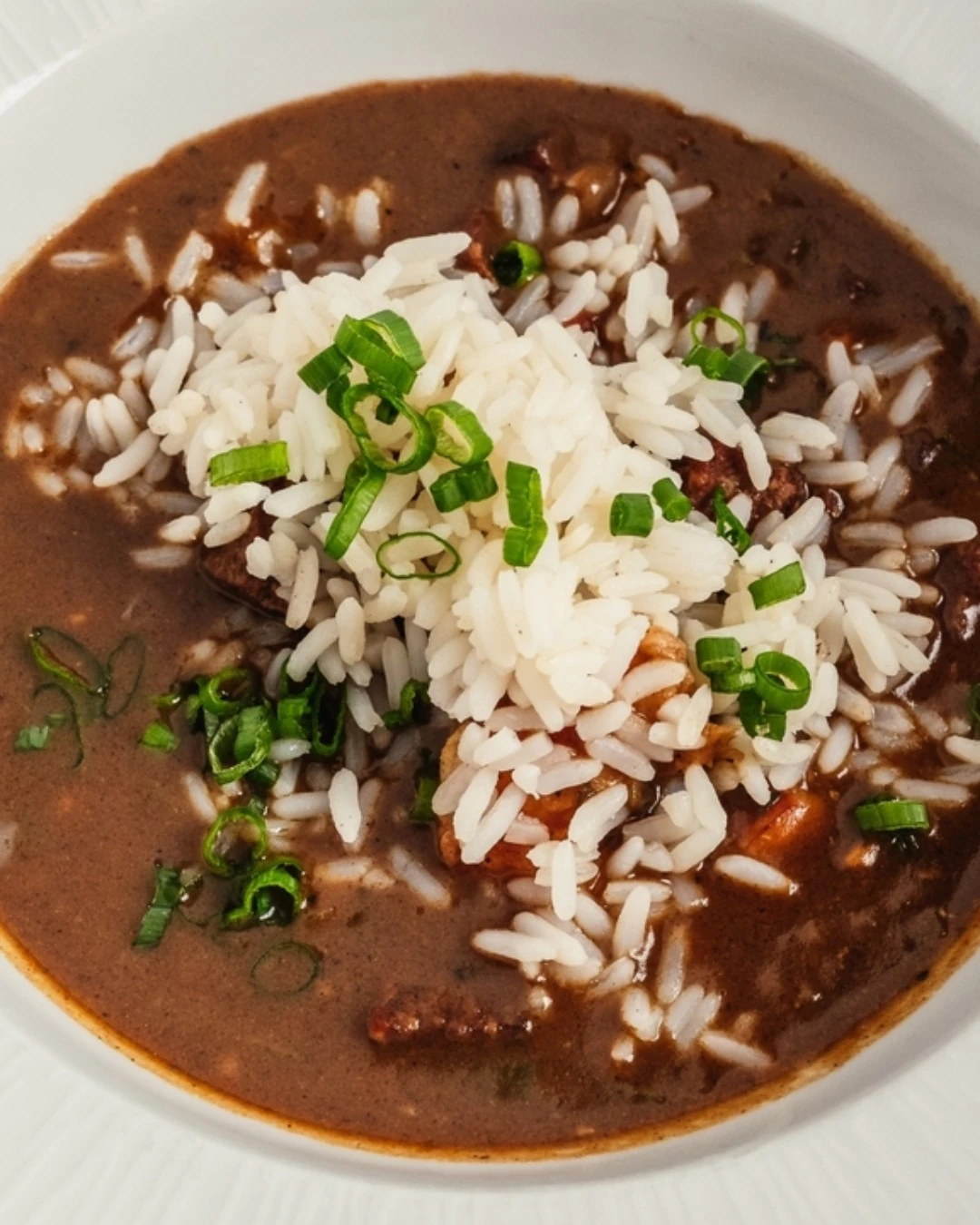
Gumbo rewards a little attention before the first spoonful of hot sauce.
Many versions begin with a roux: flour cooked in fat until it develops color and flavor. Onion, celery, and bell pepper build the savory base, while chicken, andouille sausage, or seafood give the pot its character. Okra and filé, made from ground sassafras leaves, appear in different recipes.
A chicken-and-andouille gumbo often brings smoky depth. Seafood gumbo can lean toward the sweetness and richness of shellfish stock. Rice accompanies the stew, soaking up broth without becoming the entire dish.
Order it well: Choose a cup when you have another course planned. Taste the broth first, then decide whether it needs extra heat.
Where to try it: Mr. B’s Bistro on Royal Street in the French Quarter is known for chicken-and-andouille Gumbo Ya-Ya. For a contrasting preparation, consider seafood okra gumbo at Gumbo Shop. New Orleans & Company’s gumbo guide
2. Po’boys
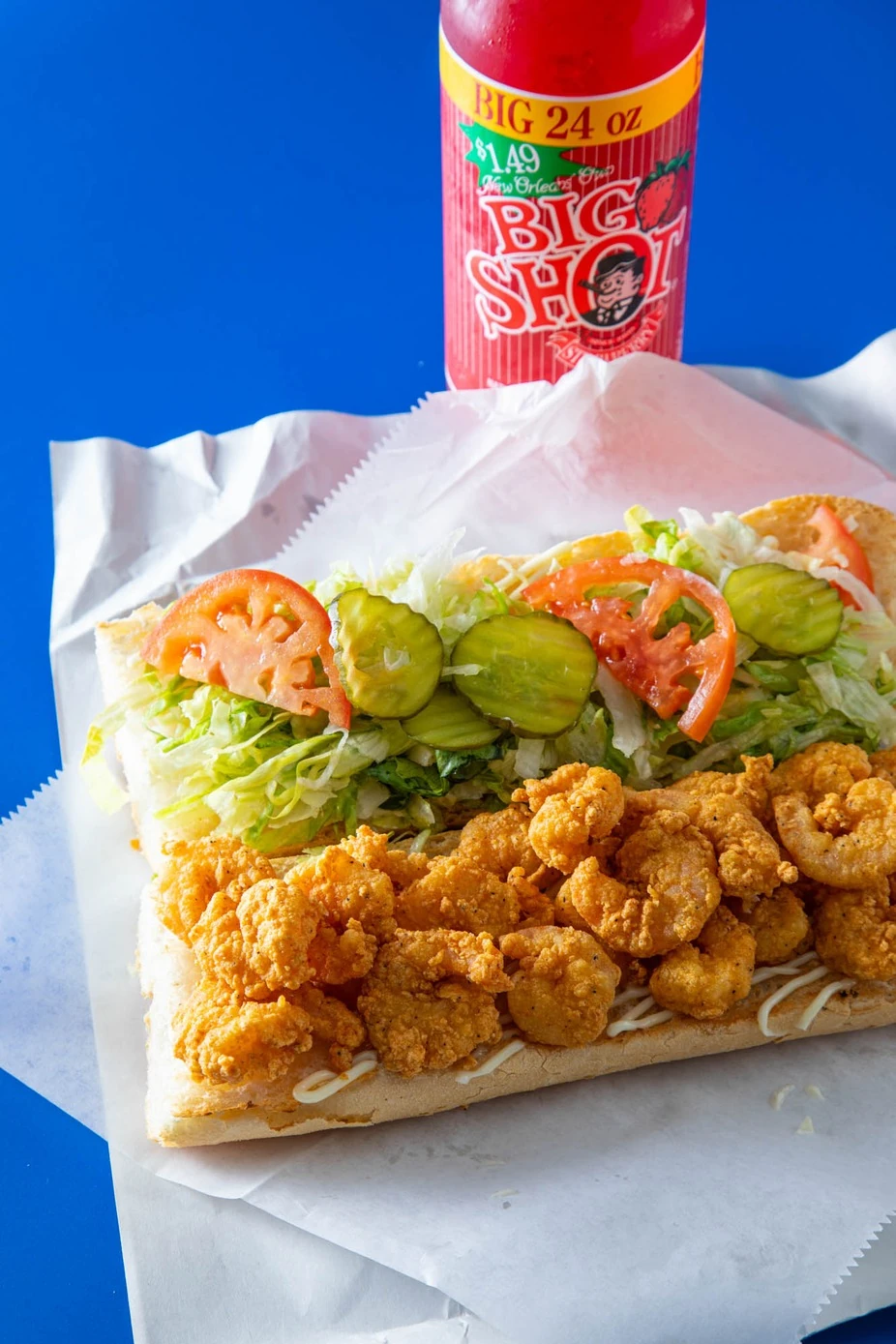
The bread matters as much as the filling in a po’boy. A light, flaky crust gives way to a soft interior that holds fried seafood, roast beef, sausage, or another generous filling.
Fried shrimp is an approachable first choice, combining crisp coating with tender seafood. Roast beef offers a different pleasure: soft meat and gravy working their way into the bread. Neither is particularly interested in keeping your hands clean.
“Dressed” generally means lettuce, tomato, pickles, and mayonnaise, although you should confirm the shop’s toppings when ordering. New Orleans & Company’s po’boy guide
Order it well: Choose the filling first, then the toppings and size. Ask for a shared sandwich to be cut.
Where to try it: Parkway Bakery & Tavern at 538 Hagan Avenue in Mid-City lists fried Gulf shrimp and roast beef with gravy in small and large sizes. That choice makes it easier to fit a po’boy into a day with other food stops.
3. Muffulettas
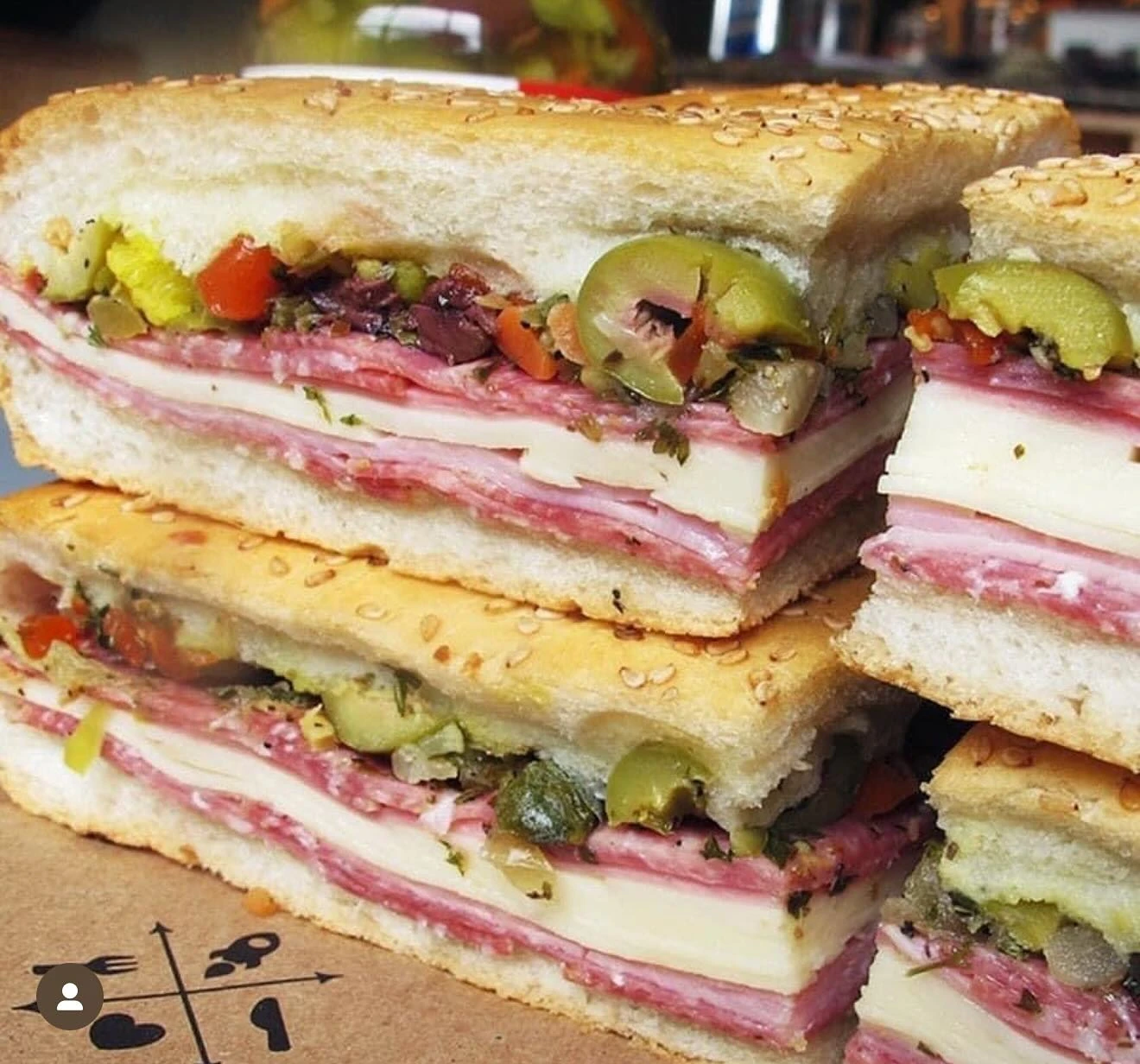
A muffuletta brings together cured meats, cheese, and chopped olive salad inside a broad, round sesame loaf.
The olive salad gives the sandwich its identity. Salty, tangy, and oily, it cuts through the richness of the meat and cheese while soaking into the bread. If olives are the first thing you reach for on an antipasto plate, this is likely your sandwich.
Its history connects directly with New Orleans’ Sicilian community. Central Grocery founder Salvatore Lupo is credited with assembling the sandwich in 1906, bringing familiar lunch ingredients together in one loaf. Saveur’s muffuletta history
Order it well: Treat a whole muffuletta as something to share. Look at the available portion sizes before ordering.
Where to try it: Central Grocery, at 923 Decatur Street in the French Quarter, is the classic starting point. Its cold sandwich suits takeaway; Napoleon House offers a warm alternative nearby. Eater’s iconic dishes guide
4. Jambalaya
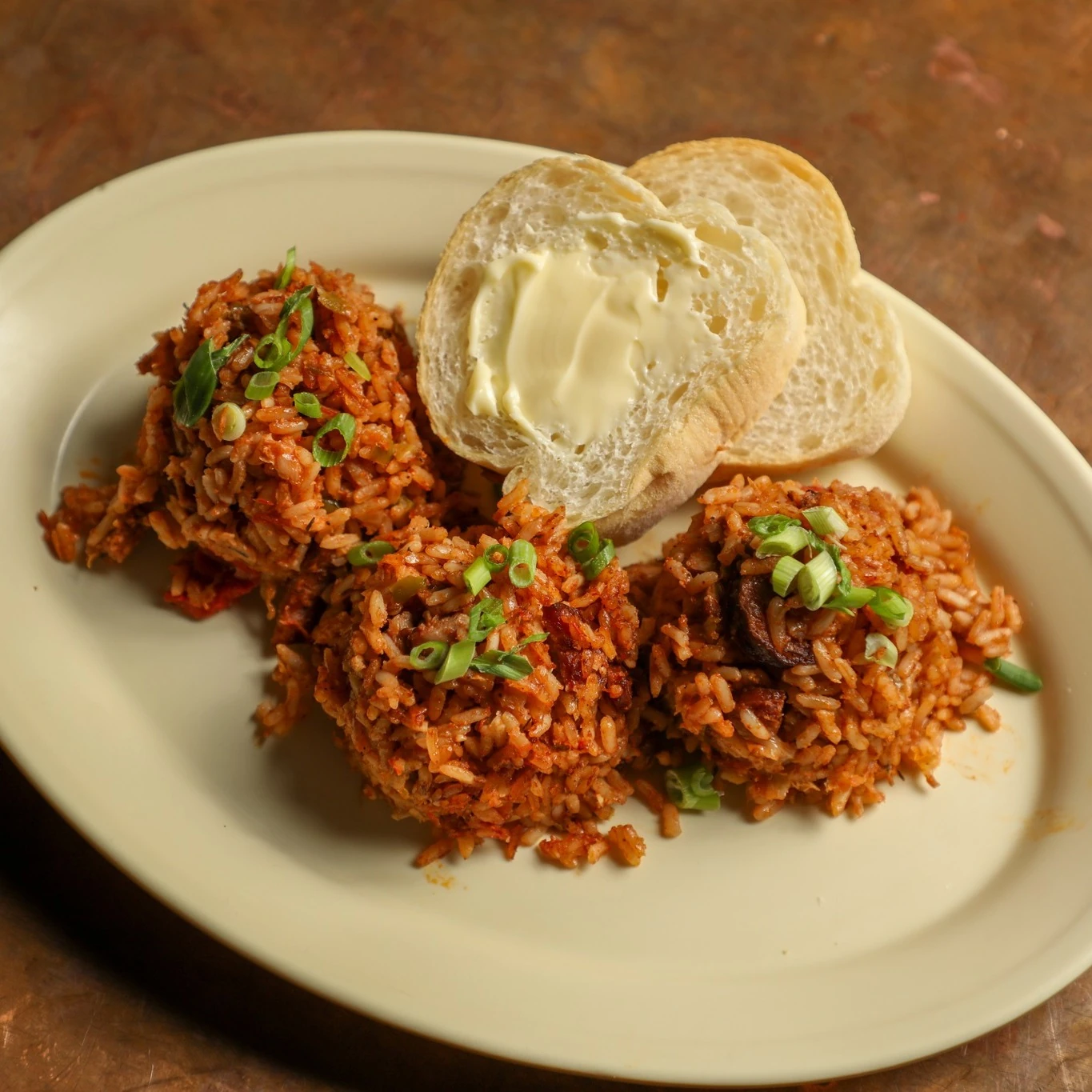
Jambalaya is rice cooked with stock, vegetables, seasonings, and ingredients such as chicken, sausage, or seafood. The grains absorb flavor as they cook, so the rice itself should be worth eating.
Smoked sausage can bring depth, browned meat adds savoriness, and vegetables contribute sweetness. Some preparations include tomatoes, while others develop their color through browning. The combination of proteins also changes between kitchens.
This is a substantial meal, especially when served as a full entrée. It makes sense when you are hungry enough to give a rice dish your complete attention.
Order it well: Ask which meats and seafood are included. A chicken-and-sausage description, for example, still warrants a question about the stock if you avoid shellfish.
Where to try it: Gumbo Shop’s menu in the French Quarter includes jambalaya and a combination platter. The latter is useful for comparing several preparations without ordering separate mains. New Orleans & Company’s jambalaya guide
5. Red Beans and Rice
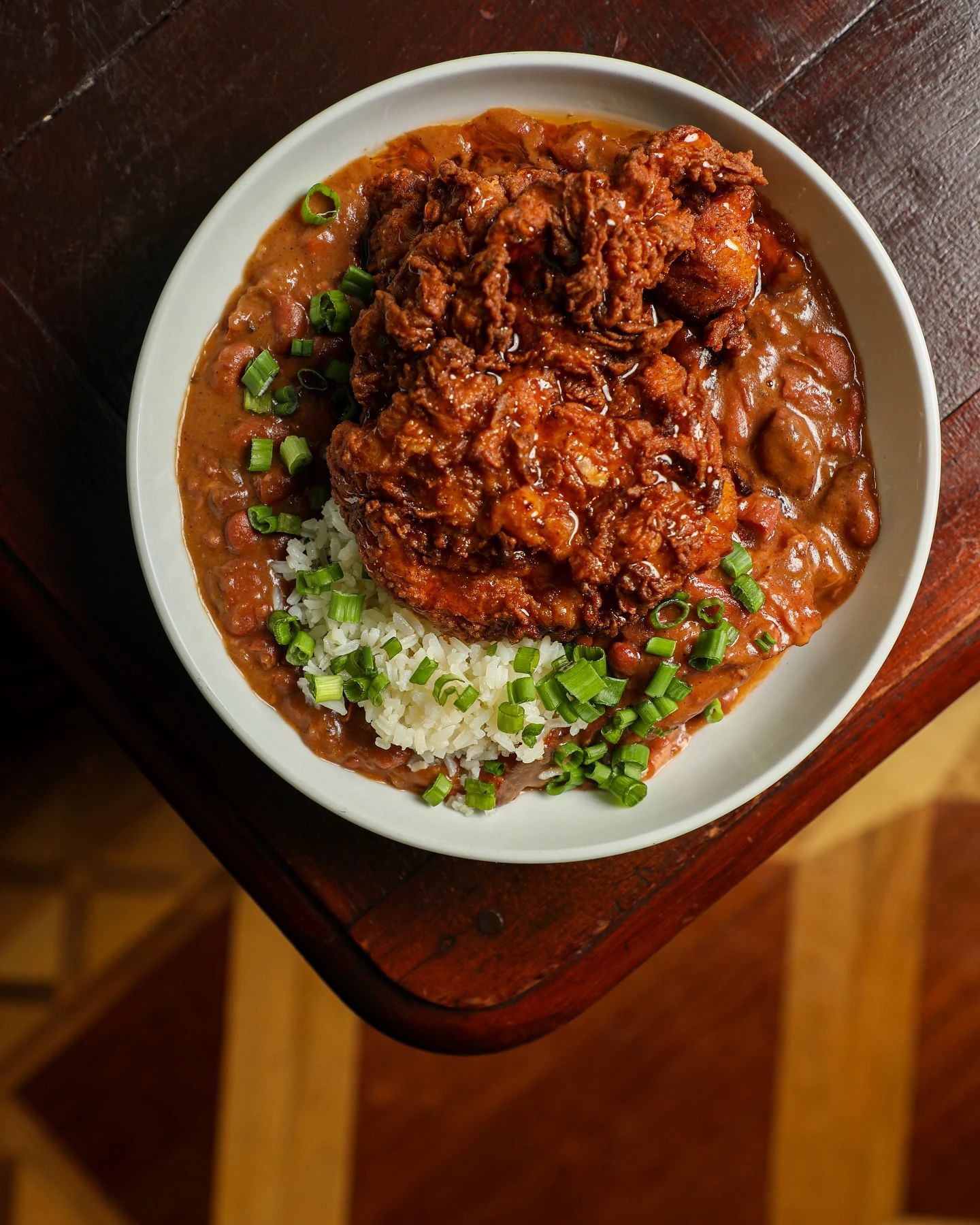
Red beans and rice can look understated beside a platter of seafood, but its appeal is in the cooking.
Some beans soften enough to thicken the pot, creating a creamy texture around those that remain whole. Rice provides a gentle contrast, while smoked meat or sausage often adds seasoning and richness.
The dish has a longstanding Monday association. The familiar explanation links it to washday, when beans could simmer while household laundry occupied the cook. New Orleans & Company’s red beans and rice guide
Order it well: Taste the beans before adding hot sauce. Decide whether you want sausage alongside, rather than assuming it is essential to every serving.
Where to try it: Lil’ Dizzy’s Cafe, at 1500 Esplanade Avenue in Tremé, lists red beans and rice under its Monday offerings. Plan around that day if this is your chosen stop.
6. Crawfish Étouffée
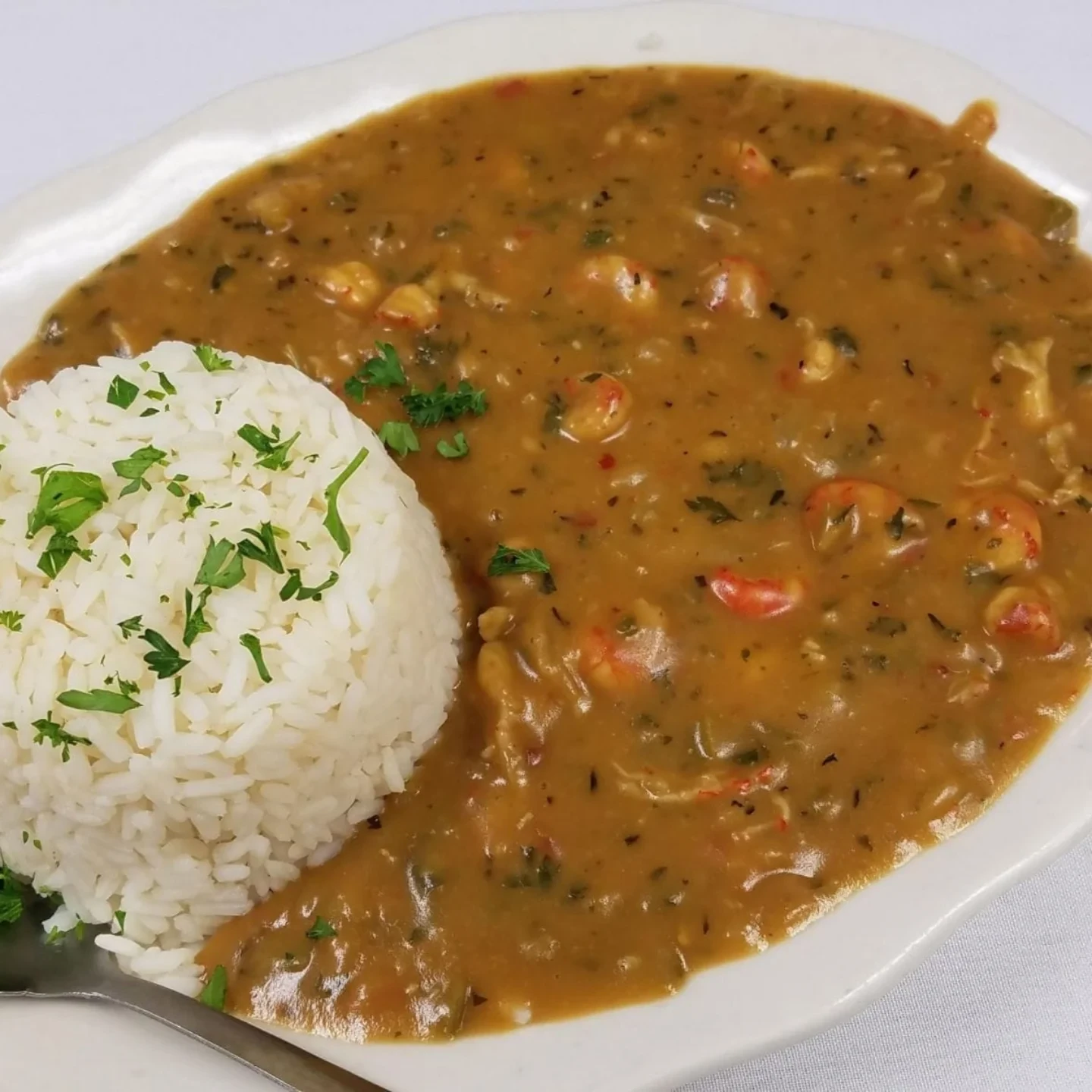
Crawfish étouffée is a satisfying choice when you want shellfish without spending lunch peeling it.
Pronounced roughly “eh-too-fay,” the name comes from the French word meaning “smothered.” Crawfish tails cook in a thick sauce served over rice. Many versions use a lighter roux than dark gumbo, producing a different color and flavor.
The pleasure lies in sweet crawfish meat, softened vegetables, and a rich sauce that coats the rice. Shrimp étouffée offers a related preparation with a different main ingredient. New Orleans & Company’s étouffée guide
Order it well: Confirm whether the dish uses crawfish or shrimp. If sourcing matters to you, ask where the tail meat comes from and whether it is fresh or frozen; a crawfish dish on the menu does not establish that it is currently whole-crawfish season.
Where to try it: Gumbo Shop lists crawfish étouffée and offers it as a substitution on its combination platter.
7. Boiled Crawfish
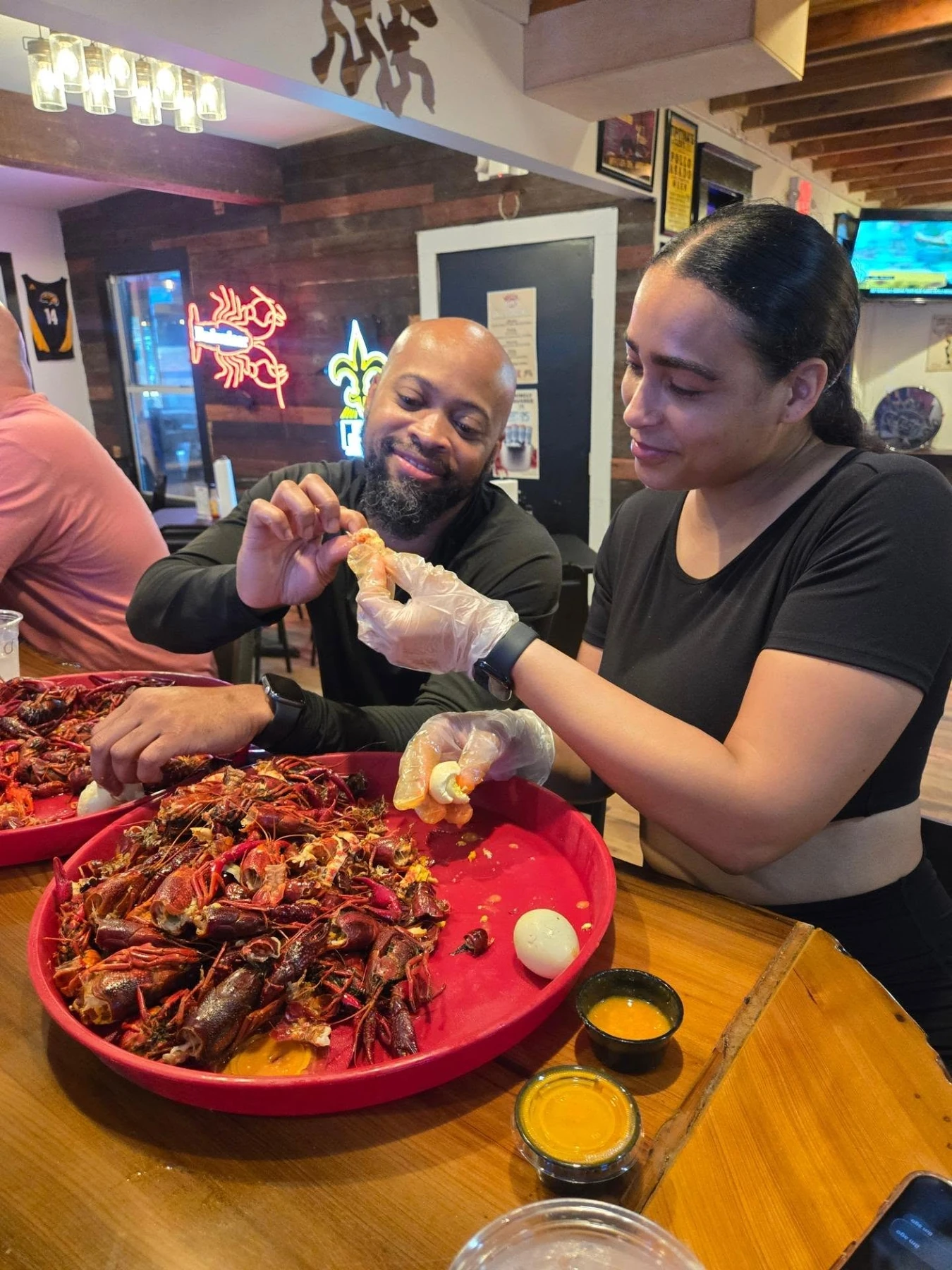
Boiled crawfish asks you to slow down and work for each bite. The reward is sweet tail meat carrying the seasoning of the boil, often accompanied by corn and potatoes.
Because the crawfish arrive shell-on, the platter looks more substantial than the amount of meat you eventually extract. Ask about portions rather than comparing the weight directly with peeled seafood.
Start by holding the head and tail, twisting them apart, then peeling the shell from the tail. Pinching near the tip can help release the meat. Seeing someone do the first one is often more helpful than studying instructions. New Orleans & Company’s crawfish guide
Order it well: Ask about the minimum order, seasoning level, included sides, and current availability. Spring is a strong time to plan a boil, though supply depends on conditions.
Where to try it: Clesi’s, at 4323 Bienville Street in Mid-City, is a place to check for boiled crawfish. Confirm the day’s offering before making the trip.
8. New Orleans Barbecue Shrimp
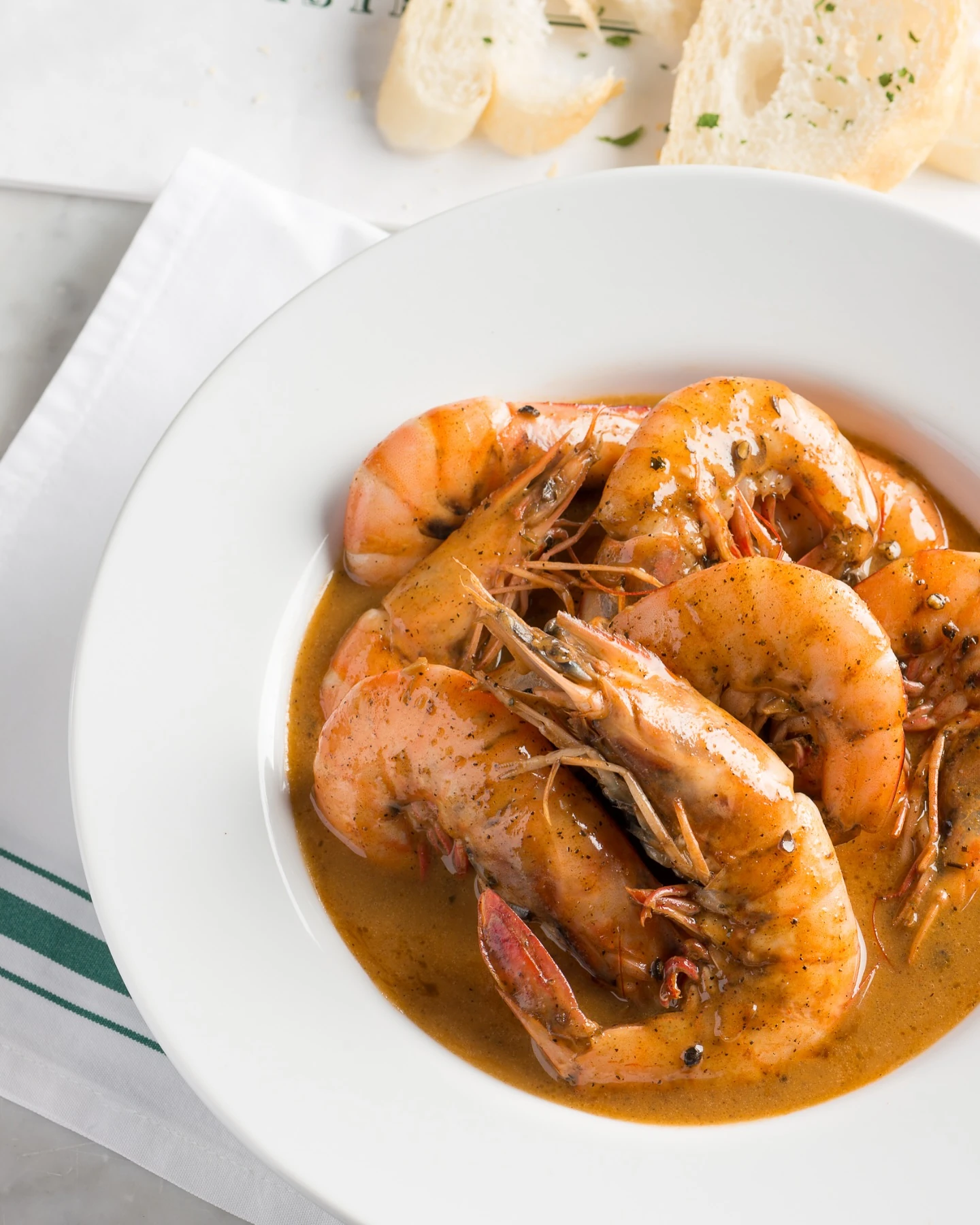
New Orleans barbecue shrimp comes in a buttery, Worcestershire-rich sauce, often with plenty of pepper. The name does not mean a familiar sweet barbecue glaze.
Traditional presentations frequently leave the heads and shells on. You peel the shrimp at the table, then use French bread to collect the sauce. That last part deserves time: the bread is doing useful work.
It is a rich dish, so portion size matters if you also want dessert.
Order it well: Check whether the shrimp arrive shell-on and whether the serving is an appetizer or entrée. Take the bib if offered.
Where to try it: Pascal’s Manale, at 1838 Napoleon Avenue Uptown, identifies itself as the home of the original barbecue shrimp. It is a sensible destination when this dish is the meal’s main purpose. New Orleans & Company’s barbecue shrimp guide
9. Charbroiled Oysters
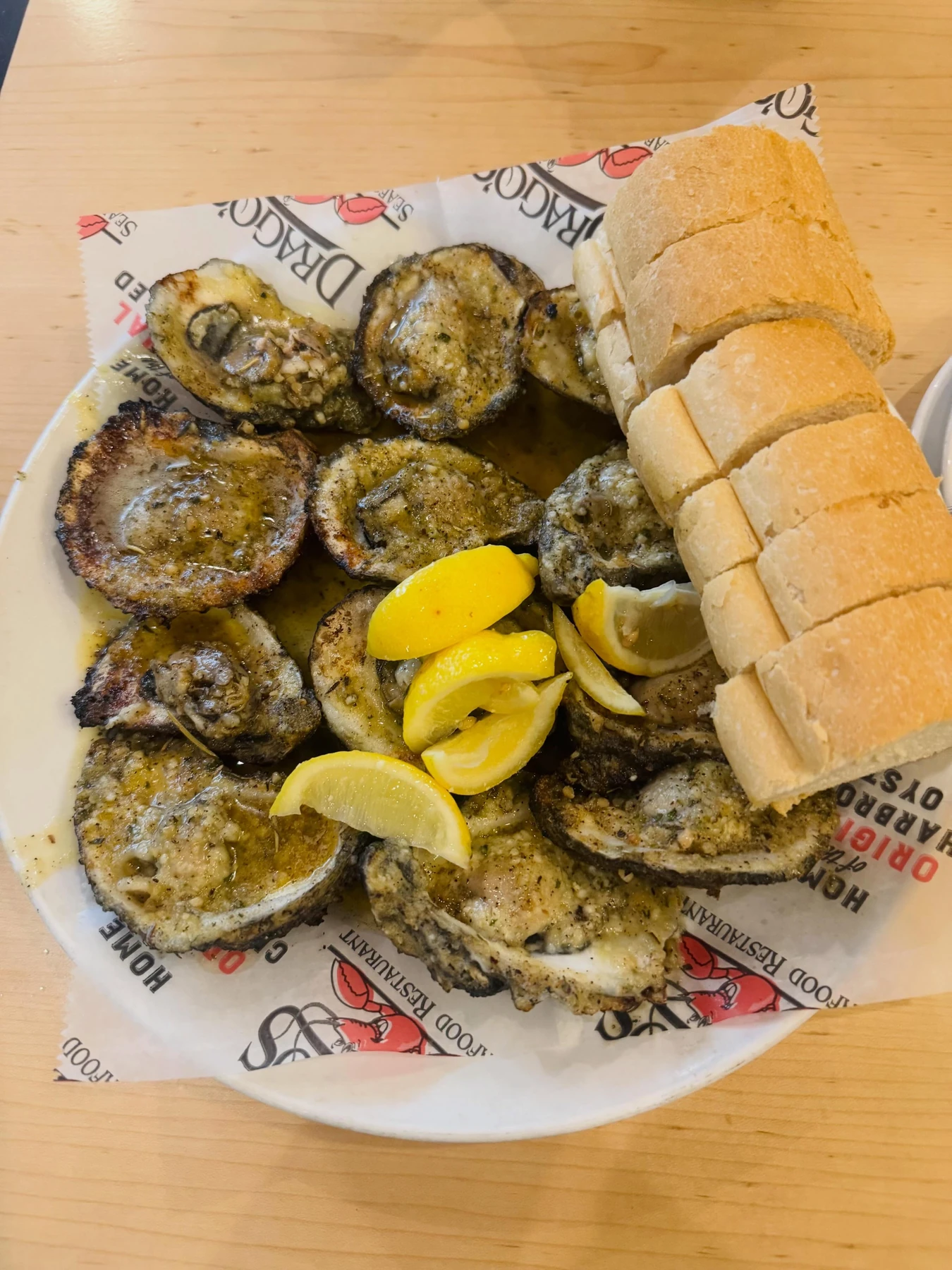
Charbroiled oysters combine briny shellfish with bubbling garlic butter and savory cheese.
At Drago’s, oysters cook on the half shell with garlic, butter, herbs, Parmesan, and Romano. The restaurant traces its signature preparation to Tommy Cvitanovich’s experiments in 1993. The result is rich enough to feel indulgent even as a small starter. Drago’s history
Give the hot shells a moment before handling them, then eat the oysters while the topping is still warm.
Order it well: A half-dozen is a manageable introduction. Keep bread nearby for the juices left in the shells.
Where to try it: Drago’s at Hilton New Orleans Riverside, at 2 Poydras Street downtown, provides a convenient city location. Its menu lists half-dozen and dozen orders.
10. Fried Chicken
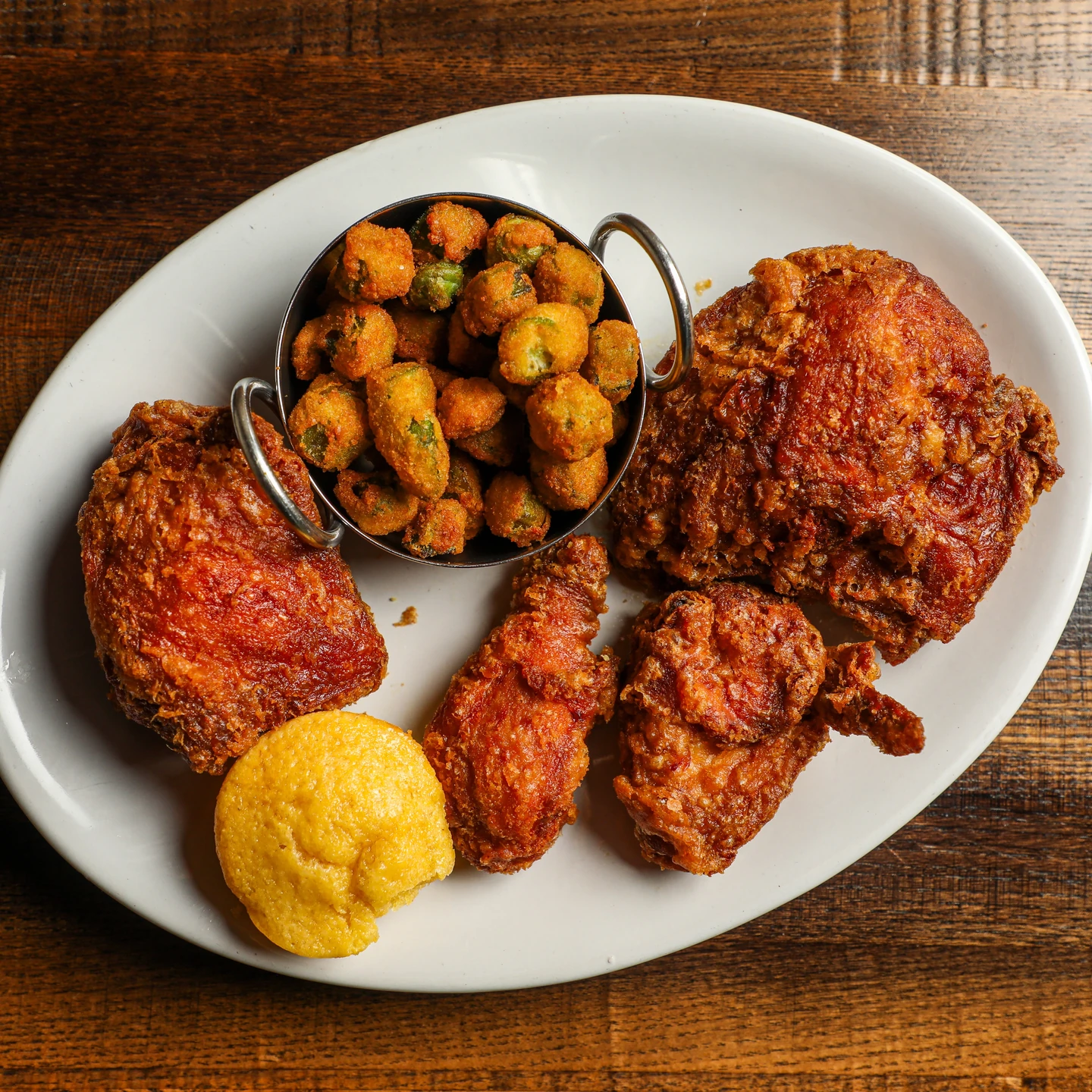
A crisp, well-seasoned crust and juicy meat are enough reason to make room for New Orleans fried chicken.
It is also a useful meal for a group with different tastes. Seafood enthusiasts can take a break from shellfish, while someone who prefers a familiar main can still enjoy an important part of the city’s cooking.
Willie Mae Seaton’s restaurant legacy is one example of the Black women whose food and hospitality helped shape New Orleans dining. Willie Mae’s Scotch House opened in Tremé in 1957; the family tradition continues at the downtown restaurant. Willie Mae’s NOLA
Order it well: Choose your portion with the sides in mind. Ask about available cuts if you prefer white or dark meat.
Where to try it: Willie Mae’s NOLA is at 898 Baronne Street in the Warehouse District. Use that current location when planning, rather than relying on the original address in an older guide.
11. Beignets
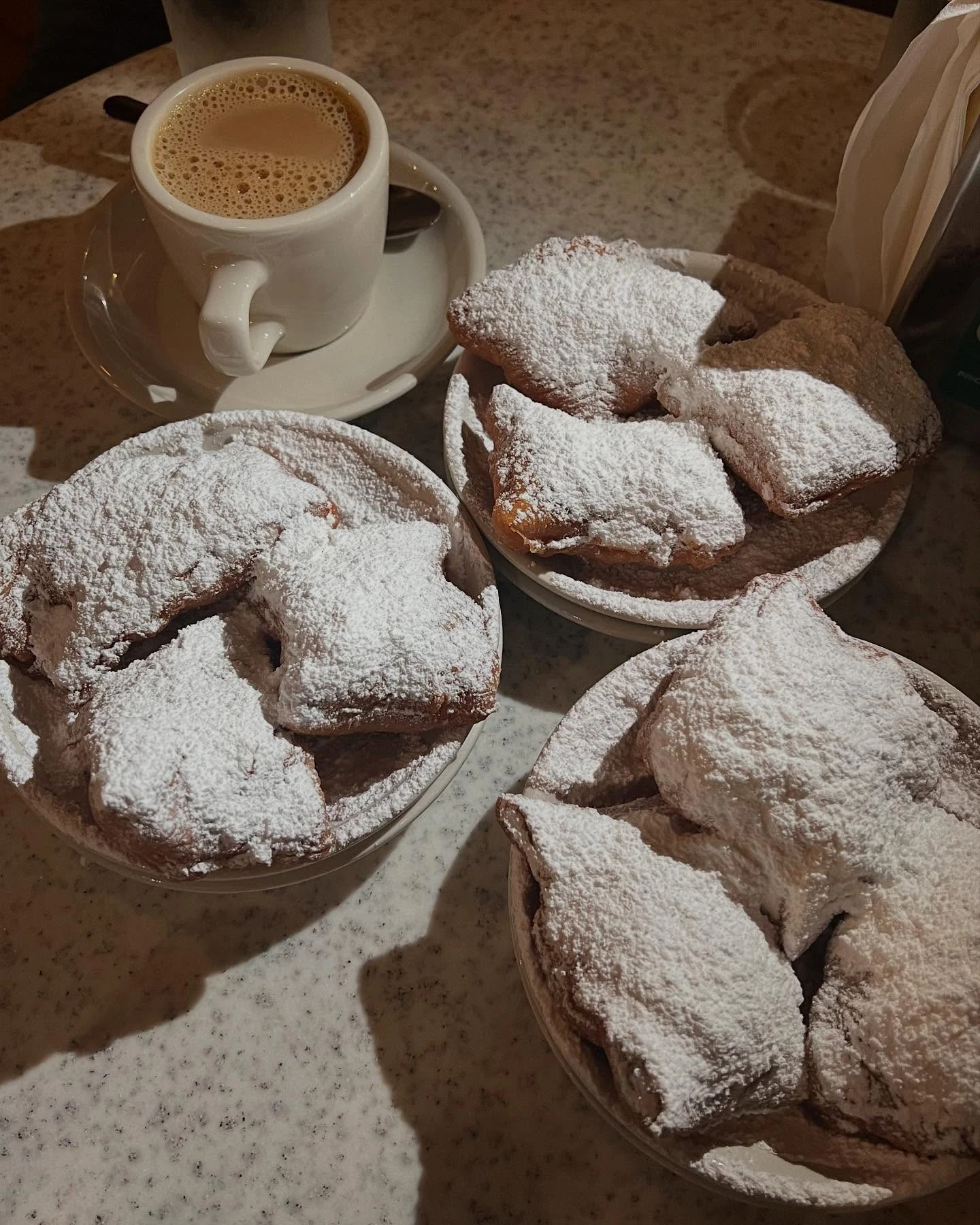
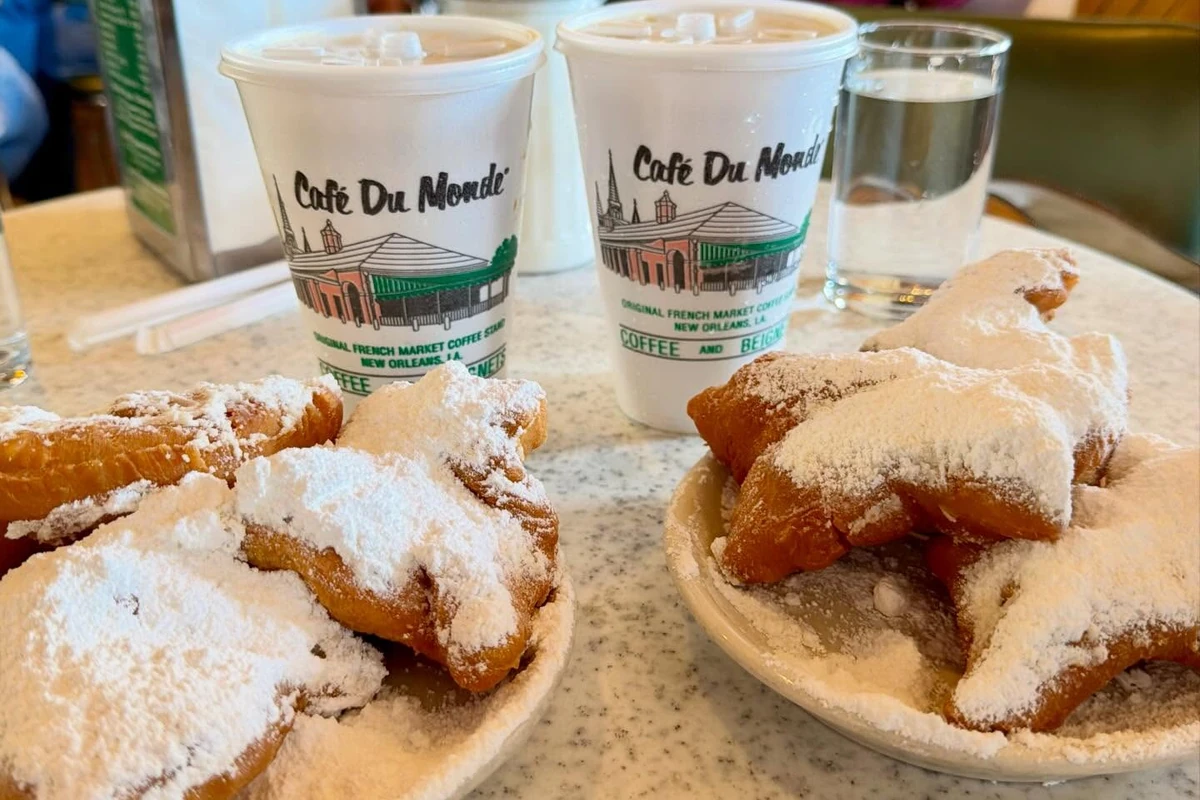
Beignets are fried pieces of dough covered with powdered sugar, and timing makes a difference. Eat them hot, when the outside has a little resistance and the interior is still soft.
They suit breakfast, dessert, or a break between meals. Café au lait is a familiar pairing, providing a less sweet companion to the sugar-covered dough.
There is little point trying to keep the experience perfectly tidy. The sugar will probably reach the table and your clothes before you finish.
Order it well: Check how many come in an order before buying a serving for everyone. Share if another meal is approaching, and avoid carrying them around until they cool.
Where to try it: Café du Monde on Decatur Street in the French Quarter is the classic stop. Café Beignet offers another option, while Loretta’s serves a richer praline-filled variation. New Orleans & Company’s beignet guide
12. Pralines
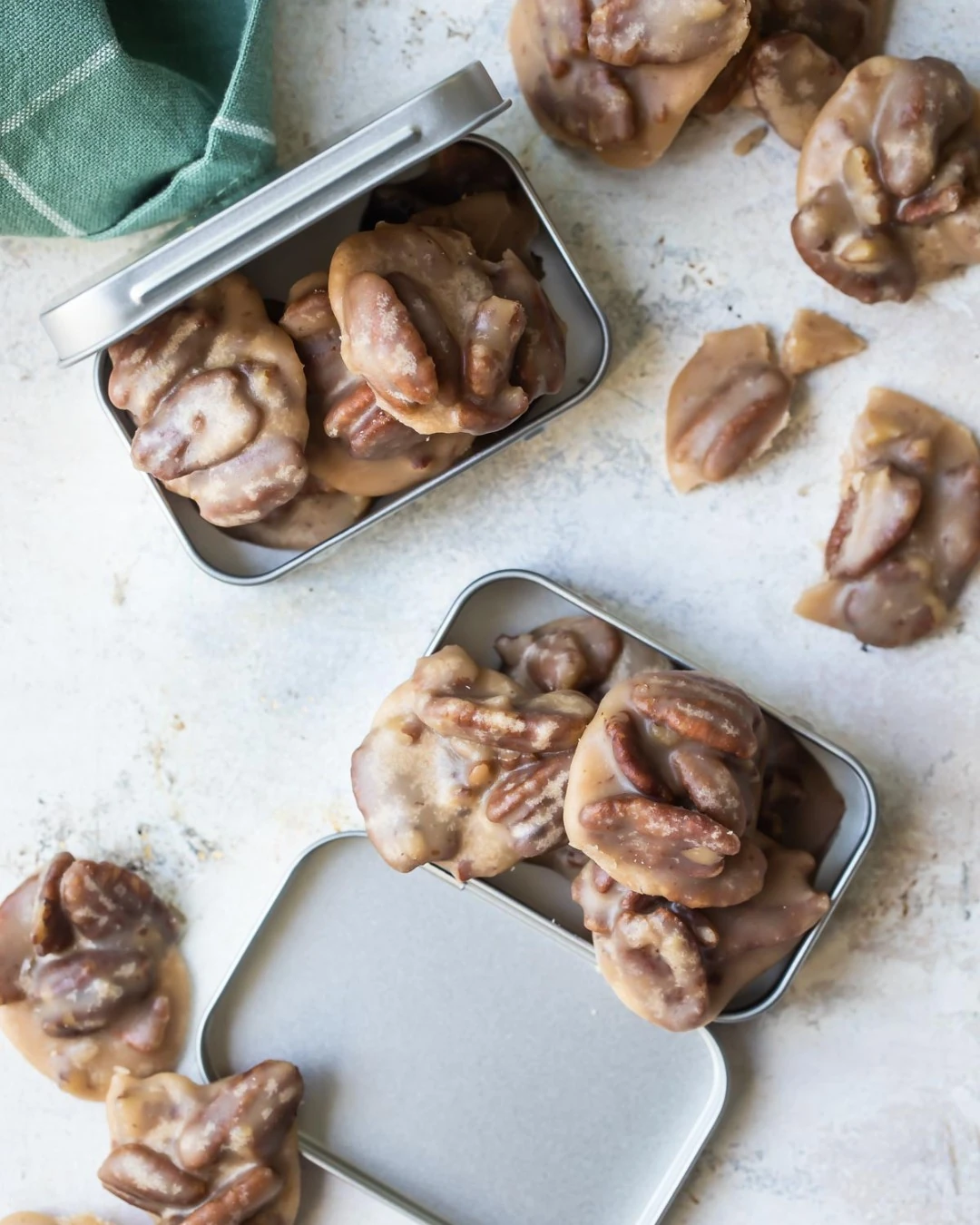
New Orleans pralines commonly combine pecans, sugar, milk, and butter into a candy that can be creamy, crumbly, or chewy depending on the preparation.
The pecans provide texture against the sweetness. Start with one traditional version and take small bites, ideally with coffee, before deciding whether you want flavored variations. New Orleans & Company’s praline guide
Pralines also carry a history of Black entrepreneurship. African American women sold them among other homemade foods in the city’s streets and marketplaces, earning livelihoods through their cooking and trade. University of New Orleans research on praline vendors
Order it well: Ask about texture if several styles are available. For gifts, check storage instructions and shelf life for the specific product.
Where to try it: Loretta’s Authentic Pralines lists locations in the French Market and Marigny, making it possible to fit a stop into either neighborhood.
13. Bananas Foster
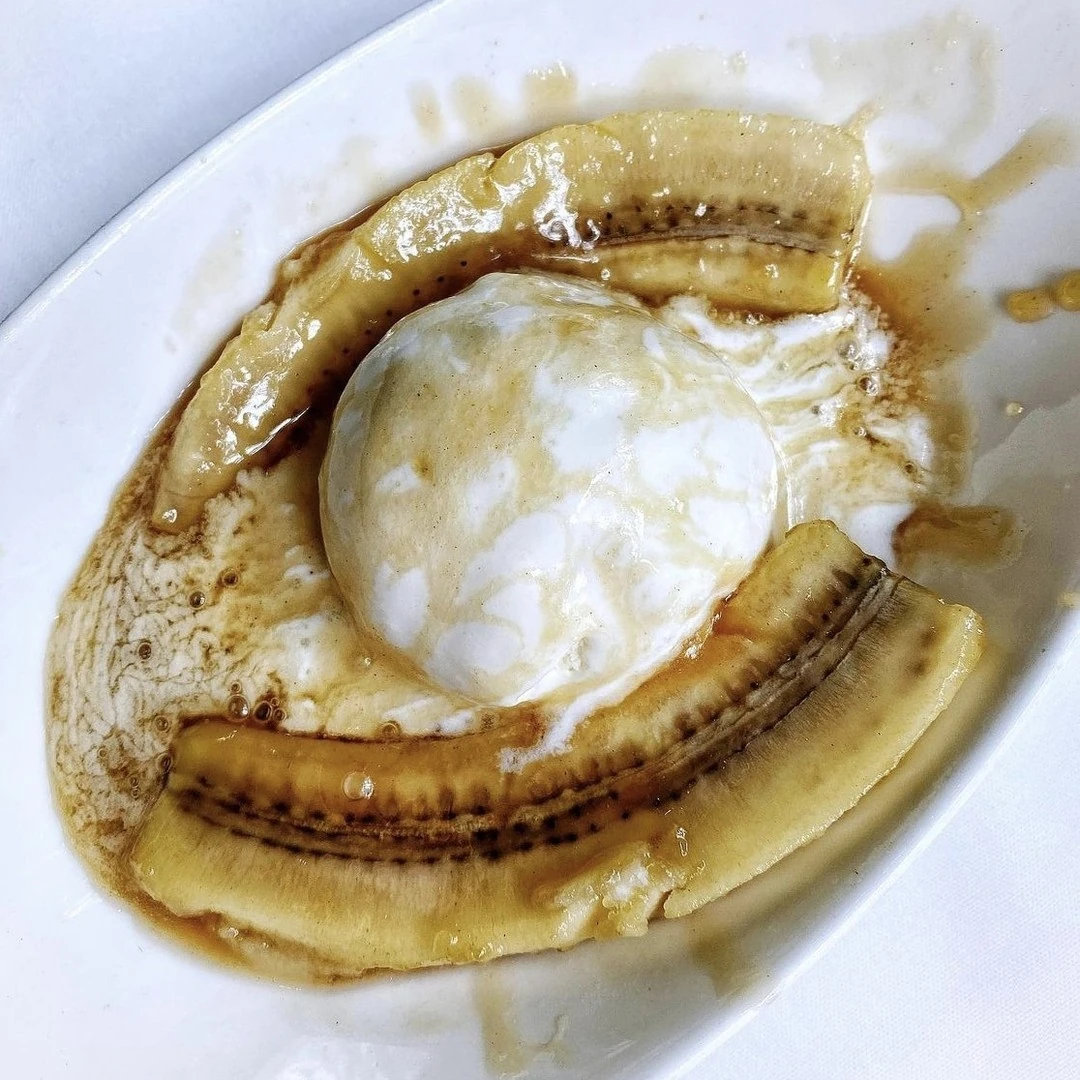
Bananas Foster turns dessert into an occasion, but the combination deserves attention beyond the flame.
Warm bananas cook with butter, brown sugar, cinnamon, and spirits, then meet cold vanilla ice cream. The sauce melts into the ice cream as you eat, creating a dessert that changes between the first spoonful and the last.
Brennan’s dates its creation to 1951, when Owen Brennan challenged chef Paul Blangé to develop a banana dessert. It was named for Brennan’s friend Richard Foster. Brennan’s Bananas Foster history
Order it well: Leave room before ordering your main course. Brennan’s lists a minimum of two people per order for its tableside preparation, so account for that when planning a solo visit.
Where to try it: Brennan’s dessert menu, on Royal Street in the French Quarter, makes this a natural choice for a planned restaurant meal.
14. King Cake
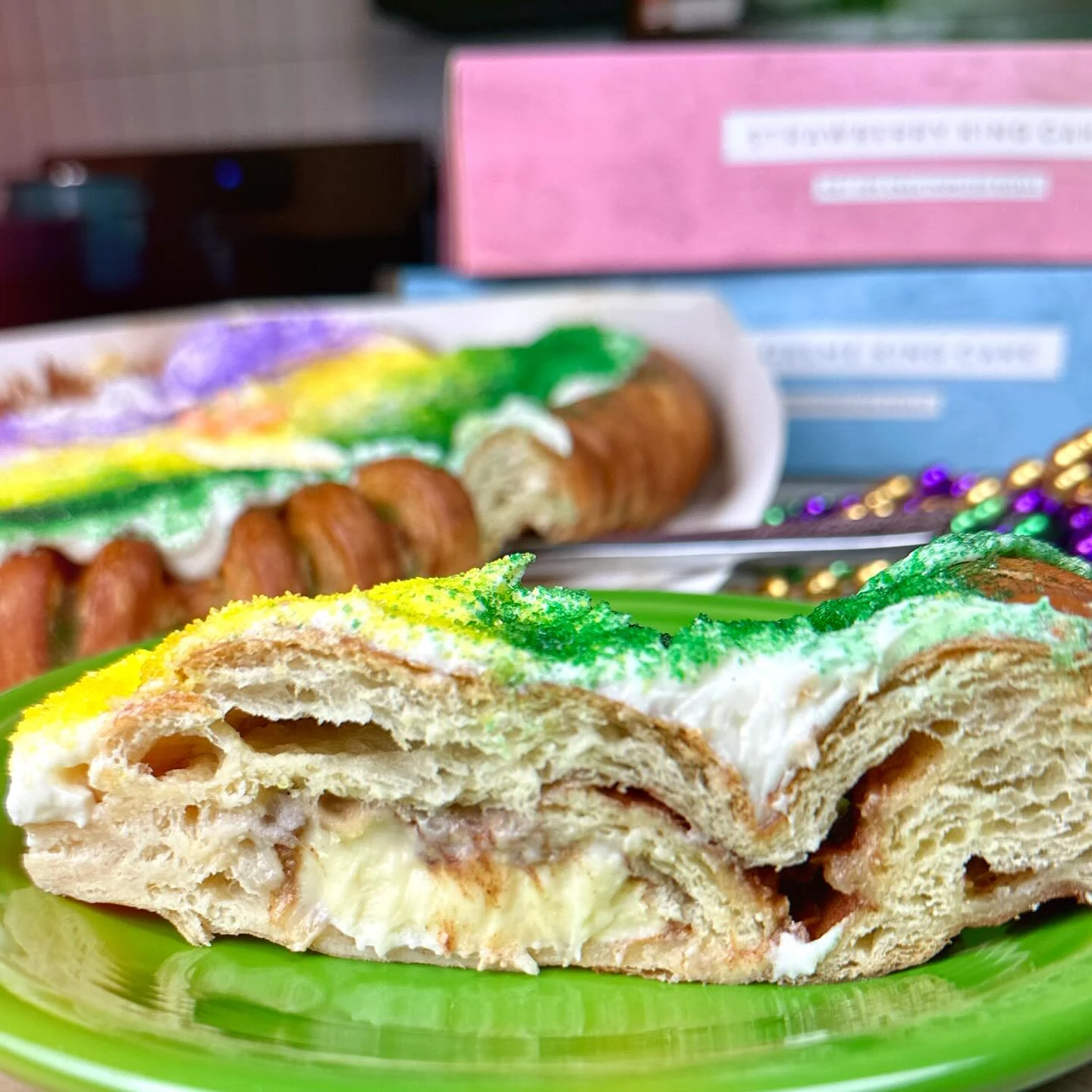
King cake is tied to Carnival, traditionally running from January 6 through Mardi Gras Day. That limited season makes it worth prioritizing when your visit coincides with it. New Orleans’ January guide
The familiar cake is a ring of sweet dough with icing and purple, green, and gold decoration. Cinnamon, cream cheese, and fruit fillings appear in different versions. The small baby associated with the cake traditionally gives its finder responsibility for bringing the next cake or hosting a party. New Orleans & Company’s king cake guide
Order it well: Choose a slice for a taste or a whole cake for sharing. Ask whether the baby is inside or packaged separately.
Where to try it: Dong Phuong Bakery in New Orleans East is a destination worth planning around during the season. Founded in 1982, the Vietnamese bakery sells bánh mì, traditional baked goods, and king cakes—an example of Vietnamese businesses contributing to the city’s shared food traditions. Check current pickup arrangements before traveling there.
15. Sno-Balls
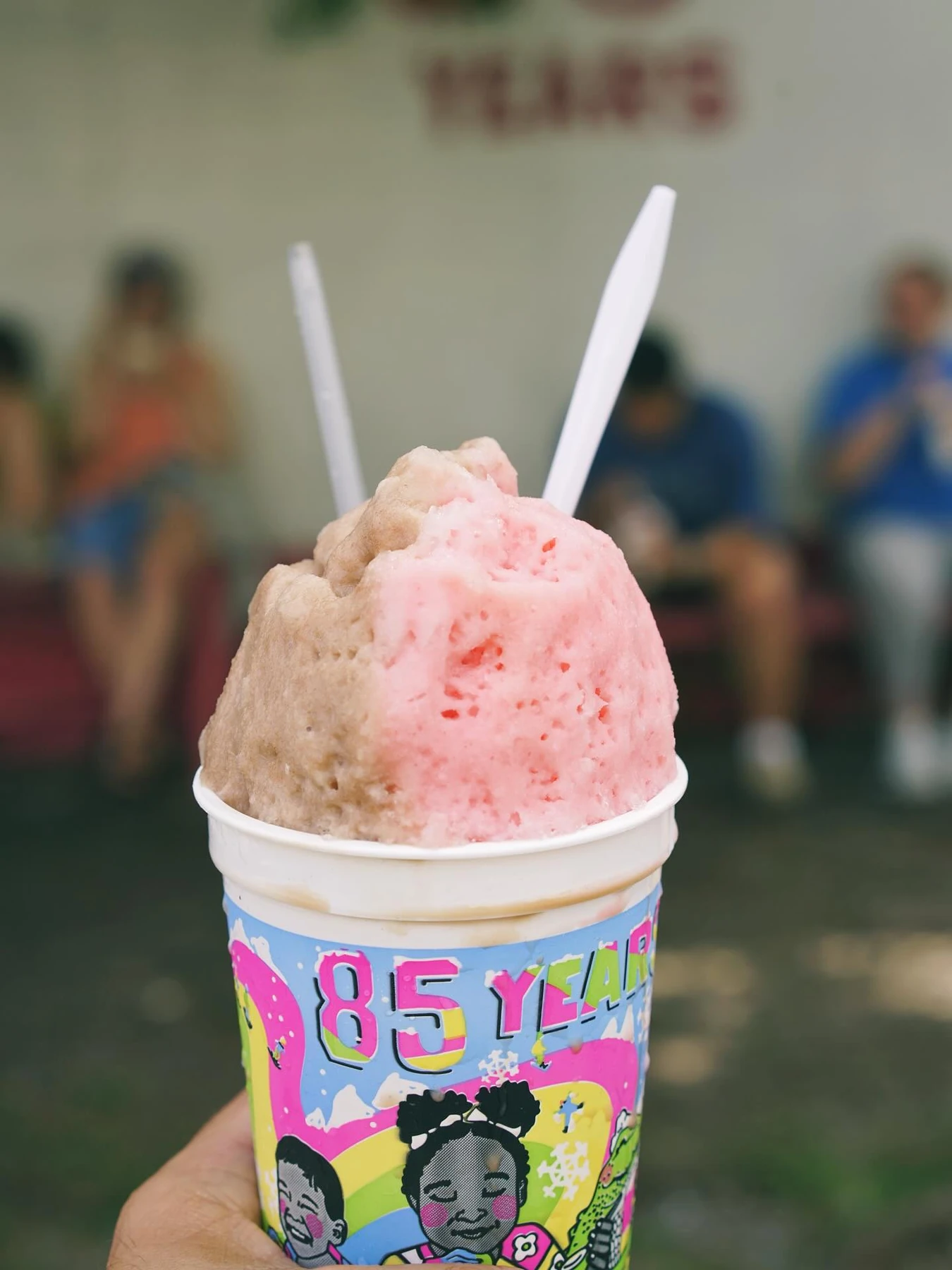
A sno-ball is a mound of finely shaved ice flavored with syrup, sometimes with a topping or filling.
The texture makes the difference. Soft, fluffy ice lets the syrup spread through the cup, giving you flavor throughout. Fruit flavors suit a refreshing afternoon stop; cream flavors and condensed milk make it feel closer to dessert. New Orleans & Company’s sno-ball guide
A long flavor list can make ordering more complicated than necessary. A small cup of something you already enjoy is a good introduction.
Order it well: Ask what a “stuffed” sno-ball contains at that stand. Check toppings separately if you avoid dairy.
Where to try it: Hansen’s Sno-Bliz, at 4801 Tchoupitoulas Street Uptown, is one option. Check its current seasonal schedule before building an afternoon around the visit.
Plan Meals by Neighborhood
You can taste a useful range of New Orleans food without crossing the city for every course. Choose one substantial meal in an area, then add smaller stops as your appetite allows.
| Area | A practical way to plan |
|---|---|
| French Quarter | Begin with beignets, then choose either a shared muffuletta or a gumbo-and-rice-dish lunch. Reserve Brennan’s for a separate meal if Bananas Foster is a priority. |
| Mid-City | Build lunch around Parkway, or choose a seasonal boil at Clesi’s. Both are substantial enough to deserve their own meal. |
| Tremé | Plan a Monday lunch at Lil’ Dizzy’s if red beans and rice is on your list. |
| Downtown/Warehouse District | Choose Willie Mae’s for fried chicken or Drago’s for oysters and seafood. |
| Uptown | Consider an afternoon sno-ball and a later meal at Pascal’s Manale, checking opening times first. |
| New Orleans East | Treat a Dong Phuong bakery visit as a separate outing, with any seasonal pickup arranged beforehand. |
For a short trip, share large sandwiches, choose cups of gumbo, and keep one meal unplanned. A daily special or a recommendation you receive while visiting may turn out to be the dish you most want to try.
If dietary restrictions affect your choices, ask about stocks, sauces, fillings, and shared fryers. Beans without visible sausage may still contain pork, and a meat-based dish may use seafood stock. The table describes common preparations rather than guaranteeing ingredients.
If the French Quarter anchors your food itinerary, compare accommodation in the neighborhood and check each address against the stops you want to visit.
For a trip that requires more detailed ingredient checks, our food-allergy travel planning guide covers restaurant conversations, backup meals, and preparation before departure.
Frequently Asked Questions
What is the difference between gumbo, jambalaya, and étouffée?
The simplest distinction is how the rice is used. Gumbo is a soup or stew served with rice. Jambalaya cooks the rice with the other ingredients. Étouffée is a thicker, smothered preparation spooned over rice. Each provides a different eating experience. Gumbo, jambalaya, étouffée
Is New Orleans food always very spicy?
Heat varies by dish and kitchen. Smoked meat, browned roux, herbs, stock, and aromatic vegetables provide flavor alongside pepper. Ask about heat levels when ordering and taste before adding hot sauce. Explore Louisiana’s guide to Cajun and Creole seasoning
Which New Orleans foods travel best as gifts?
Pralines are a practical starting point because they are easy to portion and package. King cake is another possibility during Carnival season. Ask the seller about storage and transport; fresh beignets and melting sno-balls are better enjoyed during your visit.